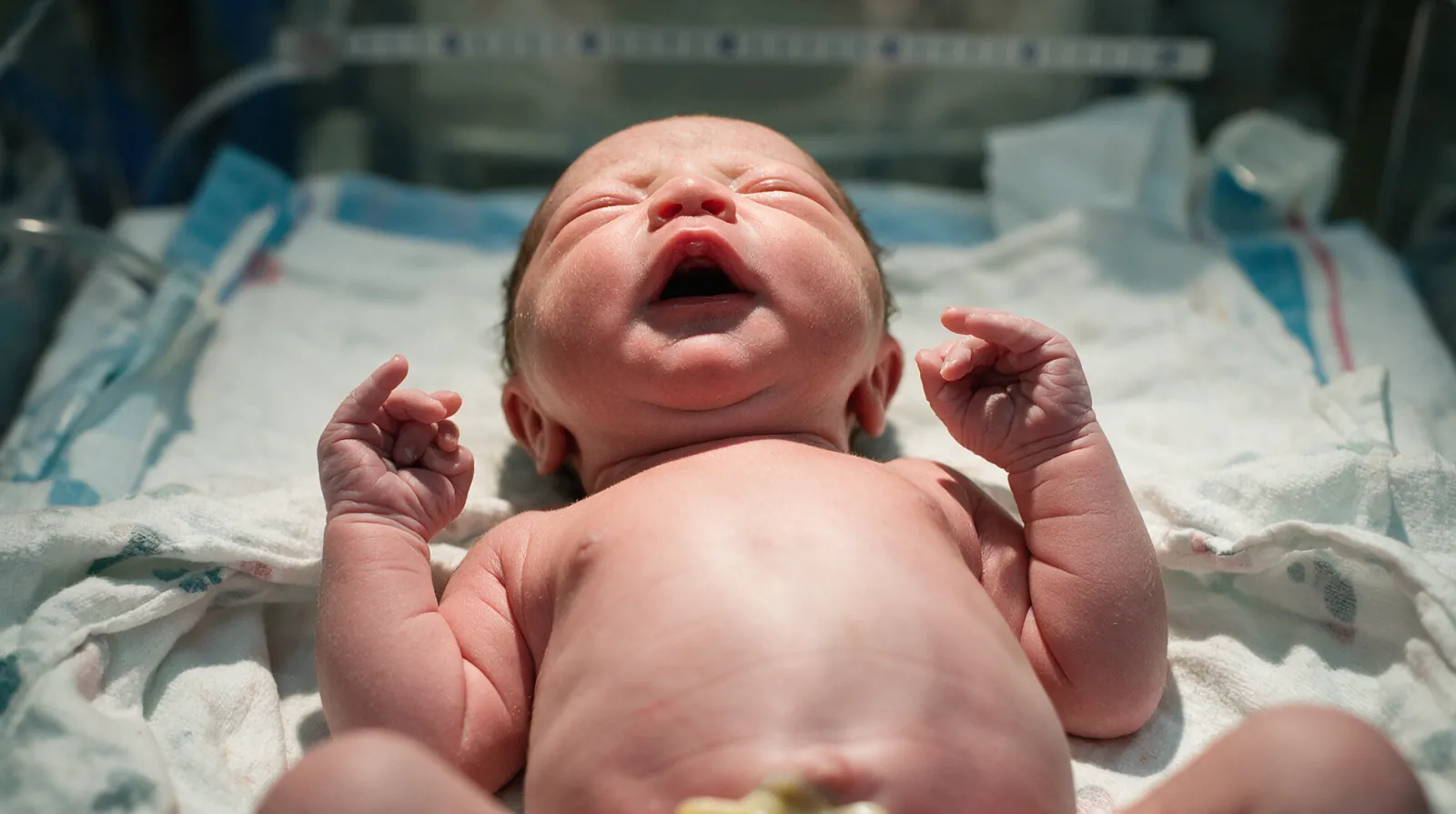
First breaths come after nine months of not breathing, which is to say after months of receiving oxygen secondhand through the placenta. The first one is a shock to a body that has never used its lungs, and the cry that follows is the same event, heard from outside.
The first inflation
Inside the womb the lungs are filled with fluid, and the placenta does the work. At birth the first strong breath pulls air in, the fluid is cleared, and blood begins to flow through the lungs instead of around them. The change is sudden and total.
Most babies announce it with a cry, and the sound is pressure and air and a pair of lungs proving they work. Midwives watch for it, because it is one of the small milestones of the first minute.
For the parents in the room, the cry arrives as relief and noise at once. The body that has been keeping time in the dark takes over a job it will never put down.
Before that first breath the chest has never moved on its own. The muscles are there, folded and waiting. The first cry uses them all at once, and after it the body discovers a rhythm it can keep without being asked.
A rhythm already running
A heartbeat is the first sound a life makes. The heart forms and begins to beat weeks into pregnancy, long before there is a name, a room, or a cot. In early pregnancy it appears on a screen as a fast flicker. Later it comes through a Doppler, quick and steady, filling a small clinic room.
The word heartbeat is too calm for what a Doppler gives you. It is a fast tapping, almost frantic. The heart starts before the lungs, before the eyes open, before the hands can close. By the time the baby arrives, that rhythm has been running for months.
After birth, parents learn it without being taught. They feel it against their chest when the baby sleeps on them, a small quick drum under the blanket. A hand on a chest can feel the beat through a vest. A cheek on a shoulder can hear it. The rhythm quickens when the baby cries, settles during a feed, slows as sleep arrives.
Parents learn the beat the way they learn the layout of the nursery, by walking it in the dark. They do not count. They notice when it changes.
The sound of the night
Within minutes the breathing settles into a pattern that will continue, without instruction, for the rest of a life. Newborns breathe faster than adults, often unevenly, with pauses that can alarm a parent watching in the dark. Most of those pauses are normal.
A newborn's breathing is loud enough to fill a quiet room. Snuffles, hiccups, a rattle in the nose, a pause that lasts a beat too long. Most of it comes from a narrow airway and a nose still learning its job. Parents listen anyway, and the listening is its own kind of work, done in the dark and unpaid.
They wake at sounds the baby does not make and sleep through ones that would wake them in another house. The chest rising and falling becomes the household's most watched gauge, checked without thinking.
A pause in the dark can last long enough for a parent to sit up. Most of the time the next breath comes before the feet reach the floor. The alarm passes, and the house settles again.
Days measured in feeds
Clocks stop mattering in the first week. Feeding, winding, changing, and settling happen in a cycle that ignores them. A newborn's stomach is small, so feeds come often, and nights break into pieces. The world outside continues, and inside the house time is measured by the last feed and the next.
This is the stretch when parents are most tired and least able to describe it. The days blur. Somebody brings food. Somebody else does a load of washing. The baby breathes through all of it, growing on milk and sleep.
A neighbour leaves a pot on the step. The doorbell goes at odd hours. Someone asks how the night went, and the answer takes a minute and covers twelve hours. The kettle goes on again.
No single day feels important while it is happening. A feed at dawn. A nap at noon that lasts forty minutes or three hours. A cry in the dark that is settled before anyone is fully awake. Meals happen standing up. The kettle is switched on and forgotten.
A hundred days
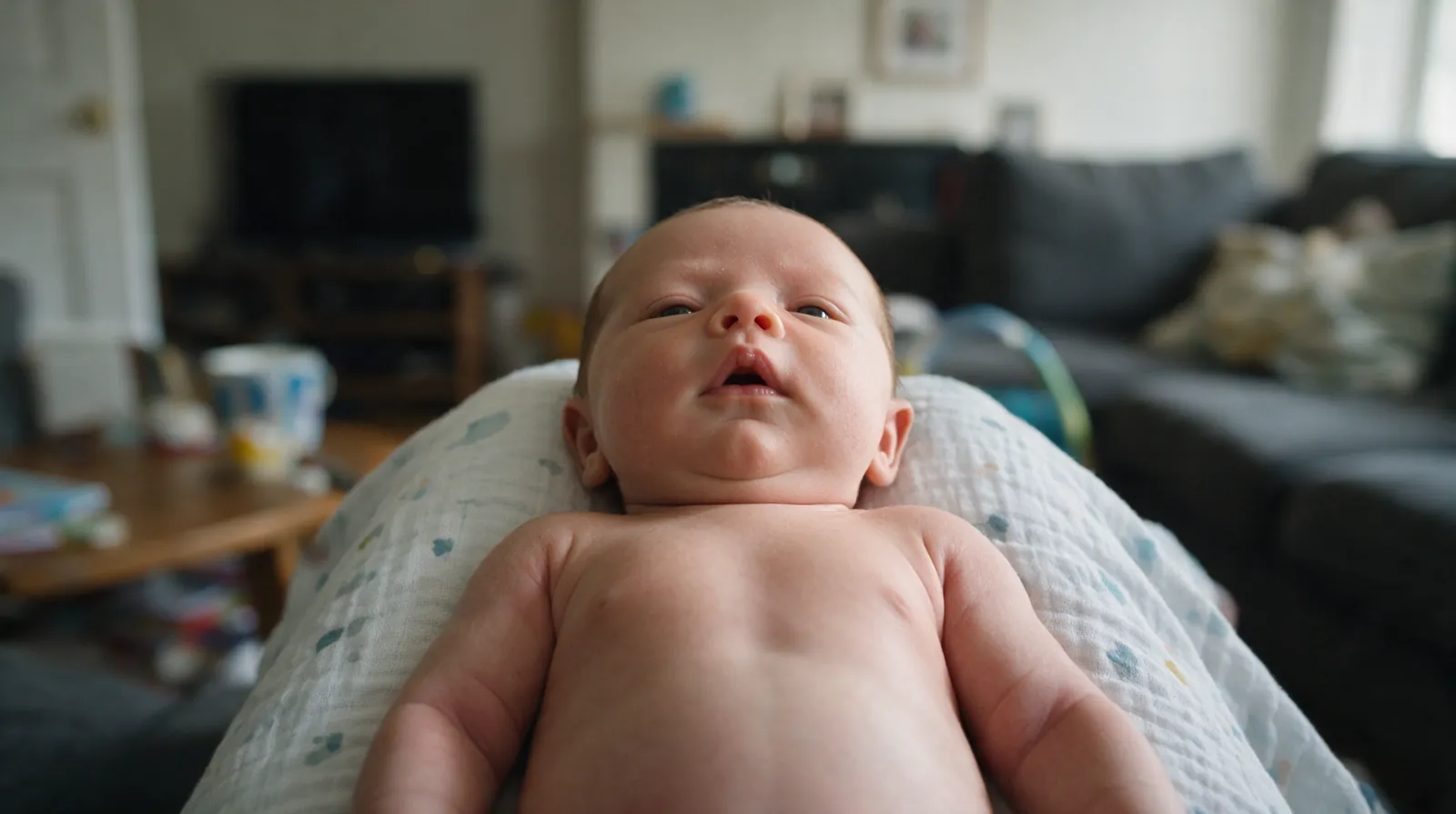
It sounds like a season and passes like a blink. In that time a baby usually regains birth weight, grows steadily, and begins to hold up their head for longer stretches. The hands open more often. The gaze holds.
Each change is small enough to miss. Stacked together they make the first great transformation of a life, and most of it happens in a blur of feeds and broken sleep. Weight is added in sleep. The brain builds connections during feeds, held gazes, and ordinary talk over the cot.
The fog lifts a little, and a hundred days have gone. The parents cannot account for them. The days ran together into one long stretch, and inside that stretch the baby grew in ways nobody had time to notice.
The first hundred days look like nothing much and are the foundation for everything after. The baby who arrived in a blanket now kicks it off. The hands that stayed curled now open and close in the air. The hundredth day arrives without a mark on the calendar, and if a family stops to look they find a different child from the one who came home.
A first smile usually arrives somewhere in this stretch, aimed at a face rather than the room. It changes the weather of a household. The days are still measured in feeds, and now one of them has a reward.
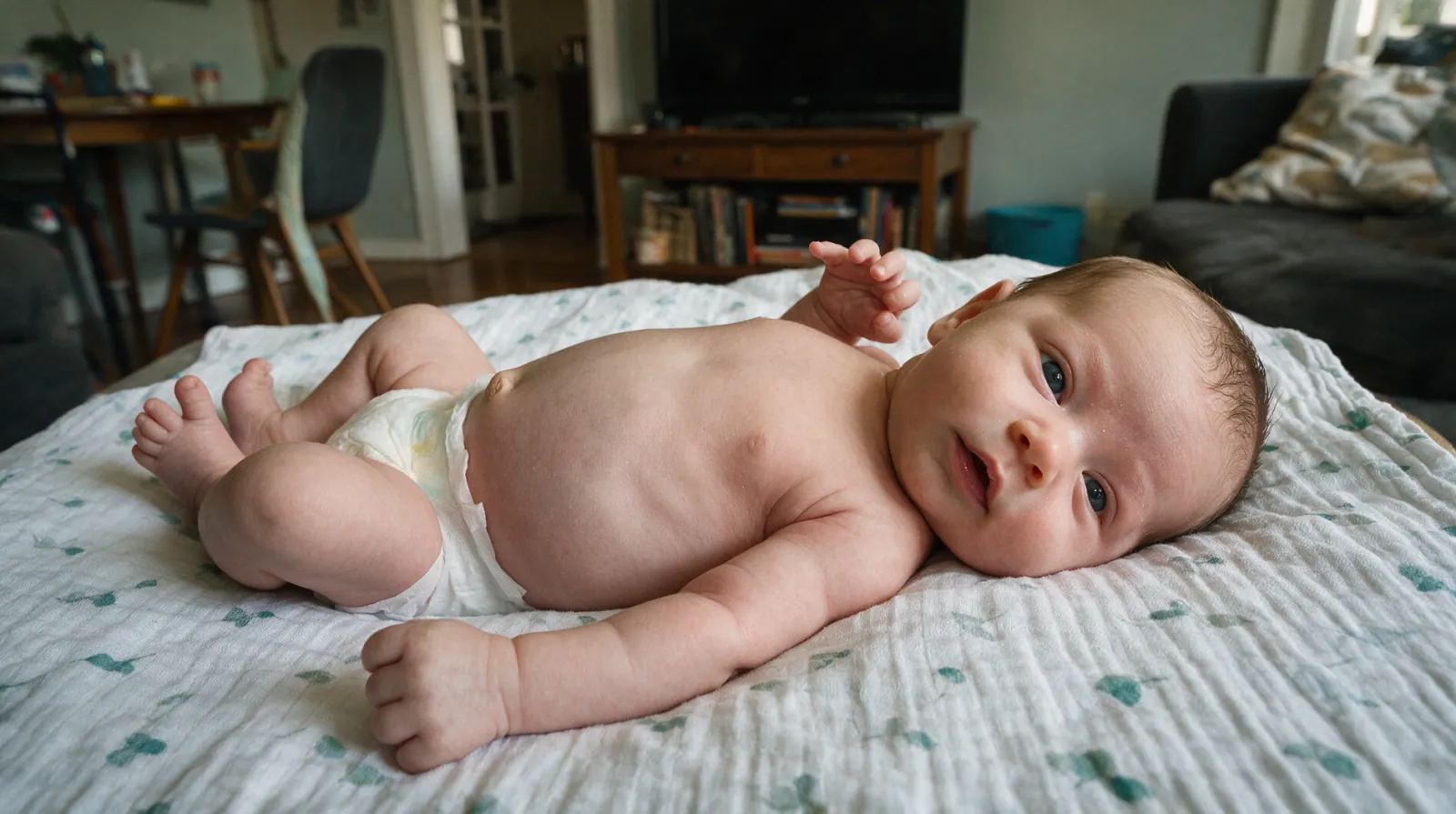
What the body does without asking
After a few months, the sound of breathing moves to the background of the house. Nobody checks the cot quite so often. The rhythm is trusted. It becomes the sound of a room where a child is asleep, as ordinary as a fridge humming.
The baby looks up. The eyes find a face and hold. A sound comes out that is close to a laugh. Somewhere under all of it the heart keeps its own record, at the same work it started in the dark.
A recording of the room from those weeks would hold almost nothing: a breath, a floorboard, a kettle. The sounds were small, and they were the whole of the day.
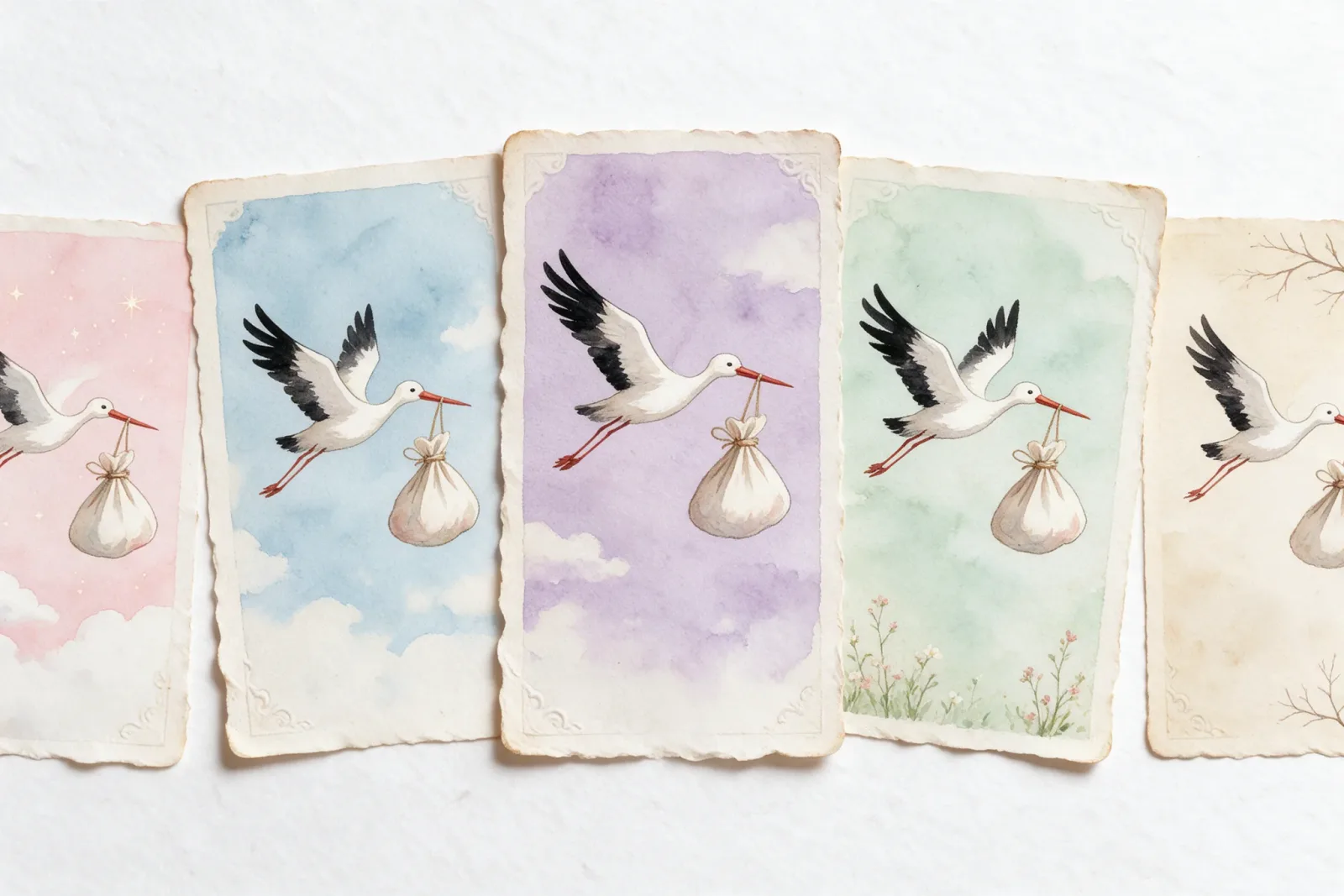
Some families keep a stork on a shelf from those first weeks, a small object that stood in the room while the nights were long. Adopt a stork and write the date on the base if you want one, and place it where the night light falls. The breathing continues, quieter in the mind each year, until one day a parent realises they no longer listen for it at all.
Explore the gift