Little beginnings. Wild journeys. Notes on a world worth growing up in.
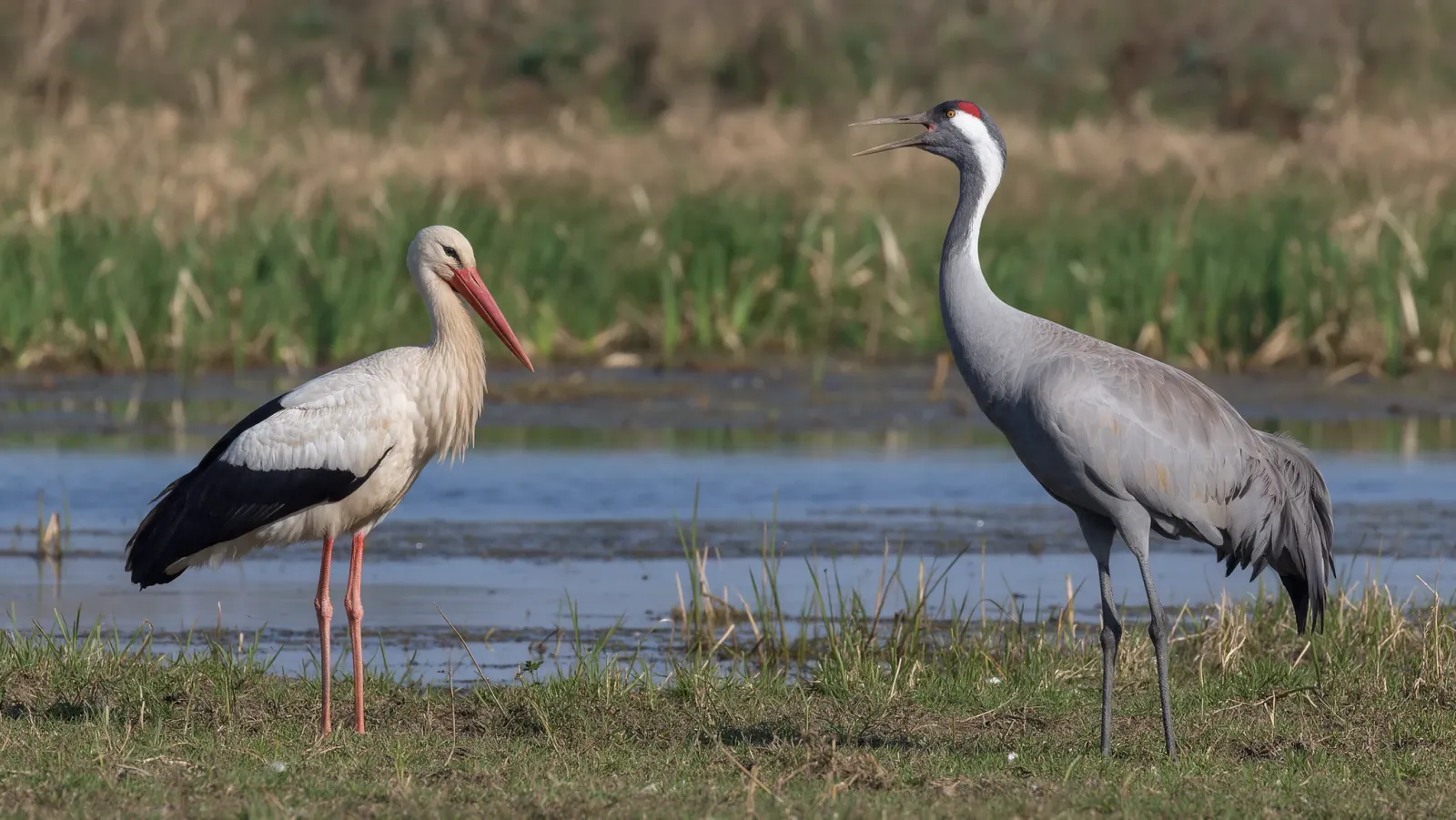
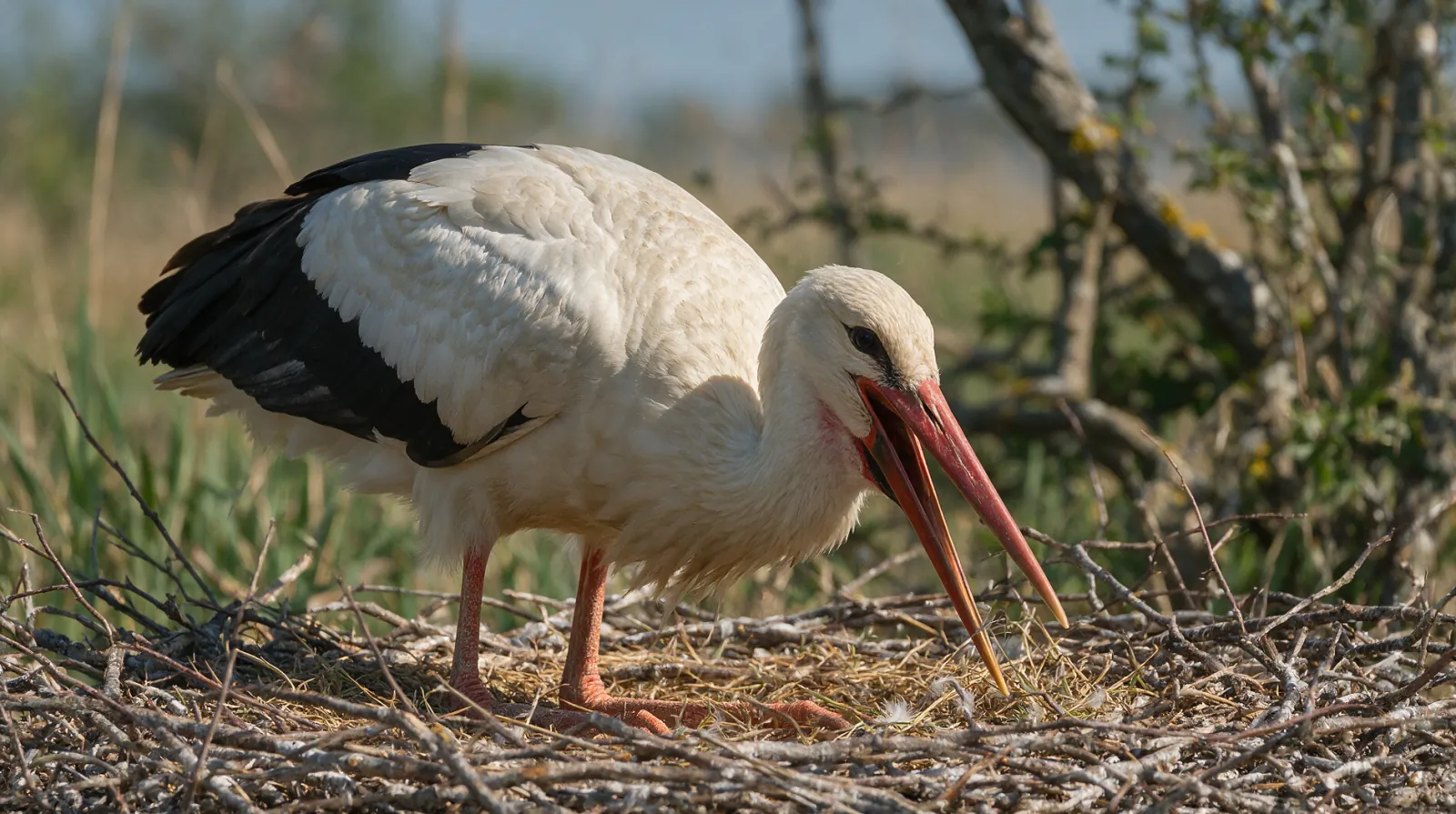
Flamingos are pink because of what they eat, and their down-curved bills filter brine; a white stork has a red dagger and eats frogs.
A glossy ibis looks black until the light turns it green, and its long curved bill is the surest way to tell it from a stork.
A spoonbill sweeps its spatula bill through the water; a stork stabs with a dagger, and both can be white.
Swans have webbed feet and float; storks have long toes and wade, and the difference starts at the waterline.
A single page for the tall birds of the marsh: neck, bill, legs, and feet, and the shortcut that names each one.
From Polish rooftops to Moroccan minarets, the same white bird carries luck, spring, and new life, with a different accent in each place.
In popular spirituality the stork signals change, new life, and return. Here is where each reading comes from, and what it leaves open.
Twin flame readers treat the stork as a sign of reunion and return. The reading is modern, and the bird's habits explain why it sticks.