Little beginnings. Wild journeys. Notes on a world worth growing up in.
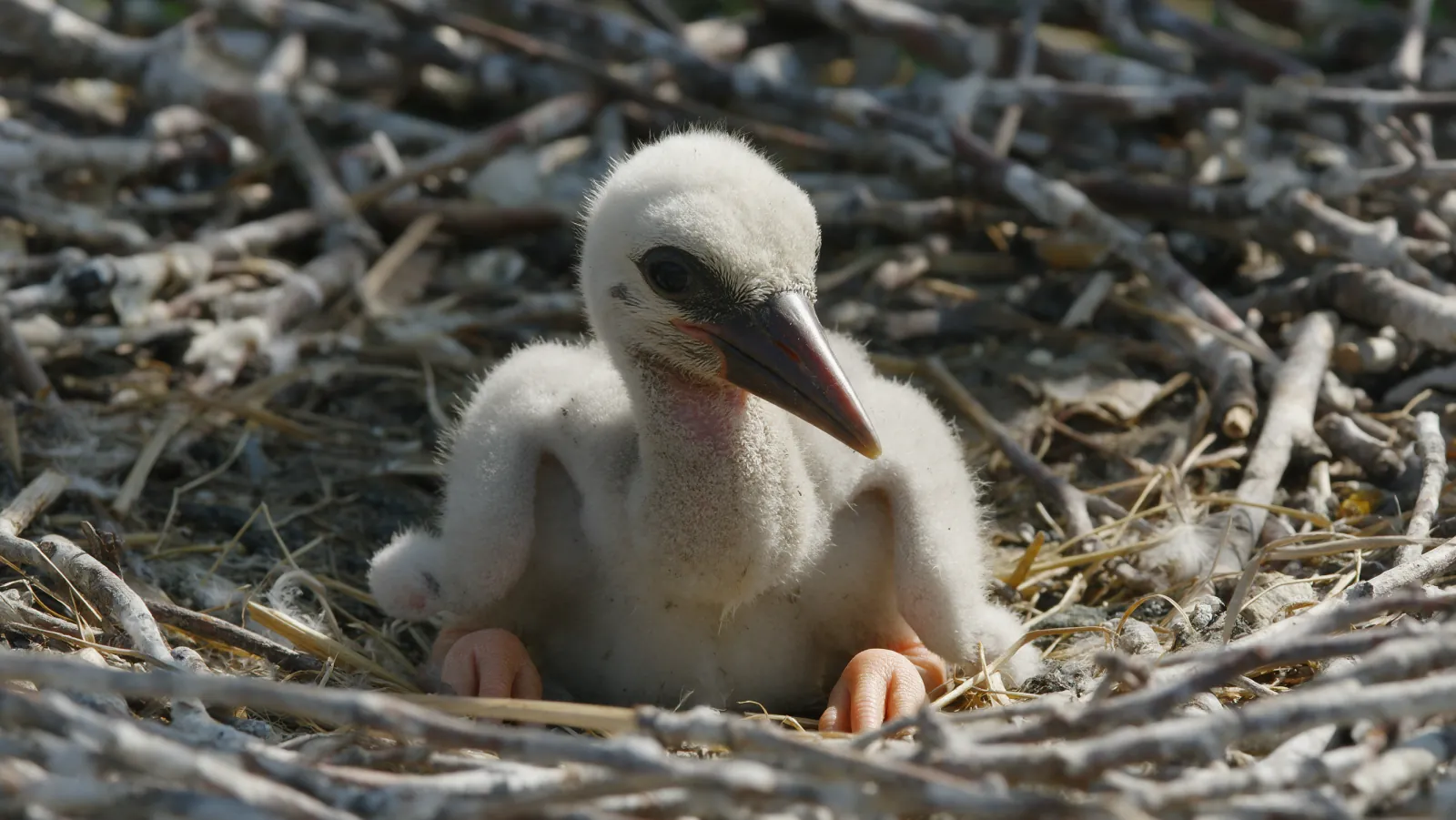
A white stork chick hatches near the weight of a small apple and reaches nearly adult size in eight weeks, fed from a parent's throat.
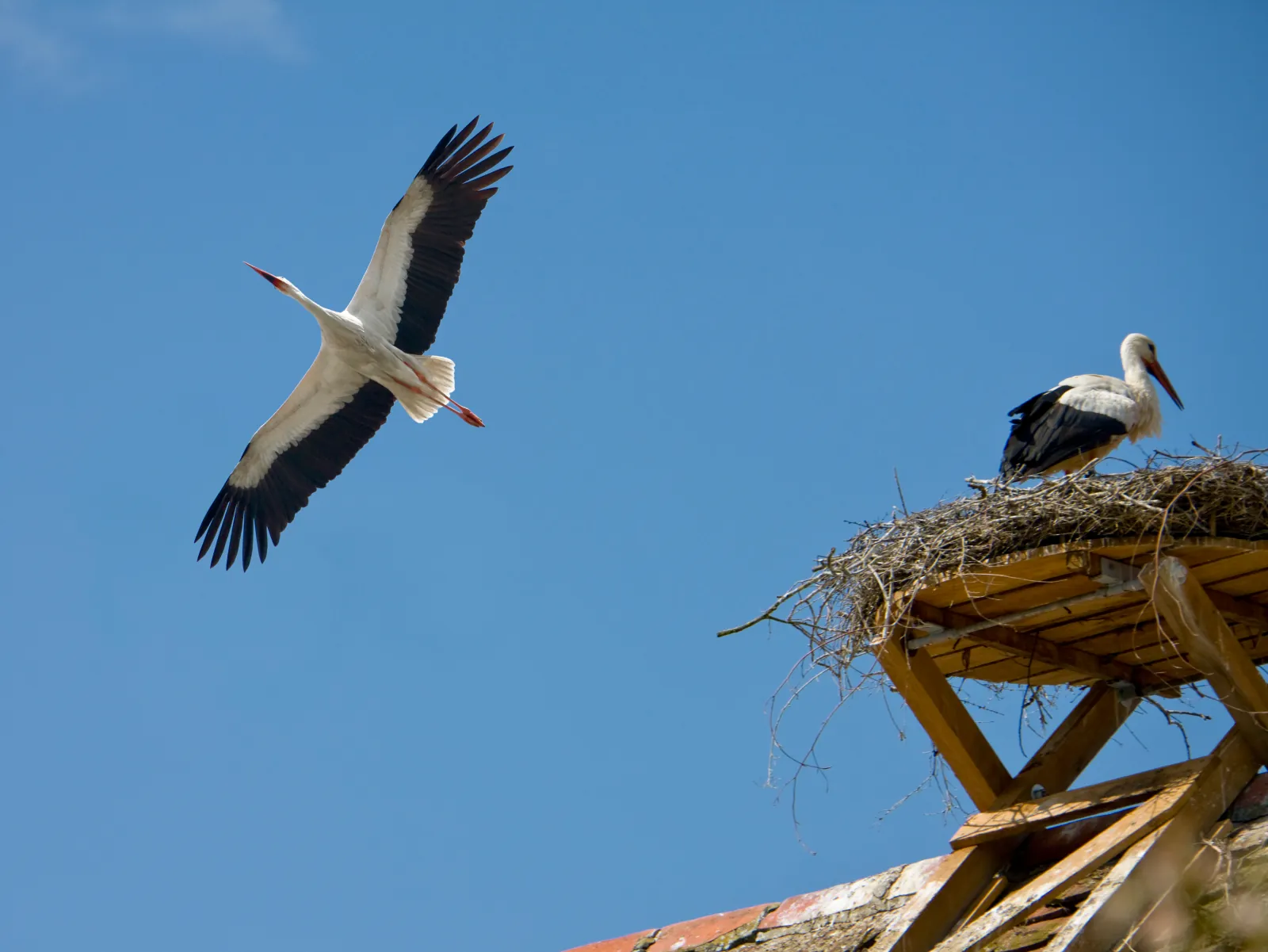
The white stork is a living bird with a ring on its leg and a nest on a Portuguese chimney. The confusion comes from folklore.
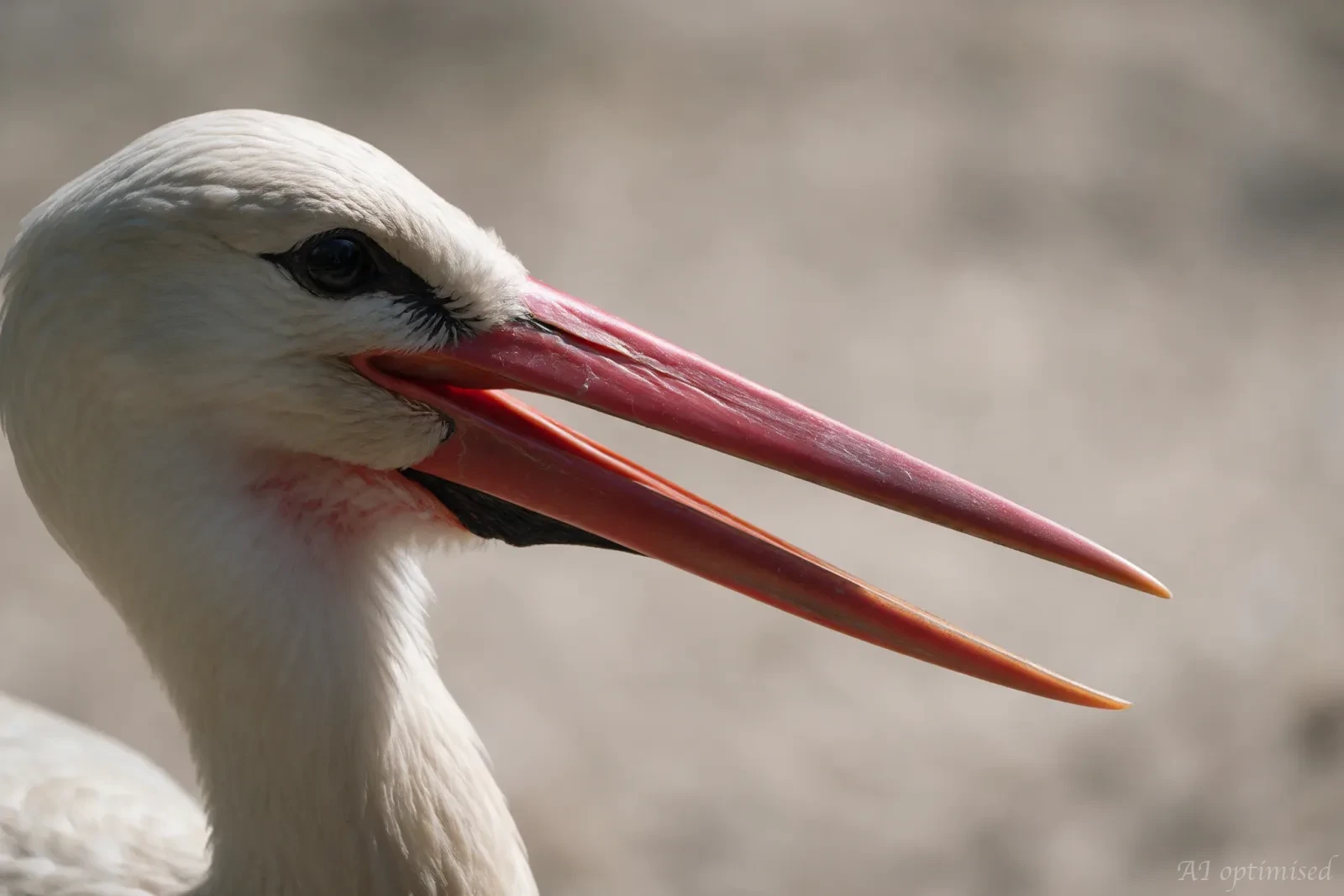
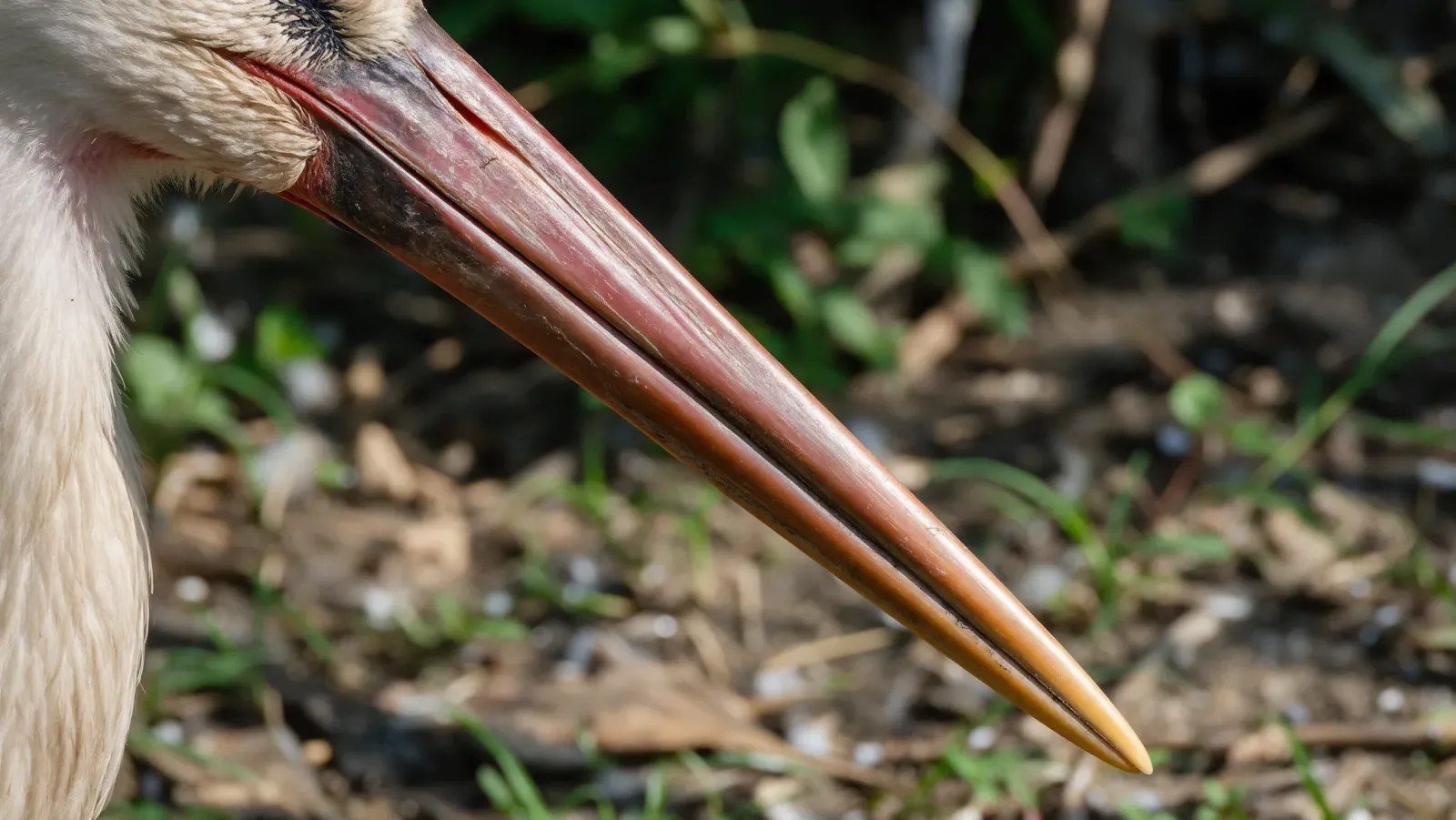
A stork has no teeth anywhere in its bill. The edges are sharp, and the work of breaking down food happens in the stomach.
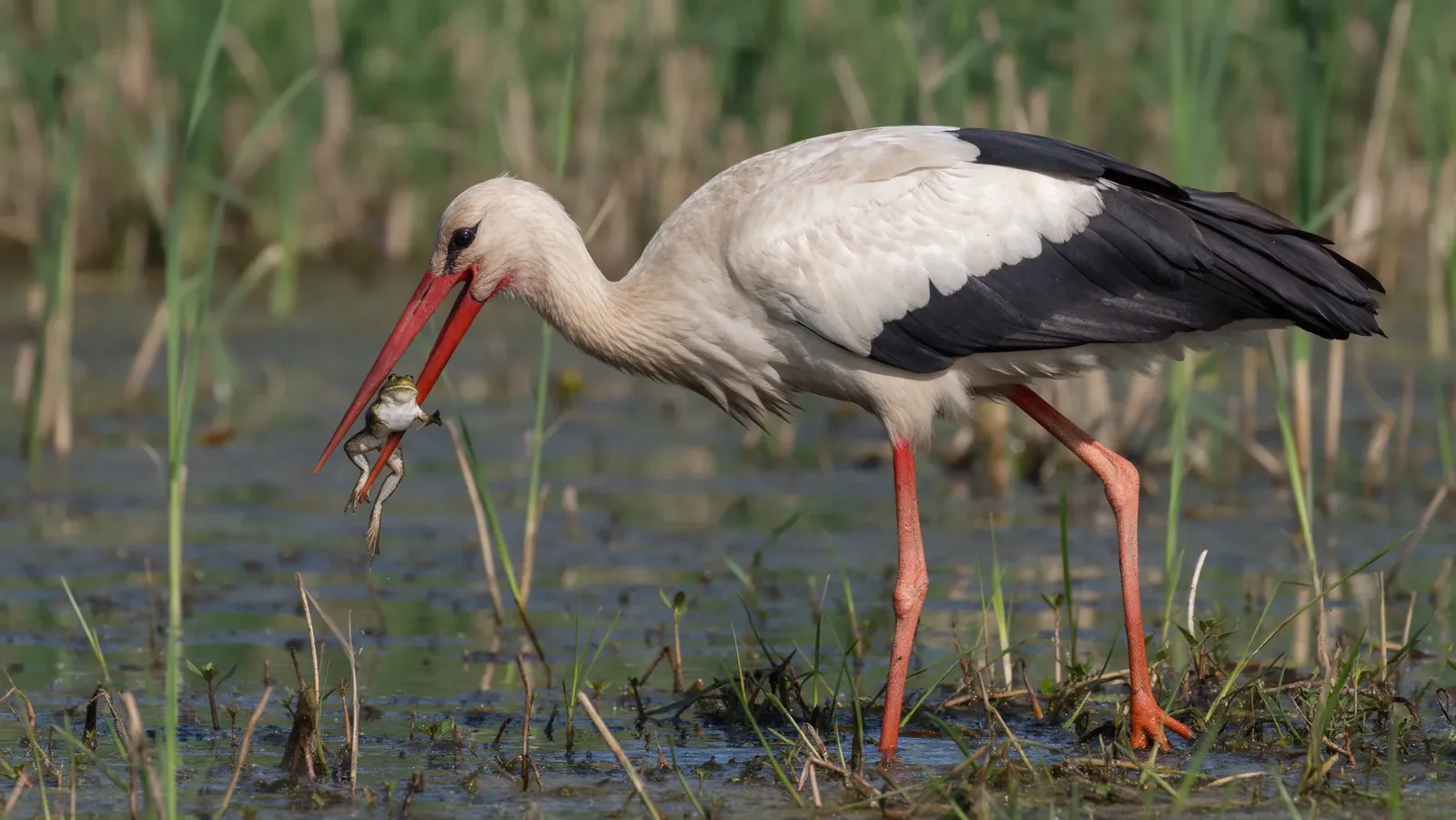
Iberian storks now queue at landfills and hunt invasive crayfish. The old diet of frogs and grasshoppers has given way to something stranger.
A stork will take a duckling, a chick or a nestling when the chance comes. The habit looks shocking and it is ordinary bird behaviour.
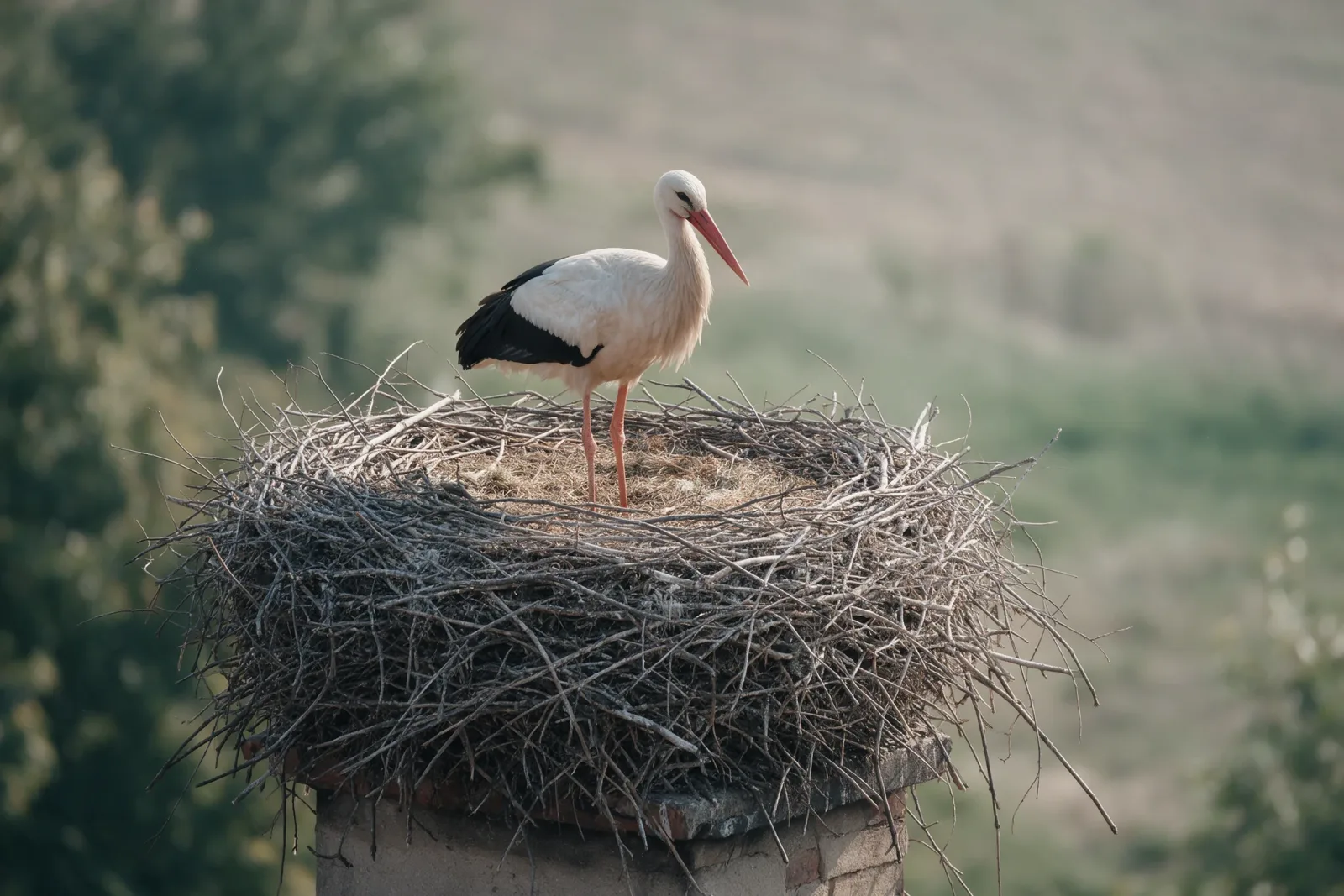
A big stork nest can weigh hundreds of kilos, with wet sticks and years of soil. Chimneys hold it because the load is spread.
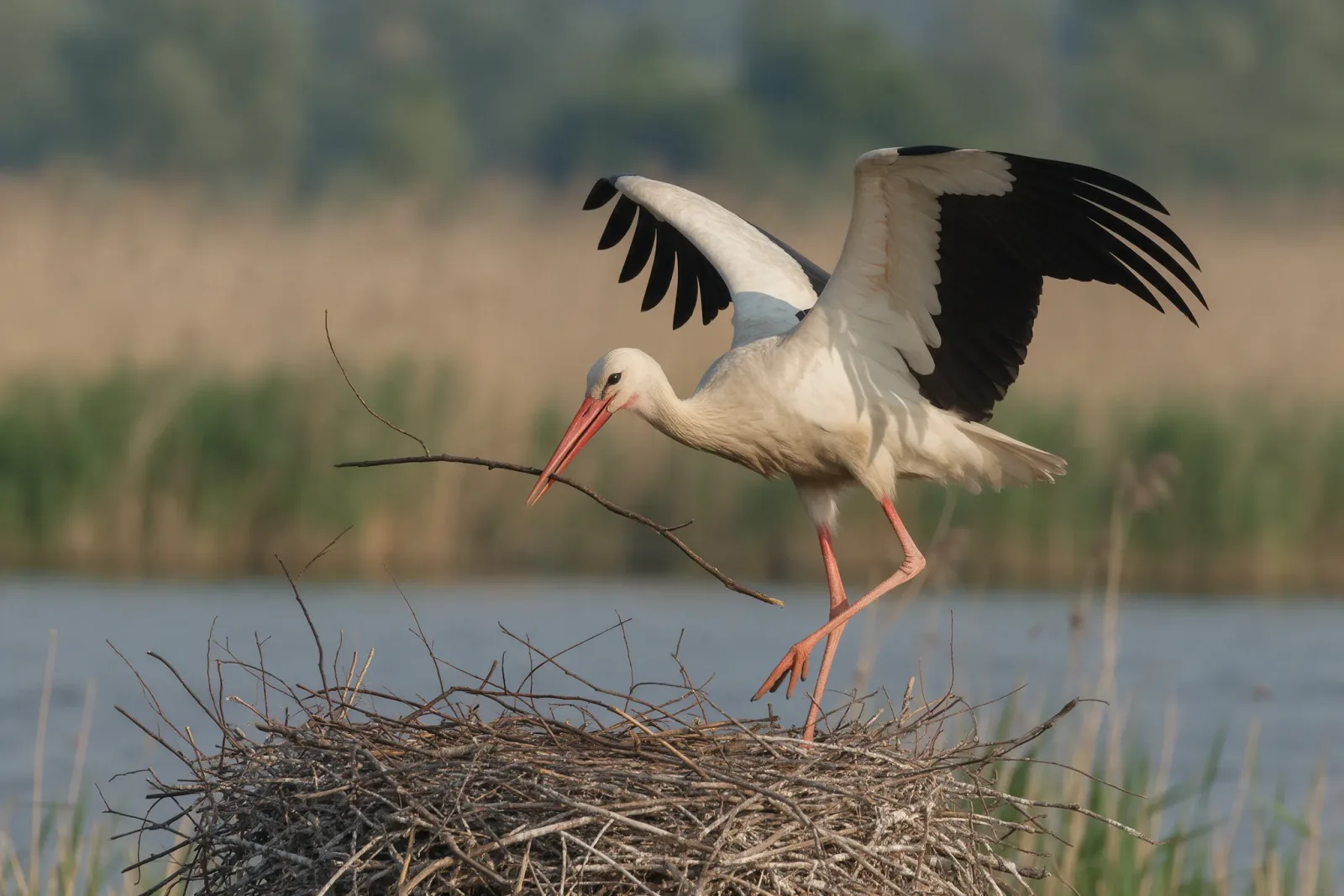
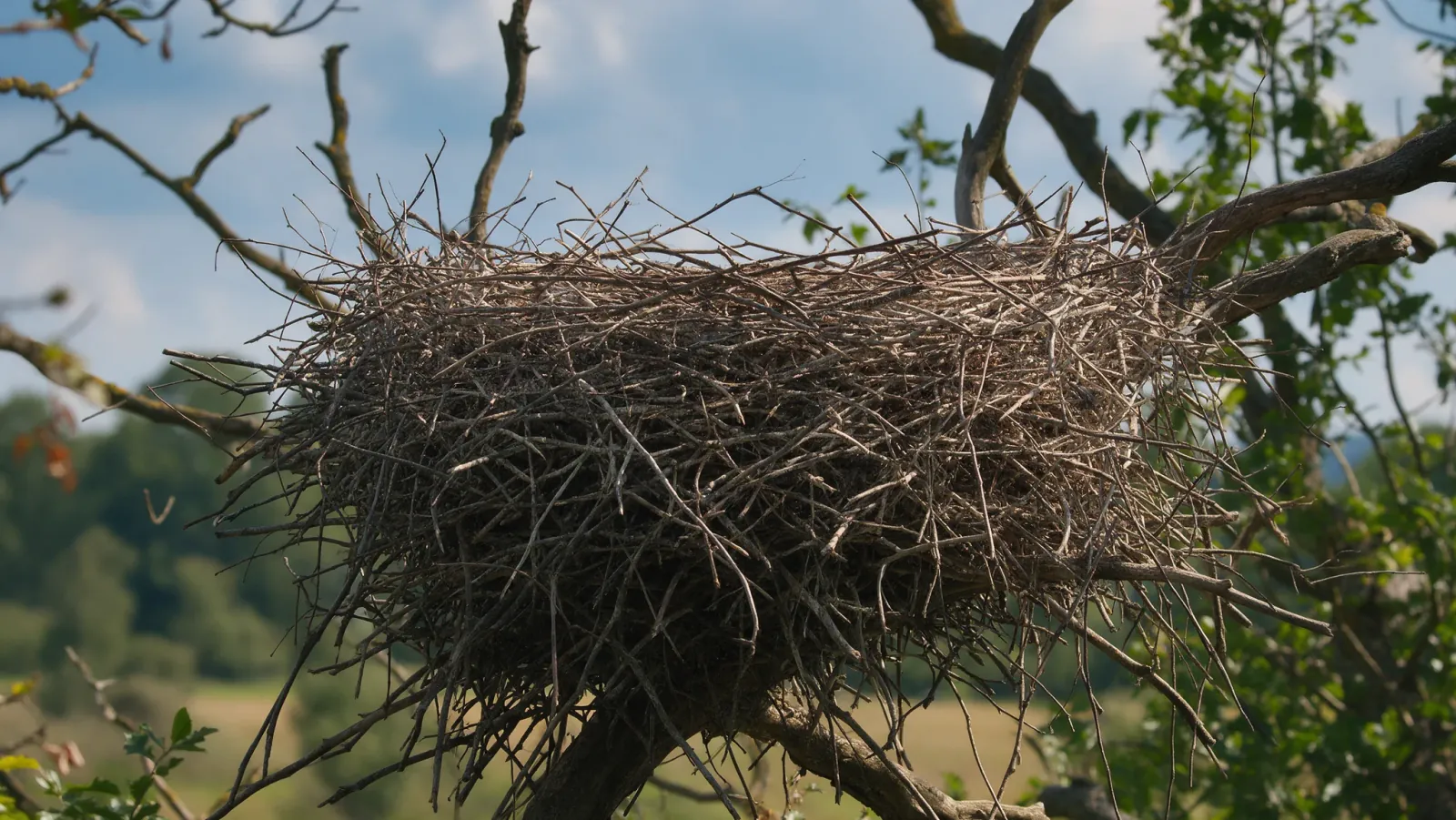
A big white stork nest can span the width of a double bed and stand a metre deep. The size comes from years of additions.
A white stork in the wild often lives around twenty years, and birds in captivity can pass thirty. The first year is the hard one.