Little beginnings. Wild journeys. Notes on a world worth growing up in.
The Hebrew Bible names the stork as a bird that knows its season. Christian art later made it an emblem of piety and parental care.
A stork tattoo can stand for home, arrival, travel, or loyalty. The designs that last share a few plain rules about scale and contrast.
Fine line, American traditional, blackwork, and Japanese-inspired approaches each change what a stork tattoo says and how long it lasts.
A stork in a dream is read as news, a birth, a home matter, or a long wait. These are the popular readings, and where they come from.
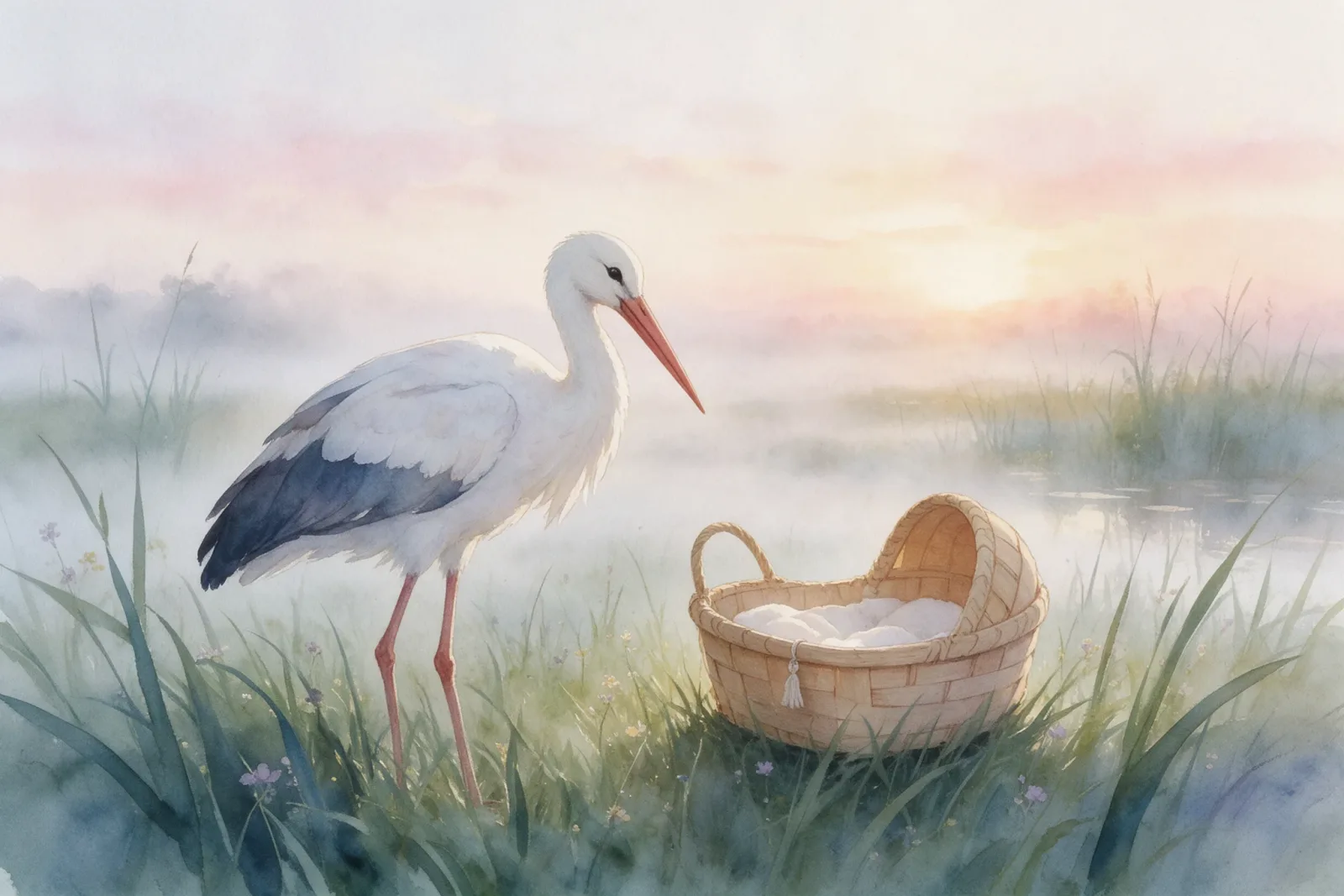
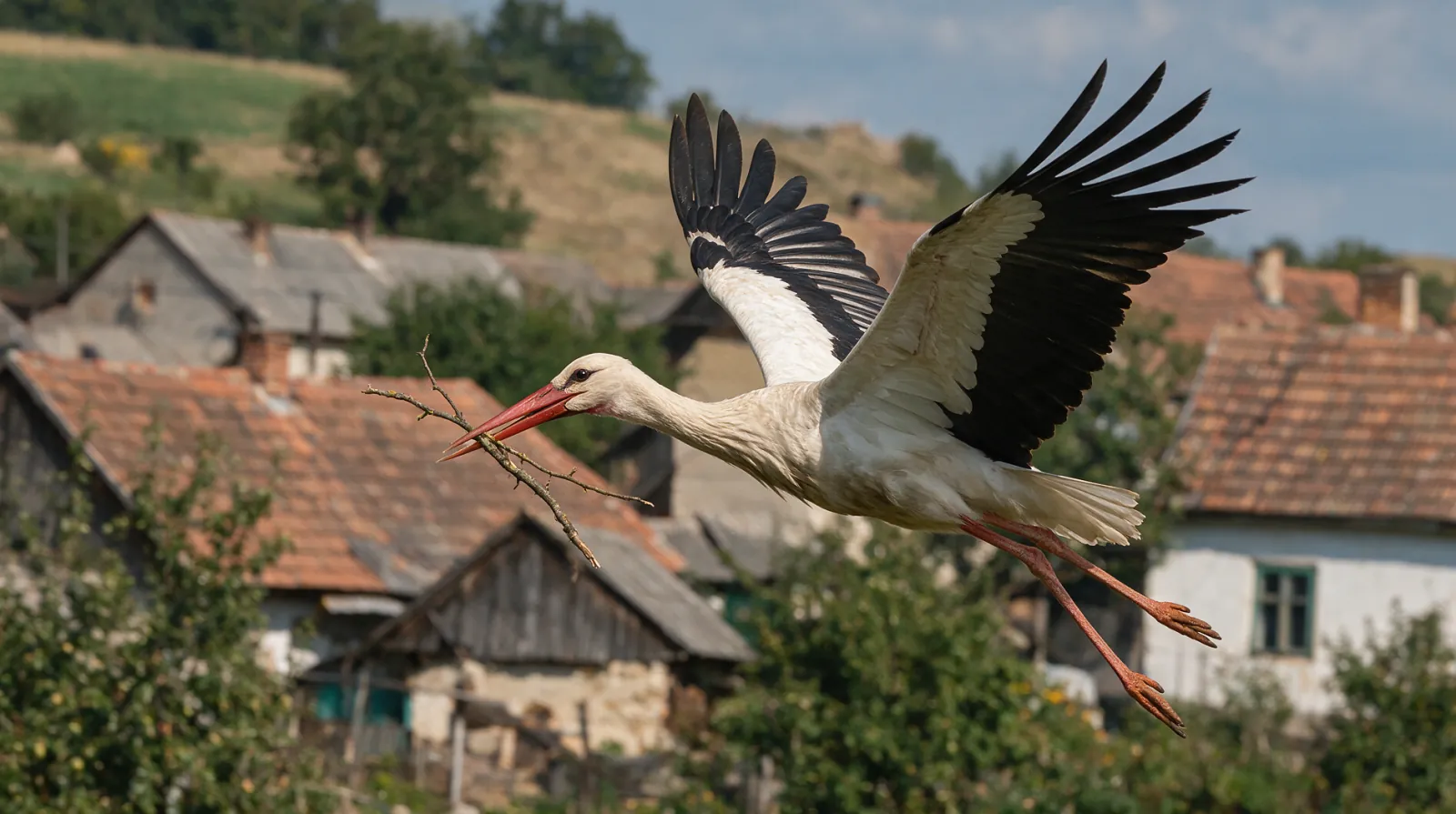
Denmark built a whole baby story around the rooftop stork. Sweden, at the edge of the bird's range, kept a thinner and quieter tradition.
Greek and Roman writers tied the stork to Hera, Juno, and the duty of caring for parents. One myth explains its body as a punishment.
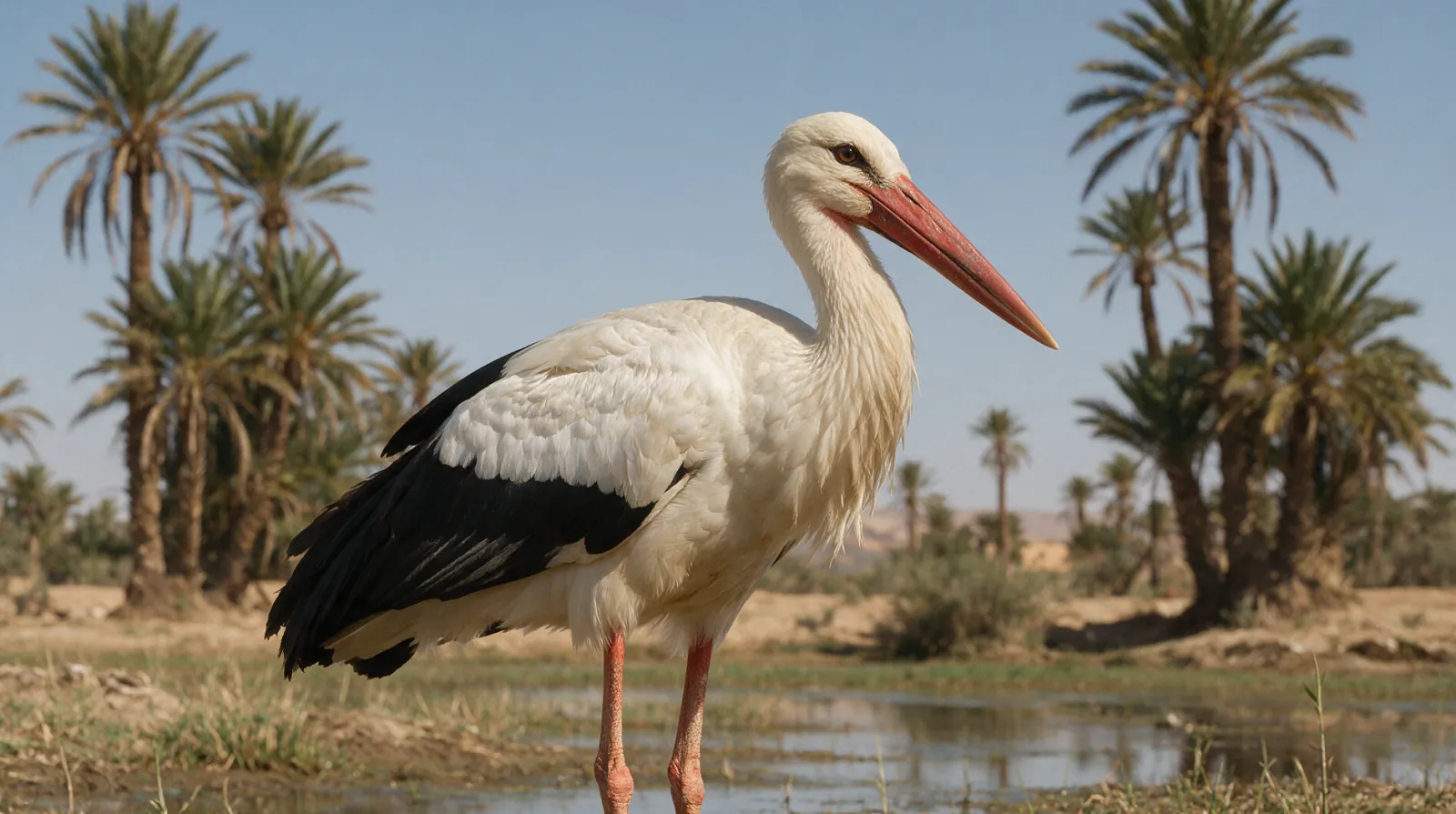
Across the Maghreb the stork nests on minarets and is left in peace. The respect comes from custom and a general care for animals.
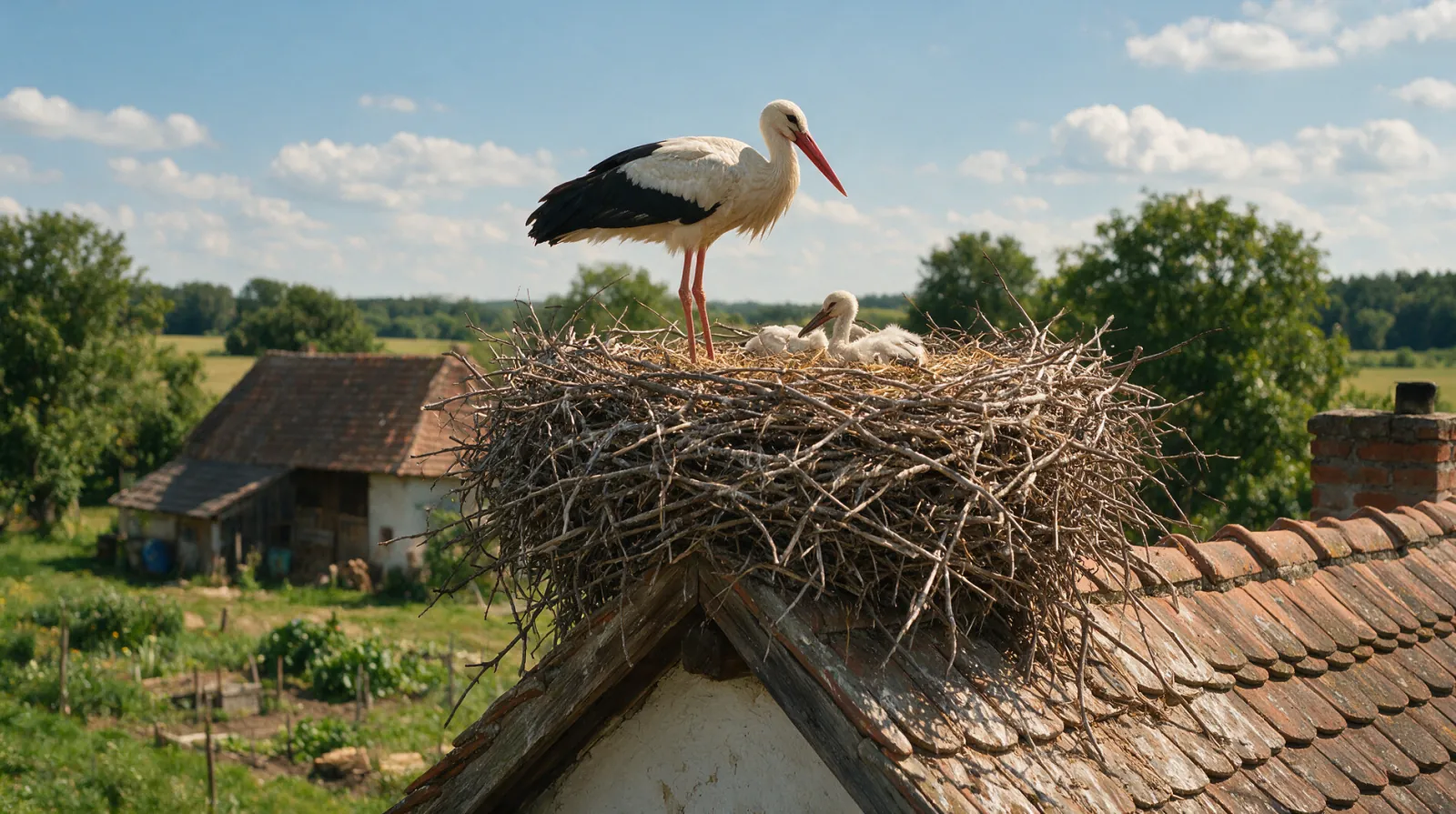
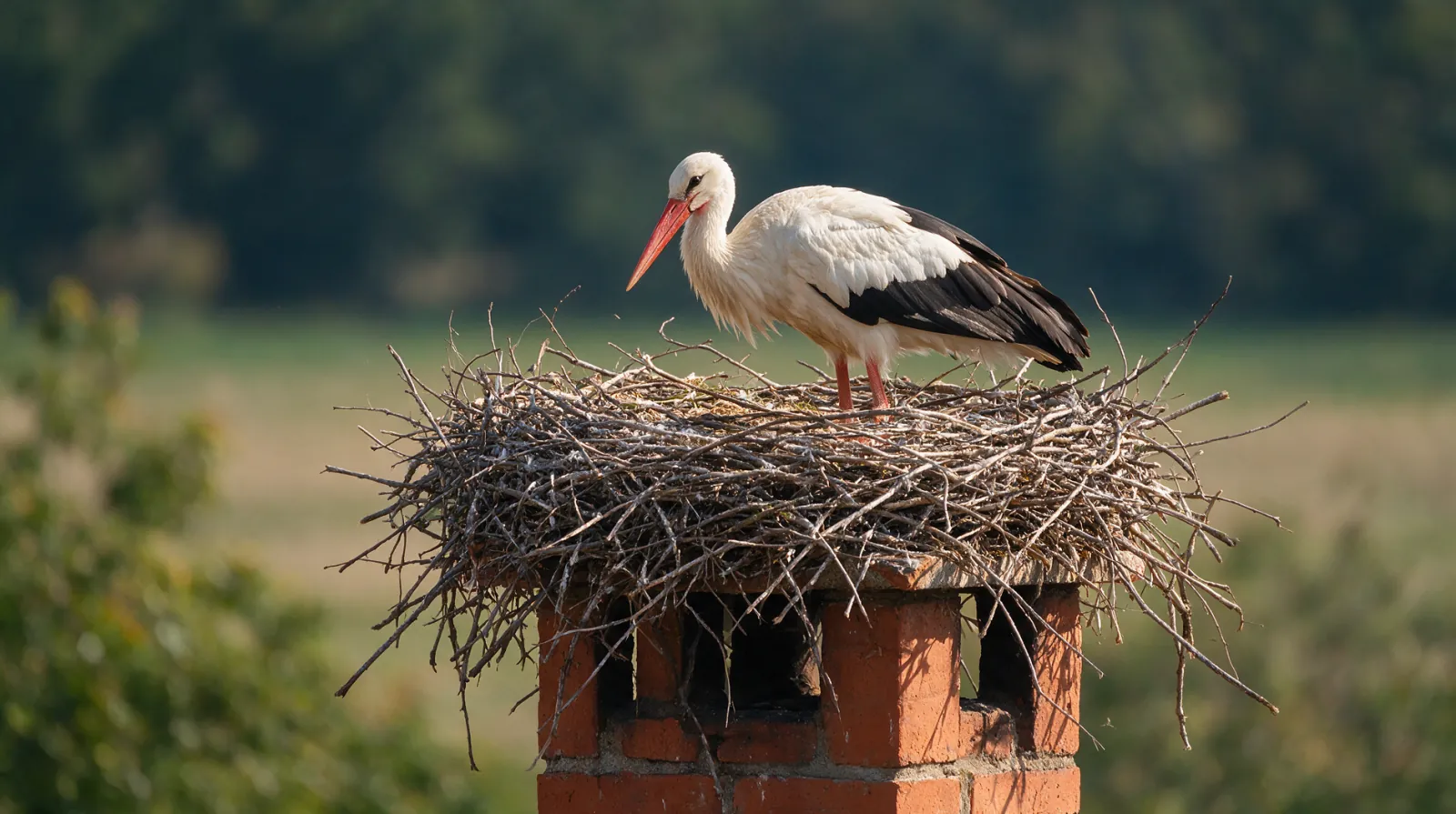
A stork on the roof was read as luck, fire protection, and proof of a well-run home. The old rules still shape how people build for birds.