Little beginnings. Wild journeys. Notes on a world worth growing up in.
The shoebill is protected, needs a fish-rich wetland and does not tame. Owning one is illegal in most places and impossible in practice.
A bird that stands still for half an hour, catches fish with a shoe-shaped bill and sounds like a machine gun when it says hello.
Uganda and Zambia are the practical places to see a shoebill, and the bill adds up from travel, permits, a guide and a boat.
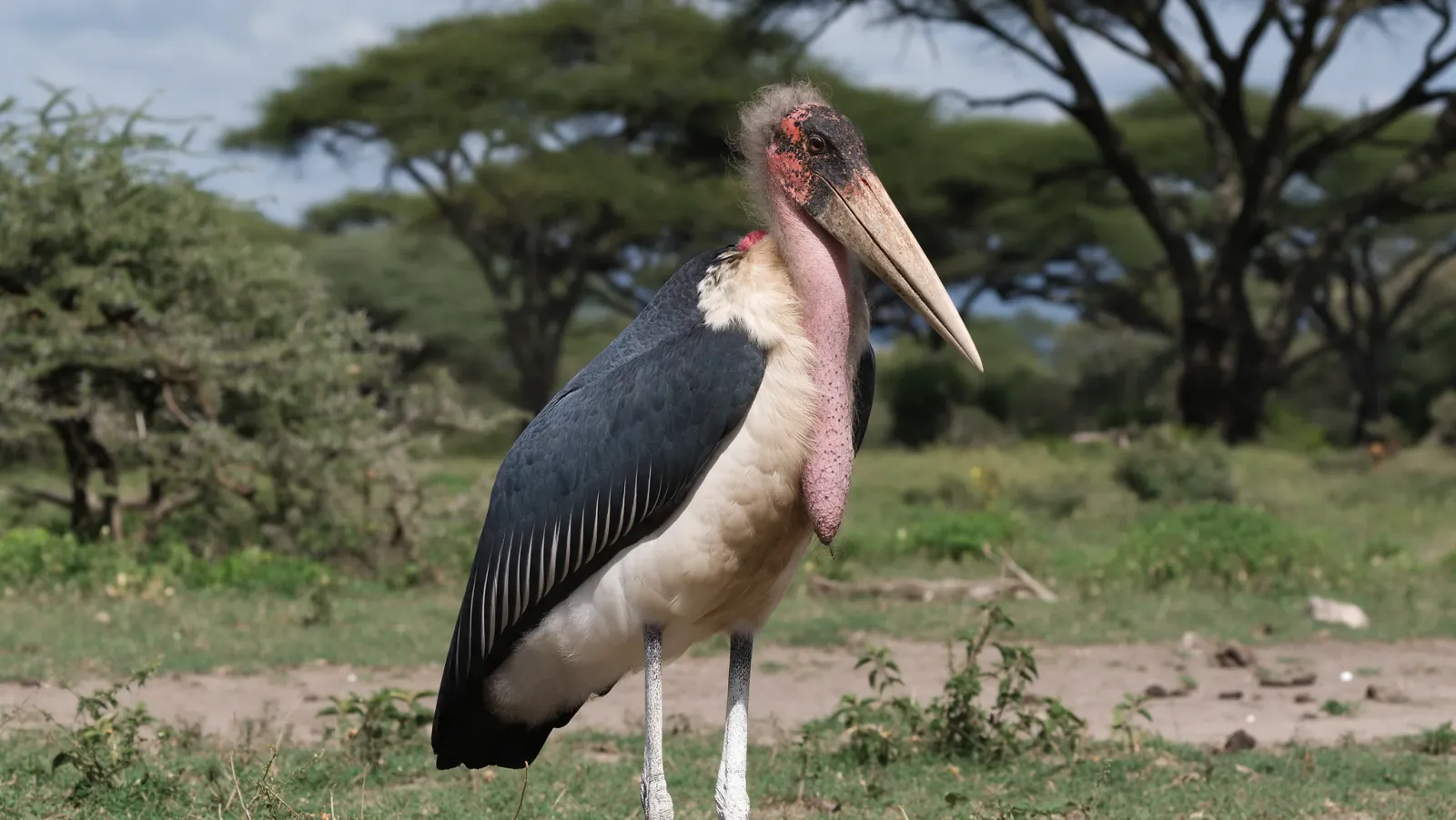
A reliable meal, a warm thermal and a tall tree: why the marabou moved into African towns and built its colonies above the traffic.
The only stork that breeds in the United States feeds by touch in murky water and nests over cypress swamps that depend on the right water level.
A stork whose mandibles meet only at the tip: the gap is a tool for holding snail shells, and it shows up across the wetlands of Asia.
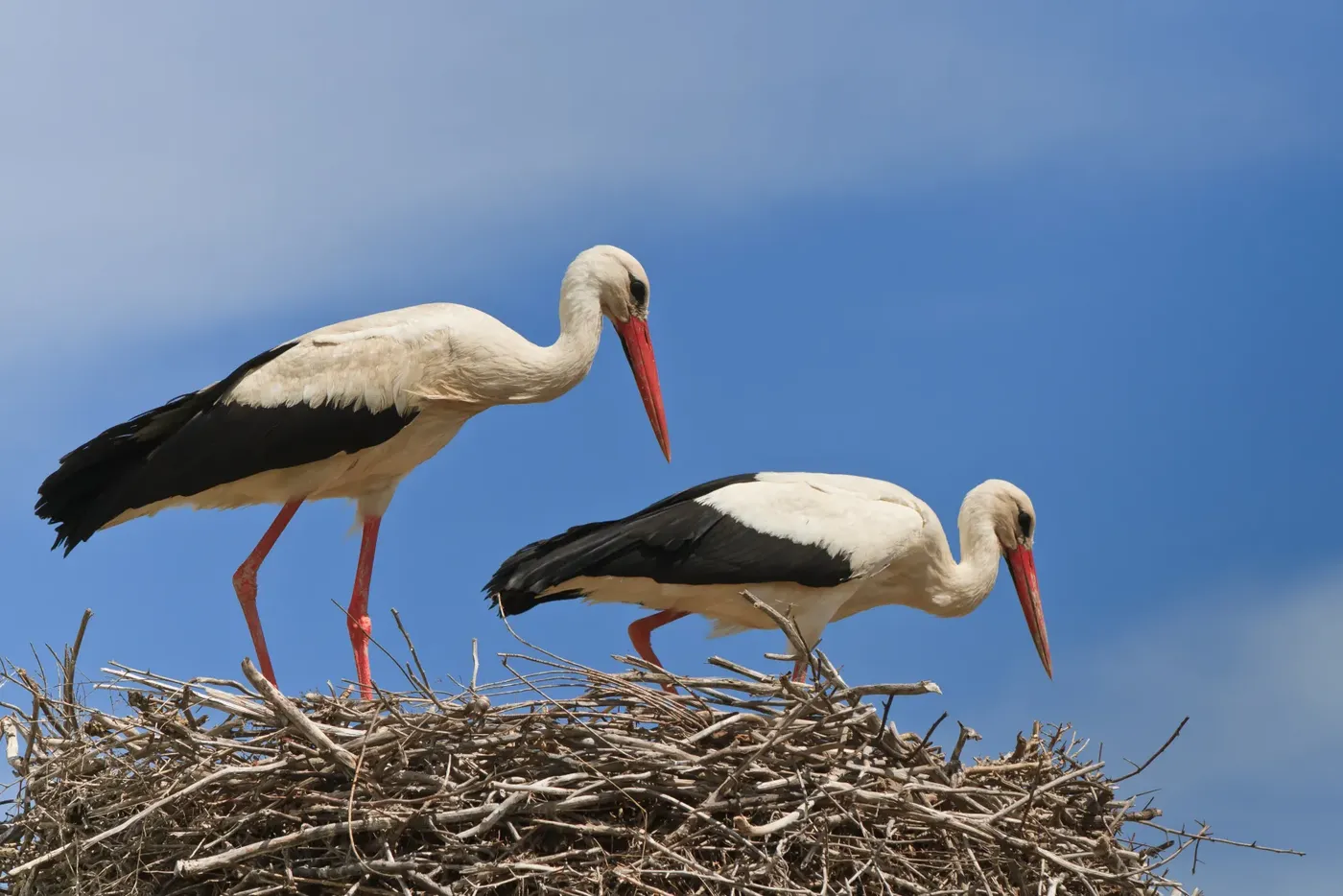
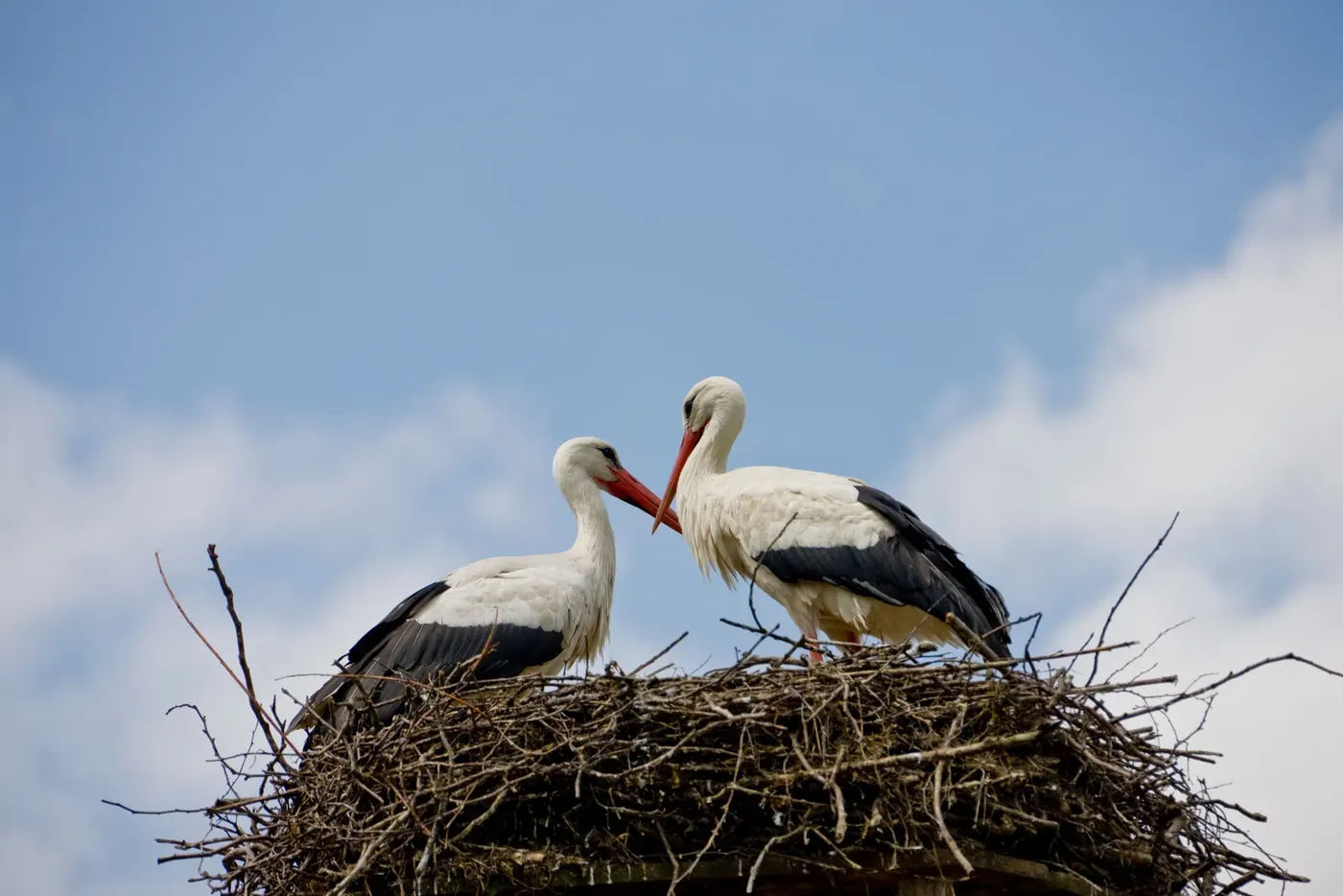
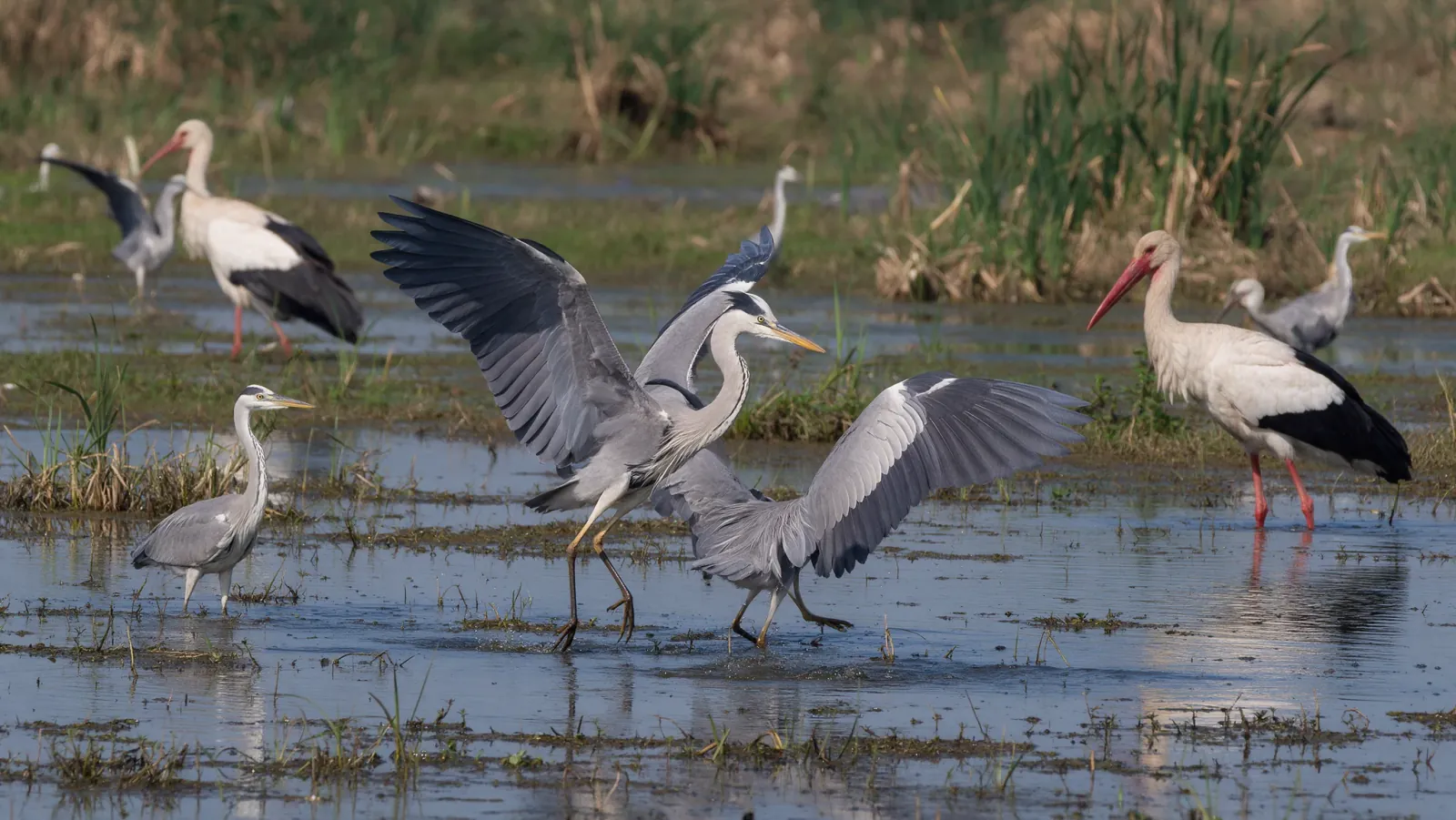
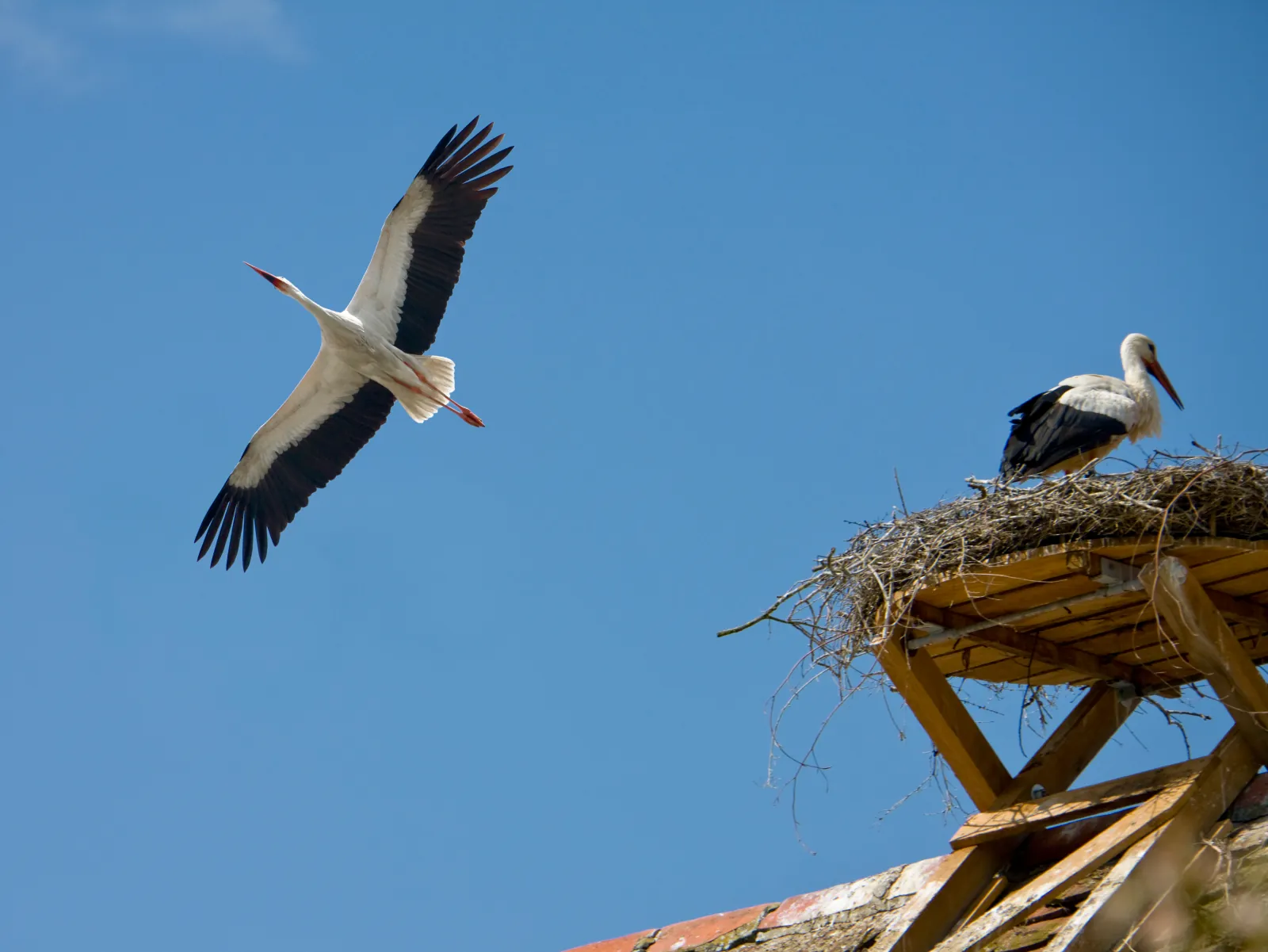
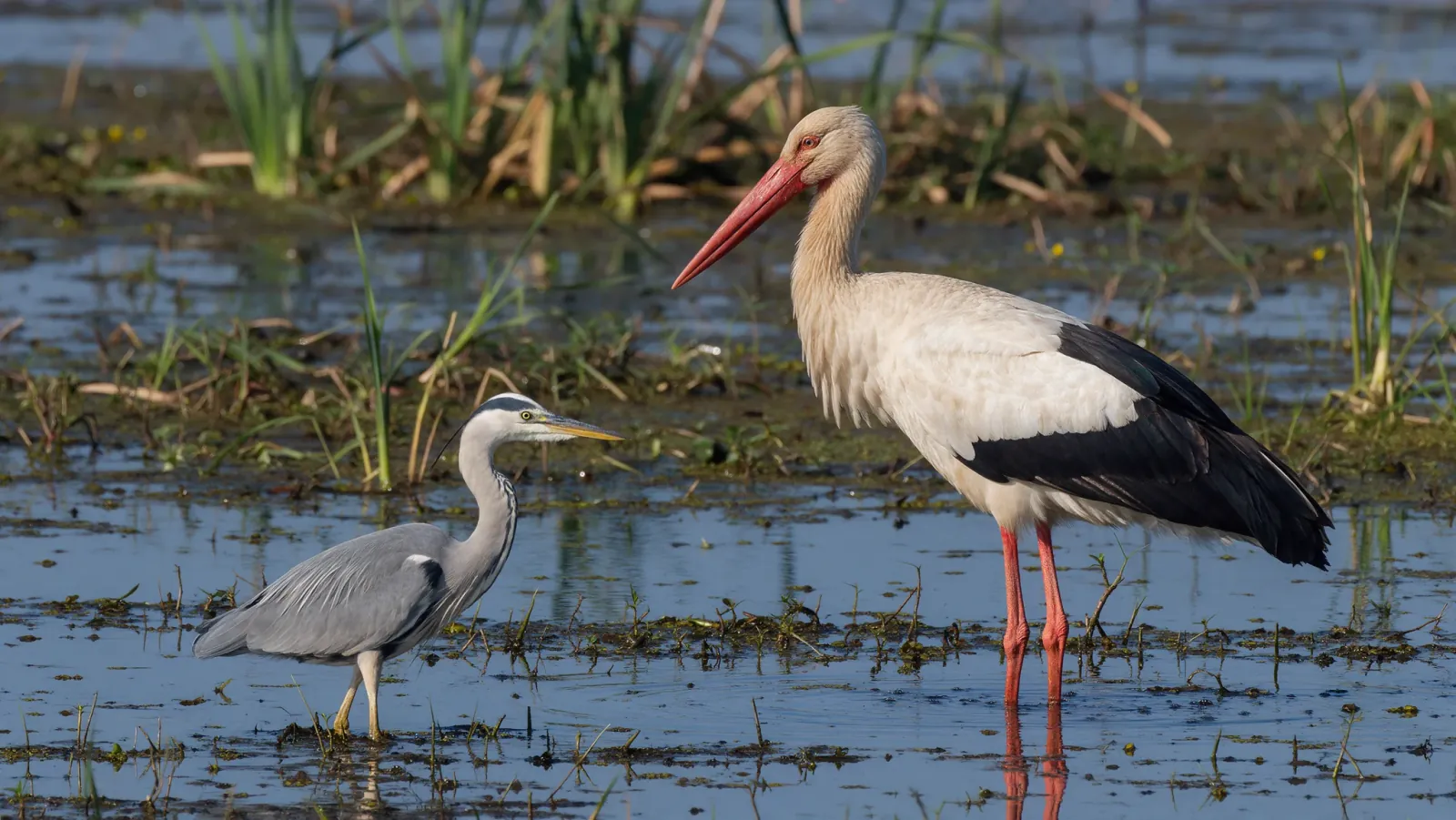
A white stork flies with its neck out and red legs trailing; an egret folds its neck into an S and hunts with a yellow bill.
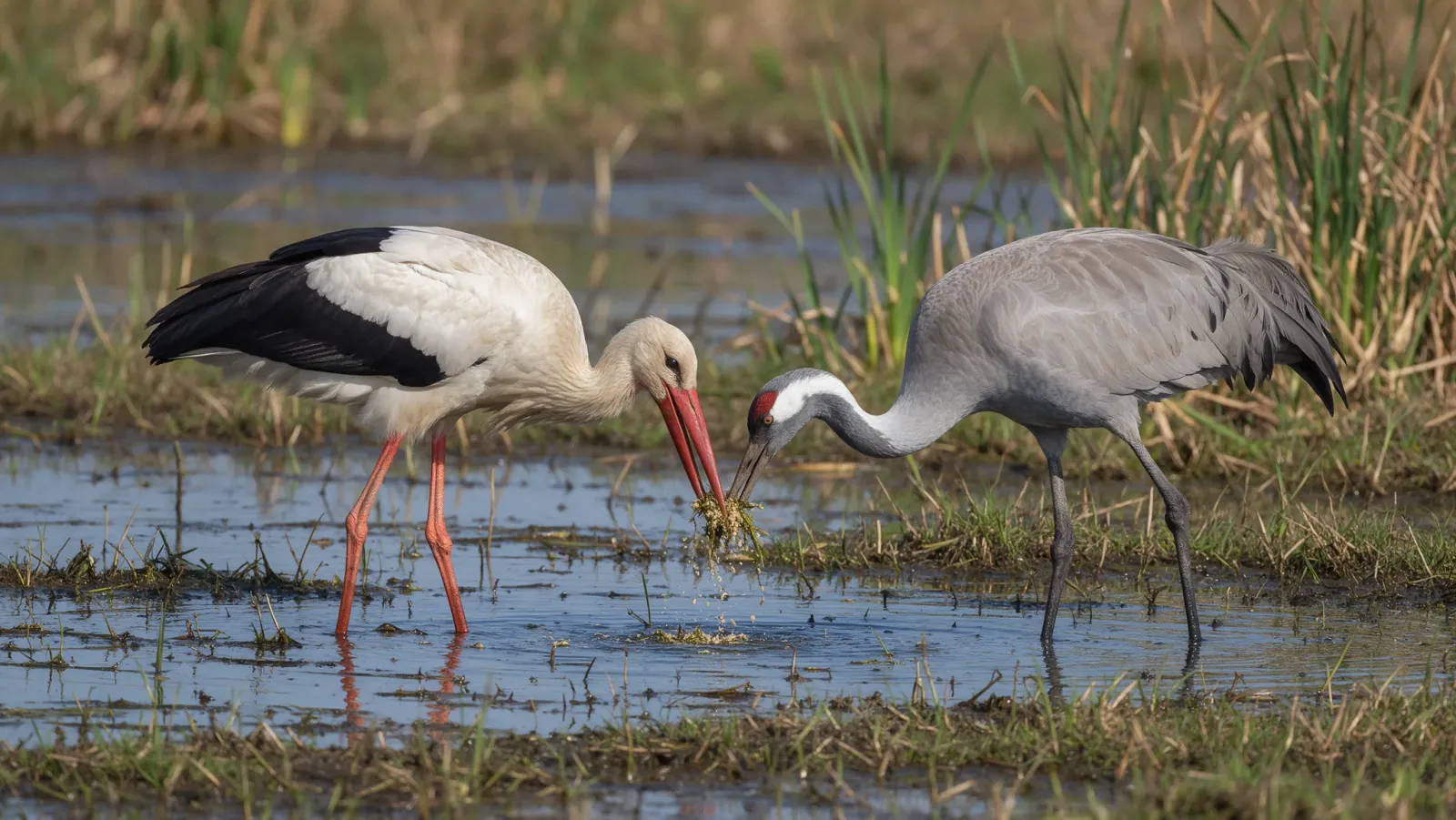
A pelican carries a fish net under its bill and swims to use it; a stork carries a dagger and walks the shallows.