Little beginnings. Wild journeys. Notes on a world worth growing up in.
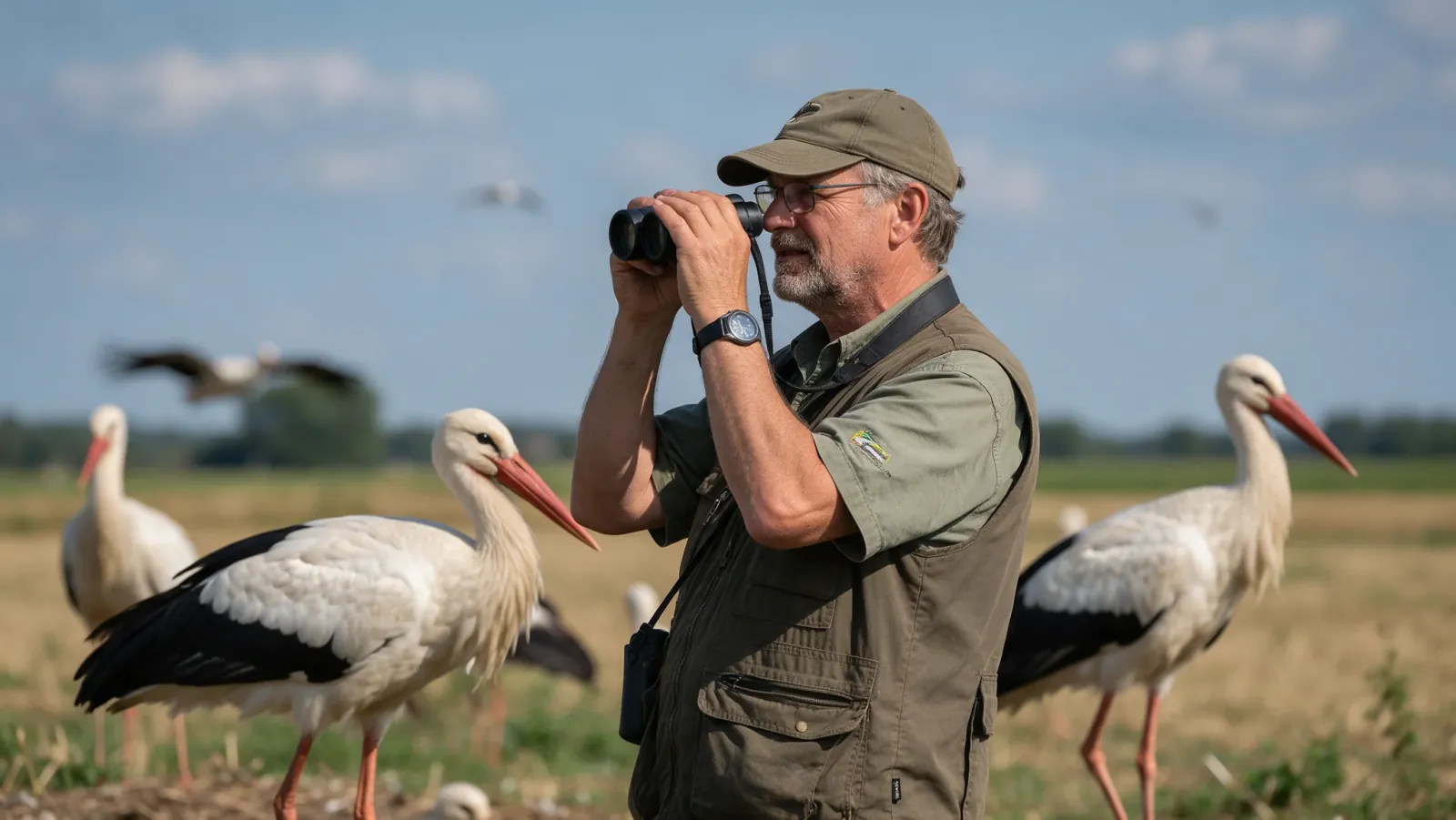
A ring on a leg, a nick in a feather, or a bird that always feeds near the road turns a species into an individual.
From the first March arrival to the empty winter nest, one local field gives every month a specific thing to look for.
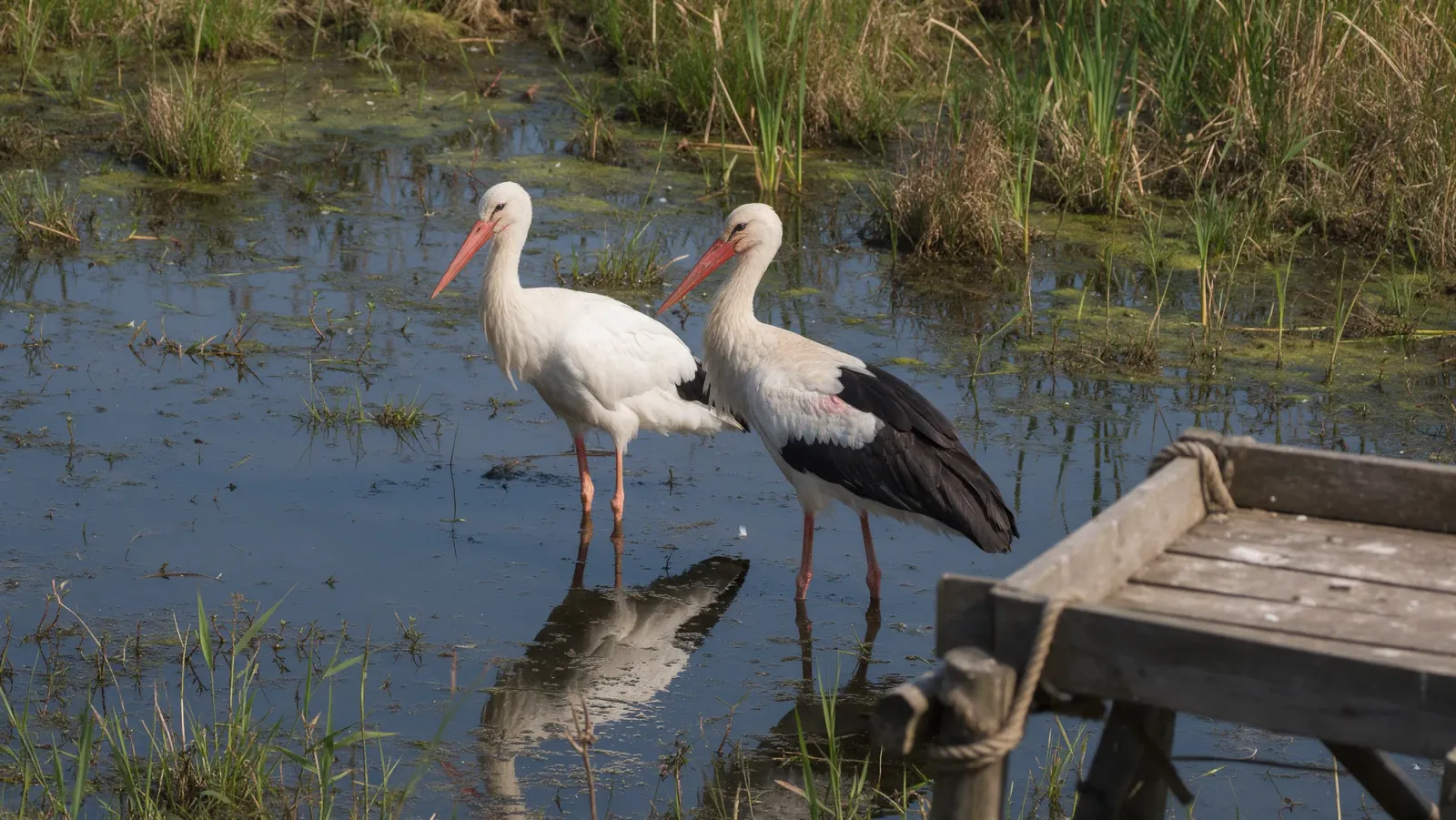
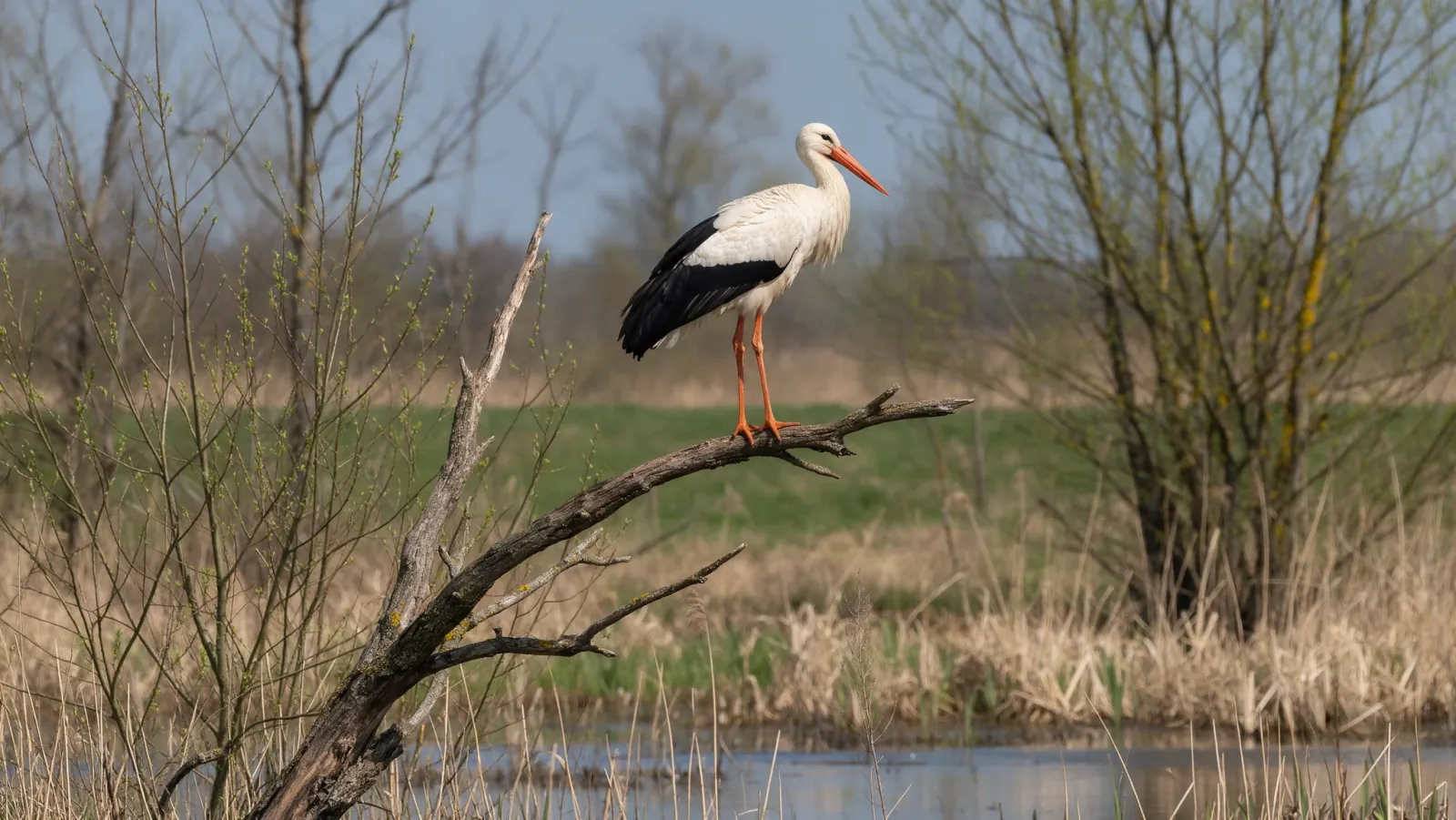
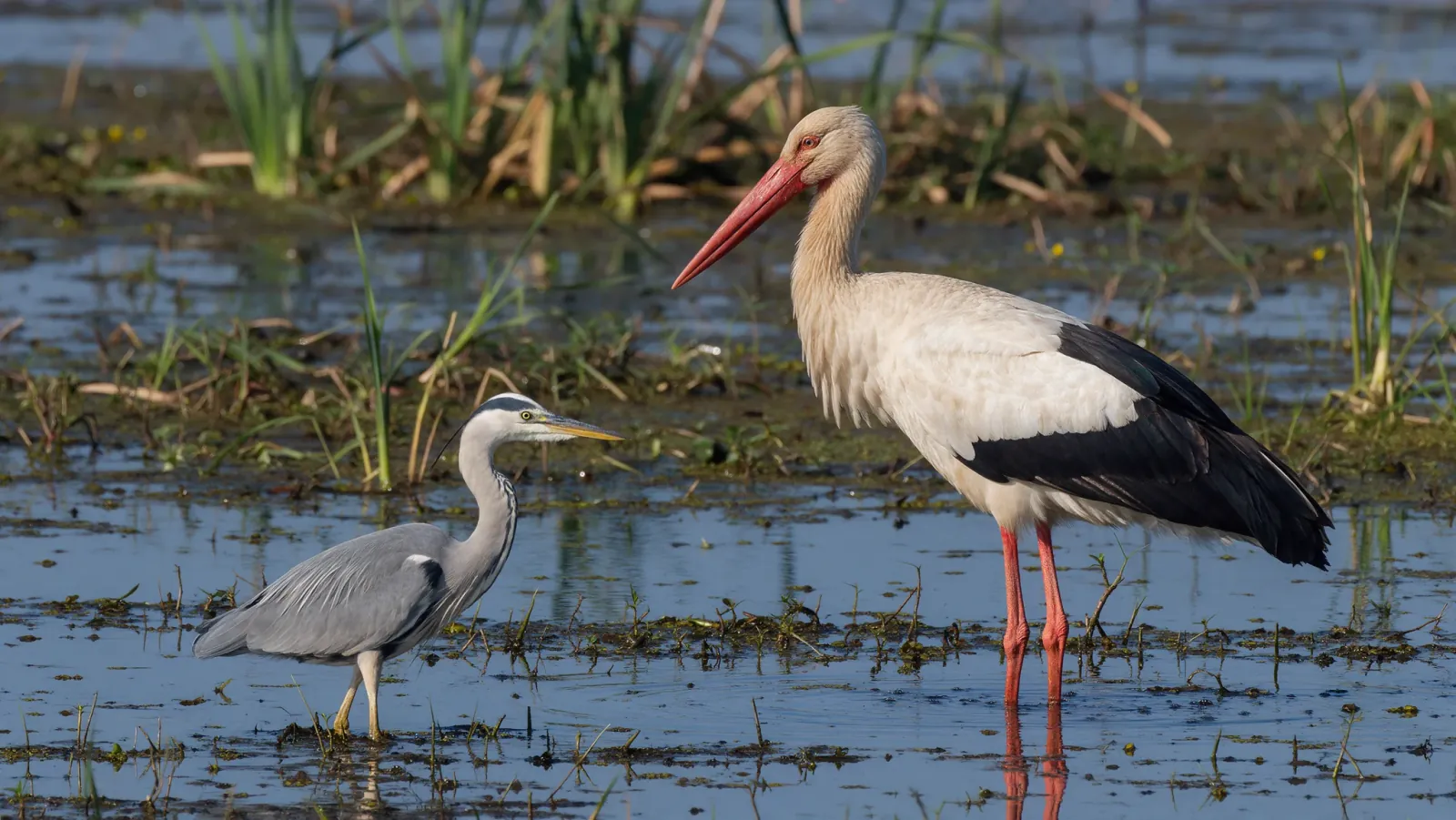
The first white stork usually appears over wet lowland in late February, weeks before the nests fill and the colony gets loud.
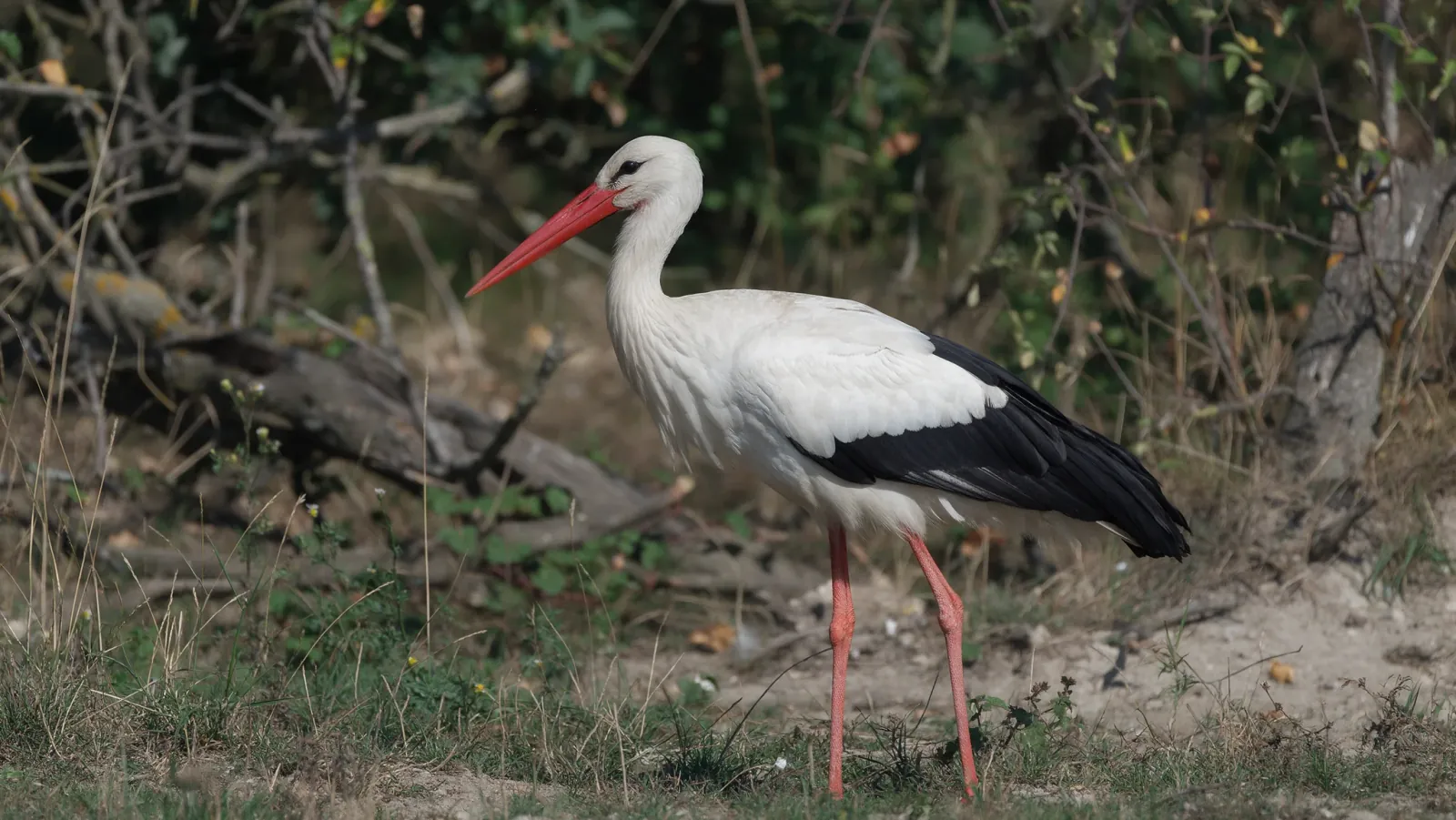
One white stork pair raises chicks on a chimney while another nests in a river valley, and both follow the same instinct south.
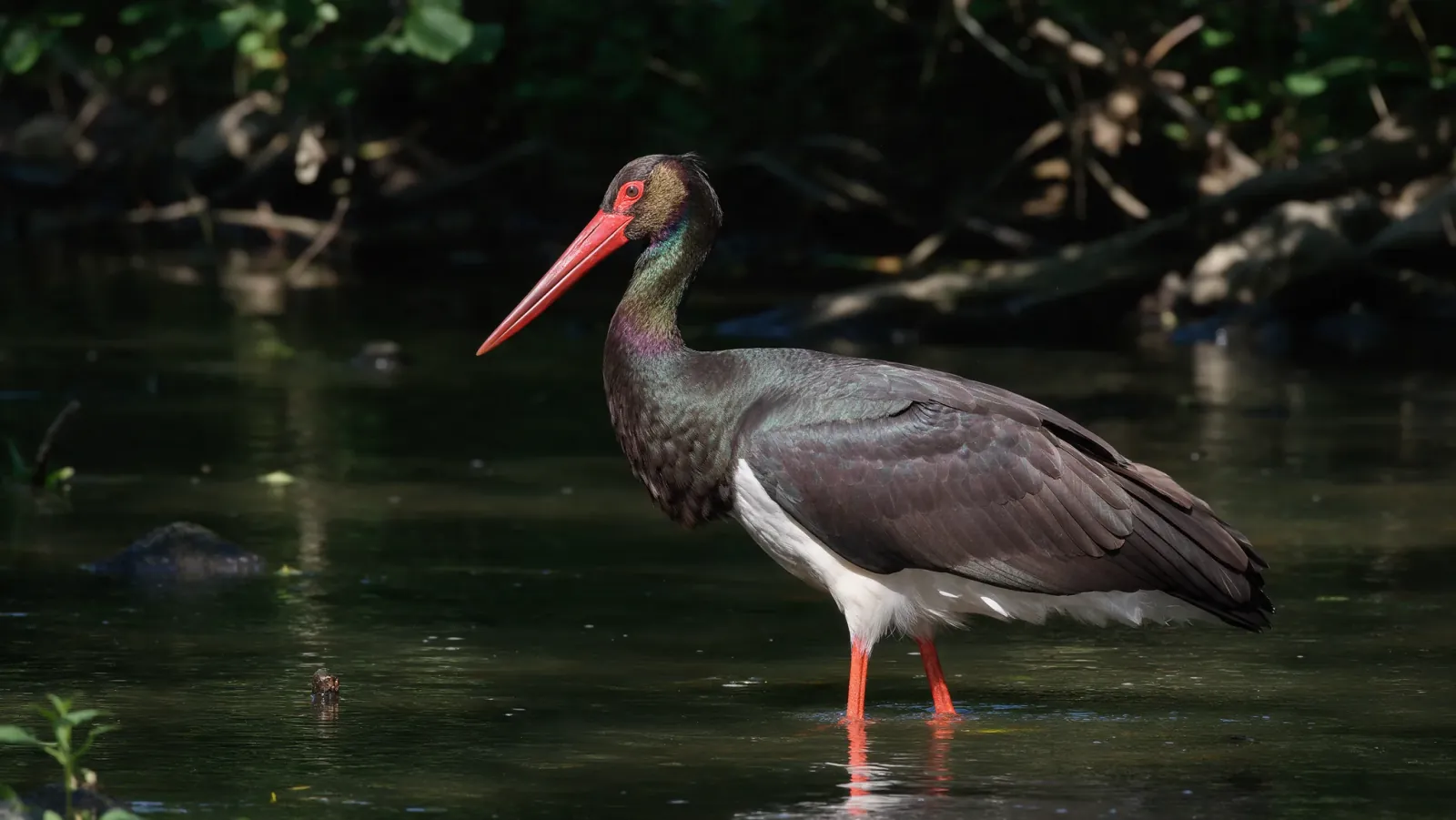
The black stork hides in old woodland, the woolly-necked keeps to shaded pools, and the saddle-billed hunts alone on African rivers.
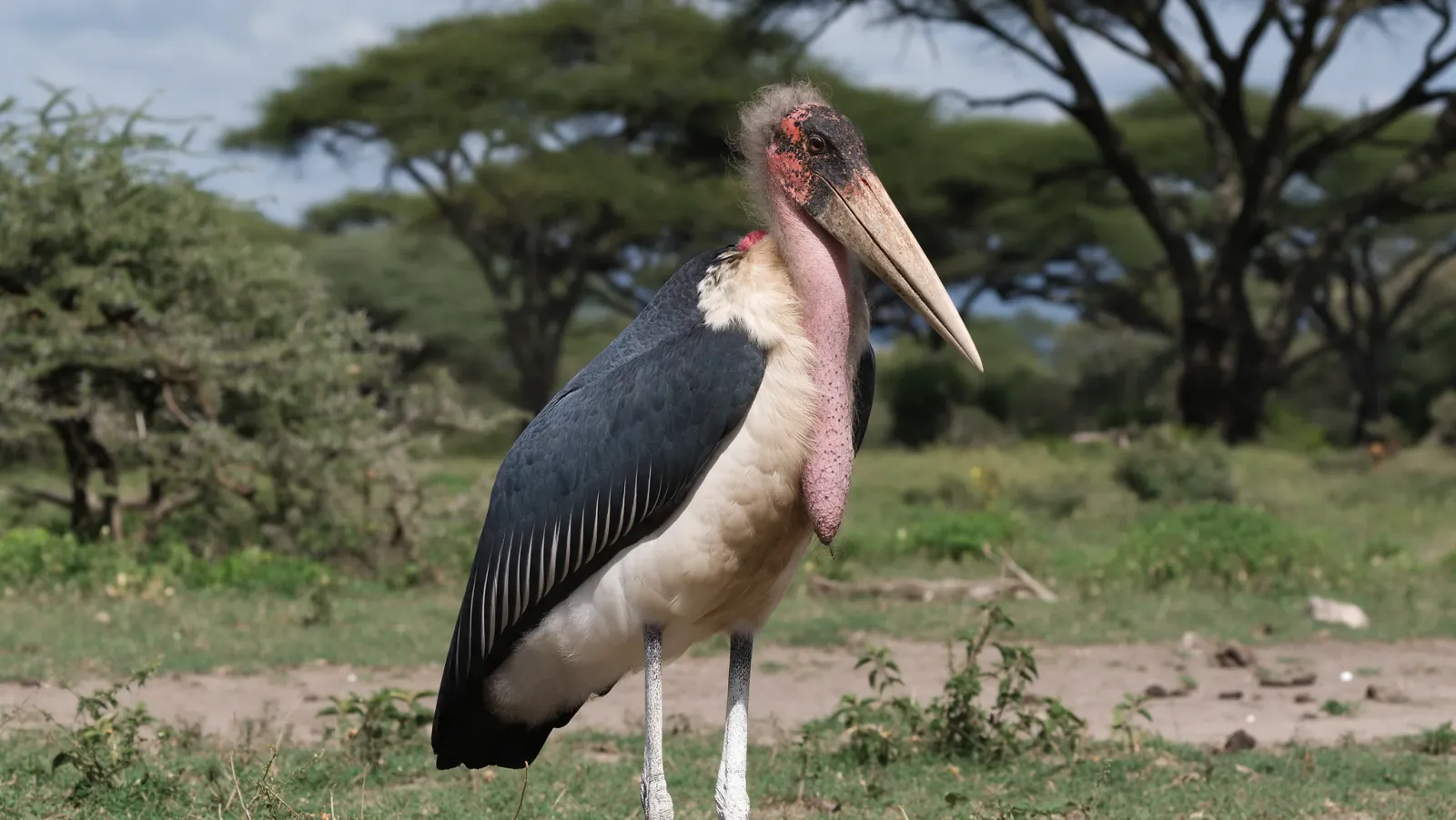
A scavenger that follows predators, the tallest flying bird in the Americas, and an African stork that fishes by touch.
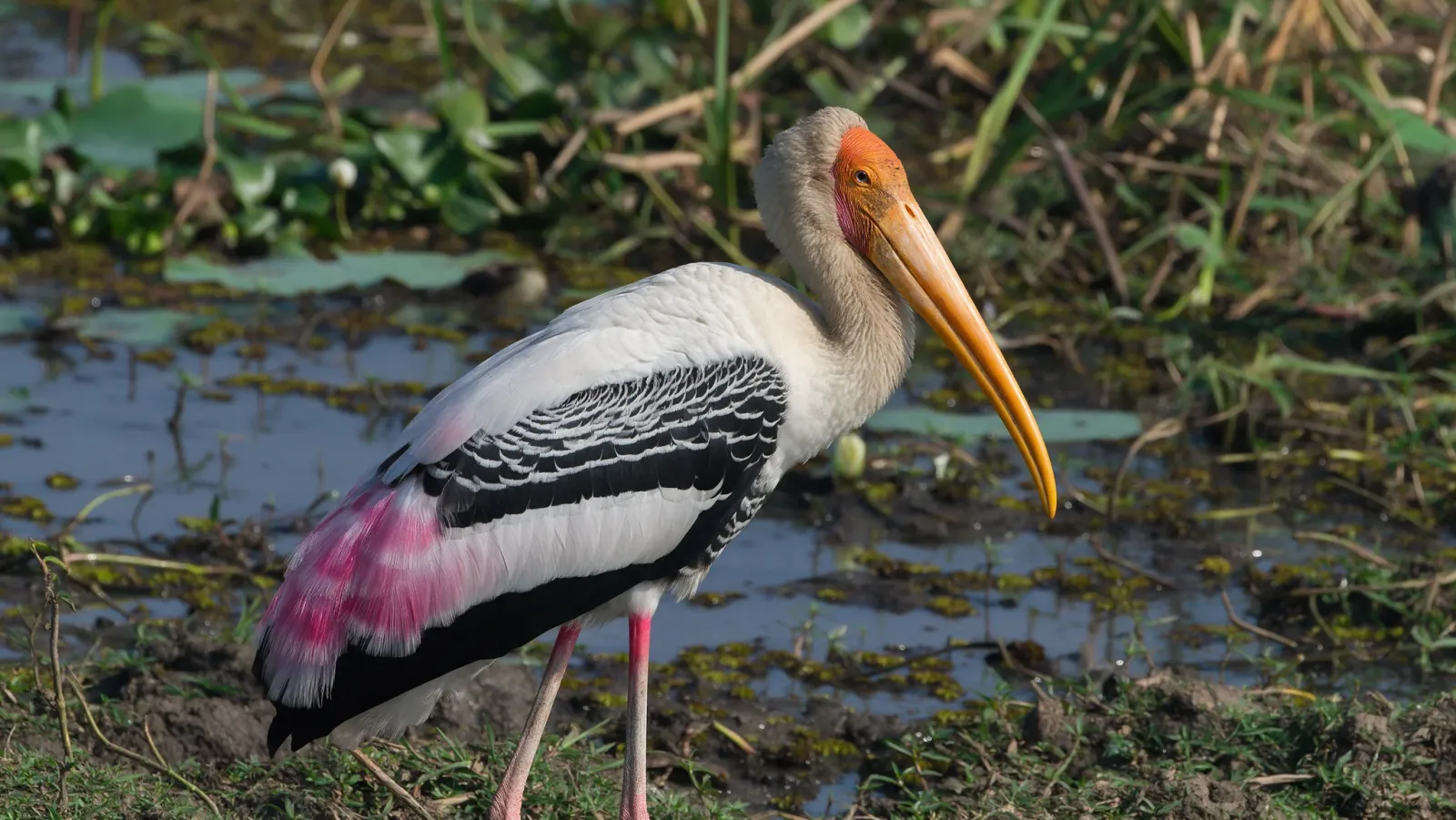
A pink-washed painted stork, a cream milky stork and a giant adjutant share Asia's wetlands, each with its own way of feeding.
Herons fold their necks in flight, ibises sweep the mud with curved bills, and the family tree puts both beside the stork.