Little beginnings. Wild journeys. Notes on a world worth growing up in.
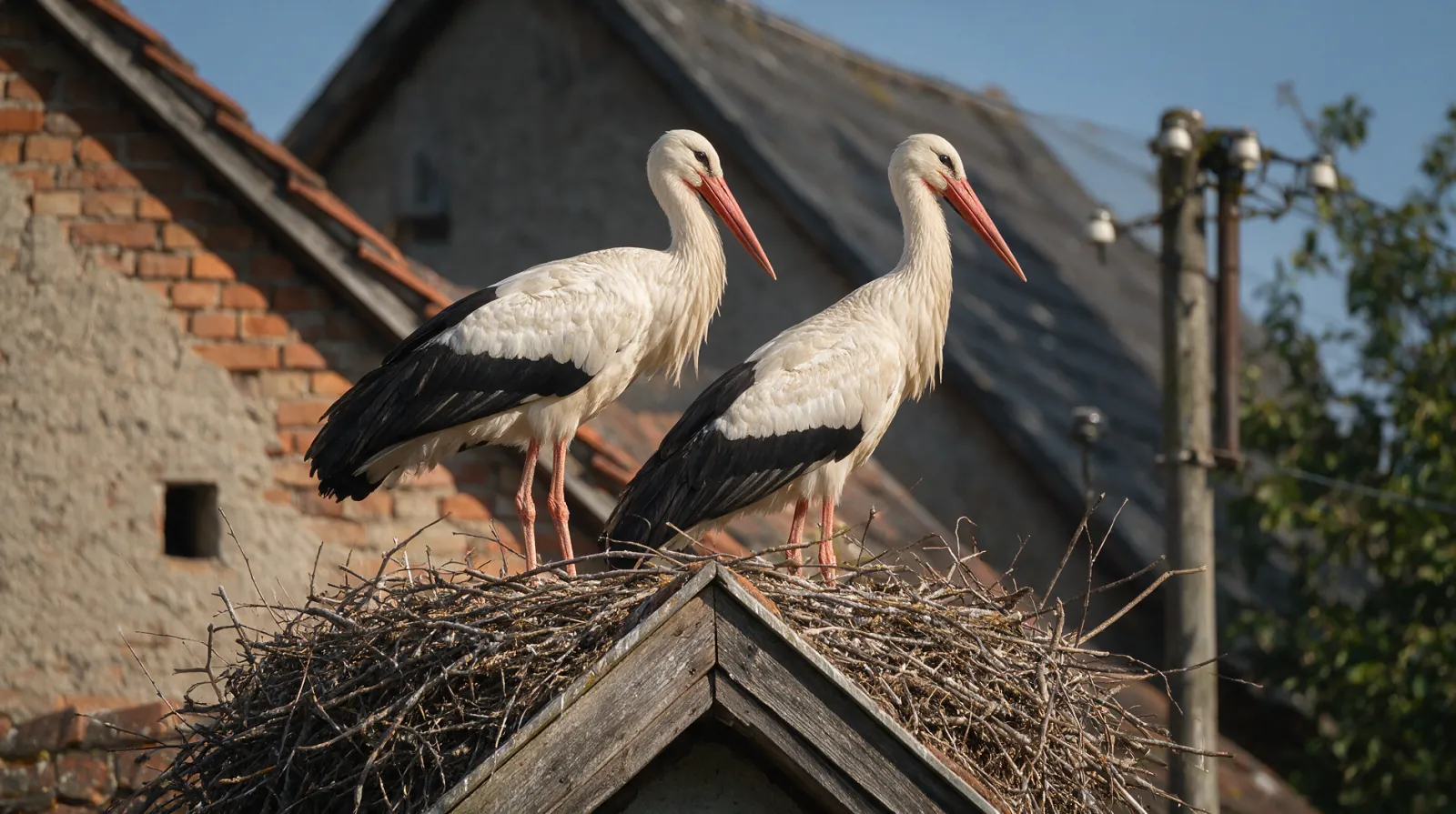
Two white storks land on the same roof each March, while some white storks now skip the journey south altogether.
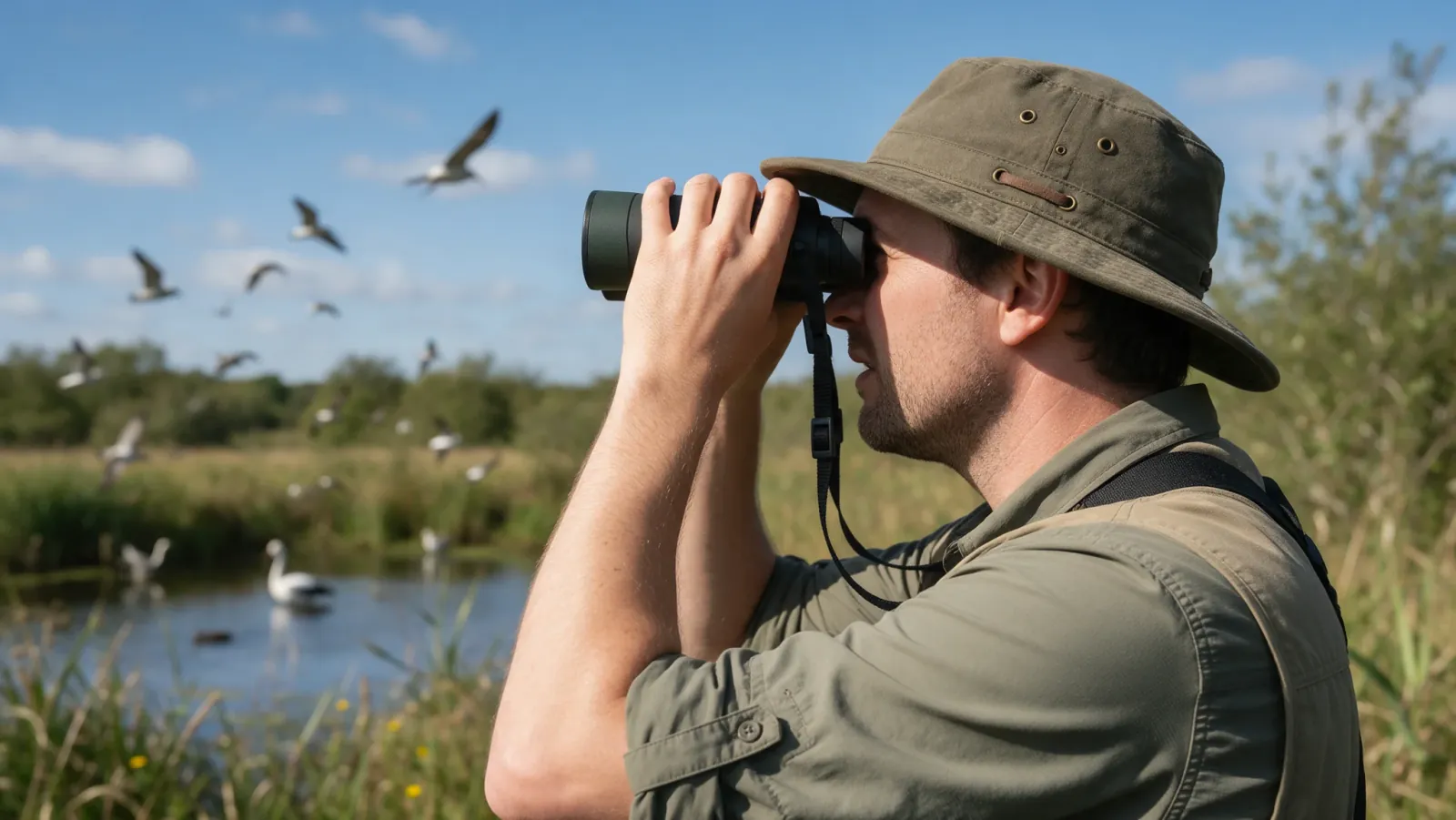
The two numbers on the barrel set how bright and how steady the view is, and 8x often suits storks better than 10x.
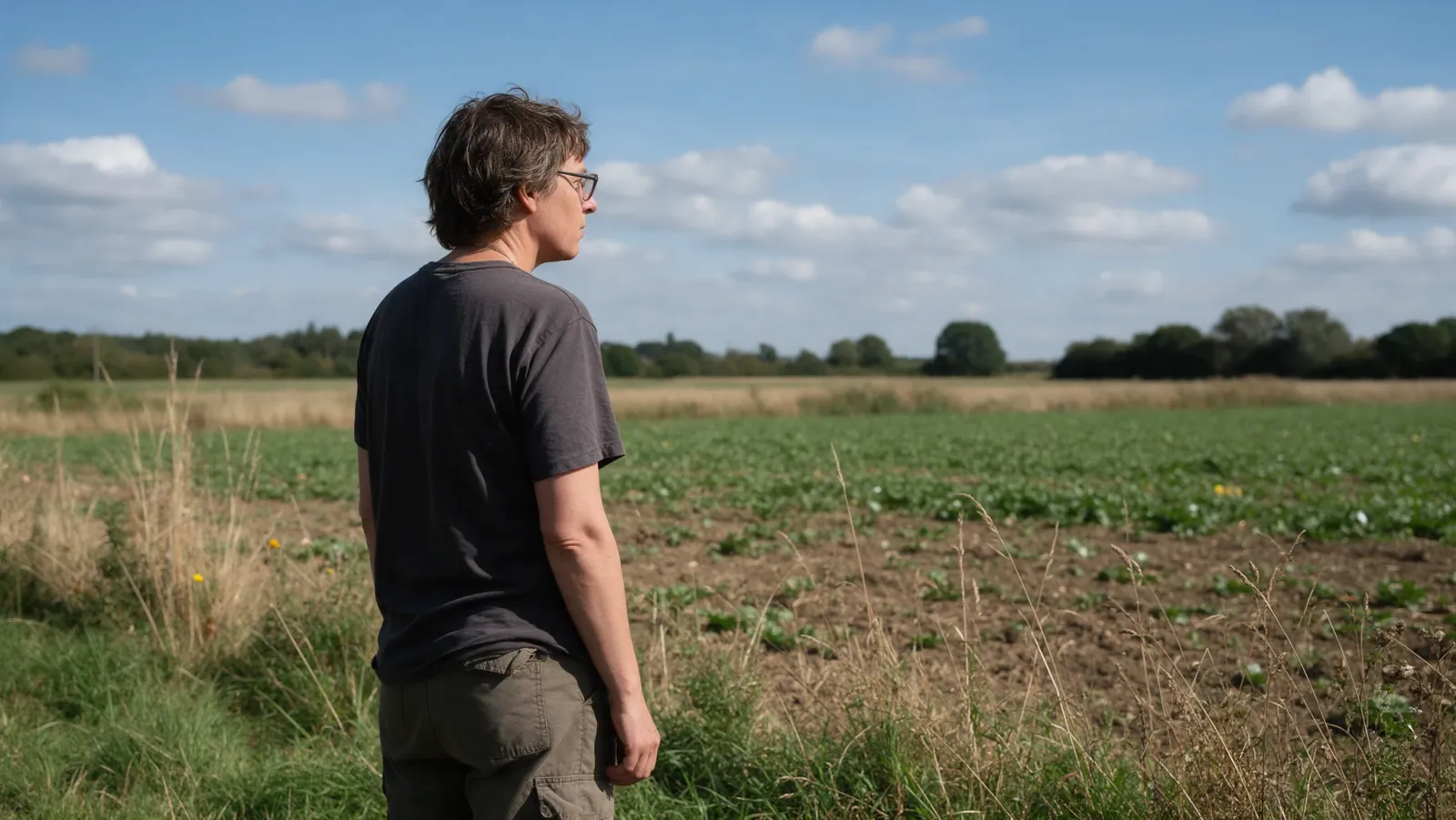
A stork notices movement before colour, so a watcher who plants their feet and waits sees the bird relax and feed.
The white stork has no song, so it throws its head back and snaps its bill to greet, court, and warn.
Warm ground, a steady breeze, and low sun tell you where white storks will climb and cross before a bird appears.
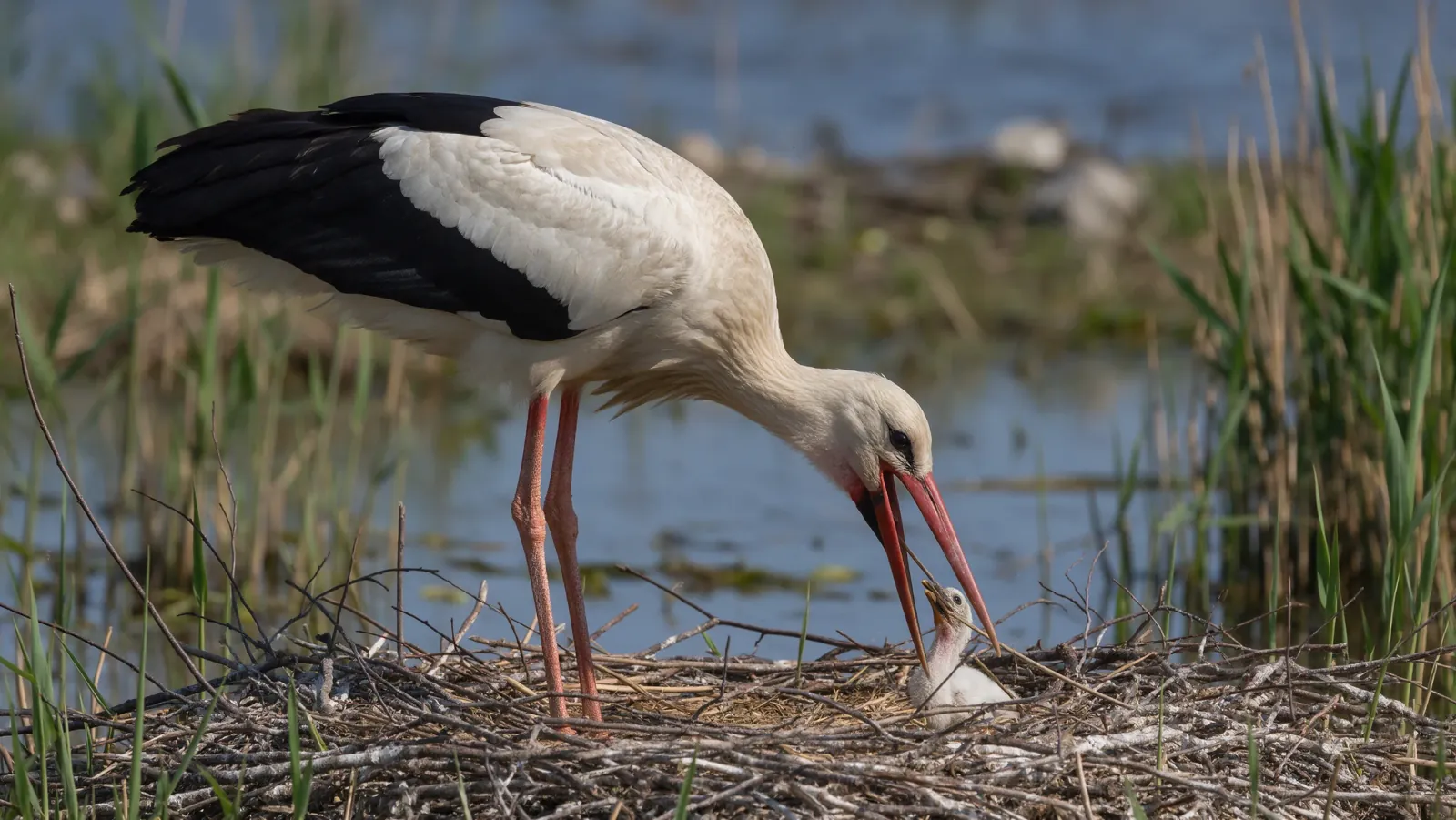
White storks nest on chimneys, church towers, and raised poles, often in wet lowland villages closer than you think.
Walking straight at the bird, forgetting the sky, and mistaking a heron for a stork are all easy to correct.
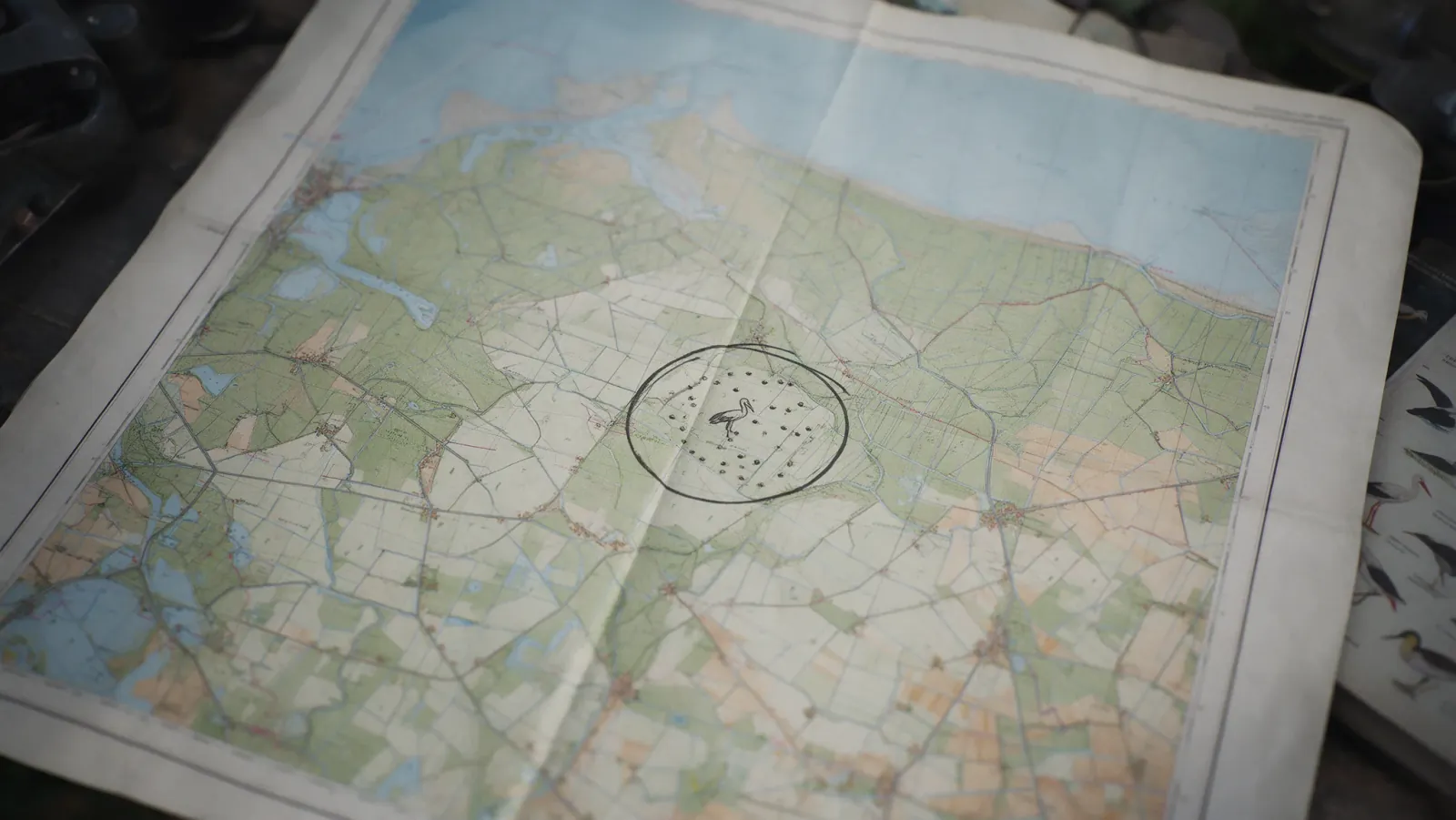
One visit shows you a bird; a season of visits shows the routine, the absences, and the day the first stork returns.