The best way to watch storks is to go back to the same place until you know the ground and the birds know your shape. One visit tells you almost nothing. Ten visits tell you where the storks feed and when, where the light falls, and which day the first bird of spring arrives.
The first visit tells you little
One afternoon shows you a bird in a place. It does not show you the routine. You do not know where the bird feeds at dawn, where it rests at noon, or which field it returns to. The same field on ten different days will teach you more than ten different fields on one day.
Keep a simple map in your notebook. Mark the nest, the feeding field, the roost, and the path you use. After a season the map is a portrait of the birds' year. Add the date of each change, and the map becomes a calendar too. A few lines and arrows will do. You do not need to be neat.
Small changes
The water rises after rain and falls in a dry week. The birds move from the north field to the south. One bird disappears and another arrives. The changes are the news. You only see them if you were there yesterday. The first time you notice a difference that was not there before, the watching has begun in earnest.
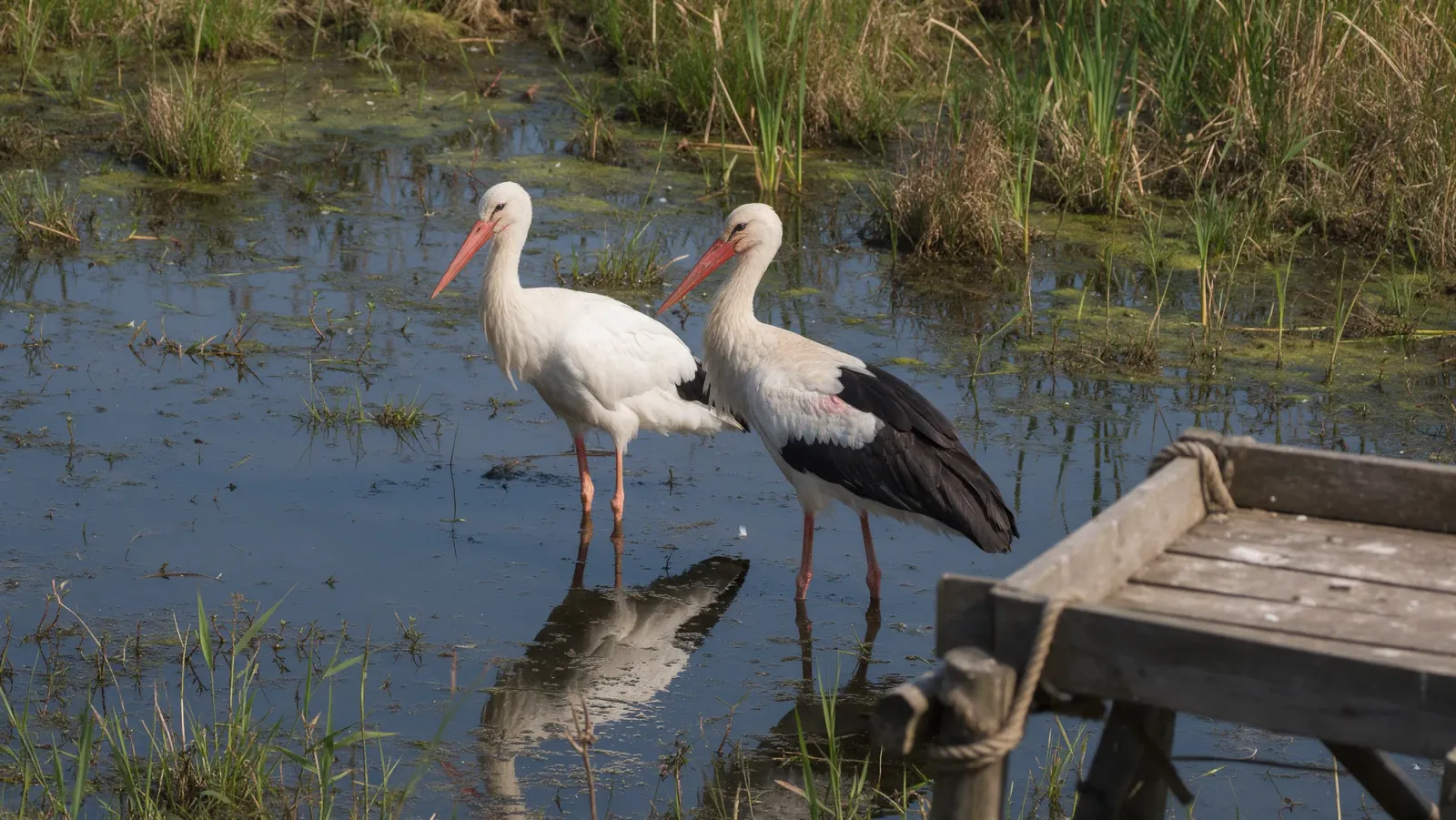
Storks keep hours. The same pair feeds in the same shallows in the morning, rests through the heat, and moves again in the evening. After two weeks you know where to stand without thinking. Routine turns searching into visiting. The birds grow used to a quiet watcher who keeps the same distance. They do not tame, and they should not, yet they stop treating you as news.
The routine is not rigid. Weather moves it, and the birds shift by an hour or a field. You learn the wind each field prefers and the corner where the birds shelter. That flexibility is part of what you are learning.
The first bird back
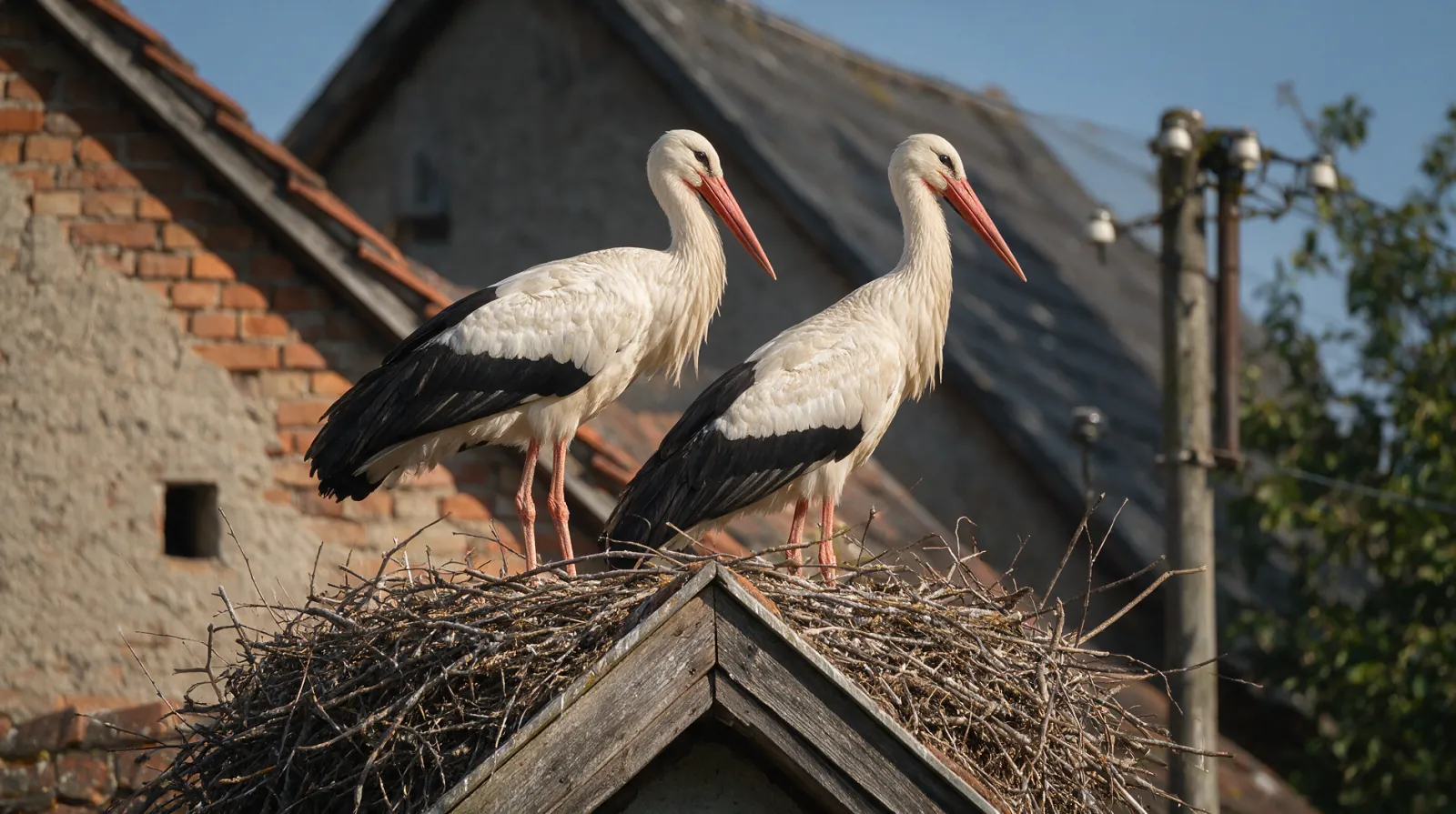
The day the first stork comes back to a nest you have watched empty all winter belongs to the person who kept returning. The return is the reward of the habit. It cannot be bought or rushed. You were there for the empty weeks, so the arrival is yours in a way that a first visit can never be.
Some days the field gives you nothing. The birds are elsewhere, the weather is wrong, or the light goes early. Write it down anyway. An empty visit is a data point, and it makes the good days mean more. An empty week is a line in the record. A short visit every week beats a long visit once.
One event, written the same way
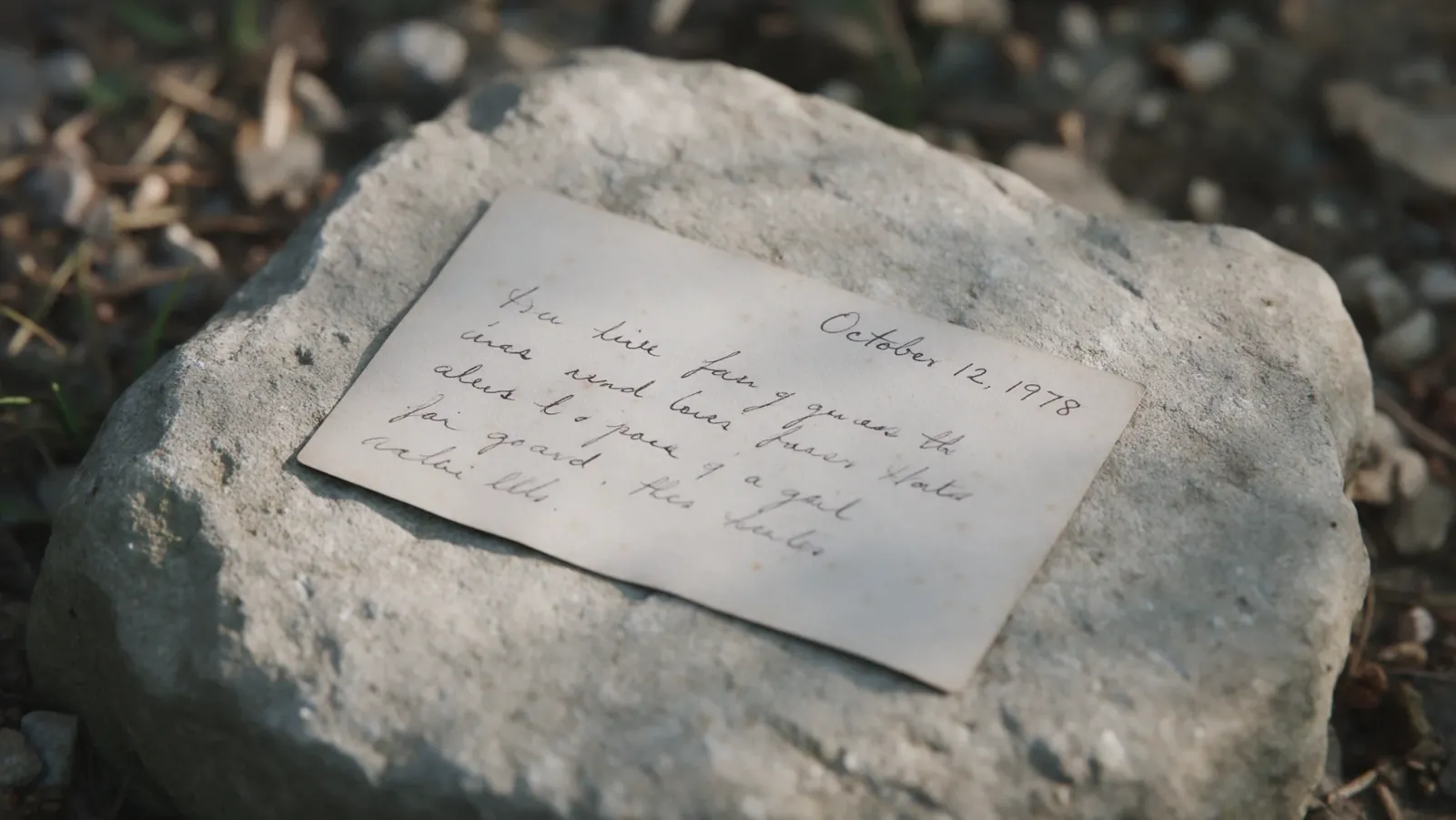
The date a stork returns is the simplest thing you can write down. A single date is a note. A run of dates across many springs becomes a local record of how the season moves in the one place you watch. Choose one event and stick to it. It might be the first stork seen flying over the village, the first bird standing on the home nest, or the first clatter heard in spring. Consistency is worth more than precision. Write the rule at the top of the page. A rough date kept the same way for ten years beats a perfect date kept once.
Note the wind, the cloud, and the temperature on the day. A warm south wind often brings the first birds; a cold snap can hold them back. The weather turns a date into a reason. In a few years you will see the same conditions producing the same kind of arrival.
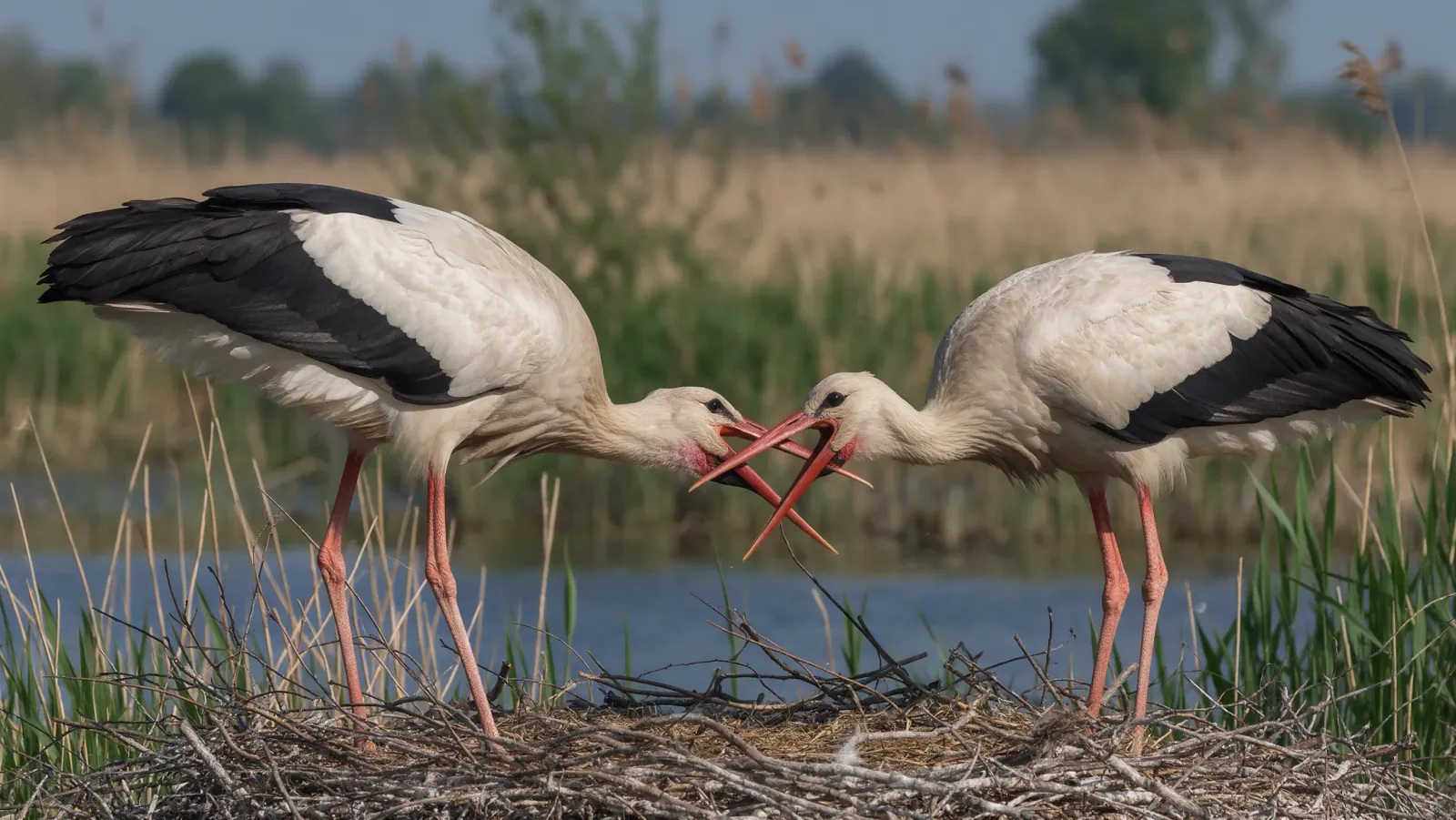
The first stork back is often a single bird, and it may be the male returning to the nest he held last year. The pair forms later, and the gap between the two dates is its own small fact. Note both if you can. Ask a friend in the next village to keep the same note, so you can tell whether an arrival was local or widespread. Two pages, kept the same way, show whether an arrival was local or passed through the whole district. Keep the method simple so others can join.
Keep the record somewhere you will find it. A page at the back of a field notebook, a note on a phone, or a line in a diary all work. Add the year, the date, the place, and the first thing you saw. Do not wait until the evening to write it, because the details fade. The best record is the one you actually keep.
The dot and the line
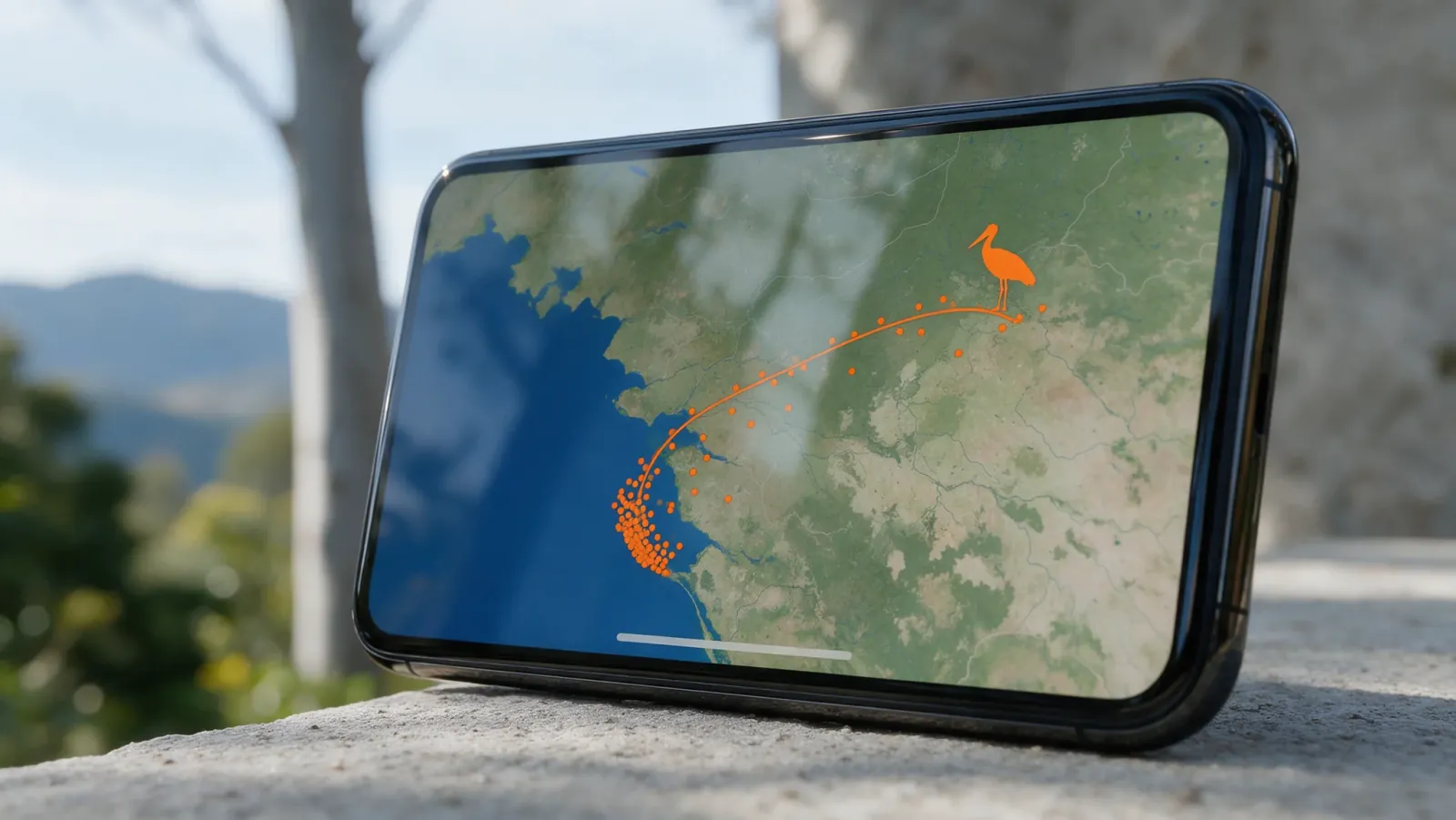
A tracker app shows a stork the way a map shows a road. Somewhere a white stork carries a small device or a ring, and the signal arrives on your phone as a dot with a line behind it. The dot is the last known position, and the line is the path the bird has travelled. The line is the bird's recent history. On a still day the dot hardly moves, and the bird is resting or feeding. On a travelling day the line stretches a long way. The map is a window, and the bird is still outside. It turns a faraway bird into a daily habit, and the habit is what makes the migration real.
The scale is what surprises. A bird you watched on a chimney can be hundreds of miles away, and the map holds both places at once. The line also shows the places the bird avoided. A pause at a river may be a wait for the wind to turn, or a stop to feed. Read the pauses as carefully as the flights. A bird that stops for several days is waiting for better air or feeding hard before the next leg.
Weather shapes the timing. A headwind holds a bird, and a tailwind pushes it on. The map shows those decisions as gaps and long runs. A tagged bird is one bird, and the map is one story. It shows the route and leaves the life to your imagination. The line also shows the distance between two known places, and that distance is the part that stays with you.
What a tag cannot tell you
One tagged bird says nothing about how many storks crossed the same week, or whether this bird is early or late for its kind. The tag is a starting point, and the colony is the larger truth. Only some storks carry tags, and a tag can fail or fall silent. A gap in the line may mean a dead battery, a lost signal, or a bird that has moved out of range.
The map cannot show the bird's condition, the weather it flew through, or the nest it is returning to. Follow the dot on the flock page, then close the phone and go outside. The bird is still there, on the field or the roof, and the field is where you see it.
The habit is the method. A short visit you can keep beats a long visit you manage once. Start this spring, and the page will fill faster than you expect.
Explore the gift