To a new watcher, every white stork looks alike. A big white bird with black flight feathers and a red bill looks much like the next. Then the weeks pass, and the birds stop being a species and start being individuals.
Size and stance
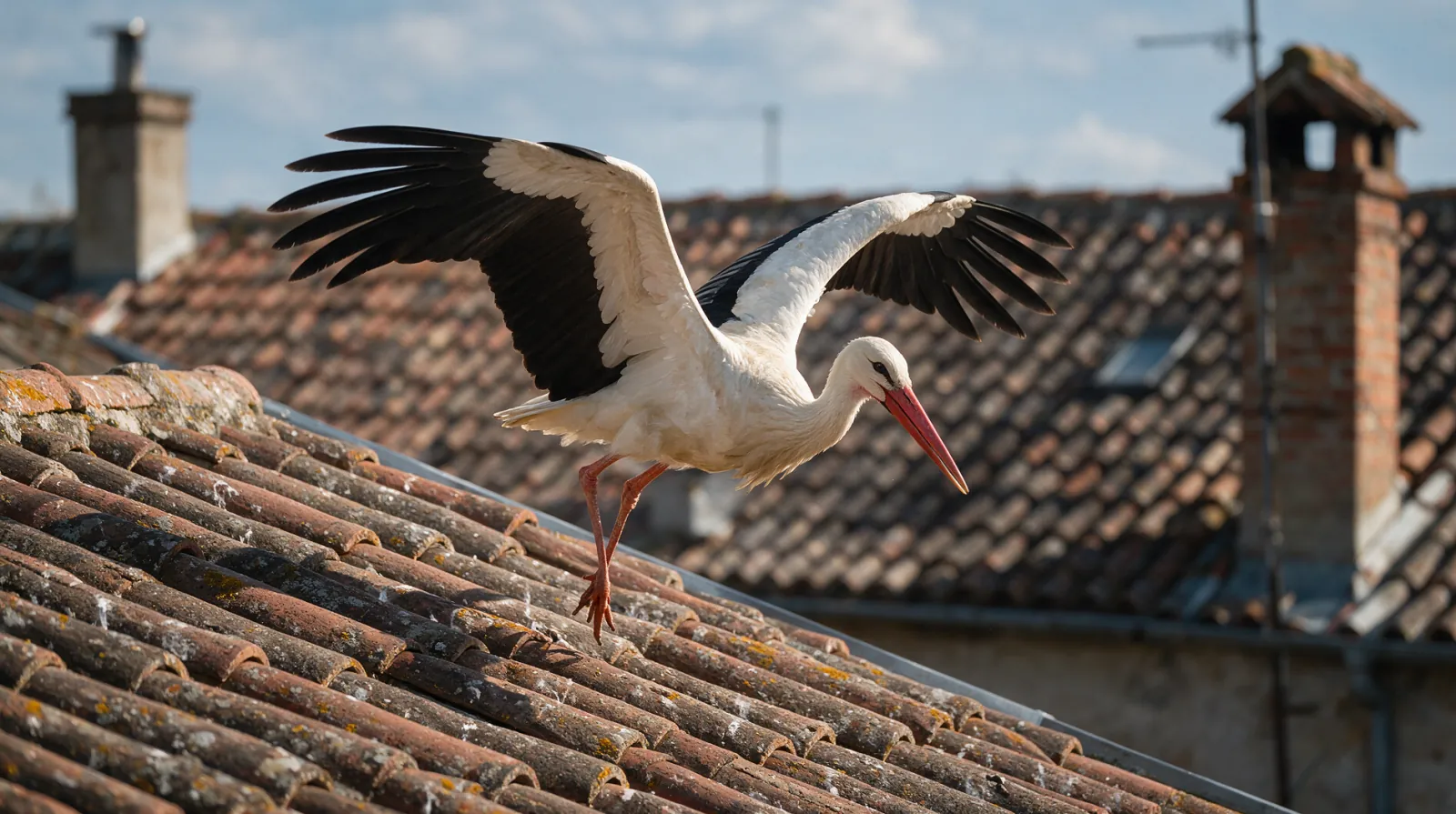
A female white stork is usually a little smaller than her mate, and the difference shows when the pair stands together. One bird holds its head higher; one is bulkier. Comparison is the beginning of recognition. A single bird is hard to size, but a pair gives you a scale. Stance matters too: the way a bird stands on one leg, the angle it holds its neck, the height it prefers on the nest. The difference is easiest to see at the nest, when both birds are close.
A pair also gives you a pattern of arrival. One bird often reaches the nest first, and the other follows. Watch which one stands while the other lies low. Those small differences become the first handles you have on a bird.
Marks and rings
A missing feather, a worn patch, a stain on the white, a ring on a leg. A ring is the clearest mark, and it can turn an anonymous bird into a known one. Look at the legs every time. Some storks carry a metal ring, some a coloured band, and a few carry a small tag. Note the colour and which leg. A ring is only useful if you can read it, so a scope helps. Note the colour even if the number is out of reach, and take a photograph if you can. A ring you cannot read still tells you the bird has been handled and recorded.
A mark you notice once may be there all season. Compare it on the next visit, and the mark becomes a way to know the bird again. Behaviour separates birds more reliably than markings. One feeds near the path; another keeps to the far field. One waits before every strike; another strikes fast. A habit is a signature. Learn two habits and you can pick your bird out of a flock.
You can call one the Long One and another the Early Bird. The names are for you, and the bird never hears them. A name is a handle for attention. A named bird is watched more closely, and the watching gives you the details.
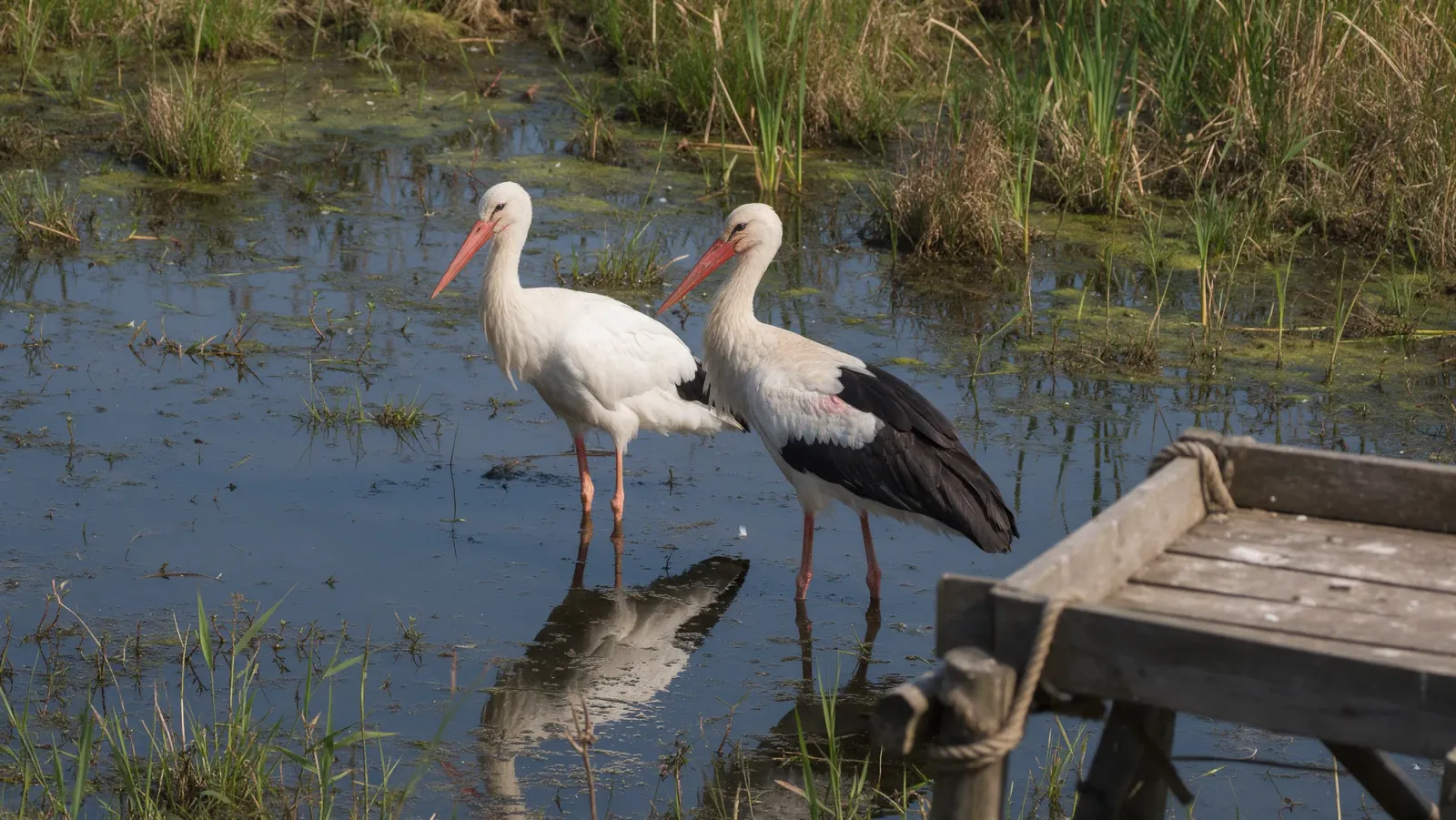
The pair as a unit
Recognition gets easier with two birds in view. Watch how they meet, which one arrives first, which one clatters longer. The pair has a pattern, and the pattern repeats. Two birds make a shape you can learn. When one is missing, you notice at once, and the empty nest tells you something has changed.
The greeting is the clearest signature. Watch who clatters first, how long they go on, and whether one bows deeper. After a few mornings you can identify the pair from the sound alone, before you see the birds.
Recognition does not give you the right to crowd. A bird you know is still a wild bird, and it needs the same distance. Familiarity should make you gentler. Keep the line you kept when it was a stranger.
Drawing is a way of looking
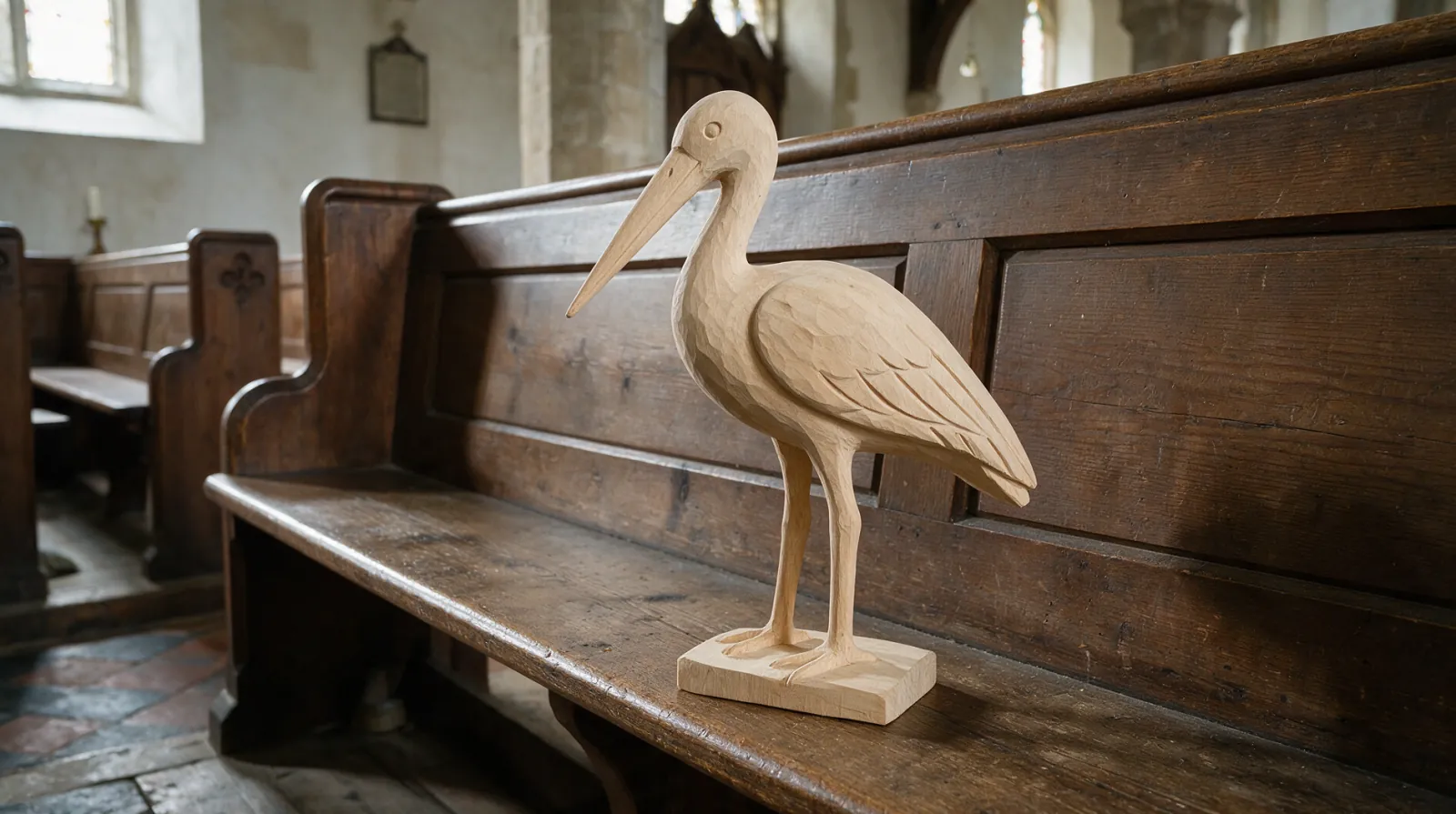
A camera records everything and selects nothing. A pencil selects constantly. Every line is a decision about what matters. When you draw a stork, you notice the angle of the bill, the bare red skin around the eye, the way the white of the body meets the black of the wing. The bird becomes specific. It stops being a stork in general and becomes the one standing in front of you.
Begin with the big shape. Draw a long curve for the neck, a soft oval for the body, and two lines for the legs. Get the proportions roughly right and the bird will begin to appear. A stork is mostly neck and leg, with a compact body between them. Proportion carries more likeness than detail. Leave the feathers, the eye, and the bill for last. A drawing is finished when the shape is true and the feathers are still loose. The drawing may be poor, and the looking will be better. A page crowded with detail can hide the stork inside it.
Catching a moving bird
A stork will not hold a pose. It shifts, preens, steps, and strikes. Draw quickly and loosely, and accept that the bird will move before you finish. Catch the gesture of the moment: the reach of the neck, the lift of a leg, the angle of the head as it watches the water. A few honest lines beat a careful outline of a bird that has already gone.
Leave the far wing as a suggestion and the background blank. The eye of the viewer fills the gaps, and the bird looks more alive for it. Draw the same bird on two different days if you can. The second drawing will be better, because you will remember the shape and look for what you missed. Write the date and the place beside the drawing. A drawing with a date is a small piece of evidence.
Keep the bad ones. A year of bad drawings is a record of a year of looking, and the improvement will surprise you. The sketch you dislike today shows you what you learned. The value is in the practice, and the page is only the record.
The empty field
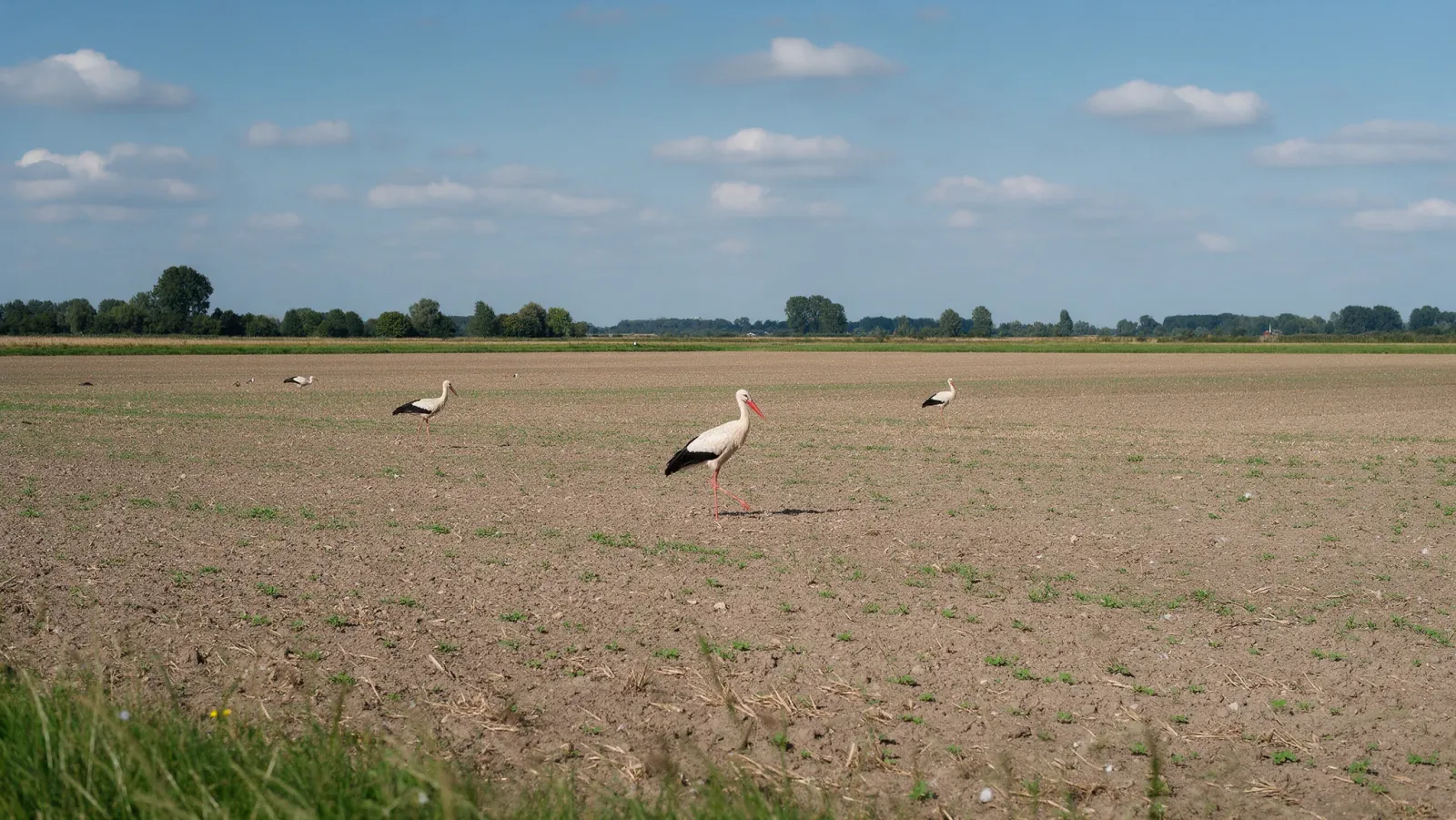
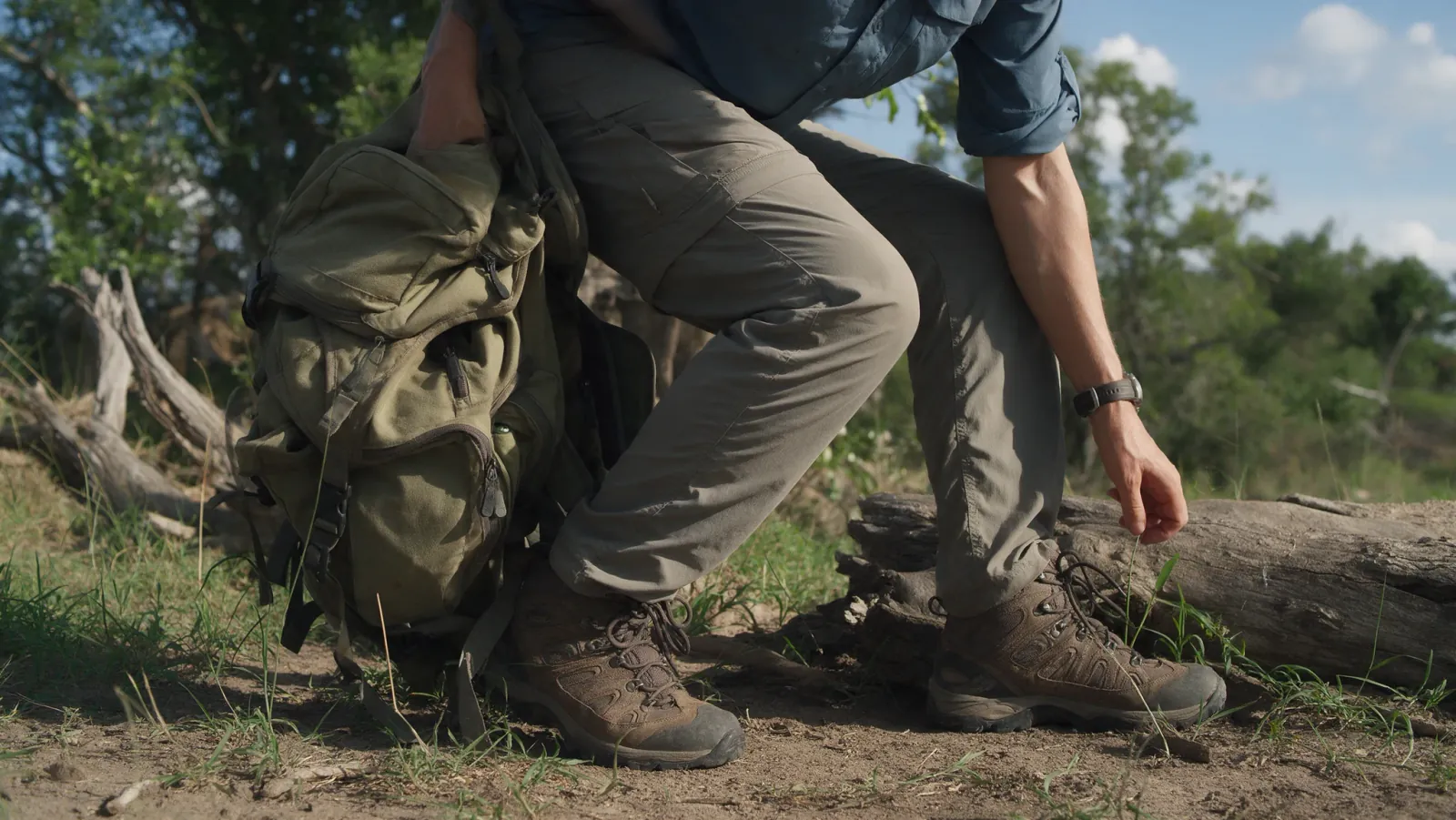
Some mornings you go out and find nothing from the first grey light until you walk home. Those days do more for your eye than the mornings when a bird lands close. If you are new to this, standing still is worth learning first. Stand at the edge and look at the ground as if a bird were already there. White storks feed in shallow water, wet grass, and the muddy margin of a ditch, so trace those edges with your eye. An empty field teaches you the places a stork would choose. When one finally arrives, you will know before it lands whether the spot is right.
Walk the boundary slowly. A ditch, a fence line, or a strip of taller grass shows you where water collects and where the ground stays soft. The best patch is often the one you would overlook from the road, and an empty day gives you time to find it. These small details decide where a stork can feed and where it will not bother to stop.
Watch the same field in three kinds of light and you will recognise a stork sooner. Notice where the wind pushes the reeds and where the insects stay low. Write the date, the wind, the cloud, and the number of storks. Most entries will be zero, and that is the useful part. A run of zeros tells you when the field is genuinely empty and when you simply missed the bird. A short note is enough, and the lines add up. The empty entries make the first stork of spring mean something.
Stay for the last ten minutes. Birds move at the edges of the day, and a shape may drop into the far corner before you turn for home. If nothing comes, you have still practised the looking. Walk home slowly and keep your eyes on the fields.