Little beginnings. Wild journeys. Notes on a world worth growing up in.
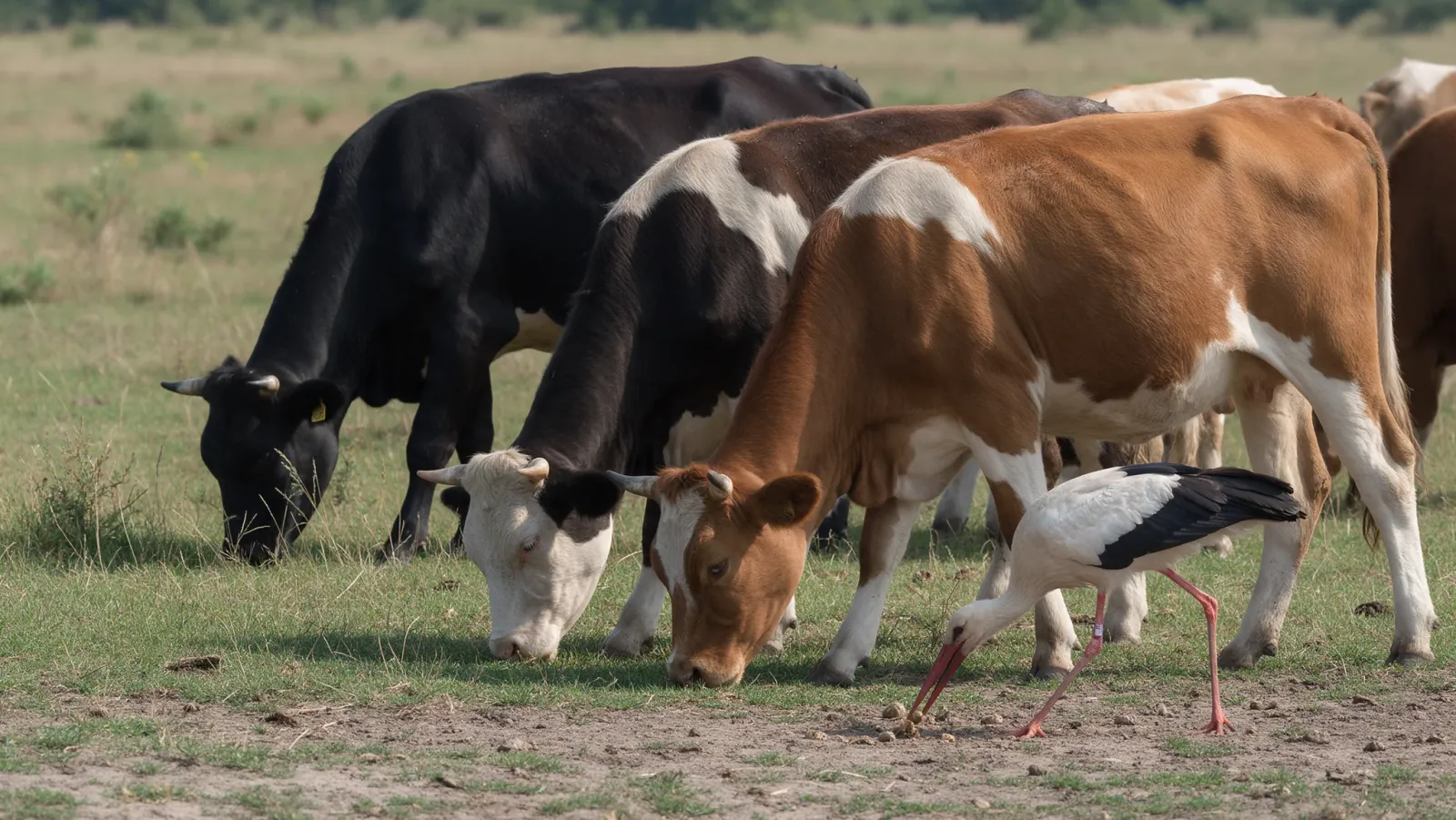
Cattle hooves press hollows that hold water, buffalo wallows open the reeds, and storks follow the mess both animals leave.
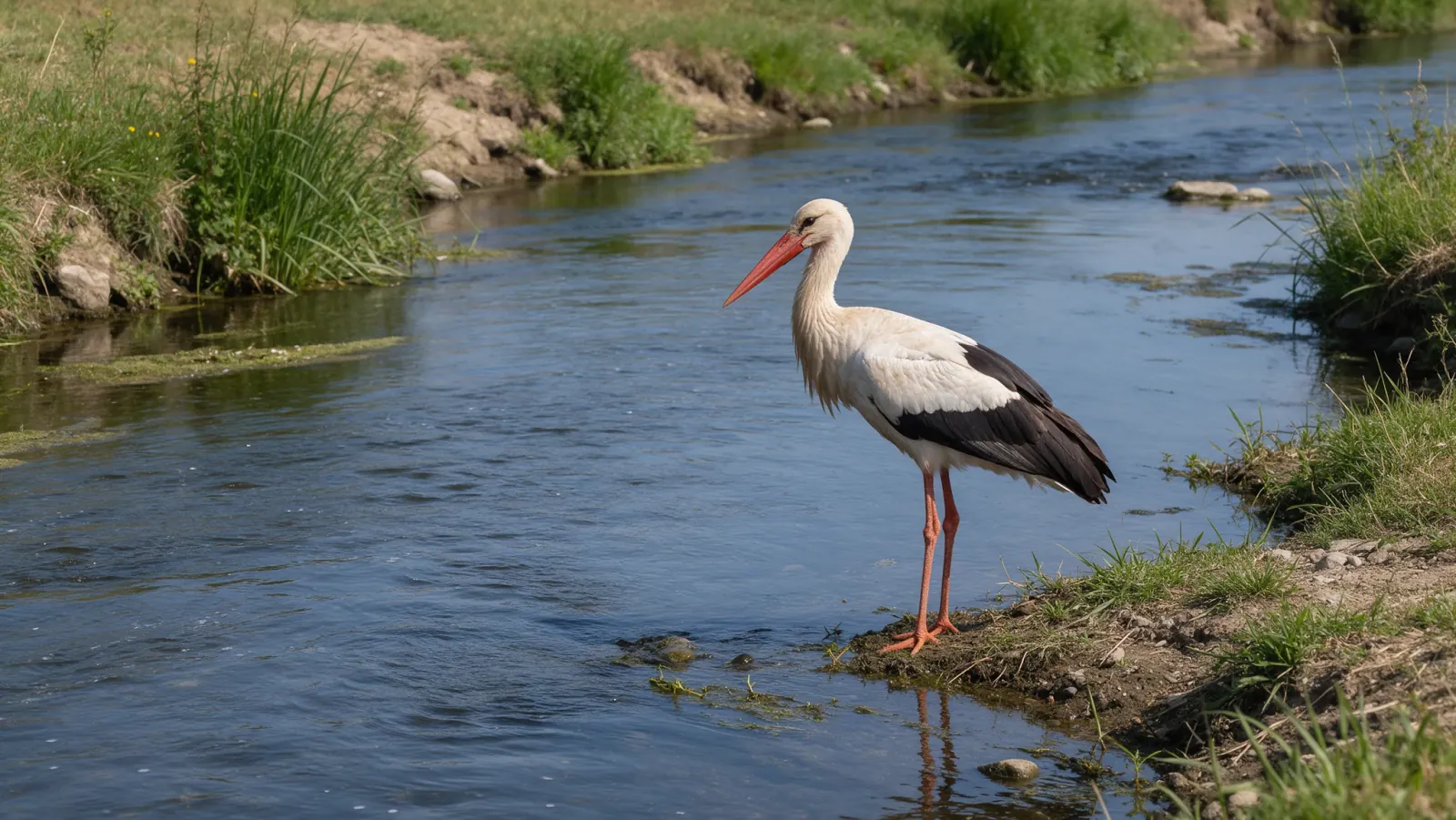
A braided river drops gravel, cuts side channels and spreads shallow water, and a stork feeds on the edges it leaves behind.
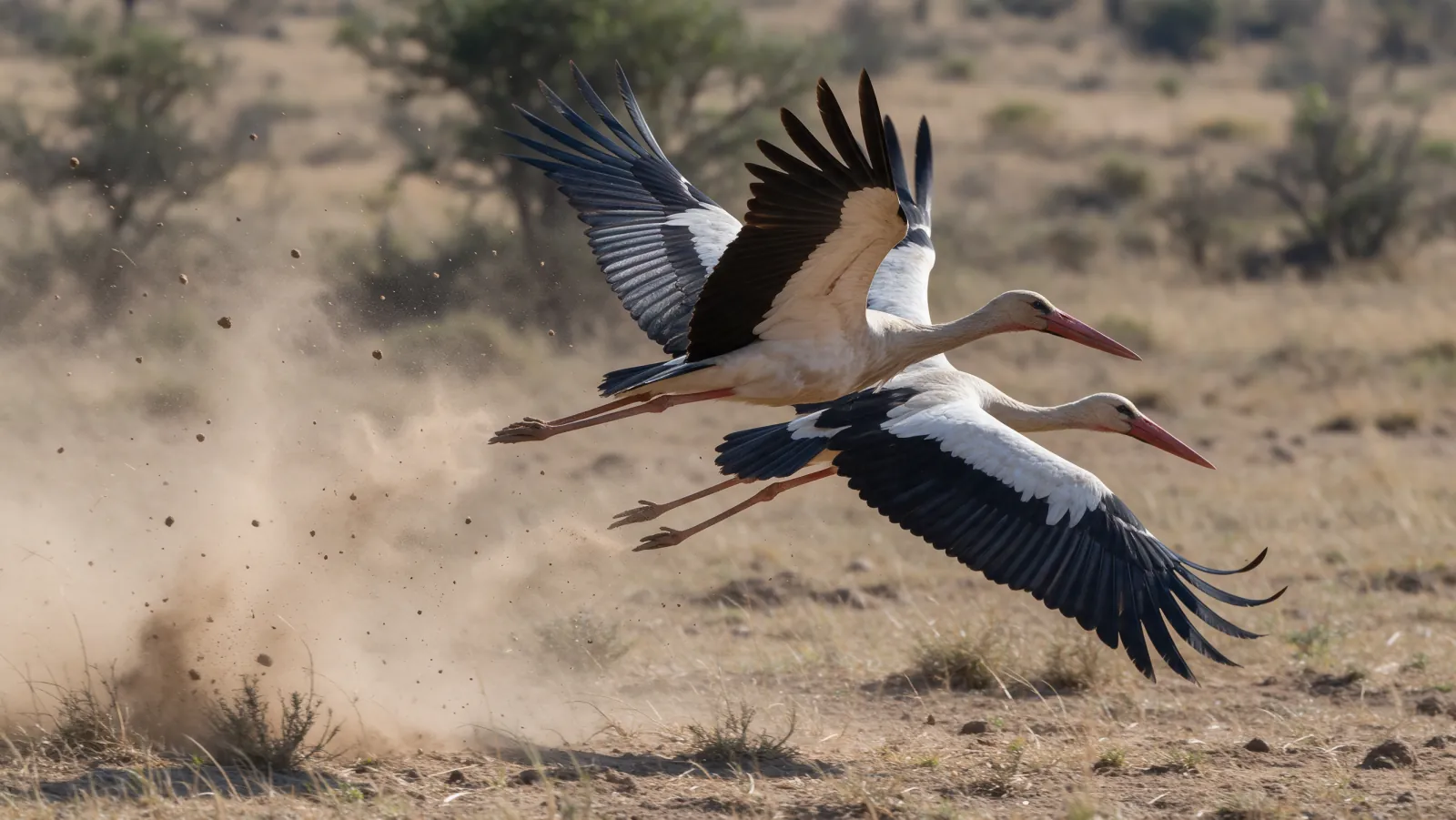
White storks, cuckoos and dragonflies all leave Europe in autumn, and each finds its way south on the same weather.
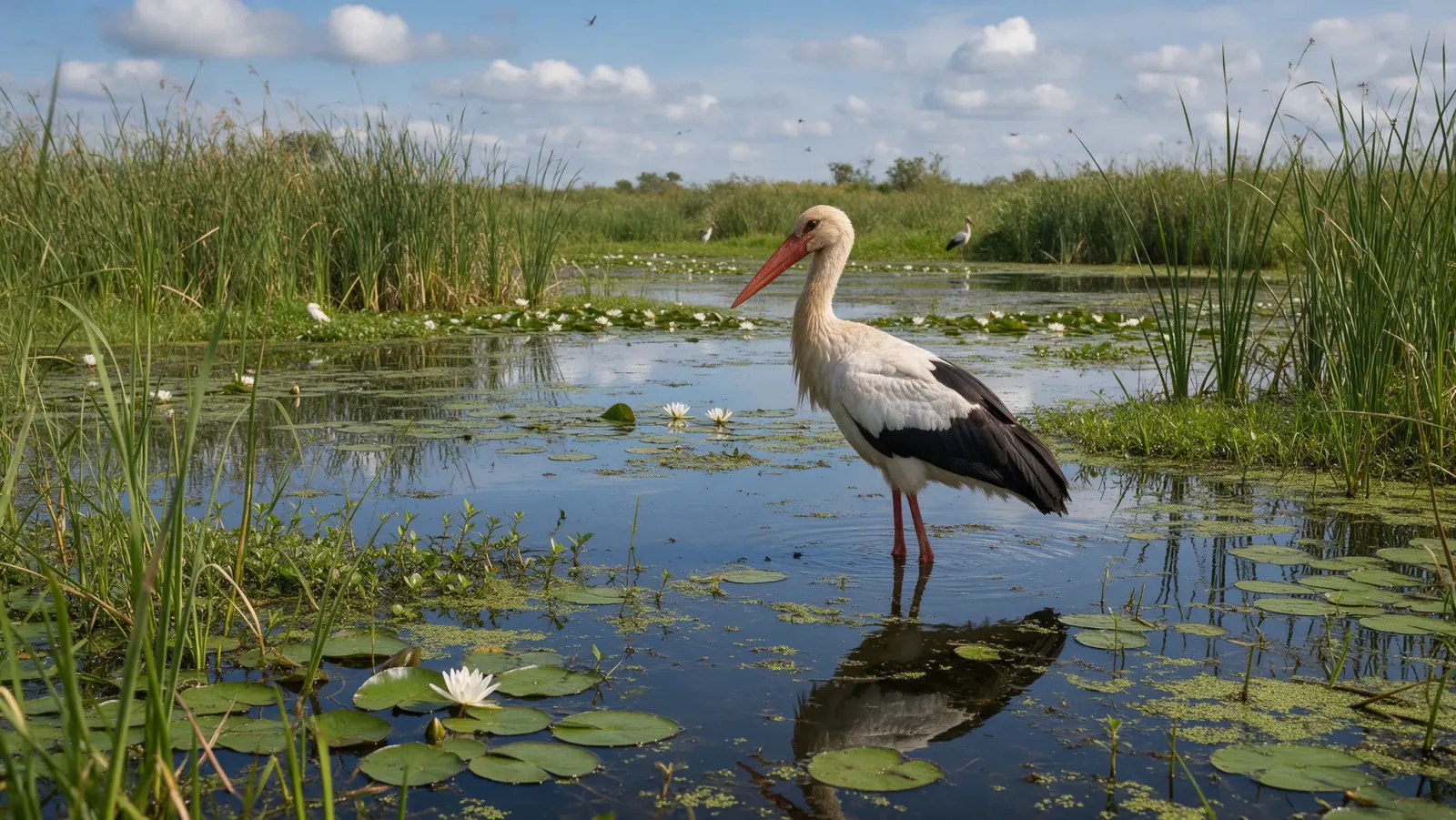
Algae, tadpoles, frogs and herons form a short chain from sunlight to a stork's bill, and the mud underneath holds it together.
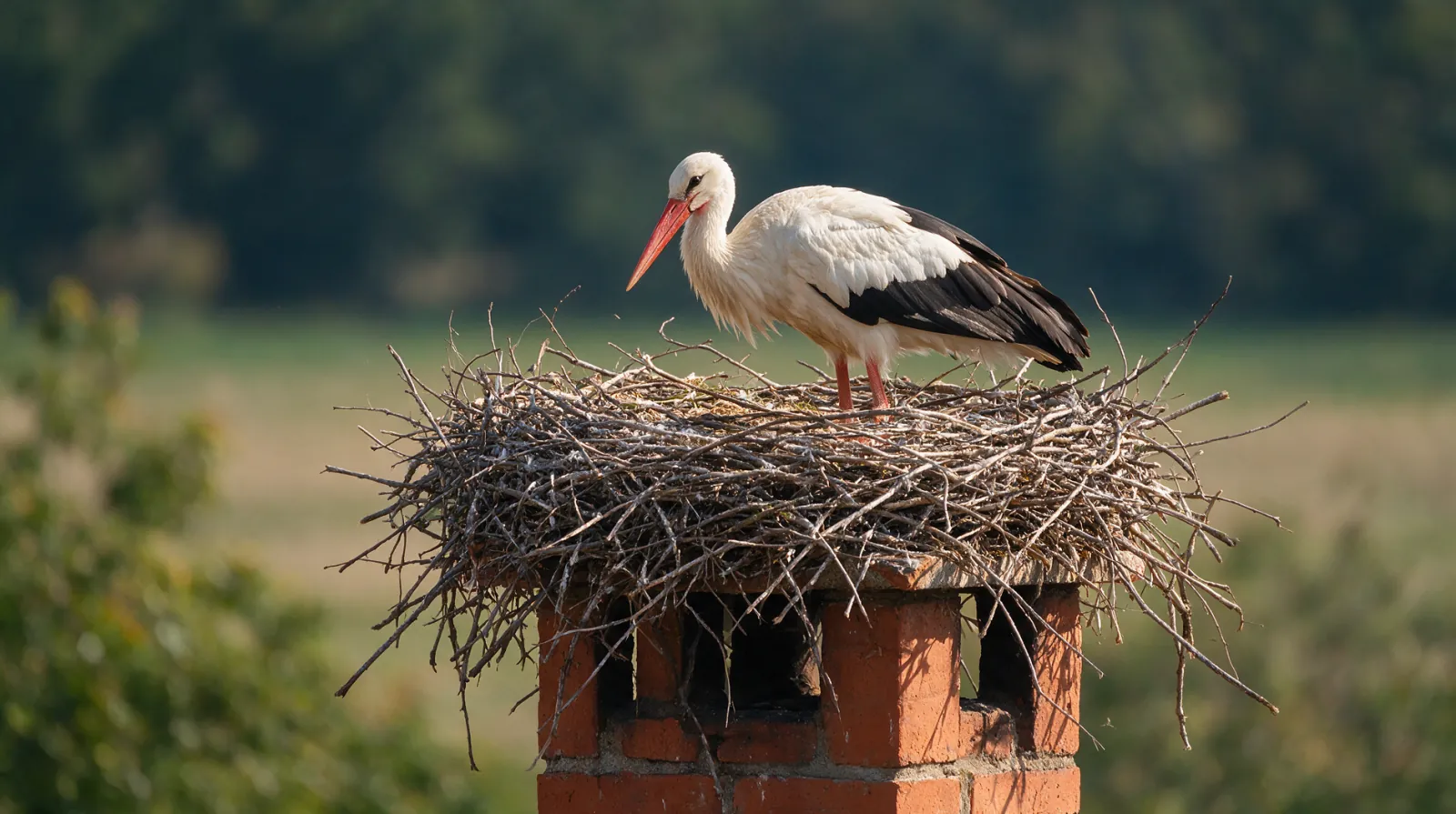
A nest above the fire was read as a blessing on warmth, children, and the whole household, and the bird had to choose the roof.
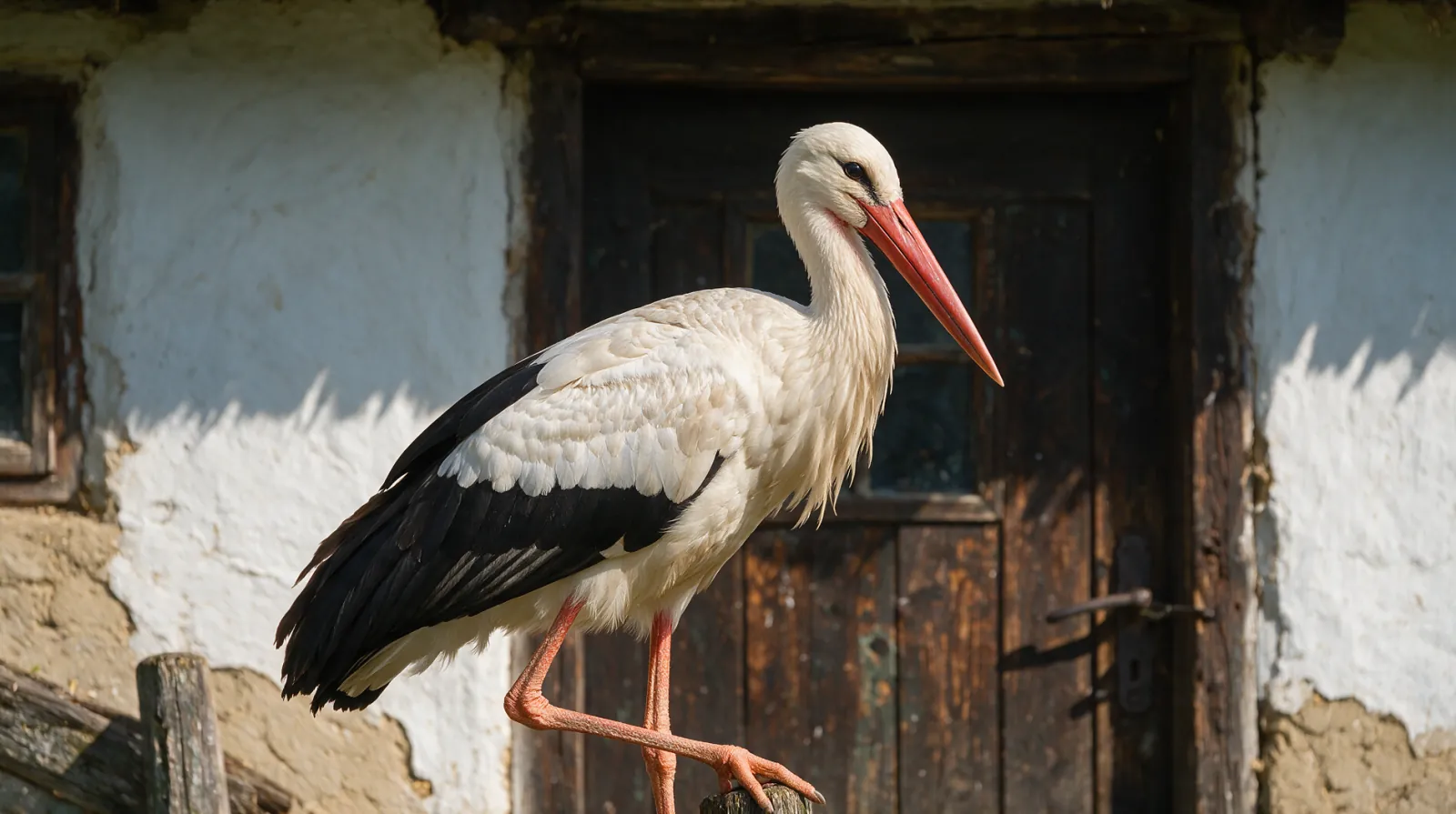
The white stork carried many local names, a national name in Lithuania, and a fable in which a crane sees every fault but its own.
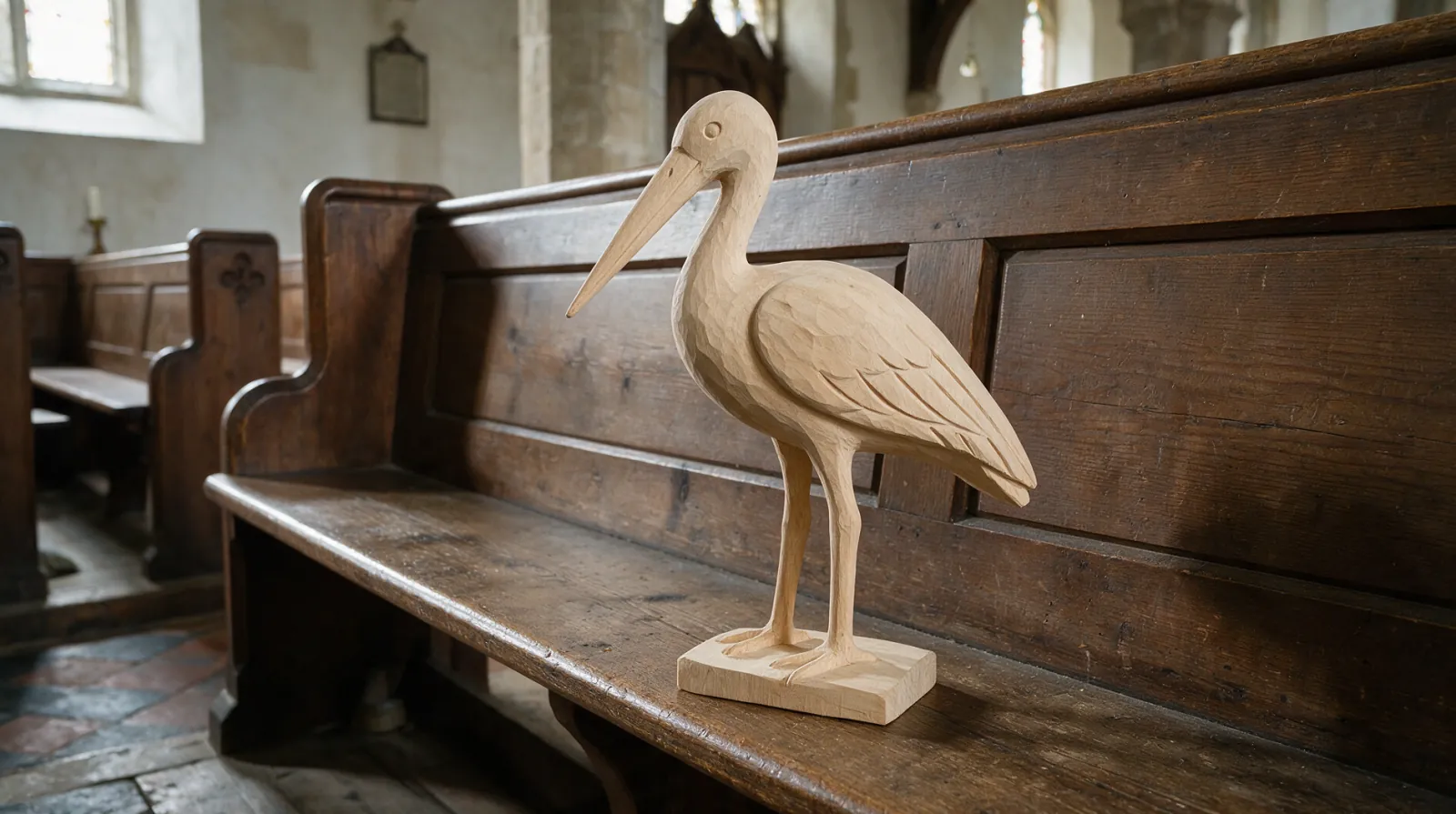
Carvers, scribes, and grandmothers put the stork into oak, parchment, and baby cloth, each marking care in a lasting material.
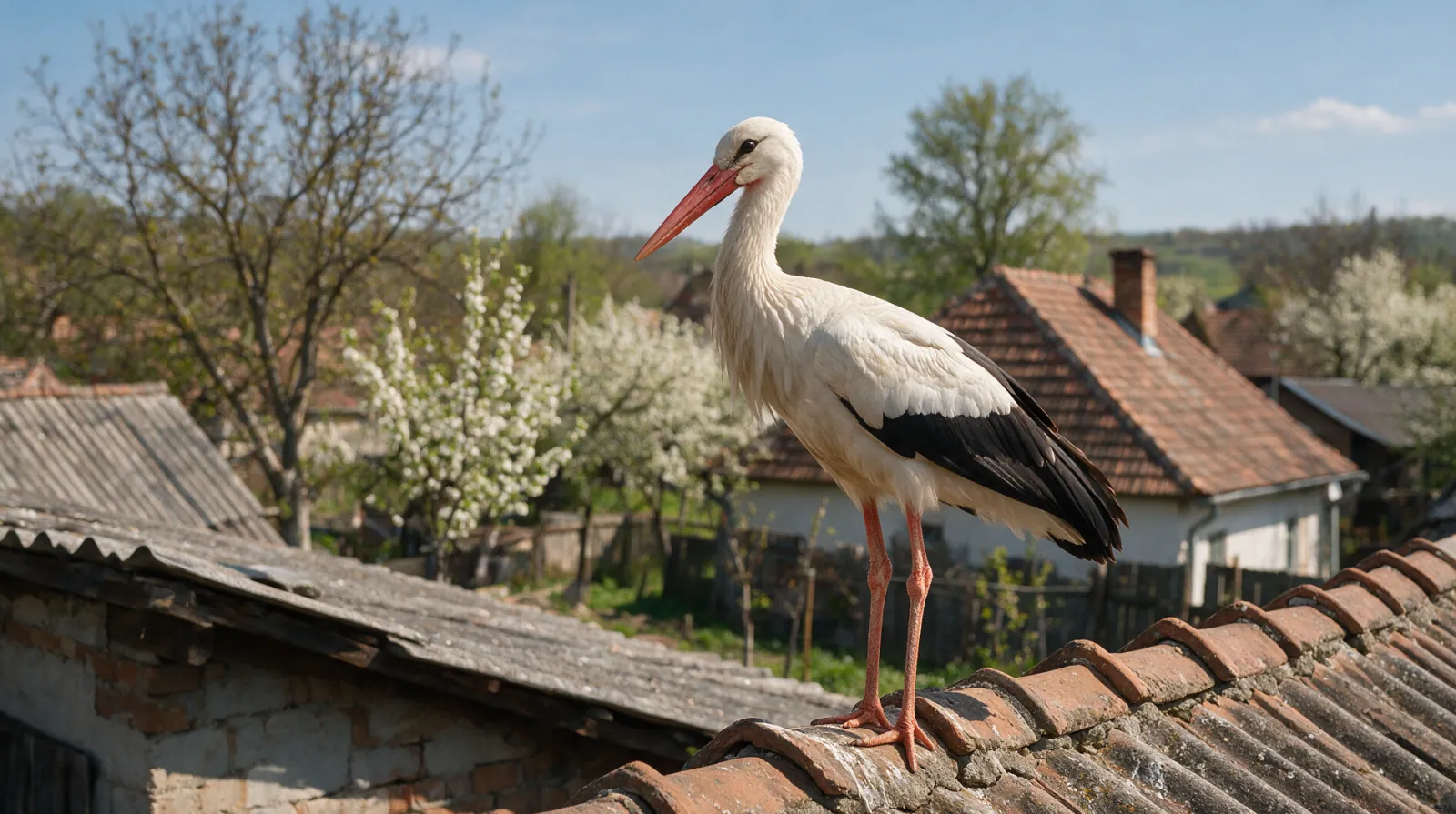
Spring brought the stork to the roof and the midwife to the door, and the two arrivals became one gentle story about birth.