Little beginnings. Wild journeys. Notes on a world worth growing up in.
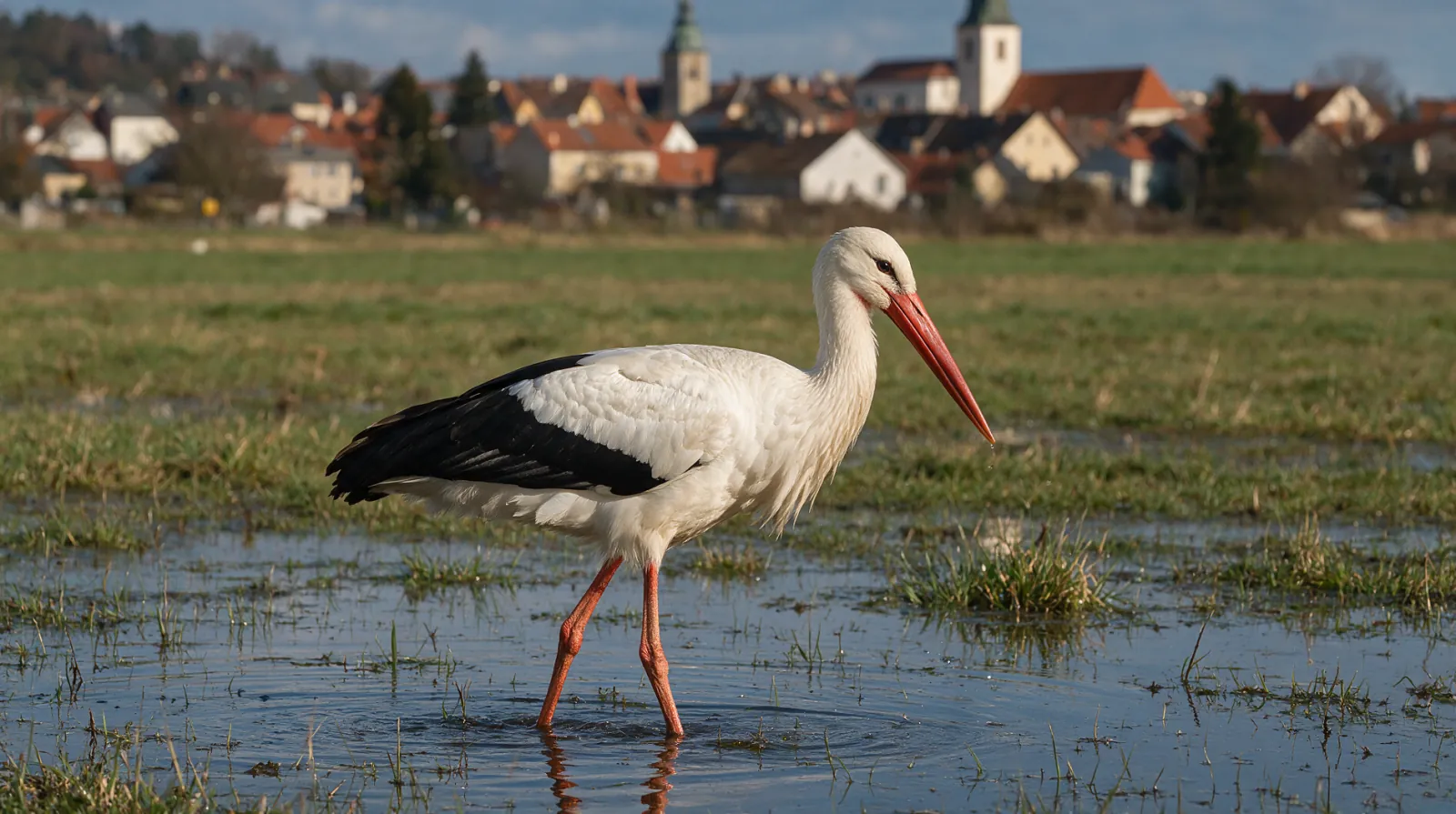
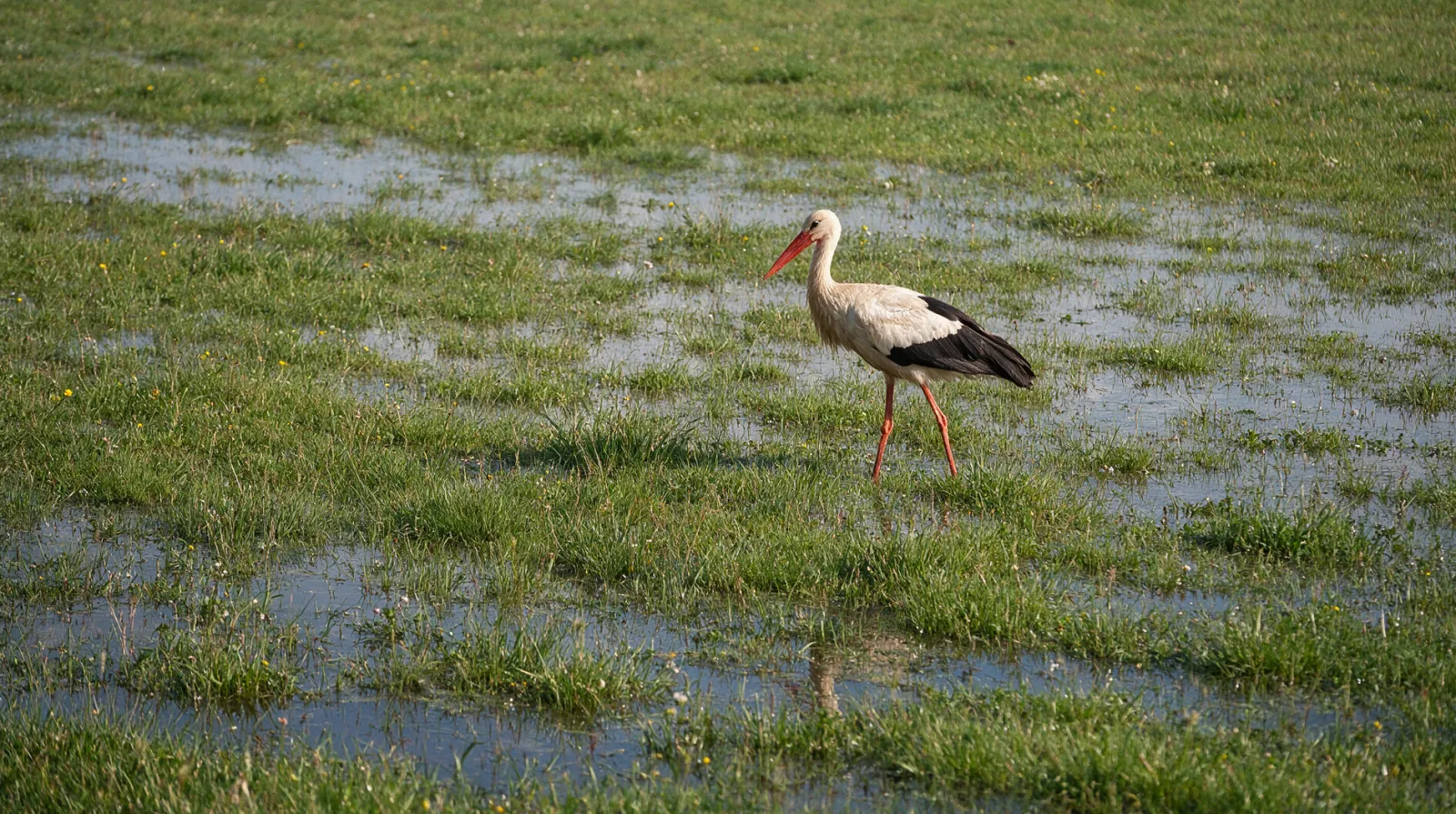
The wet corner nobody could build on often feeds more storks than a nature reserve, and keeping it costs almost nothing.
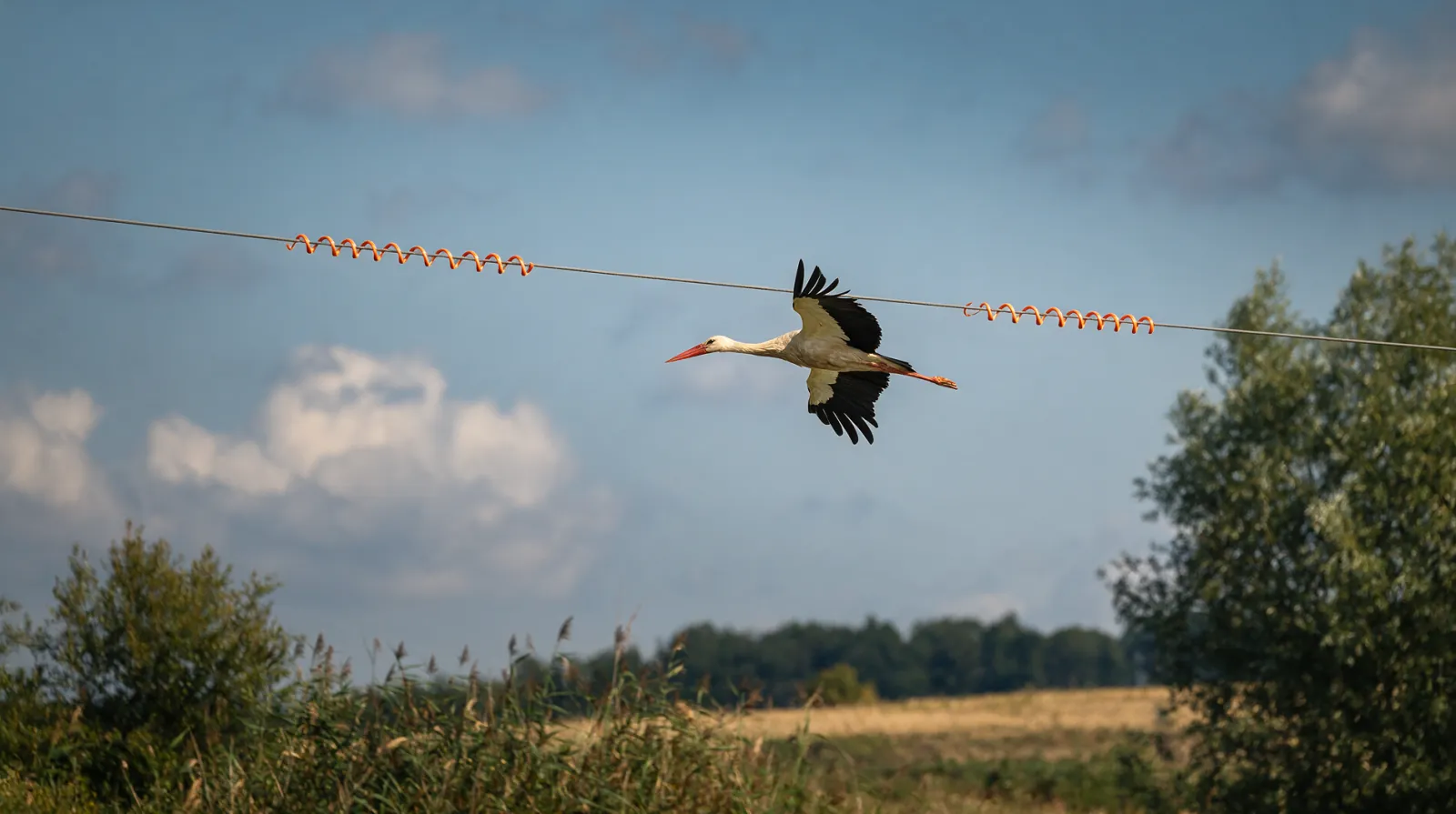
A two-metre wingspan turns slowly, and a thin cable against a bright sky is almost invisible until it is too late. Plastic spirals change that.
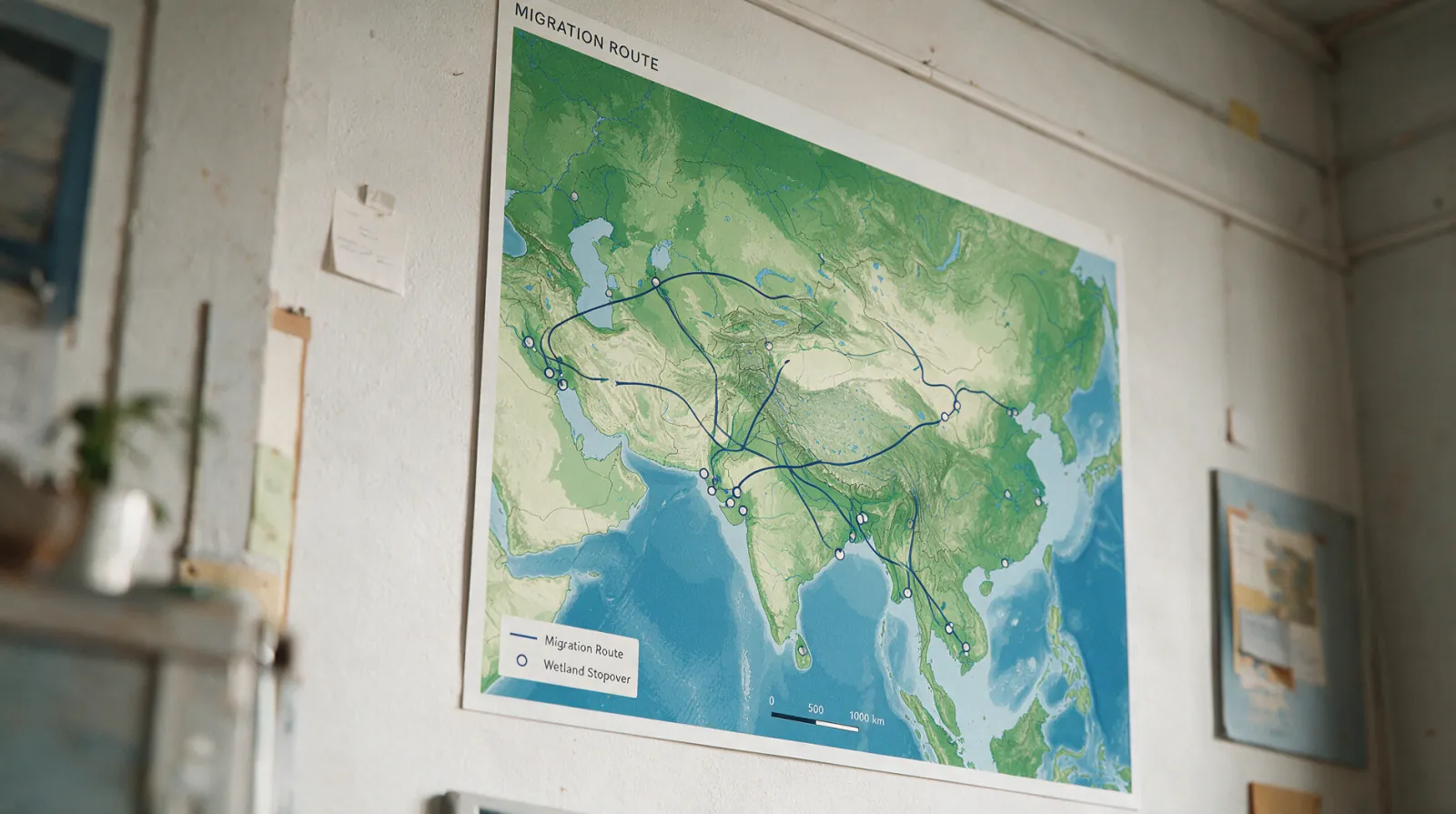
A stork can be guarded on a European nest and shot at a crossing in another country, which is why its protection has to follow the whole route.
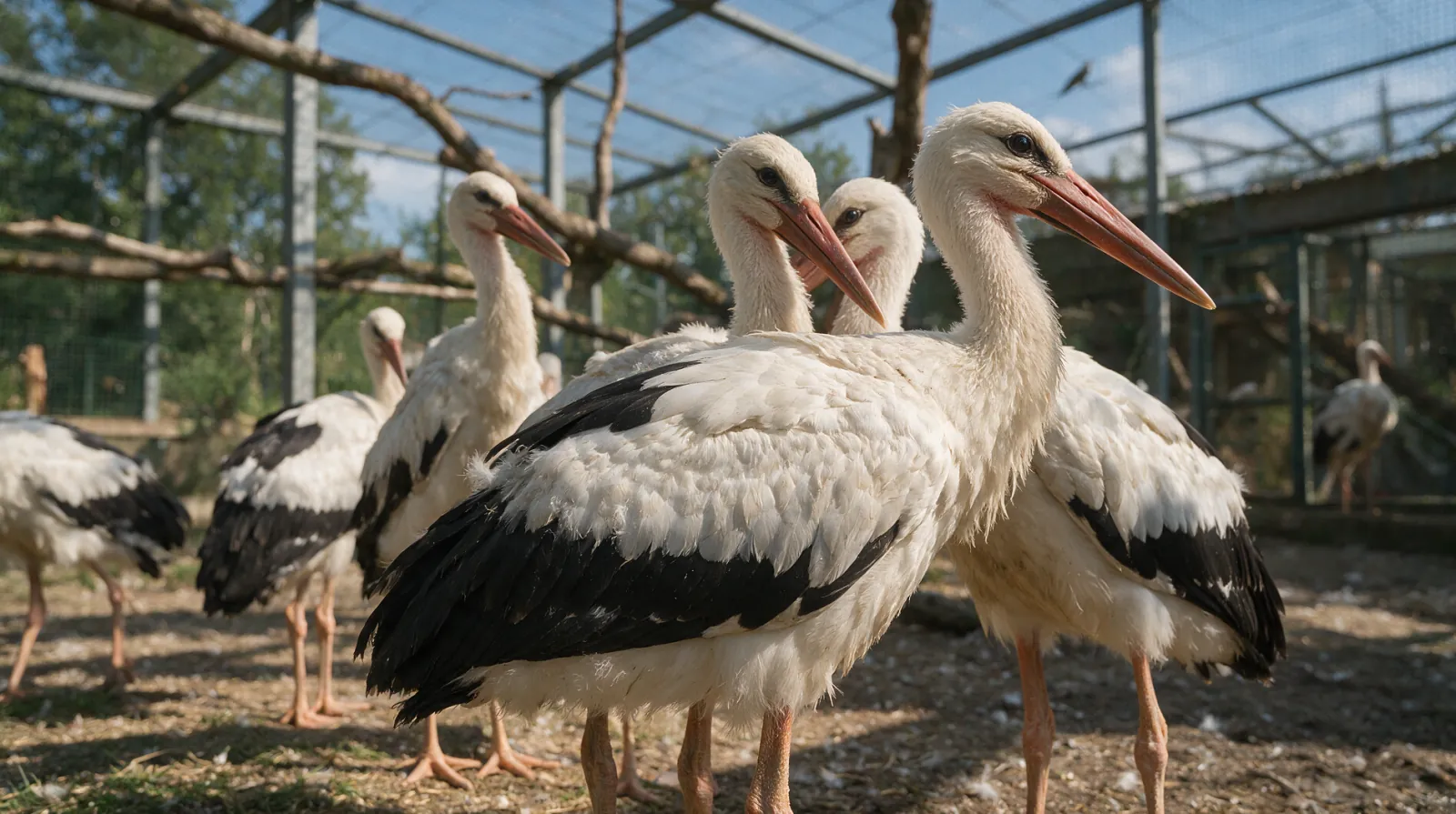
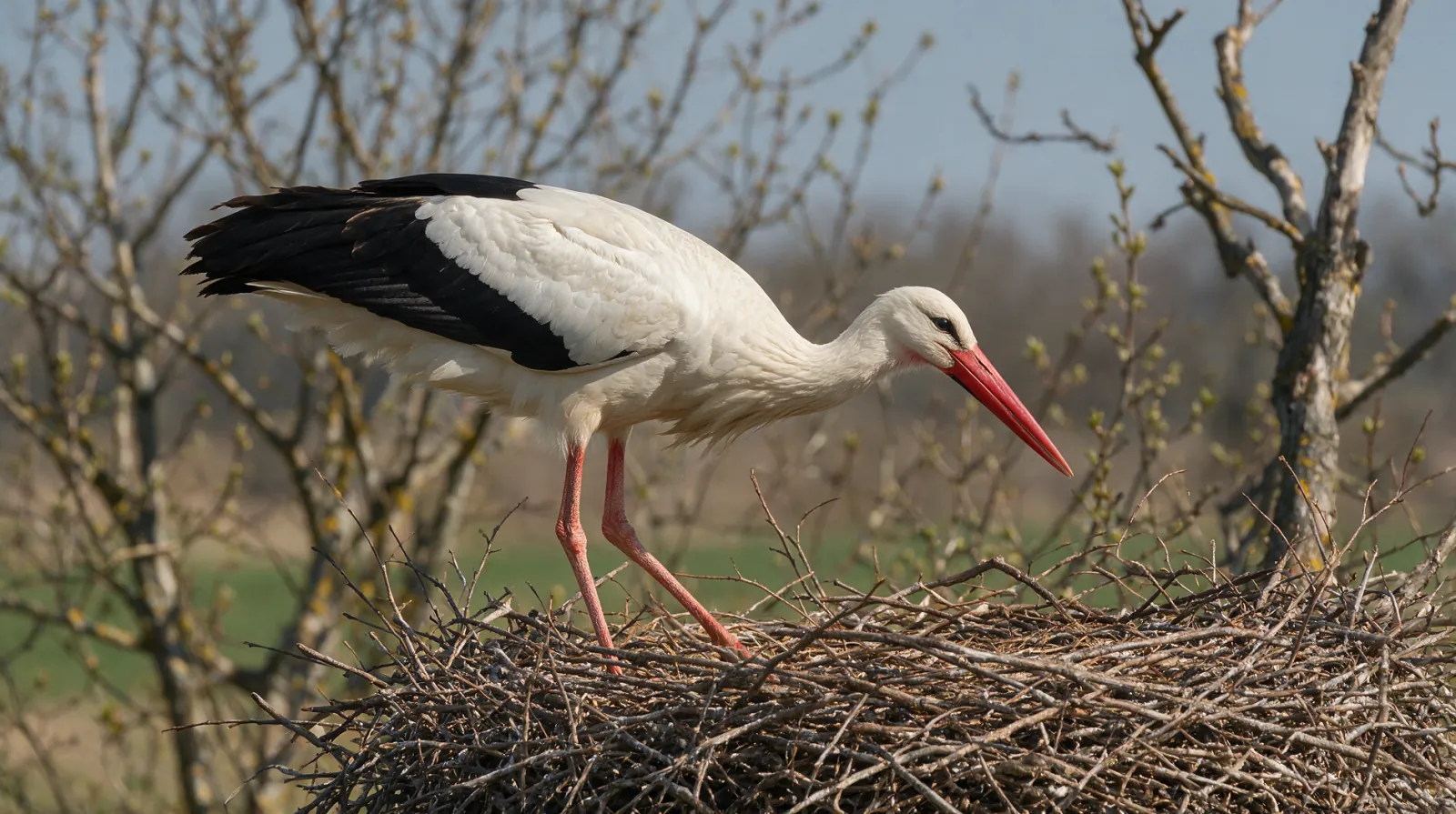
A region can hold perfect wet meadows and stay empty for decades. Raising young birds, fixing nest sites and guarding a roost bring the colony back.
The bird times its return by day length while frogs emerge earlier and African rains fail. The gap between those clocks decides the nesting season.
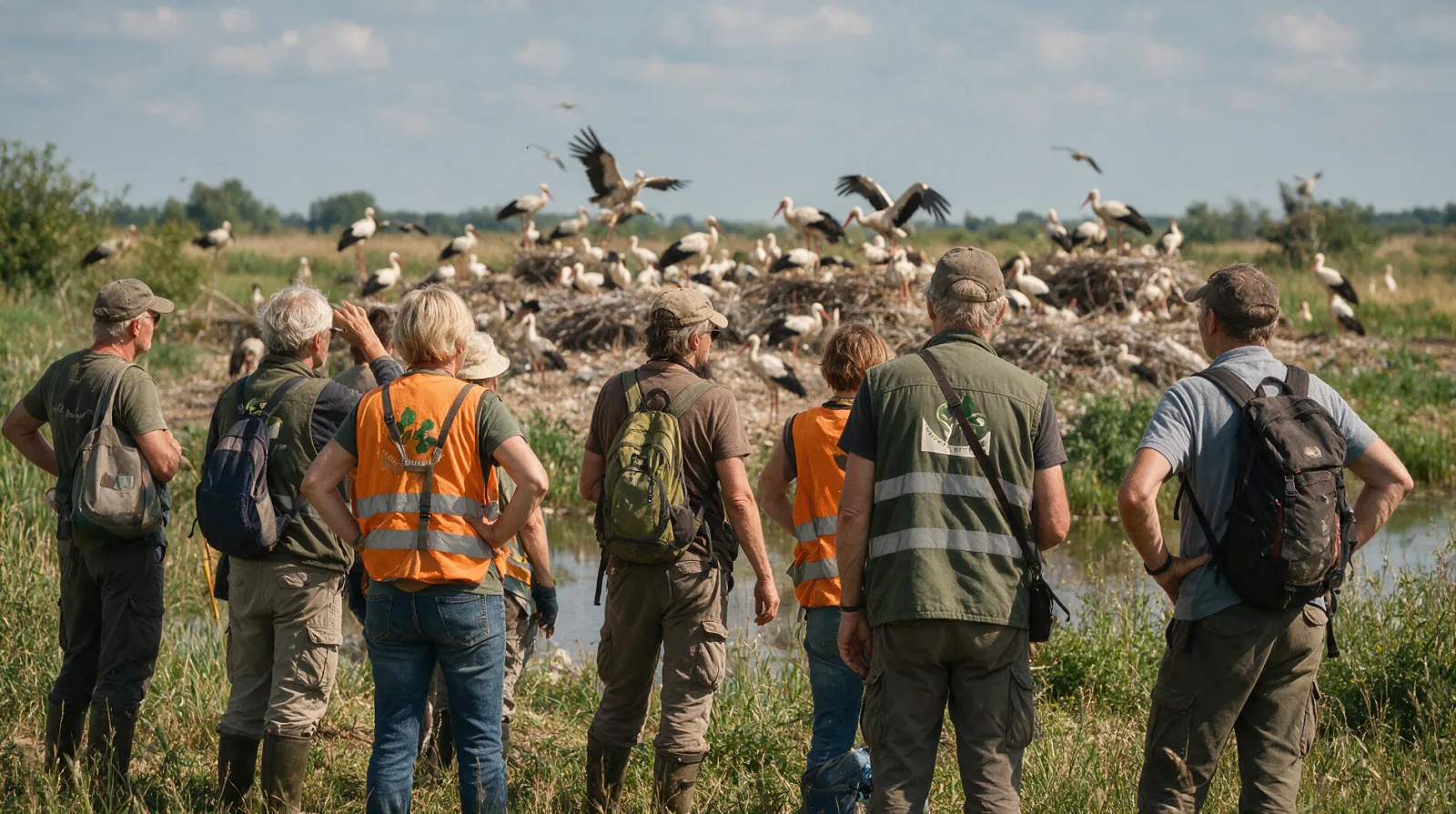
Retired teachers, nurses and teenagers count nests, explain the gate and sit through long quiet hours so a colony can raise its young.
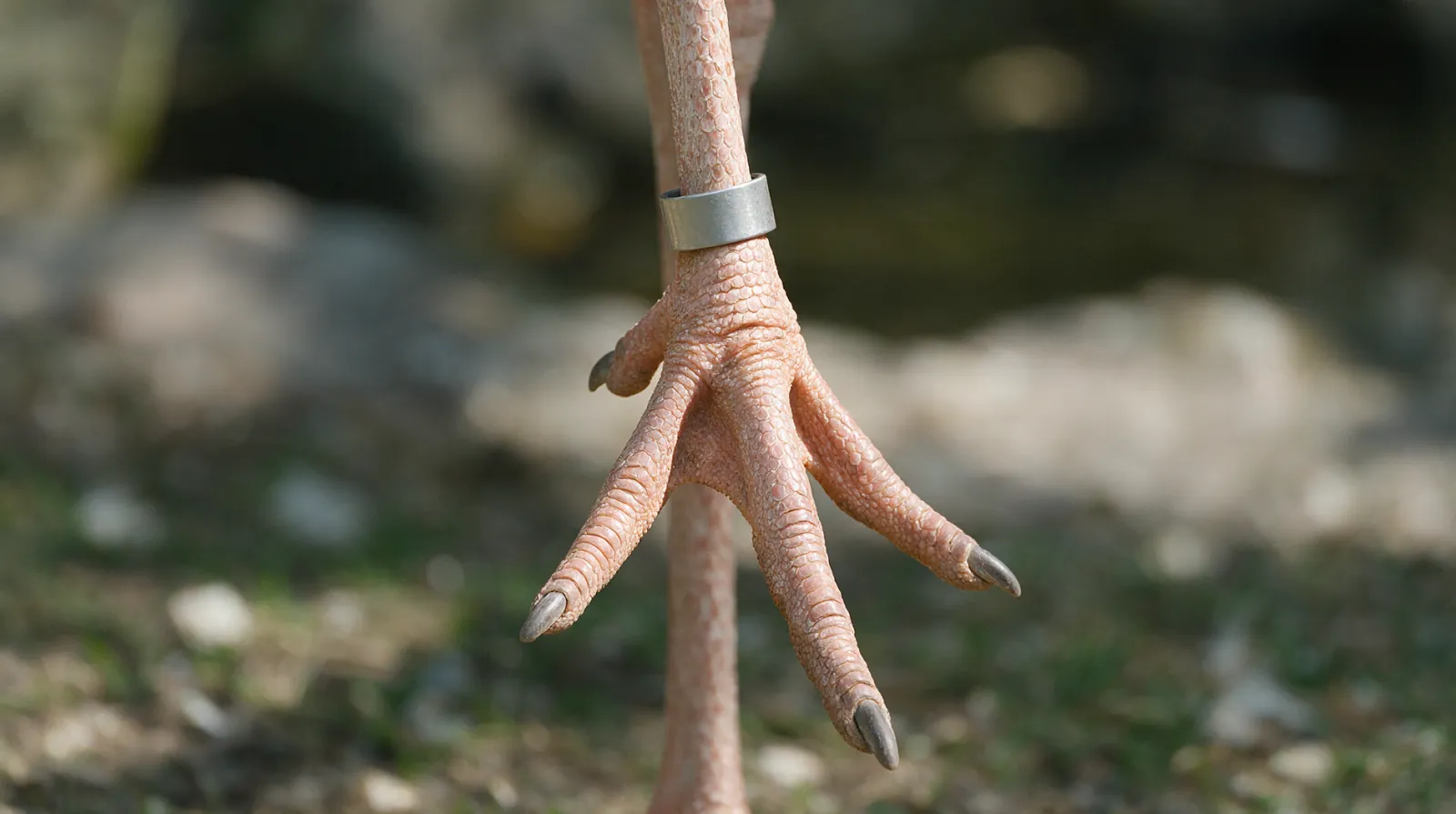
Volunteers tally thousands at a strait, a metal band carries one bird's code, and a small transmitter sends positions home. Together they map a migration.
Block a ditch, open a sluice, let a beaver work, and a drained field becomes a larder. The marsh also stores floods and pays its way.