Little beginnings. Wild journeys. Notes on a world worth growing up in.
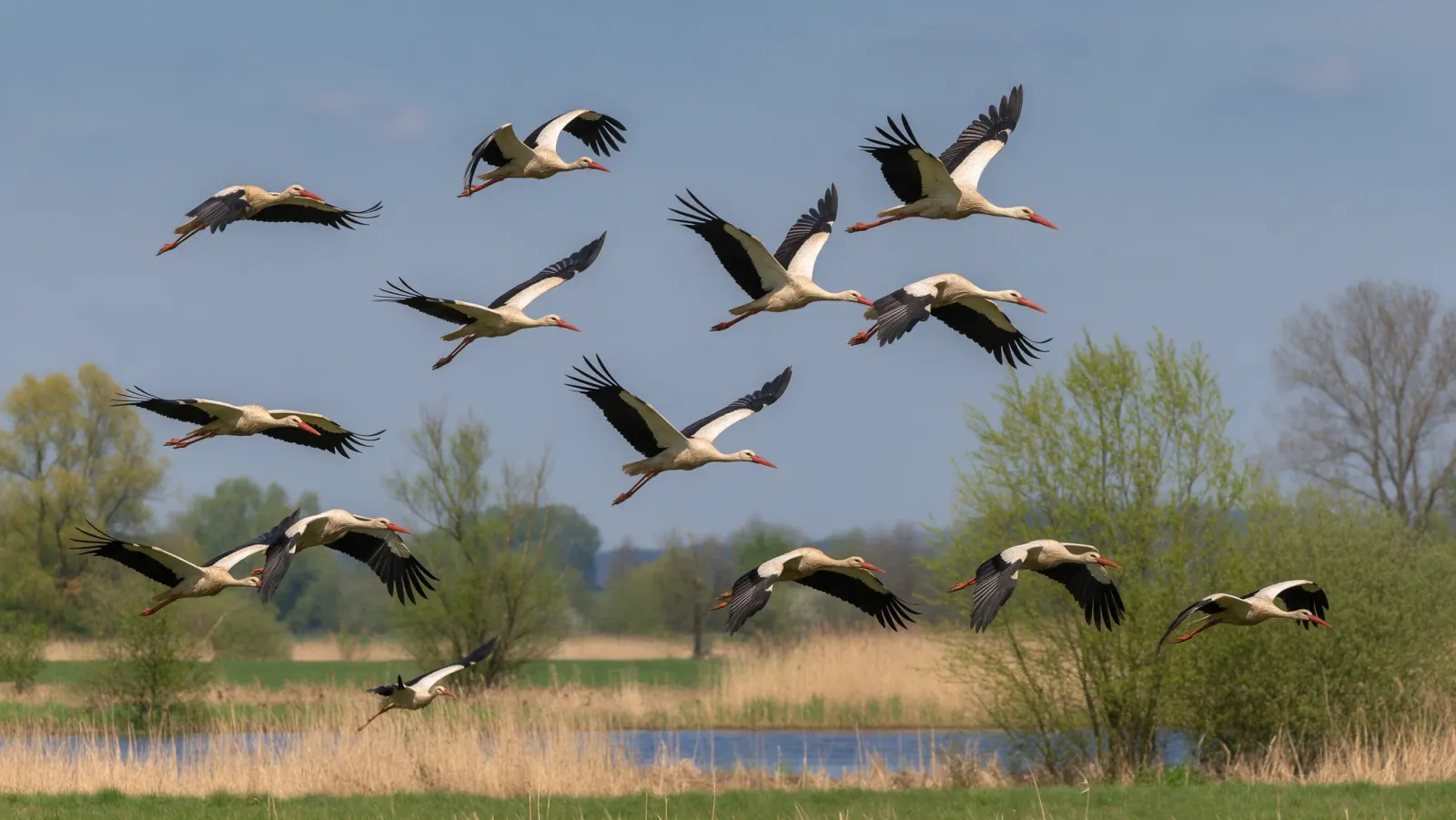
Spring migration runs faster than autumn, and the first birds home claim the best nests before the rest of the flock arrives.
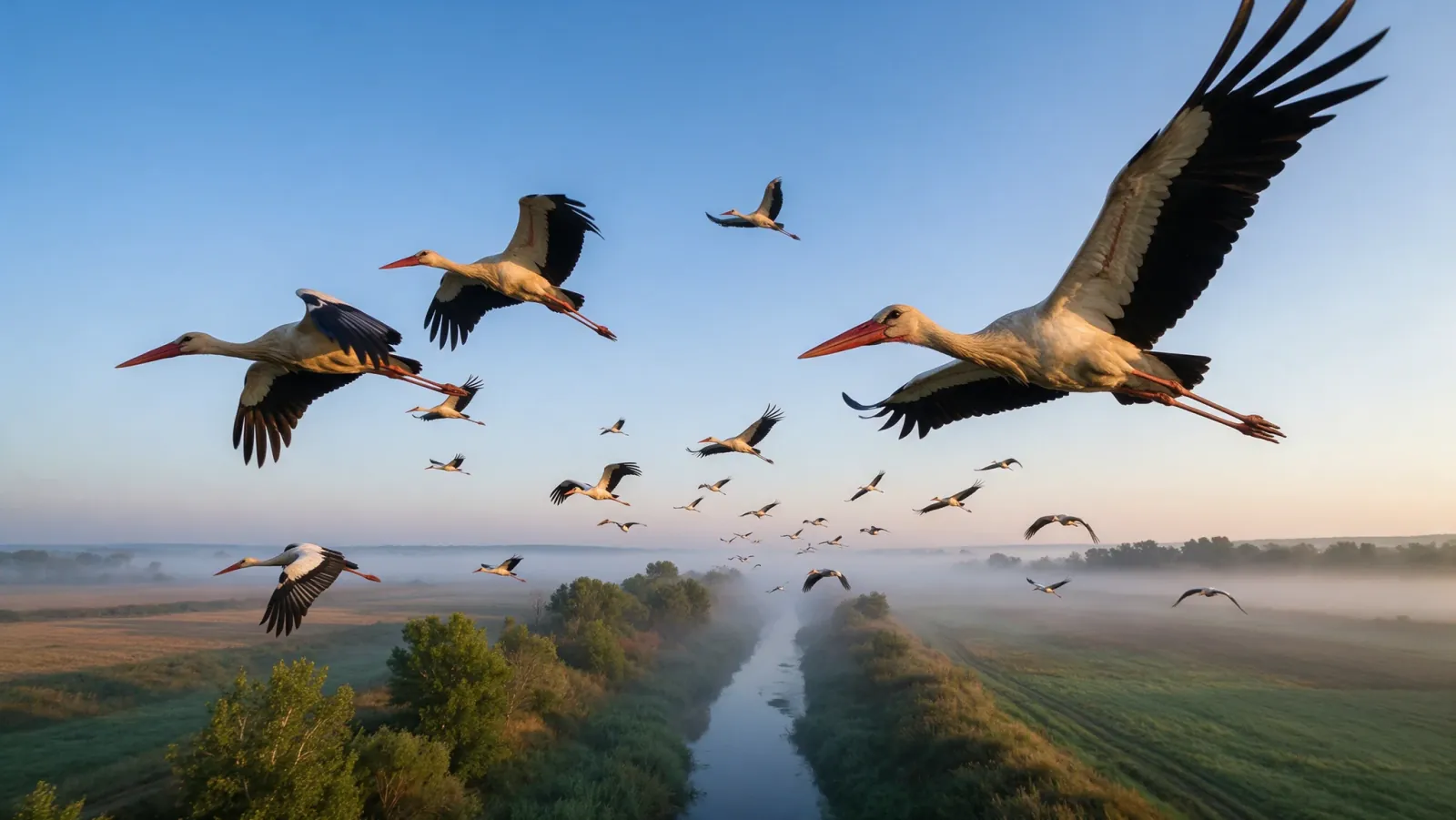
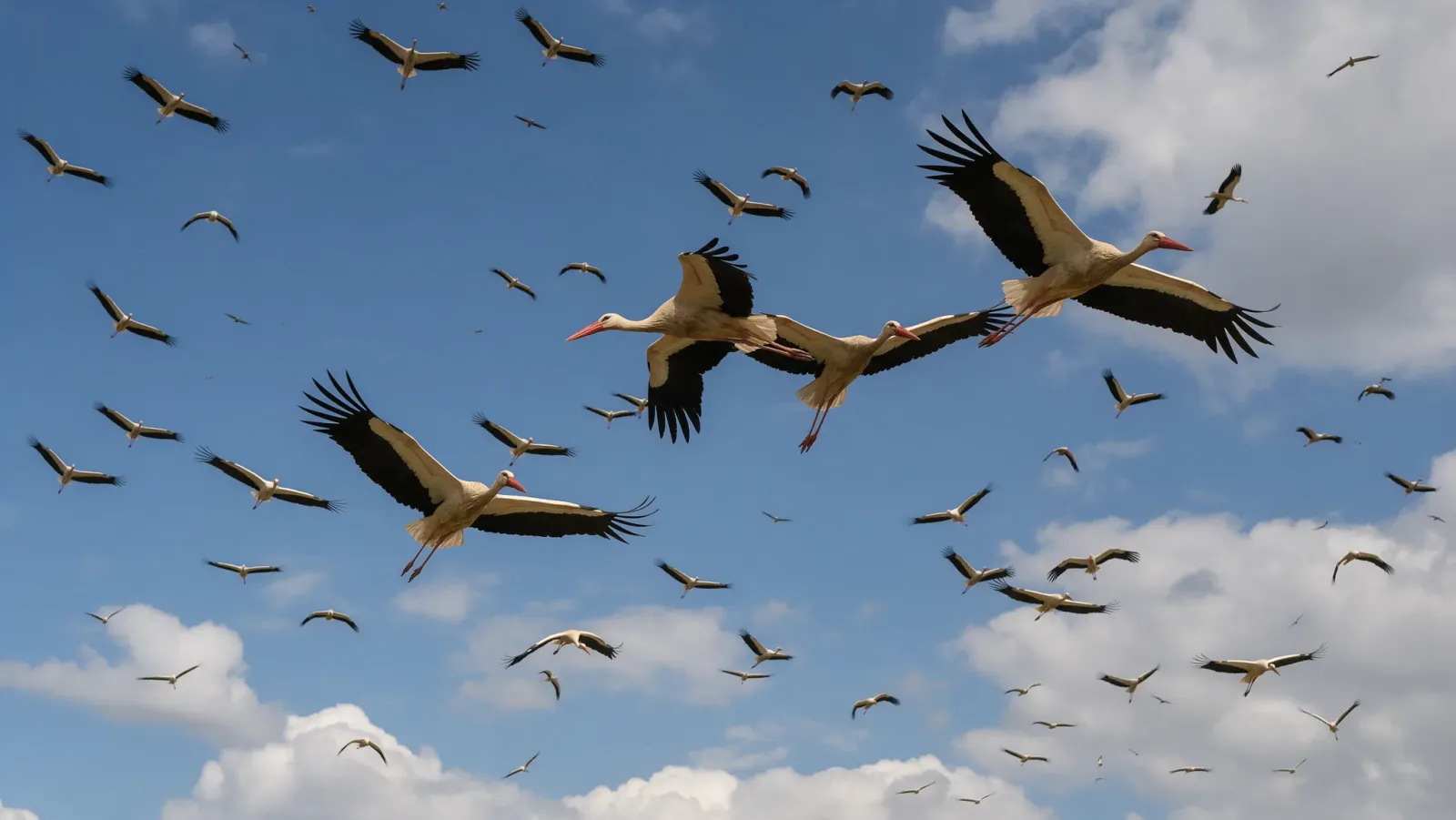
A migrating stork spends the first hours on the ground, then rides thermals south, feeds at noon and settles before dark.
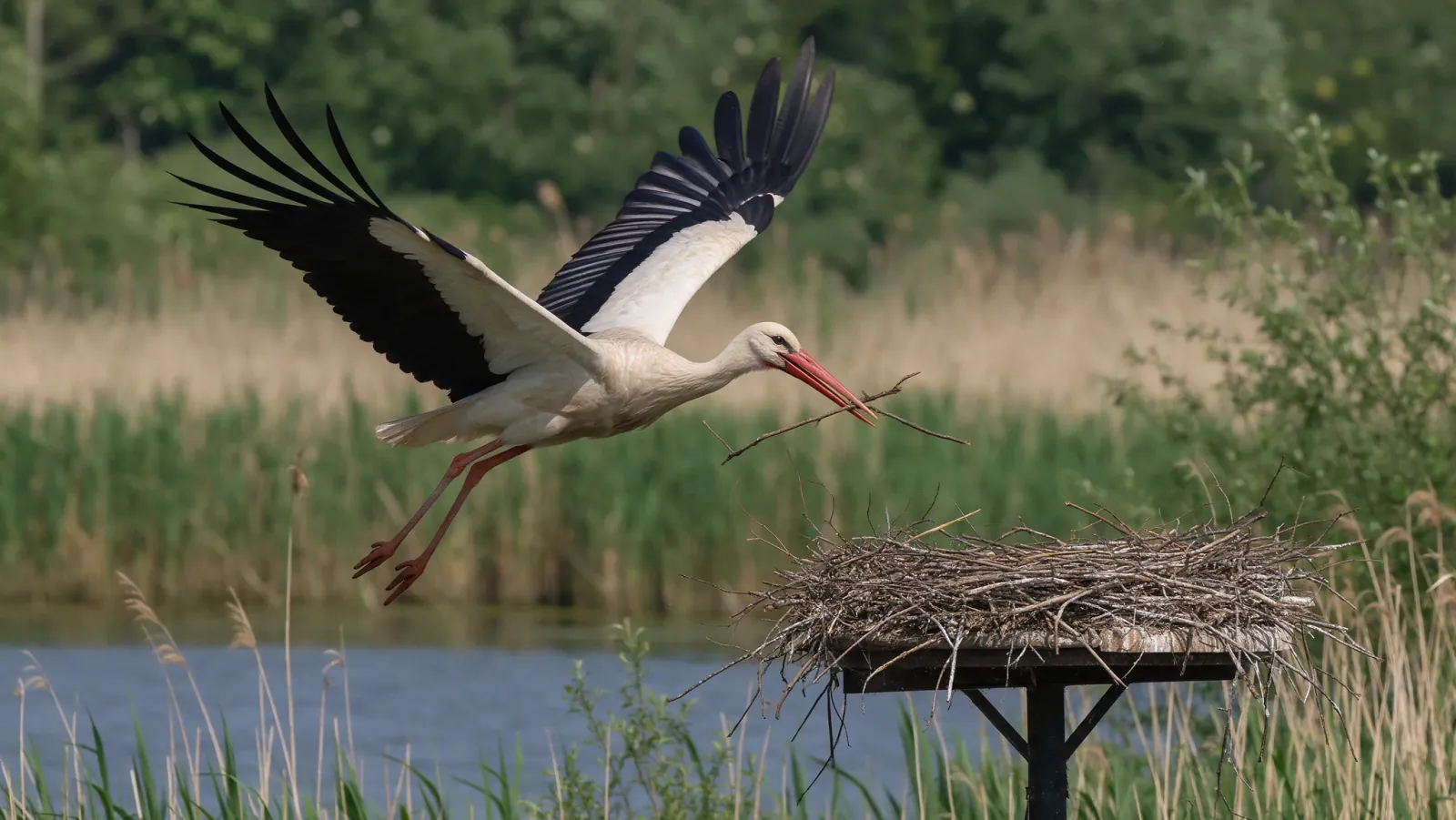
A white stork weighs height, open air, and food within gliding distance, then lands on a platform barely wider than a table.
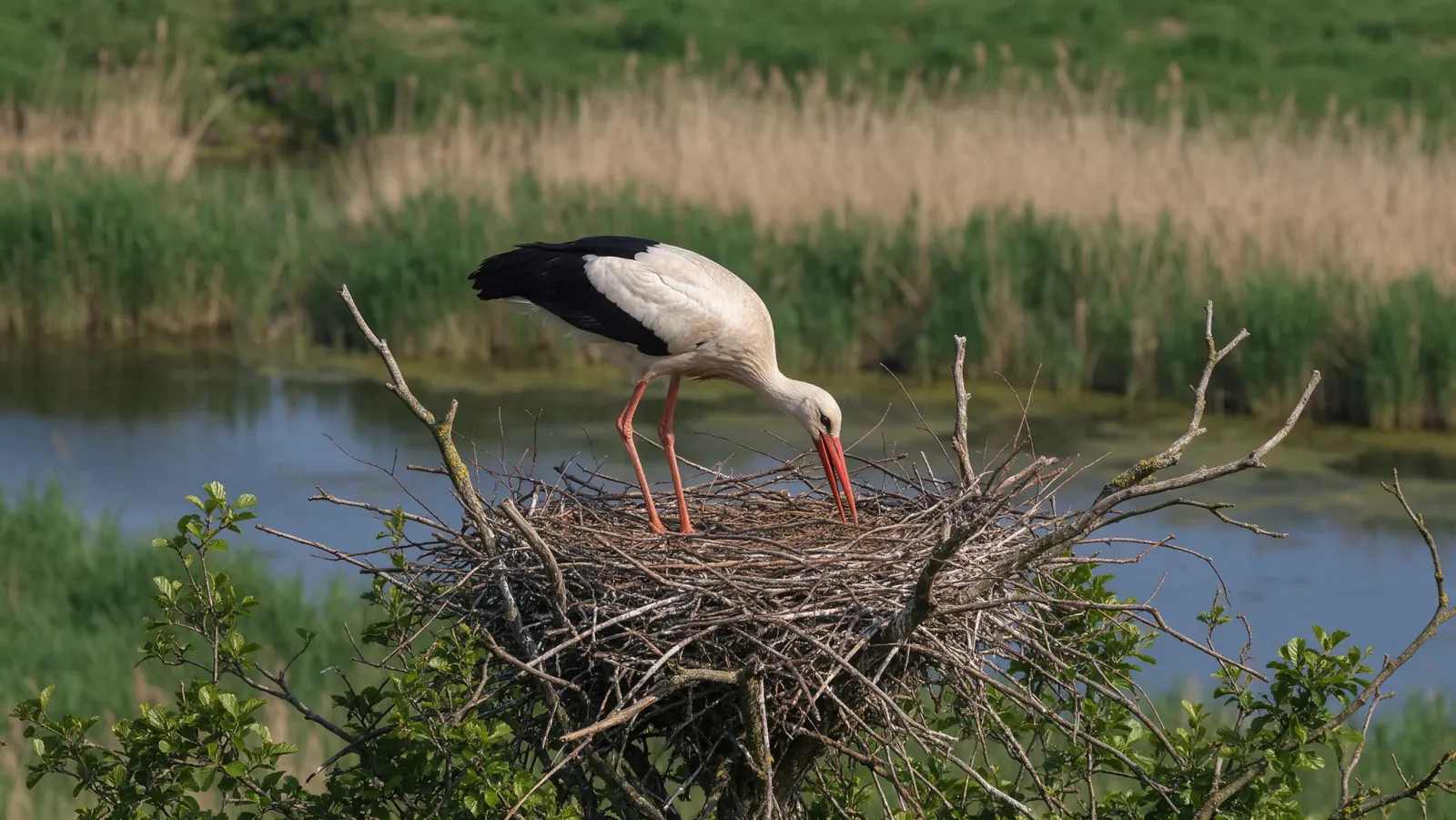
Each spring the pair adds fresh twigs to the same platform, so the nest deepens into a crown that can top a metre across.
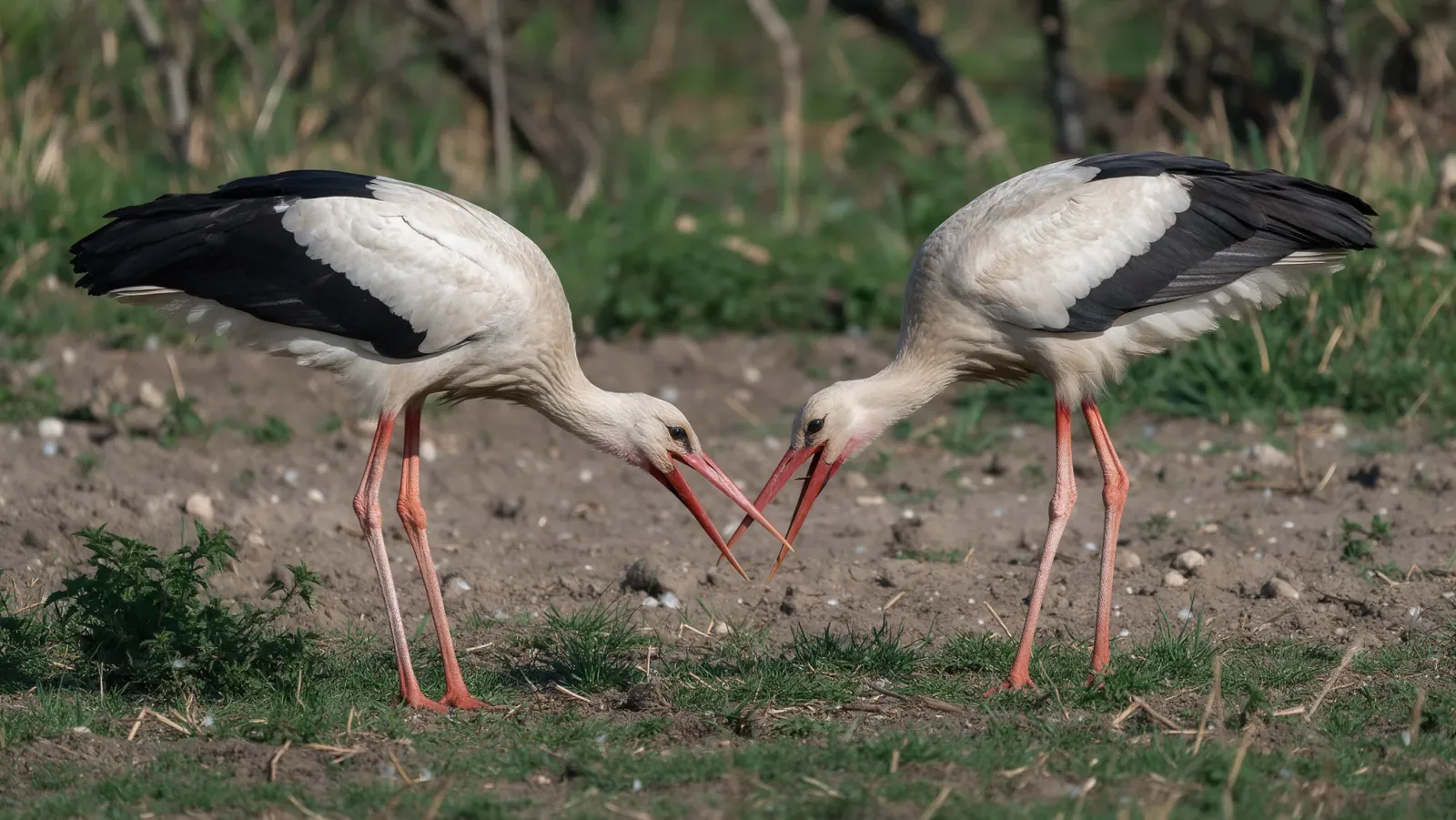
White storks have no song, so a reunion at the nest runs on a lowered head, a rattling bill, and a neck thrown back.
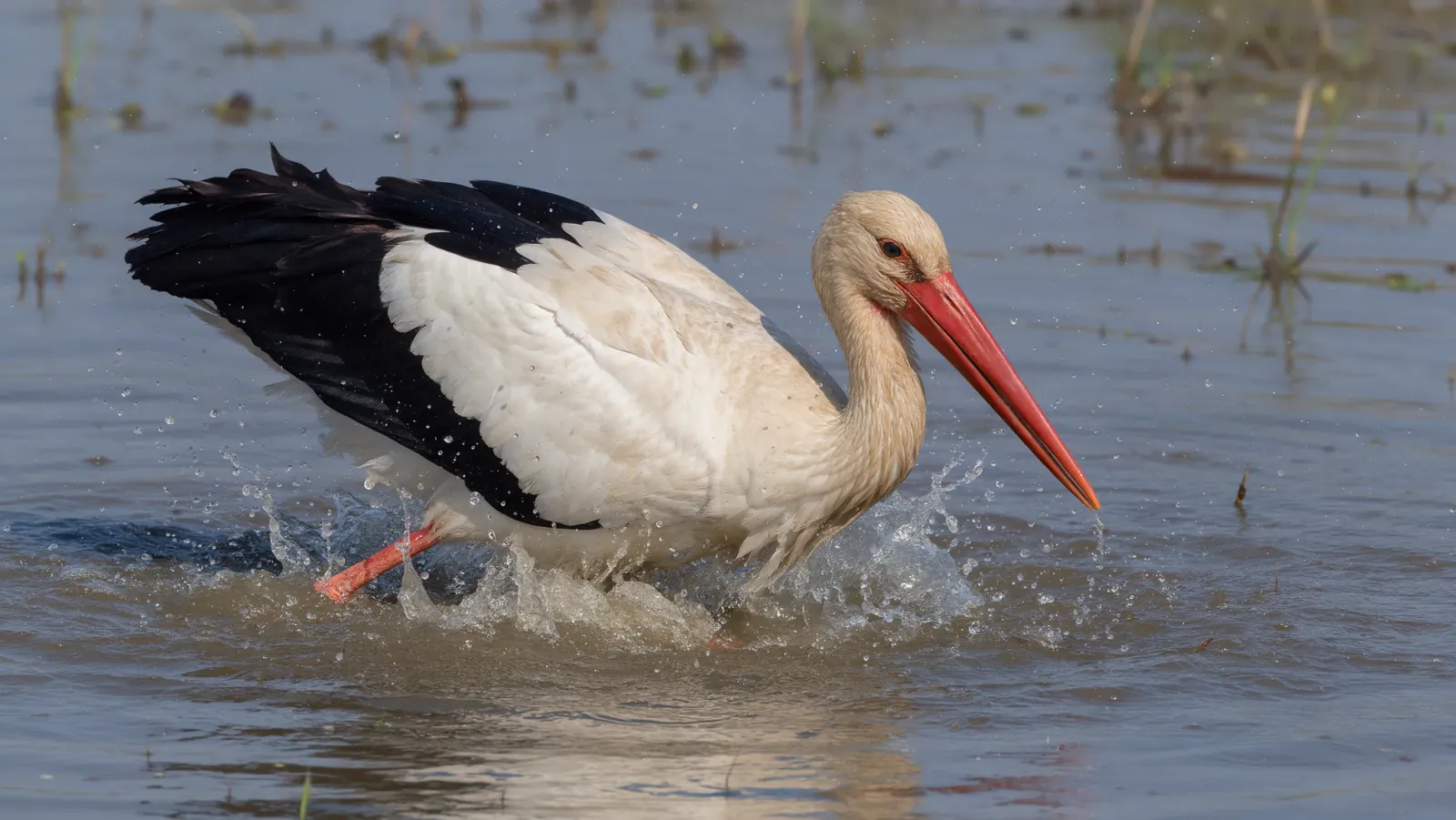
A white stork wades in, throws water over its back, then stands with both wings wide until the air has dried every feather.
Warm ground makes rising columns of air, and a flock of white storks can climb one in a slow spiral and glide south for hours.
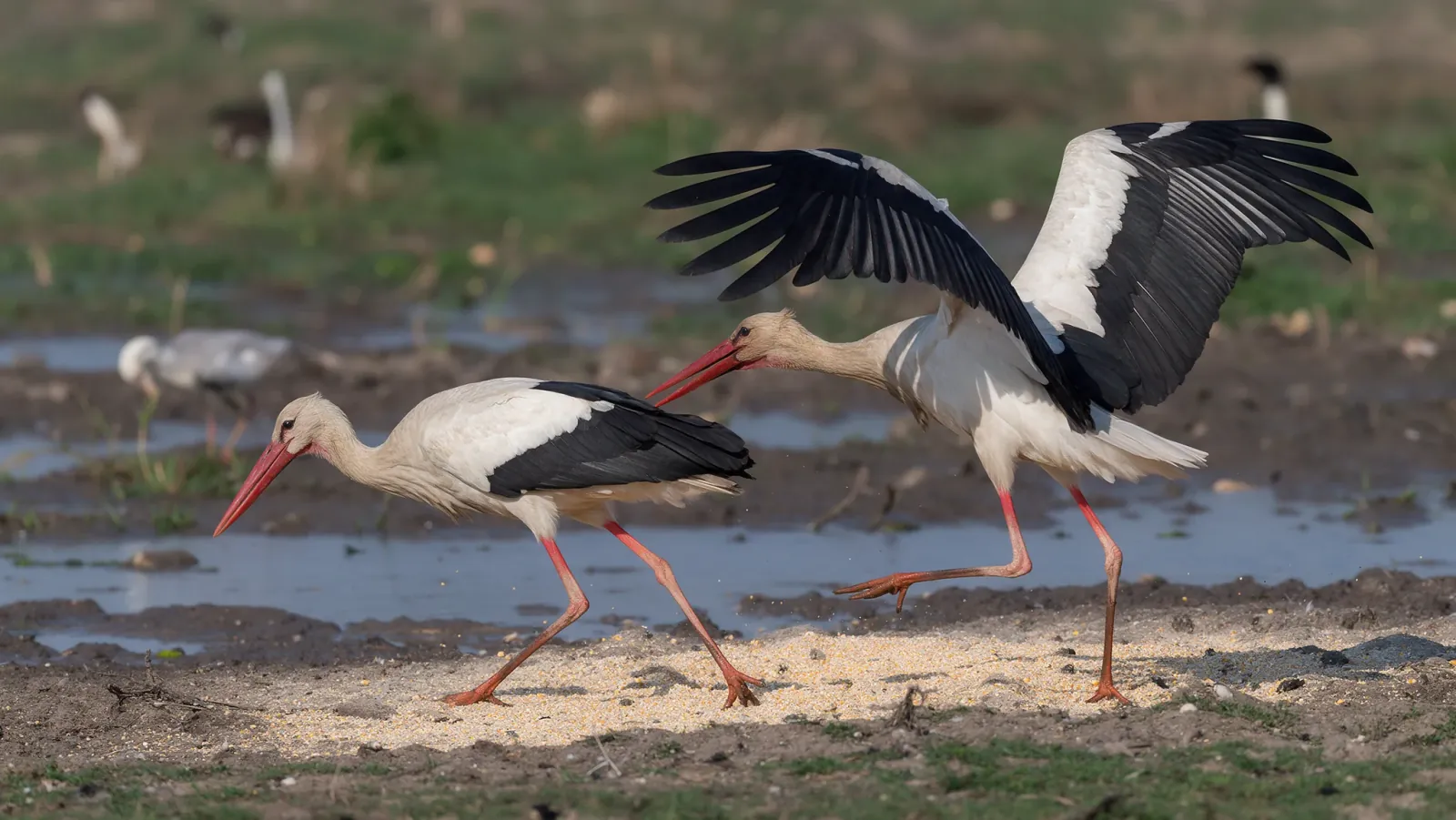
A good patch of shallow water is worth a stare and a short chase, while one bird often feeds apart from the flock at the edge.