Little beginnings. Wild journeys. Notes on a world worth growing up in.
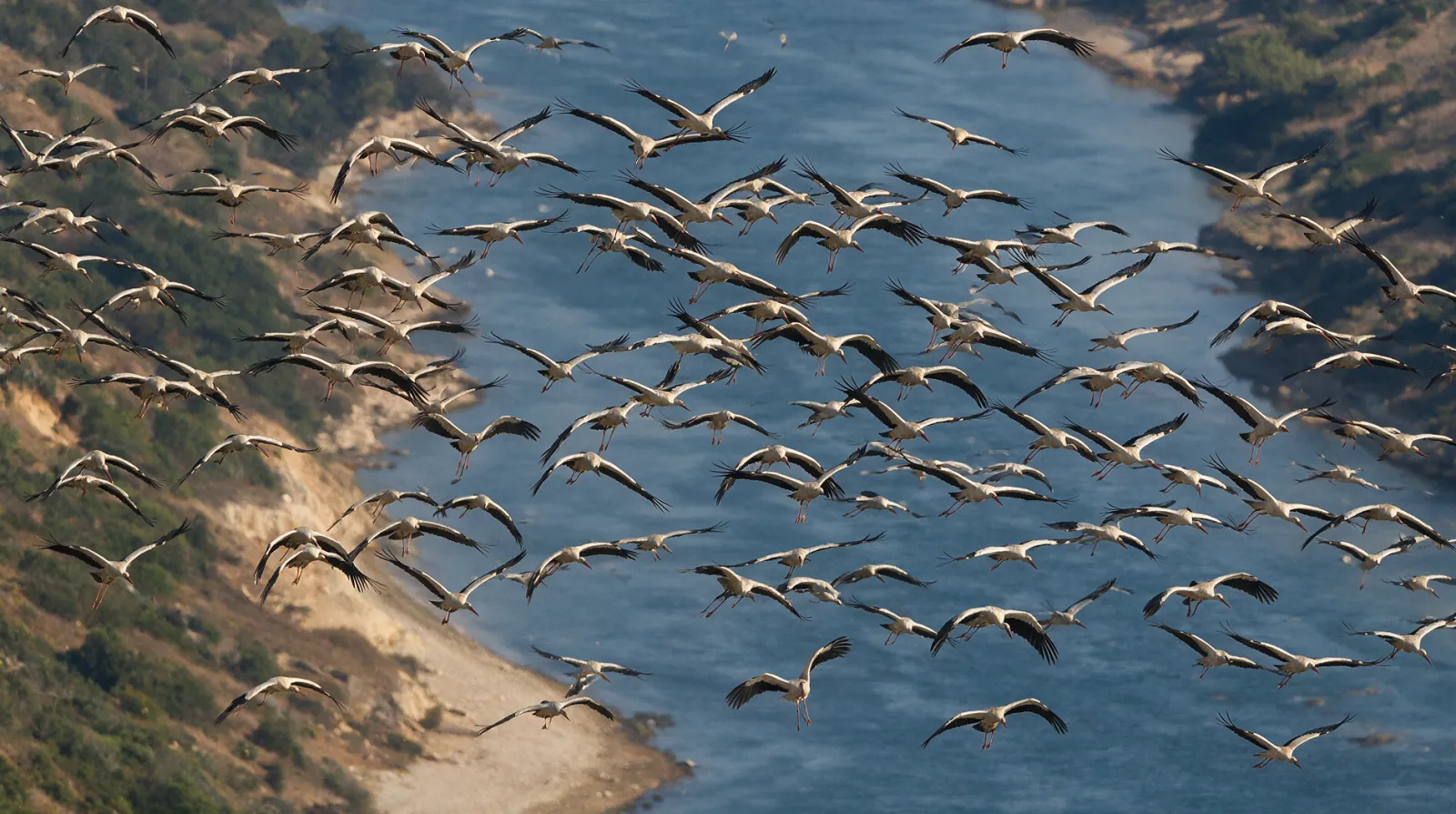
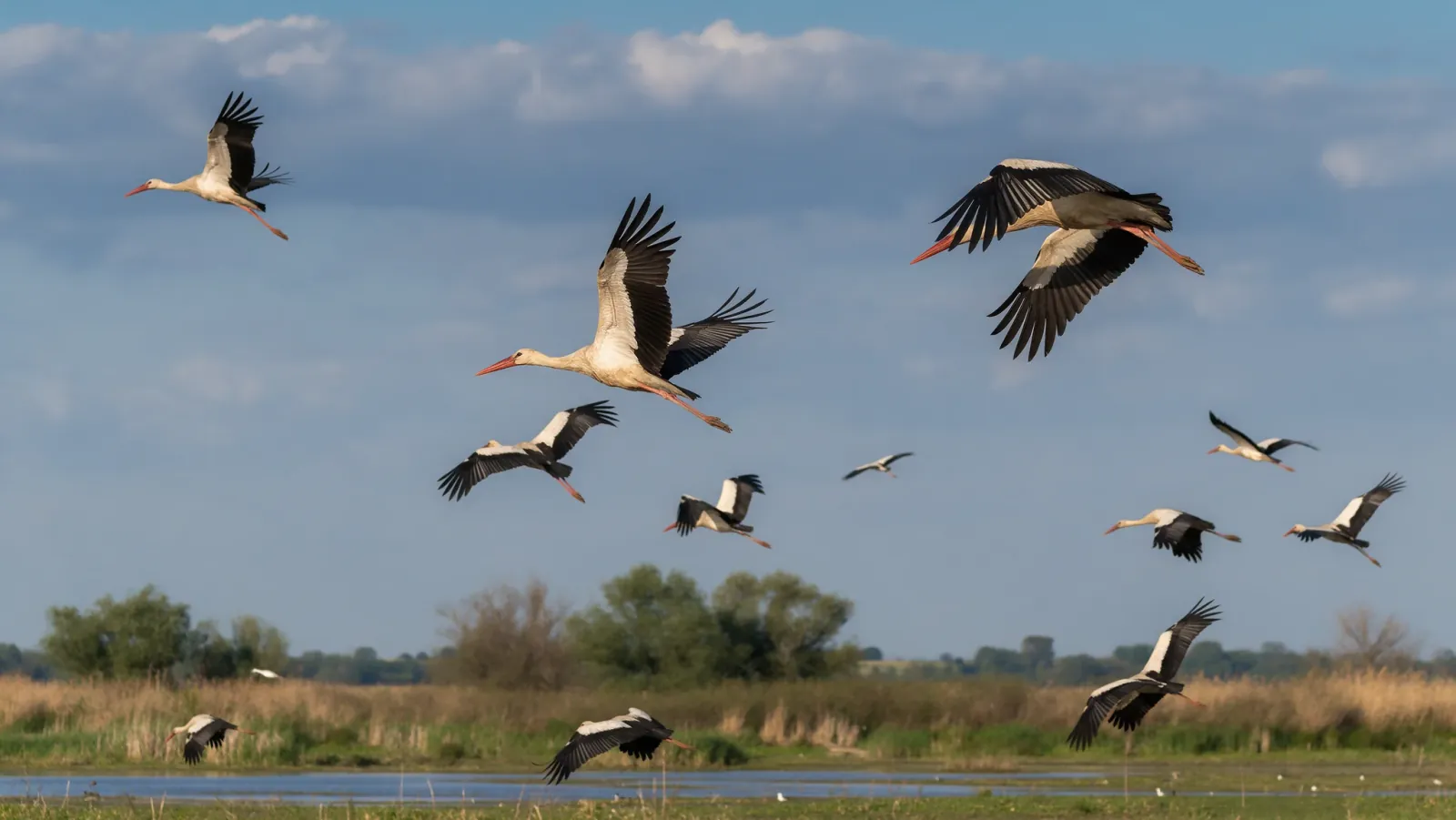
Cold water gives no lift, so the whole migration squeezes through a few narrow straits. The wait at the shore is part of the route.
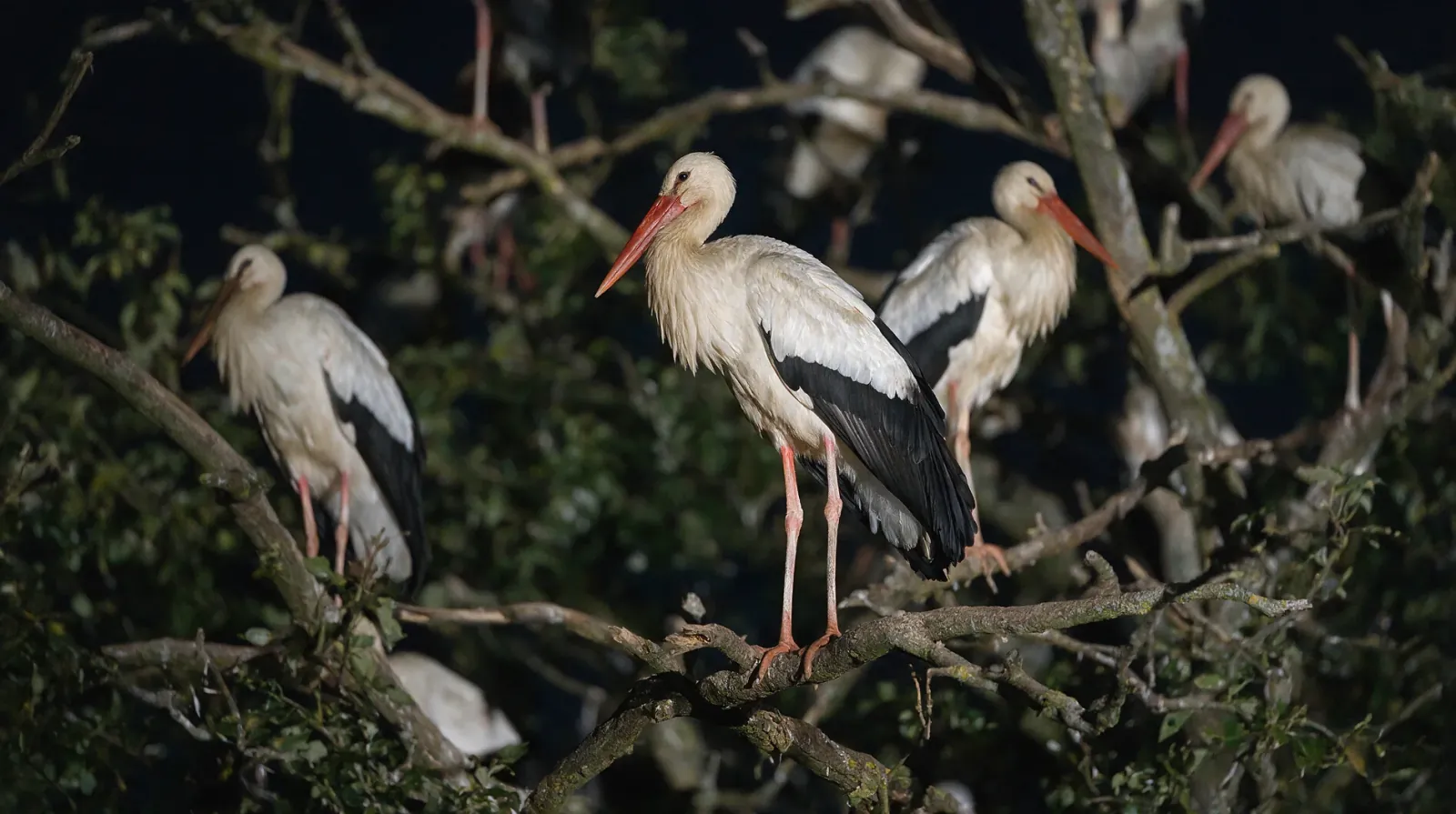
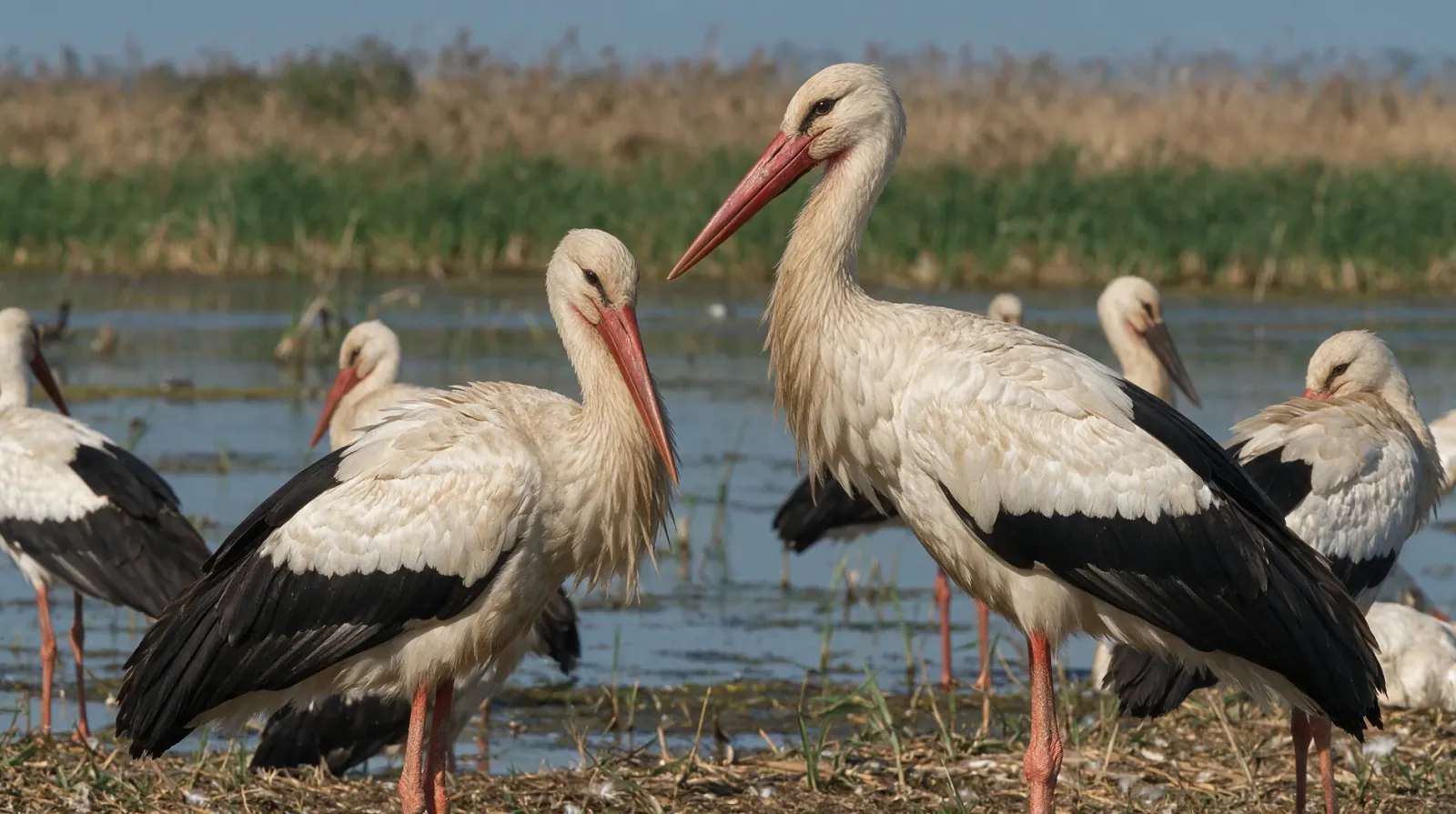
The lead bird pays for the air everyone behind it uses. By evening the flock crowds into trees, and after the sea it sleeps in a strange land.
A bird raised alone still leaves on a southerly bearing. Sun, magnetic field and older birds carry it across a continent.
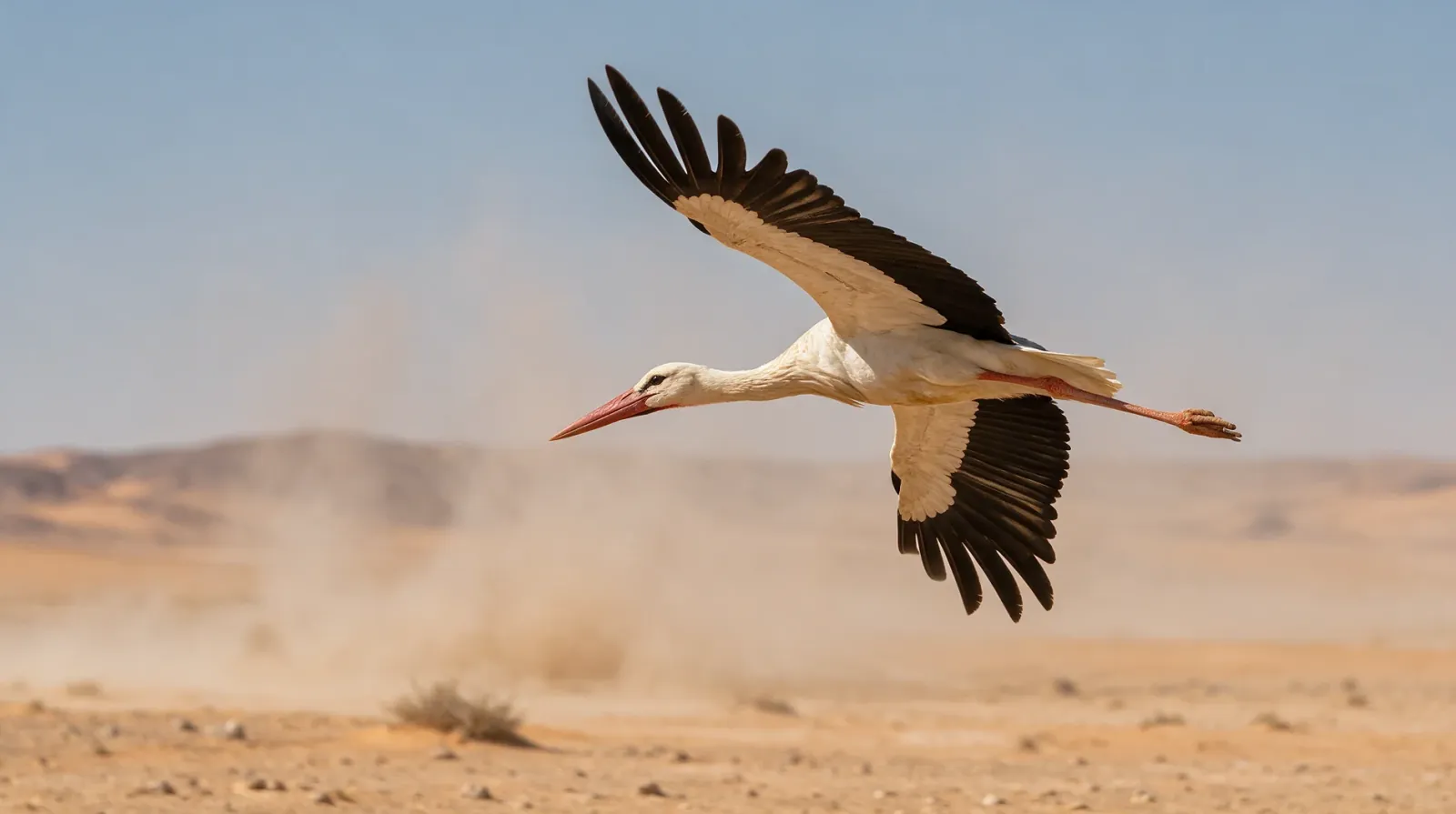
There is no water, shade or food for days. Storks cross the desert on stored fat, riding heat that rises faster than over green country.
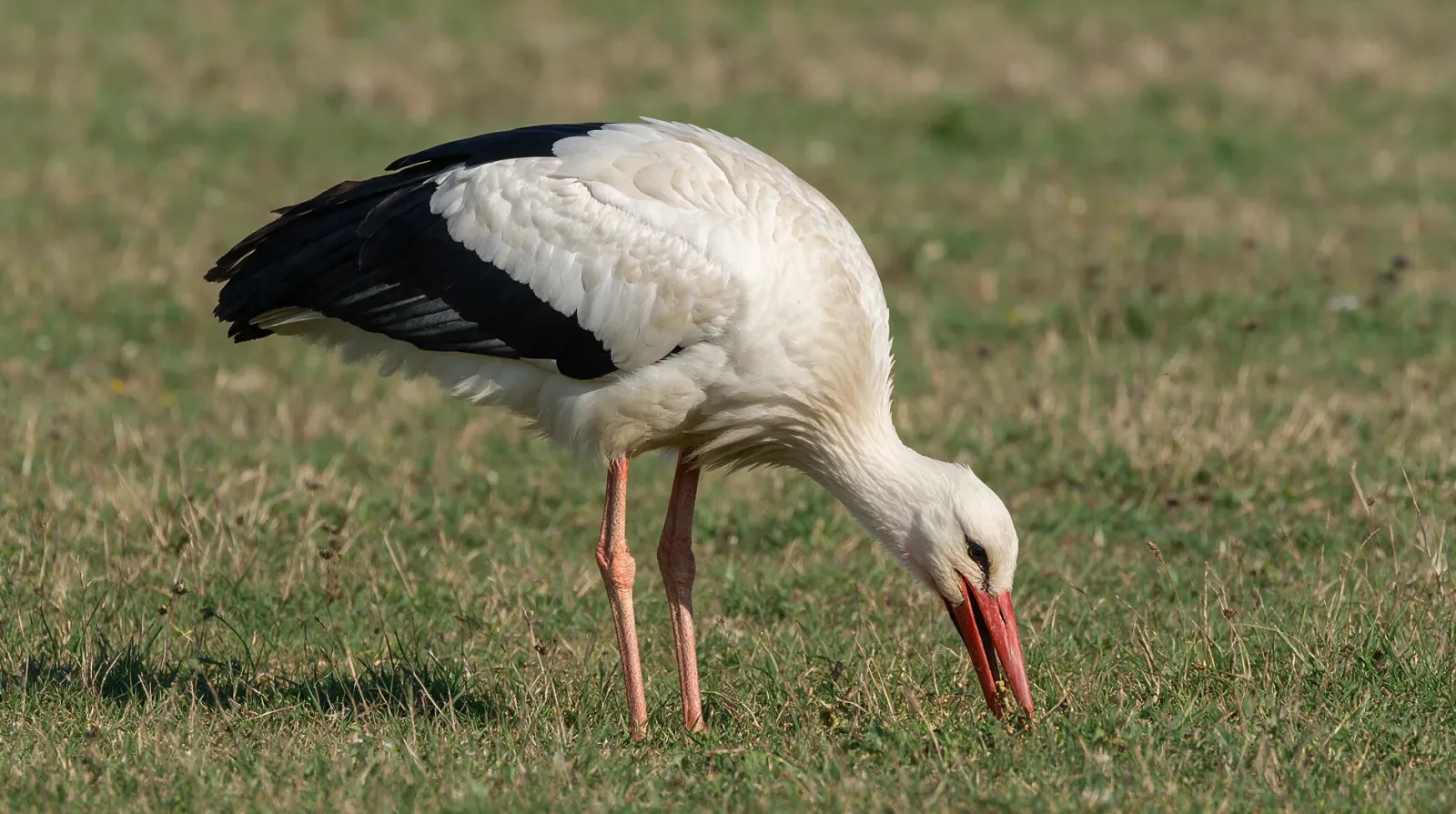
Storks lay down fat for weeks, gather in fields and leave in waves. A mild winter with easy food can keep some home all year.
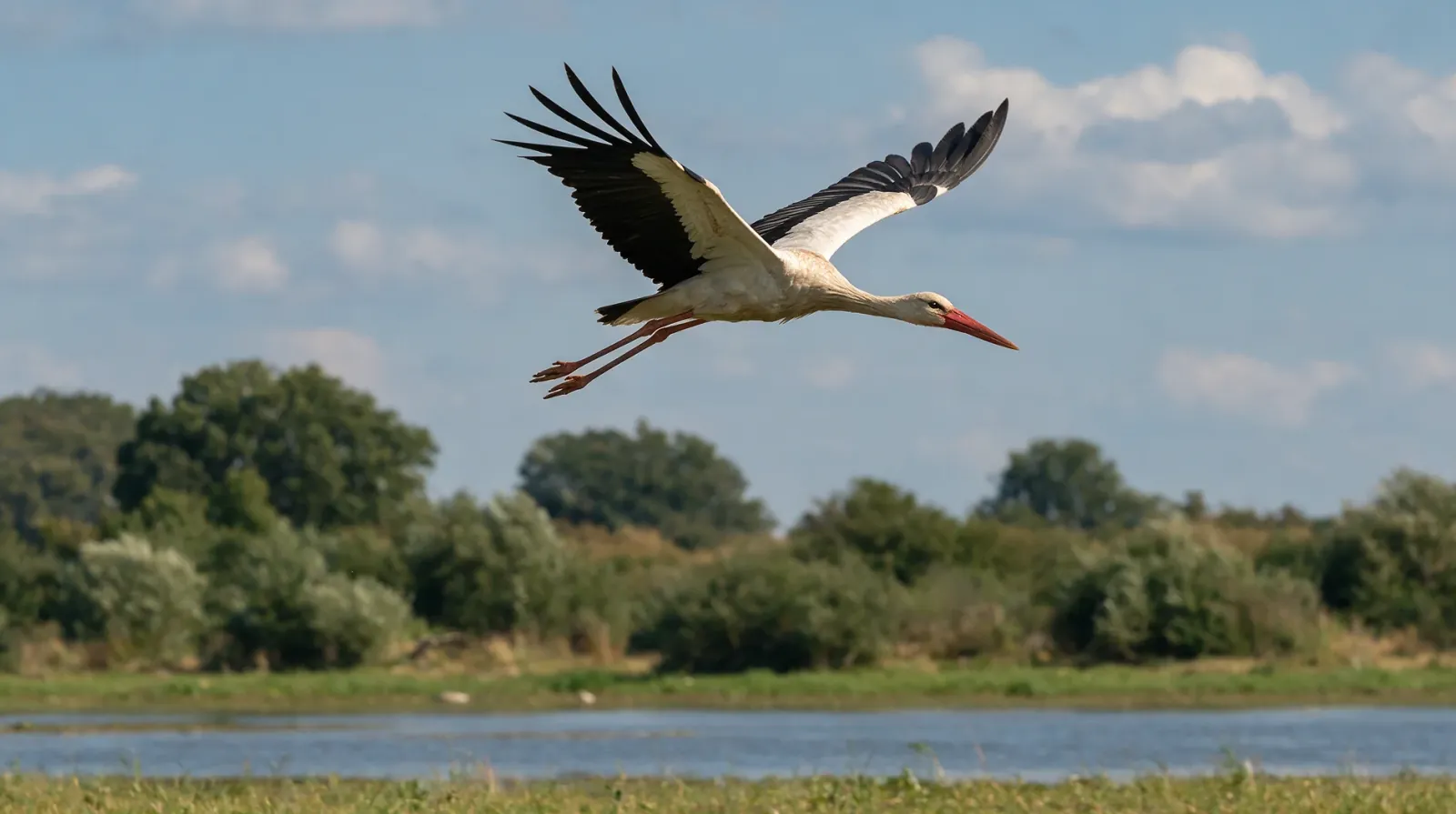
A good marsh offers shallow water, wet grass and a safe roost close together. Drain one and the whole chain of stops strains.
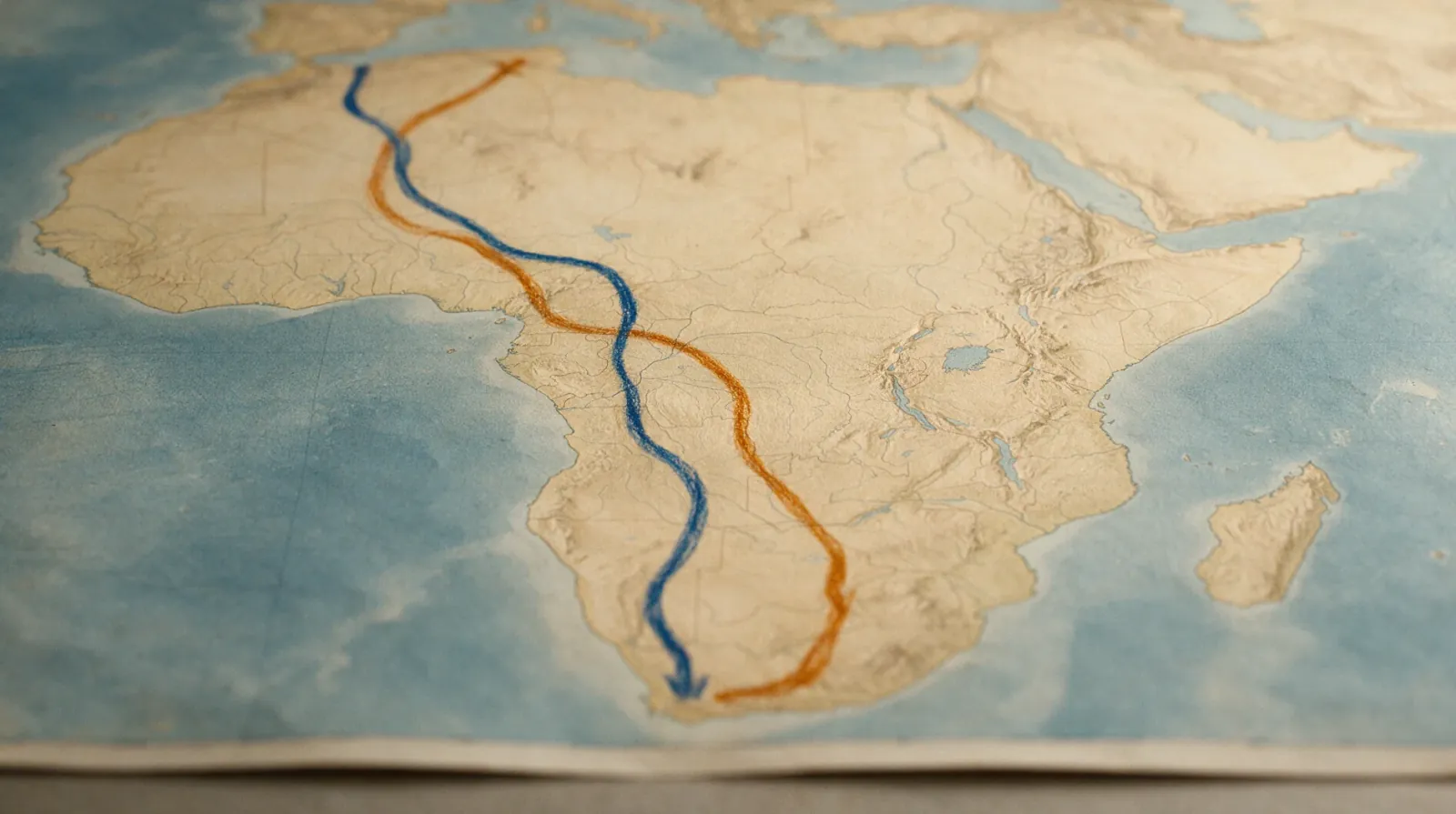
Western storks cross at Gibraltar, eastern birds funnel through the Bosphorus, and the two roads carry different miles, mountains and risks.
A tailwind carries a flock far in a day; a headwind can hold it for a week. Wind sets the pace of both migrations.