Little beginnings. Wild journeys. Notes on a world worth growing up in.
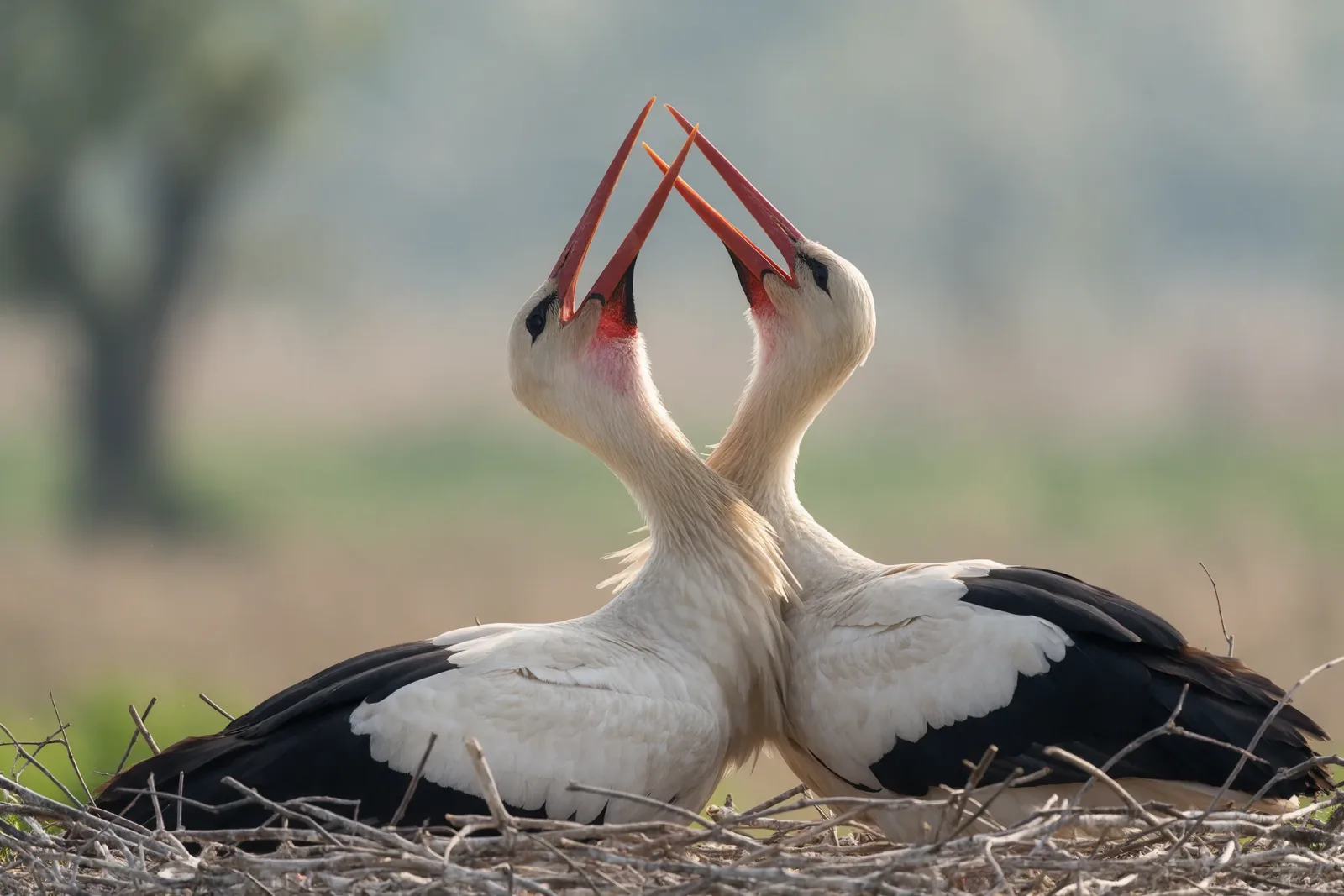
White storks have almost no voice, so they clatter their bills to greet a mate, claim a nest, and answer a neighbour across the roofs.
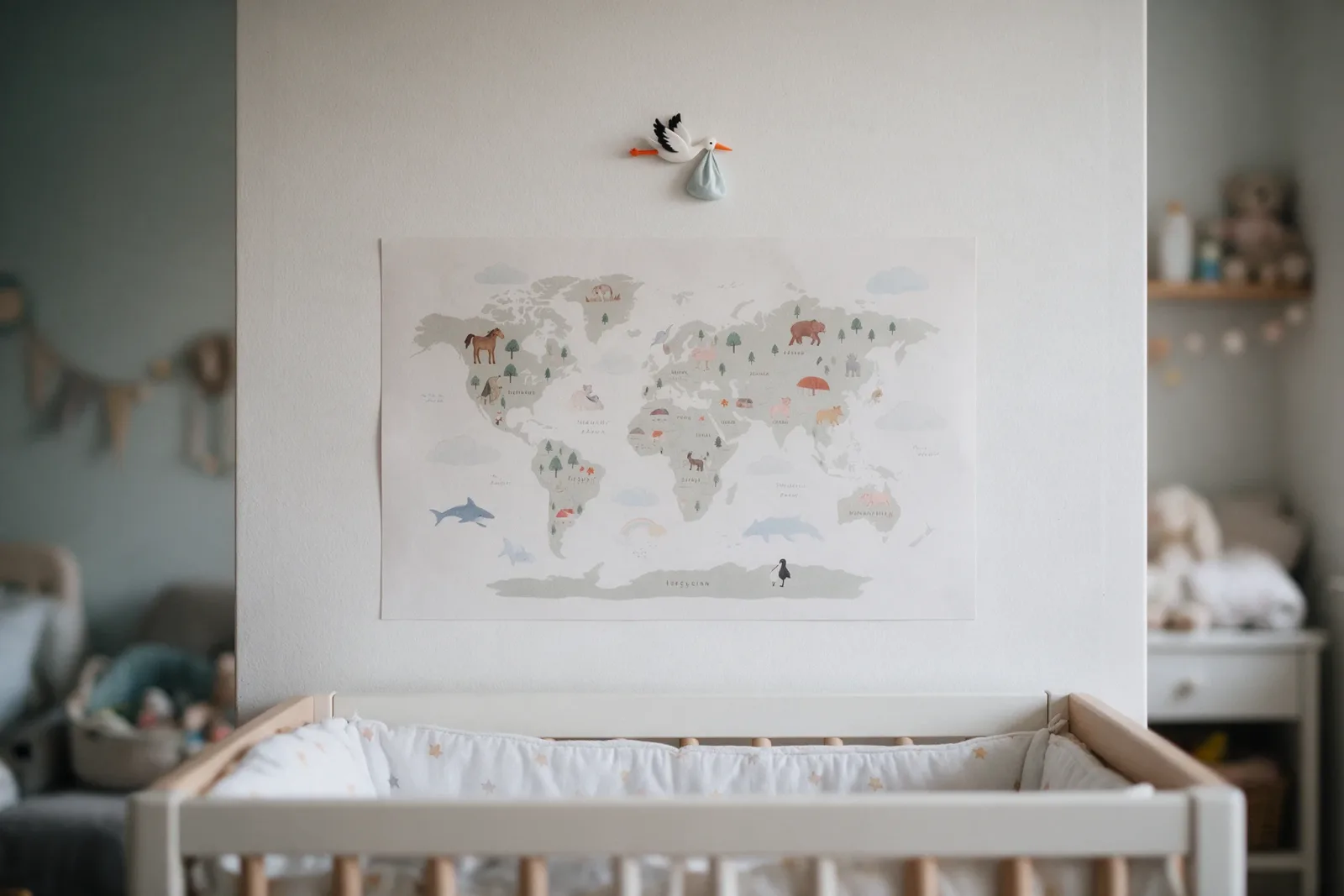
One card can give a newborn a bird to follow and give two tired adults a reason to open the door and look up.
Soup, a short visit and a card carrying a stork's name can help a newborn's household more than a table of presents.
Most presents are clutter within a year, while a named bird and a map keep unfolding long after the plastic is gone.
A newborn sees about 30 centimetres, weighs a few kilos, and will one day follow a stork's route across a wall map.
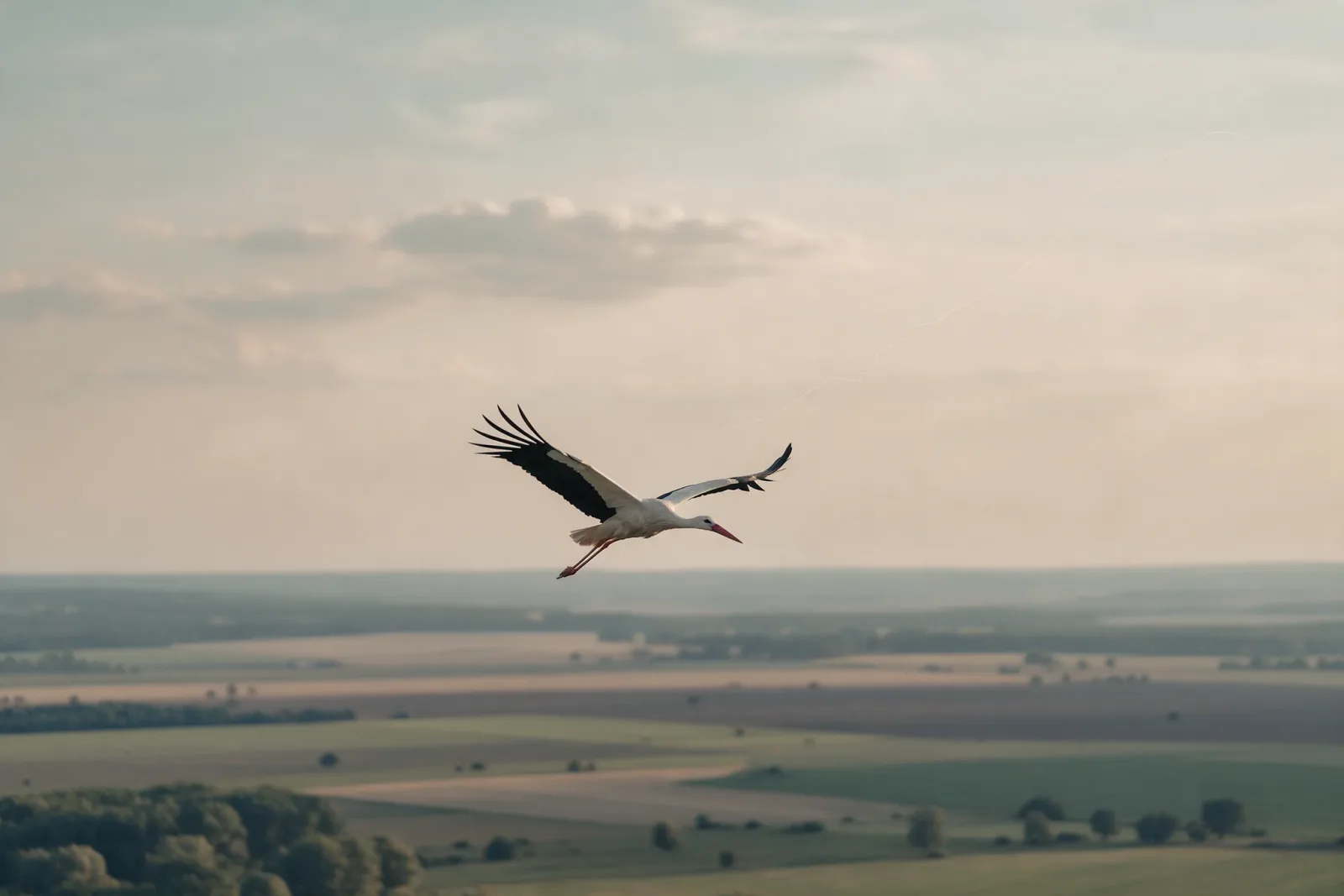
A tag sends a coordinate and a time, never the wind or the hunger, and a family learns to read patience in the gaps between fixes.
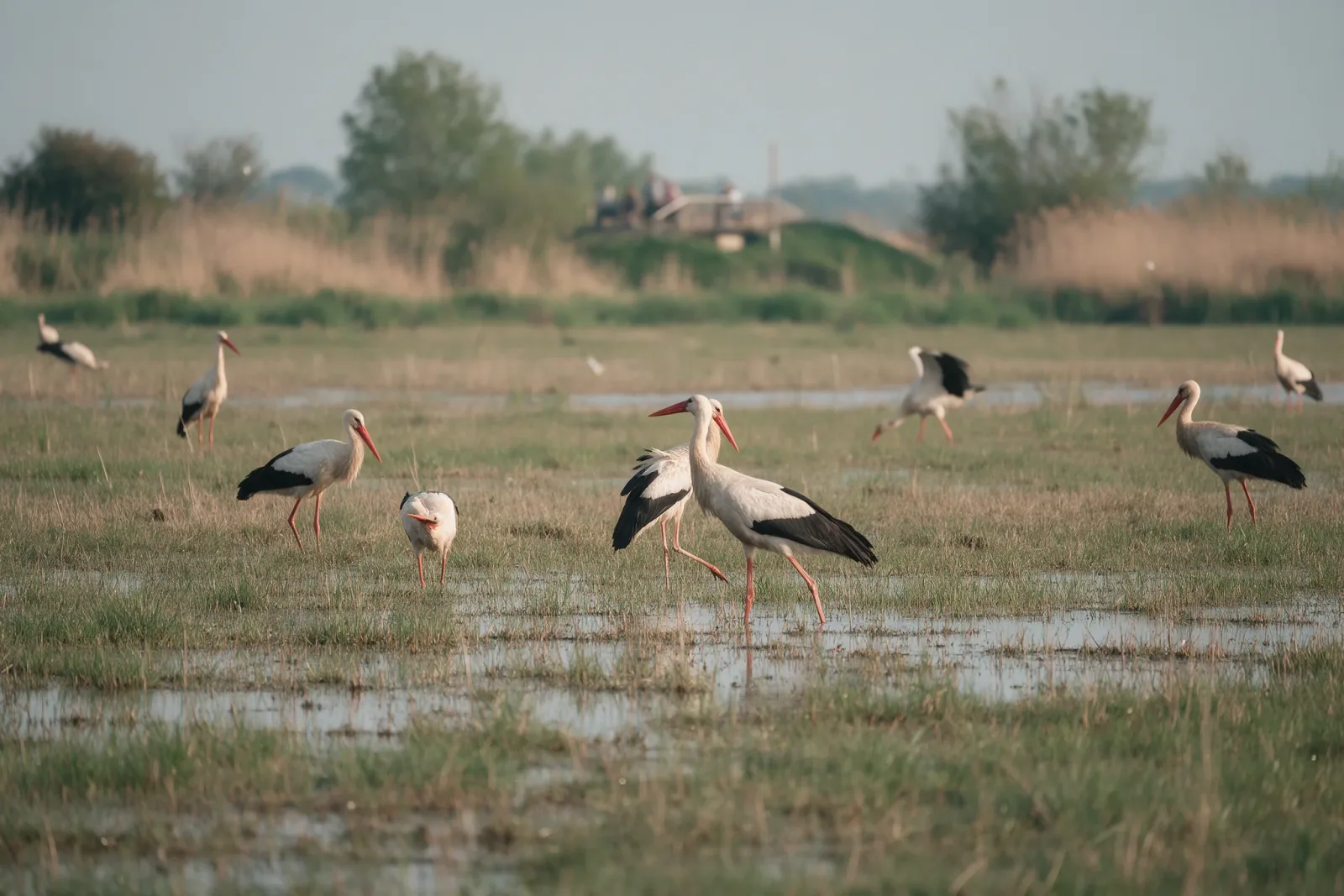
White storks feed where water sits thin over grass, so check cut hay meadows, shallow ditches, and the big stick nest on a village chimney.
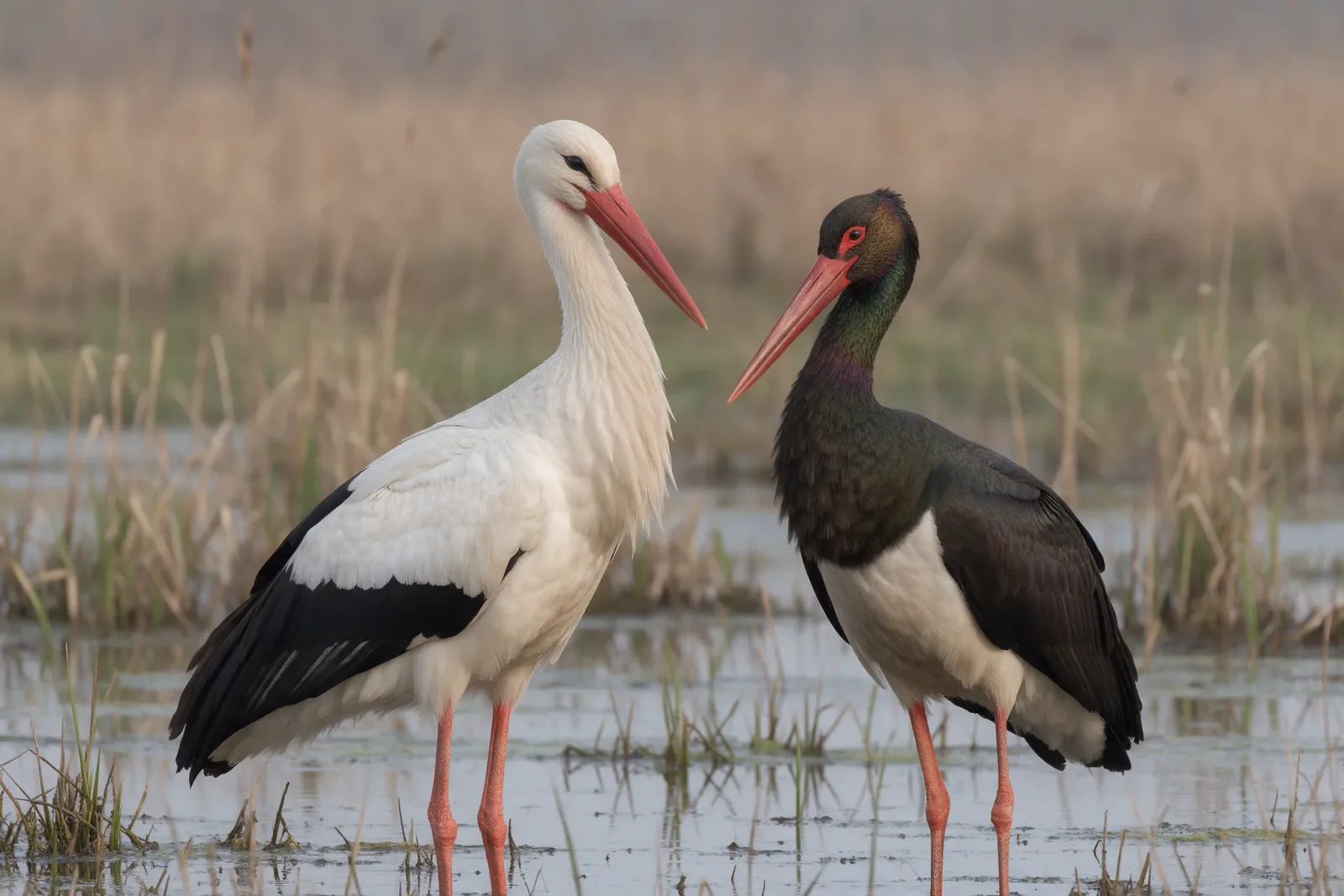
About twenty species share one body plan, from the rooftop white stork to the bald marabou, the forest black stork and Asia's woolly-necked bird.