Little beginnings. Wild journeys. Notes on a world worth growing up in.
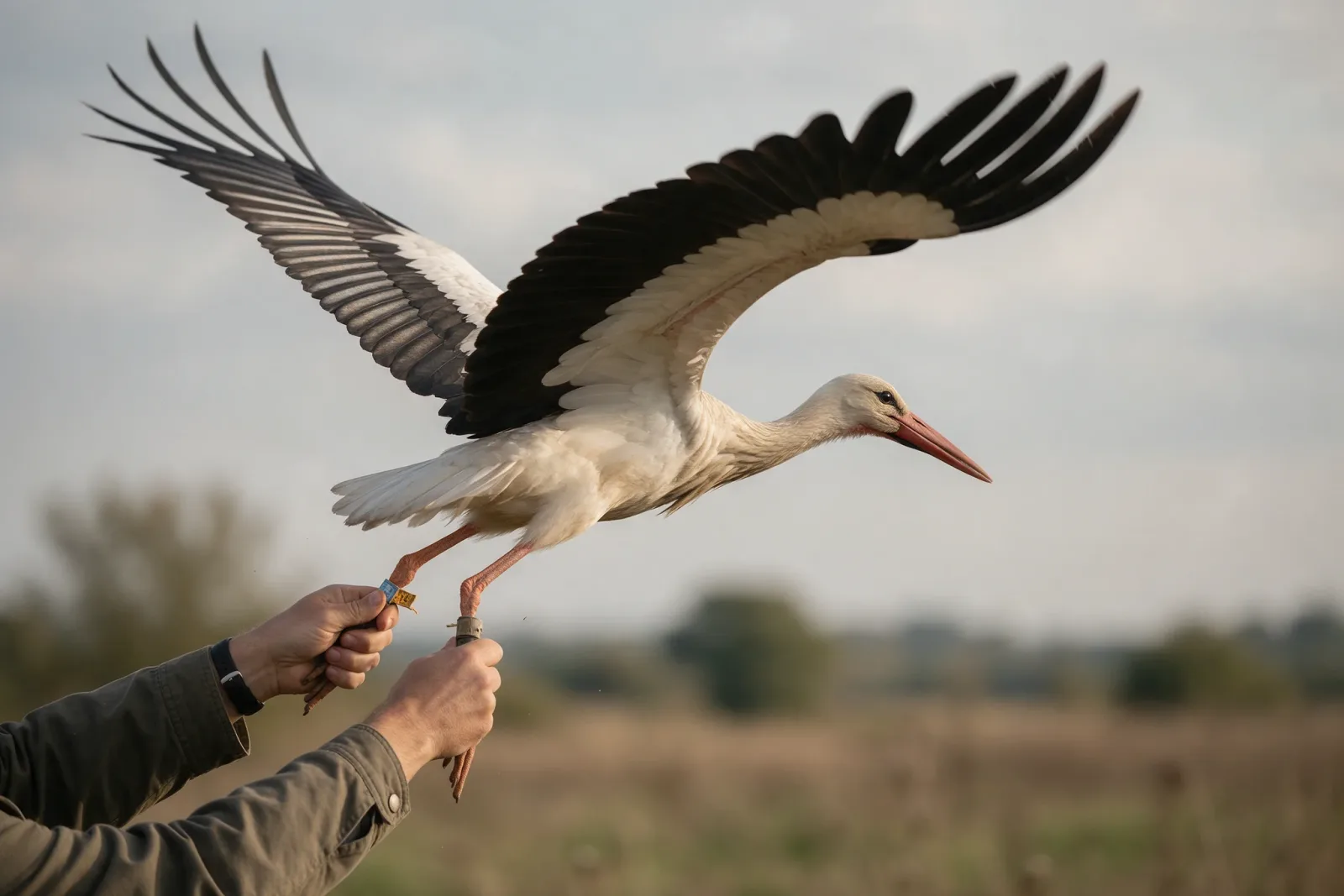
A nestling is ringed and measured before it can fly, and the short name written beside its code often outlasts the record.
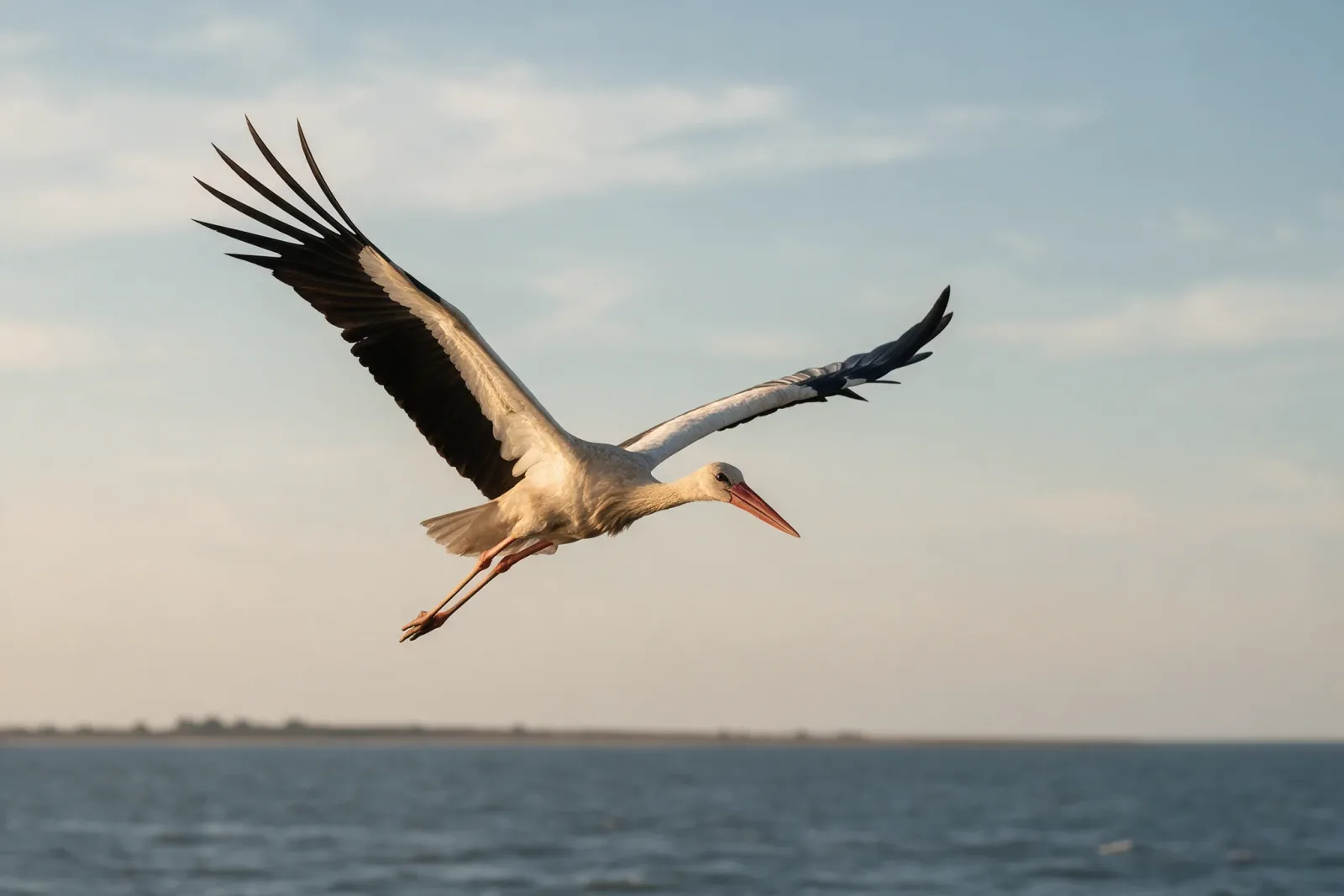
A white stork can cross several thousand kilometres between Europe and Africa, and most of the flying costs almost no flapping.
A white stork tells you what it is about to do through its stance, its walk, and a rattle of bills that carries across the colony.
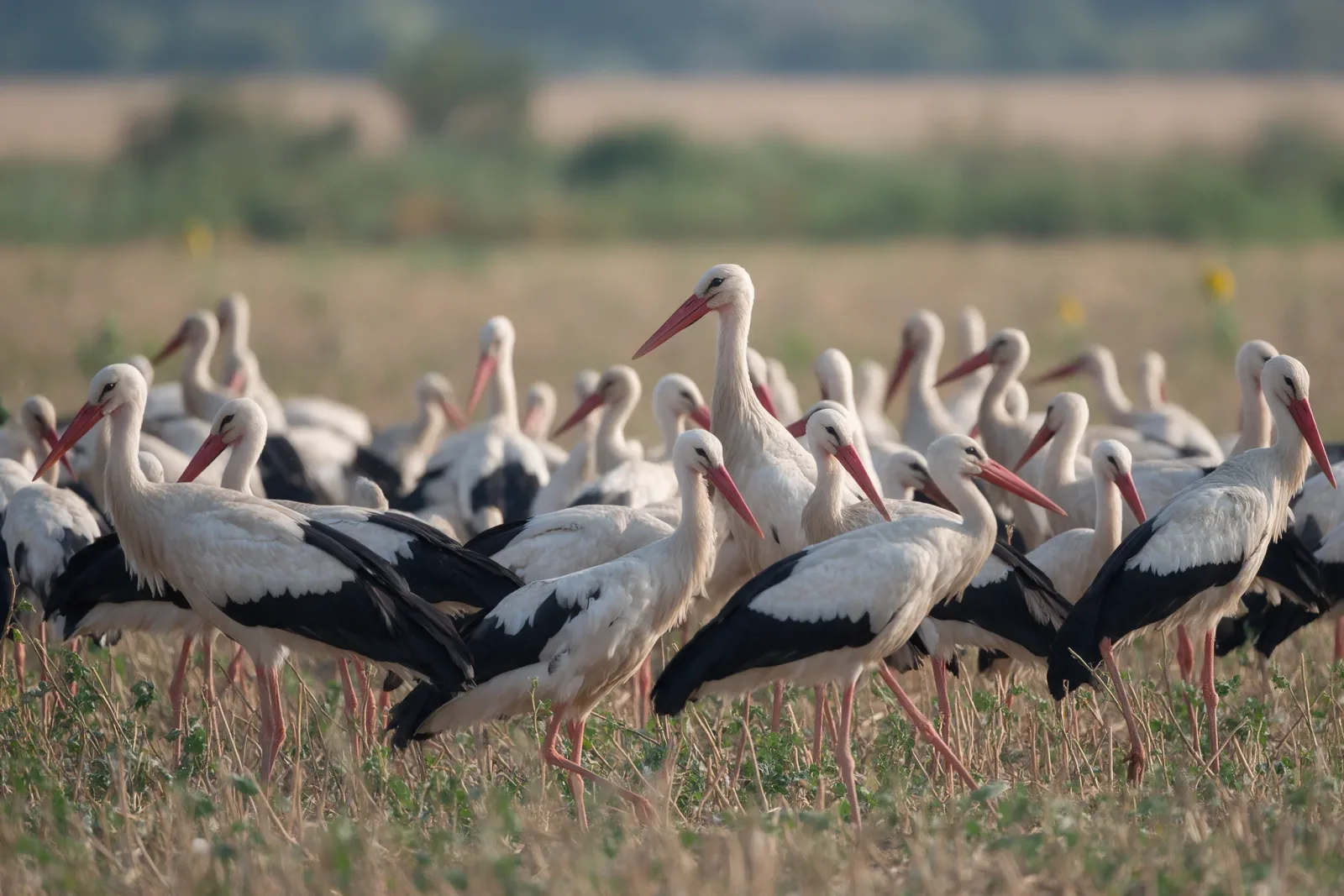
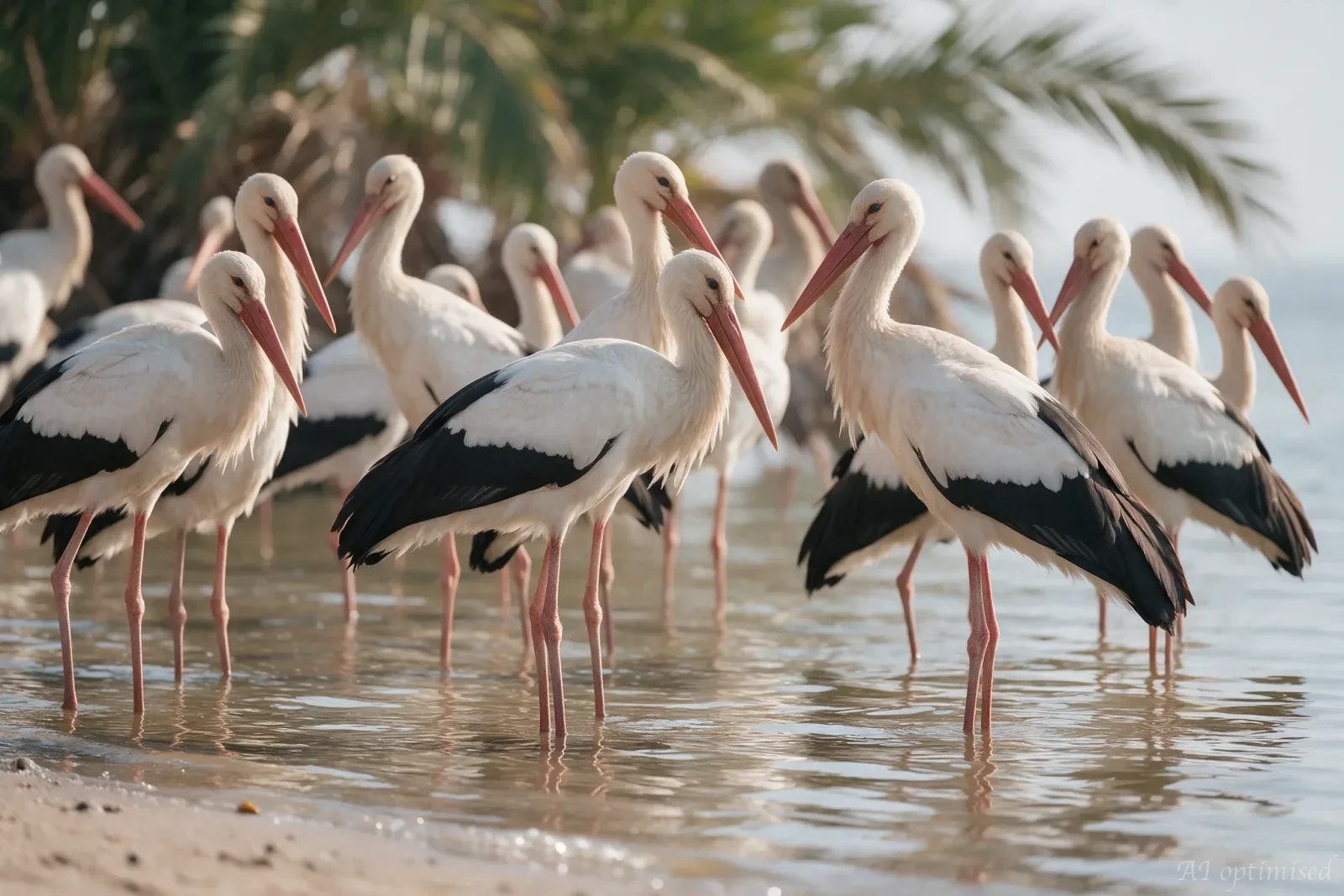
A cut field can draw storks within hours, and birds that fought over nests in June will feed shoulder to shoulder by September.
The black stork keeps to forest rivers, cranes are its lookalikes, and the baby story has hidden the real bird for centuries.
A shift in the wind can empty a district of storks before lunch, while a village twenty miles away keeps its birds for another week.
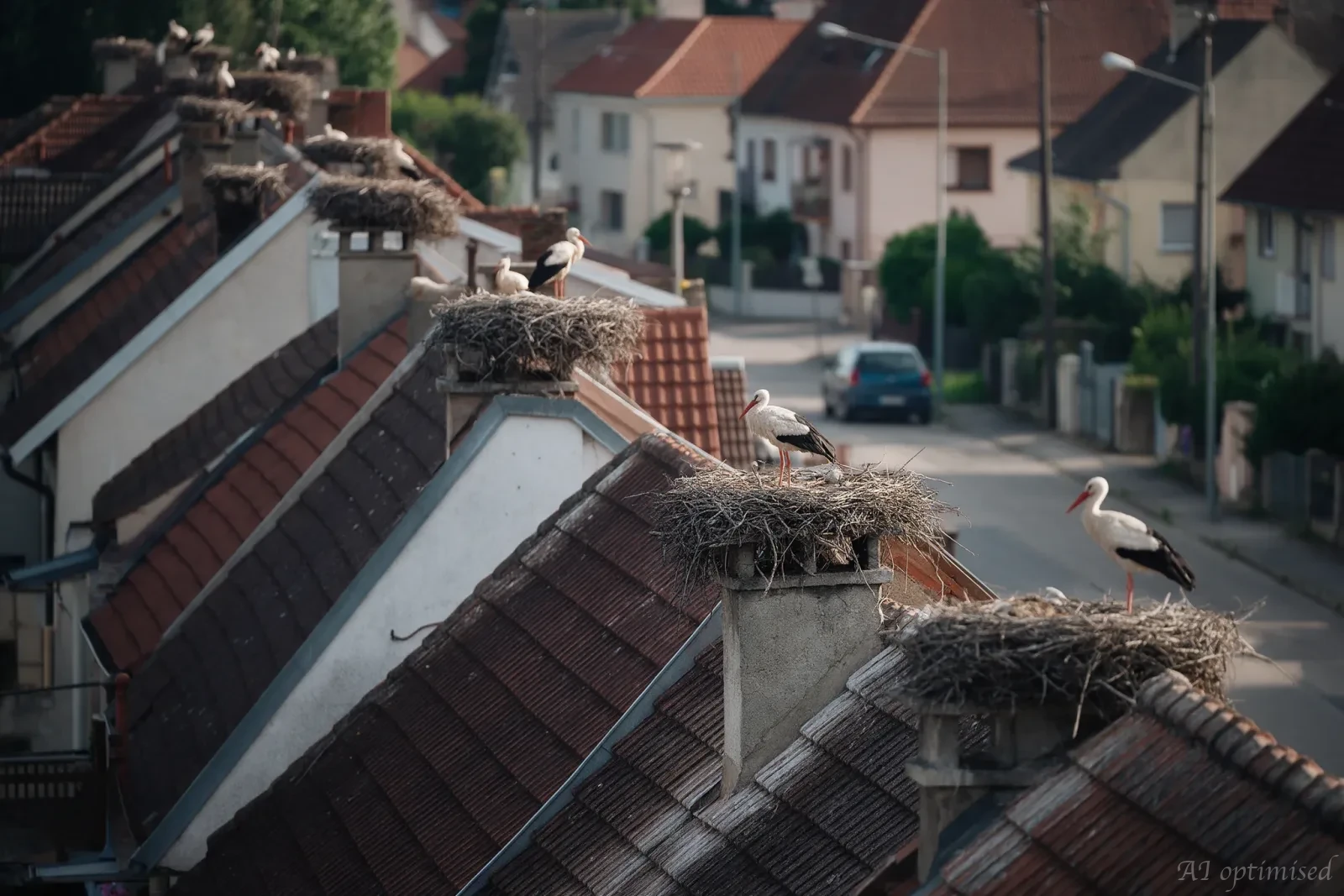
In some European towns the white stork nests on chimneys above the schoolyard, and nobody treats it as a visitor.
Most white storks winter south of the Sahara, but a growing number stay in western Europe, where a sudden freeze tests the bet.