Little beginnings. Wild journeys. Notes on a world worth growing up in.
Sula waits for days at a wet meadow, Lumi closes a clean loop, Halvar goes silent for a week, and each route is a reconstruction.
White storks leave Europe when frost drives frogs and insects down, and shortening days set the date of departure.
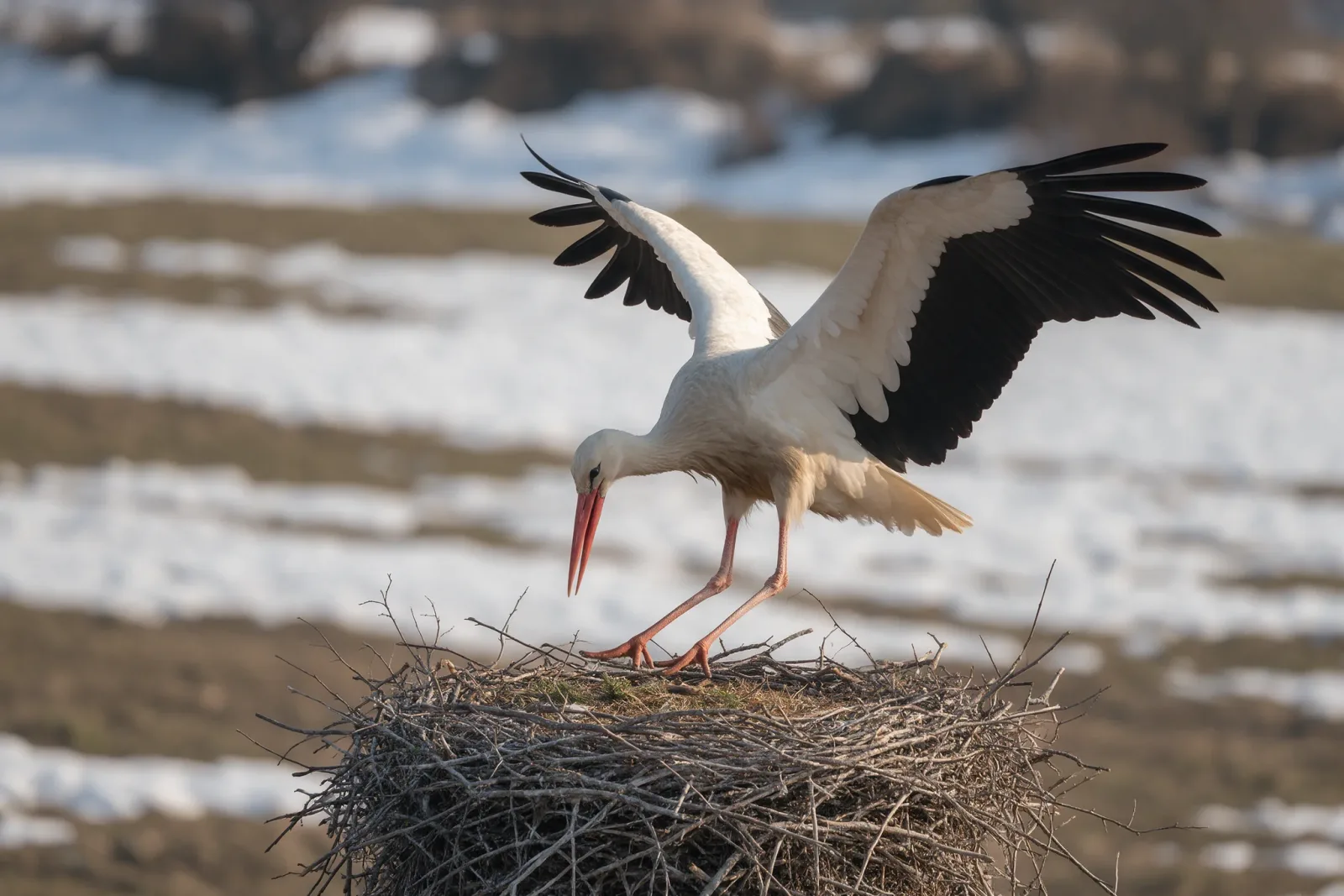
Most white storks enter Europe between February and April, and the first bird can arrive while snow still sits in the ditches.
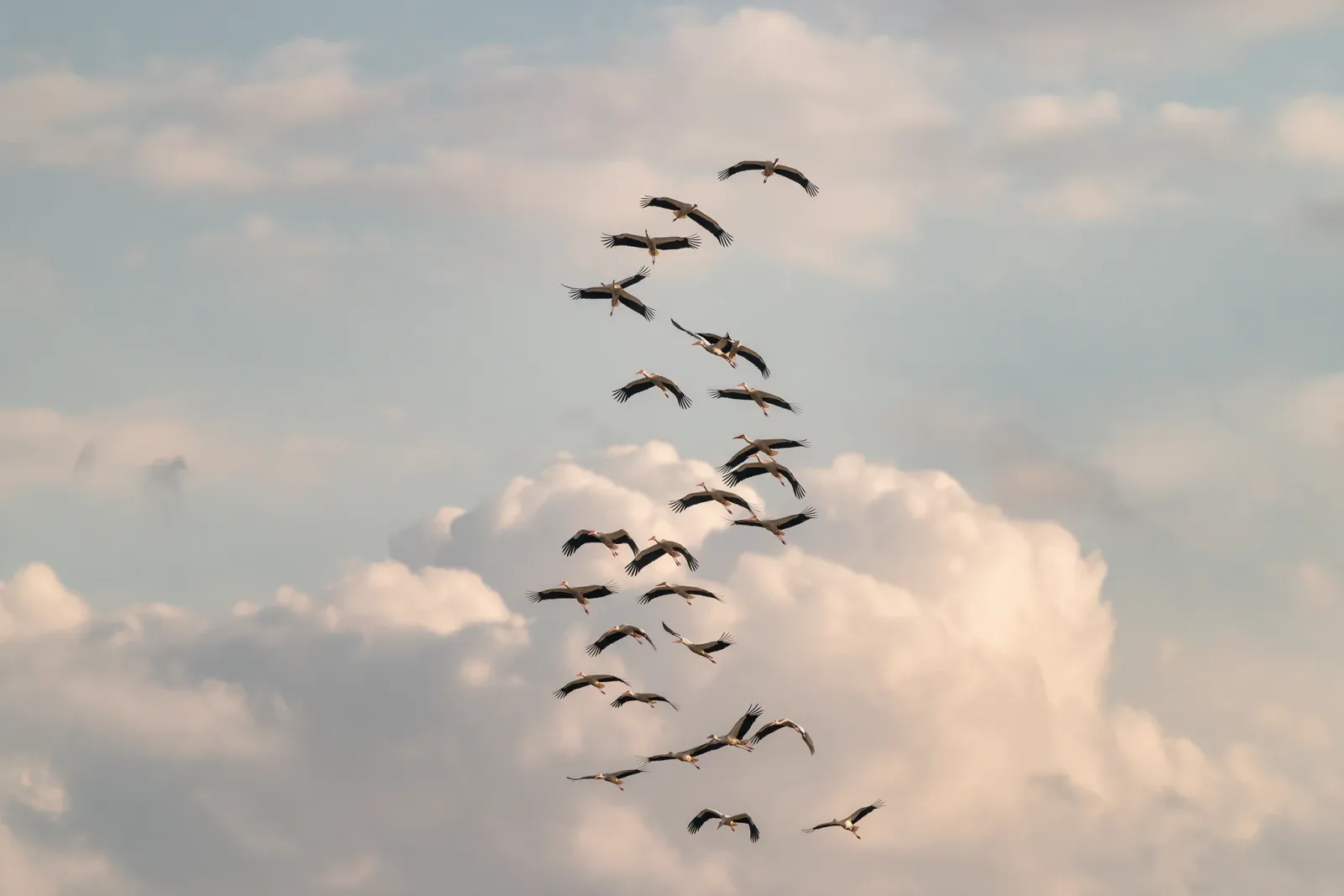
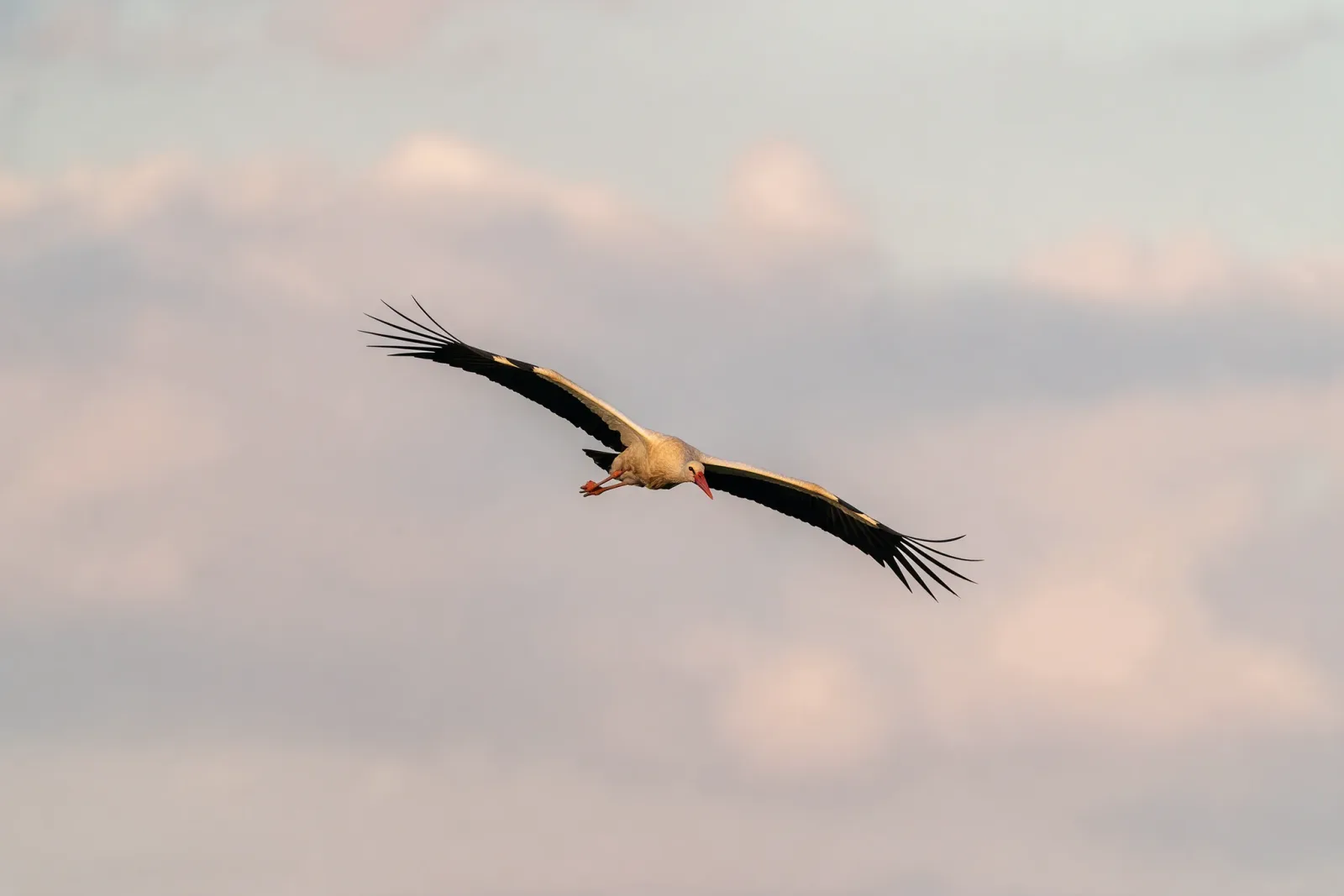
A white stork climbs on warm air, glides to the next column and crosses a continent on wings that flap mainly for takeoff and landing.
Drained marshes, guns at sea crossings, and pesticides emptied Europe's roofs. The bird came back, and the same pressures still decide each season.
Western storks funnel over Gibraltar, eastern birds over the Bosphorus, and both routes follow rising air instead of borders.
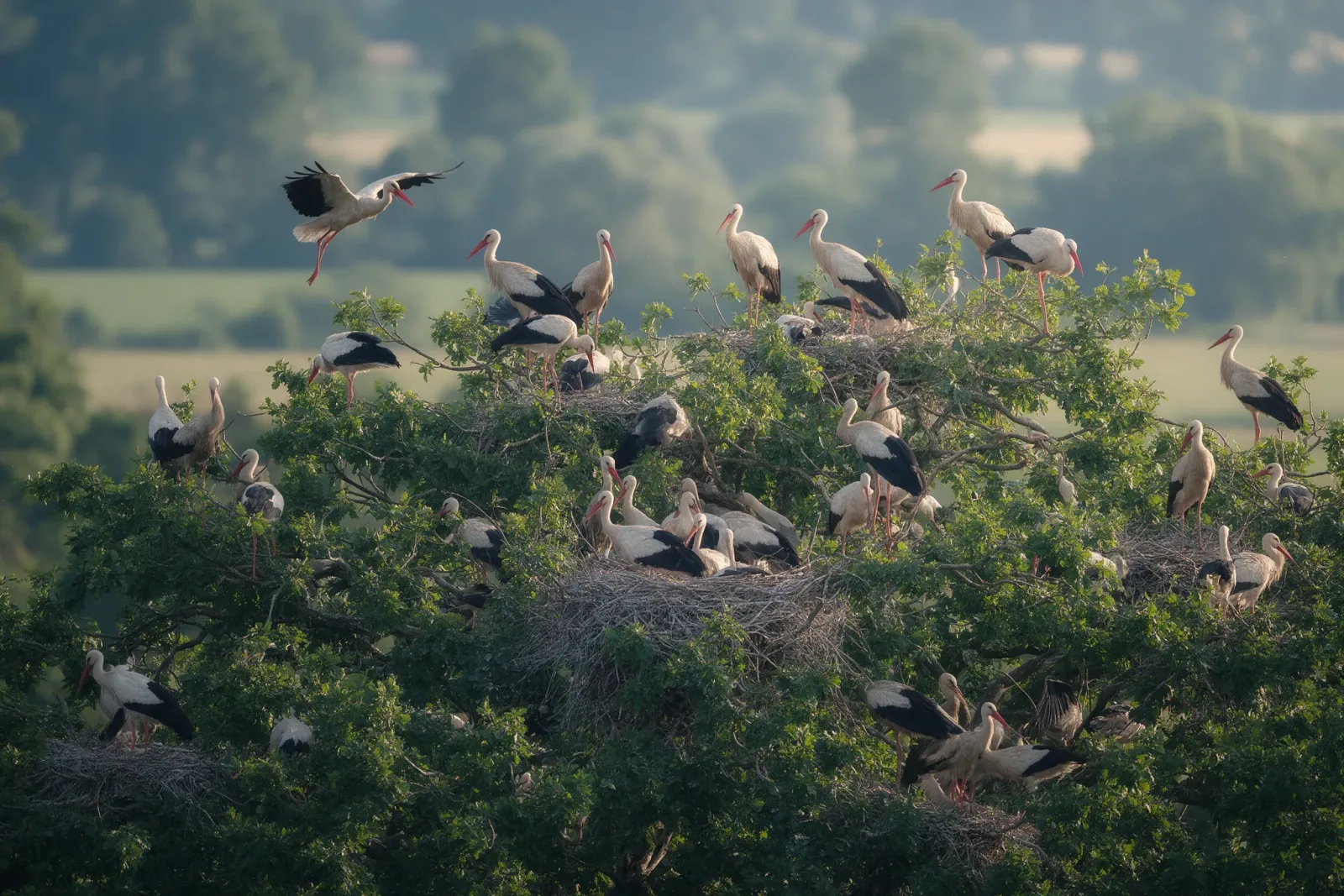
By late May a stork colony works from first light to dusk, with two parents shuttling frogs to chicks that will fly in about two months.
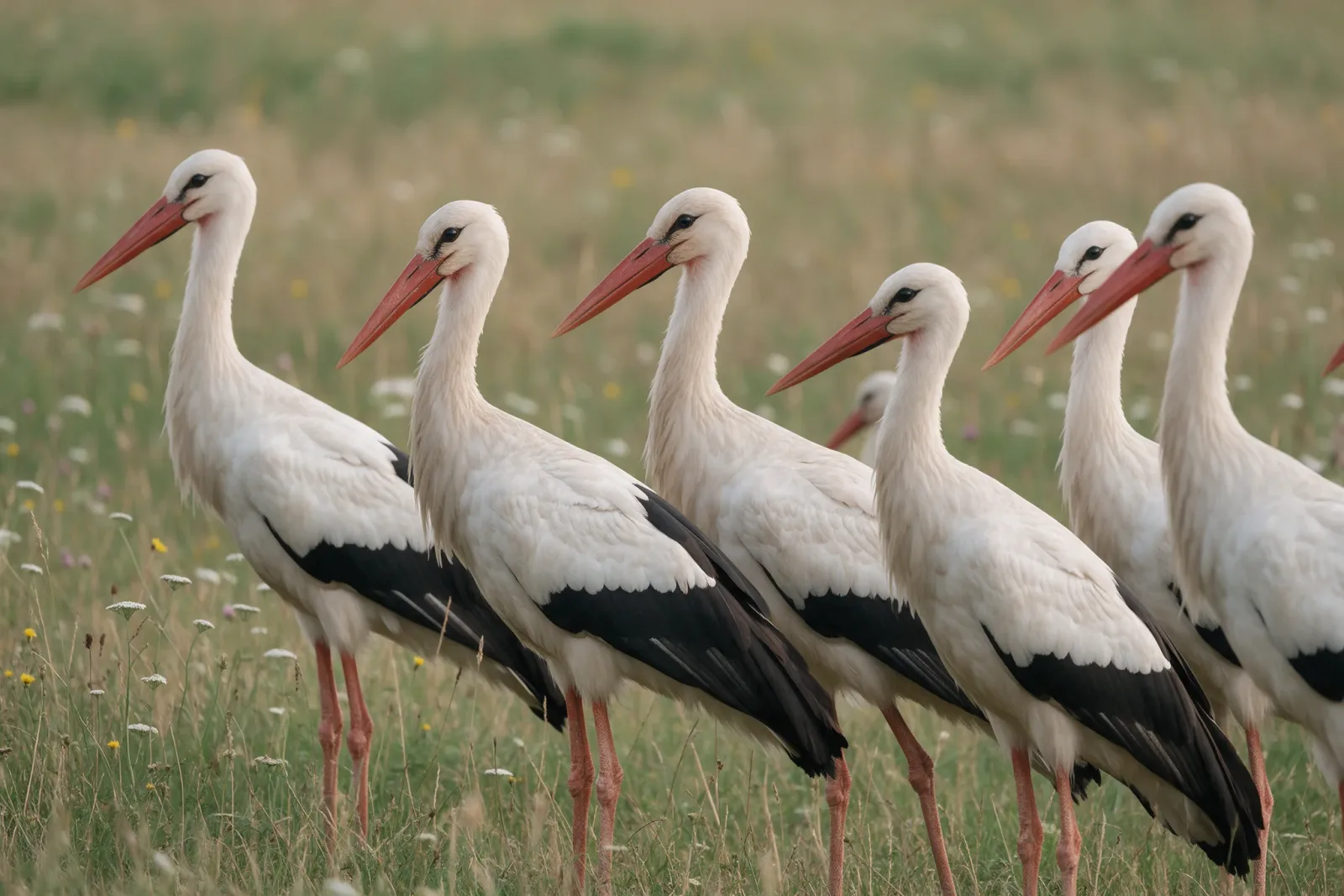
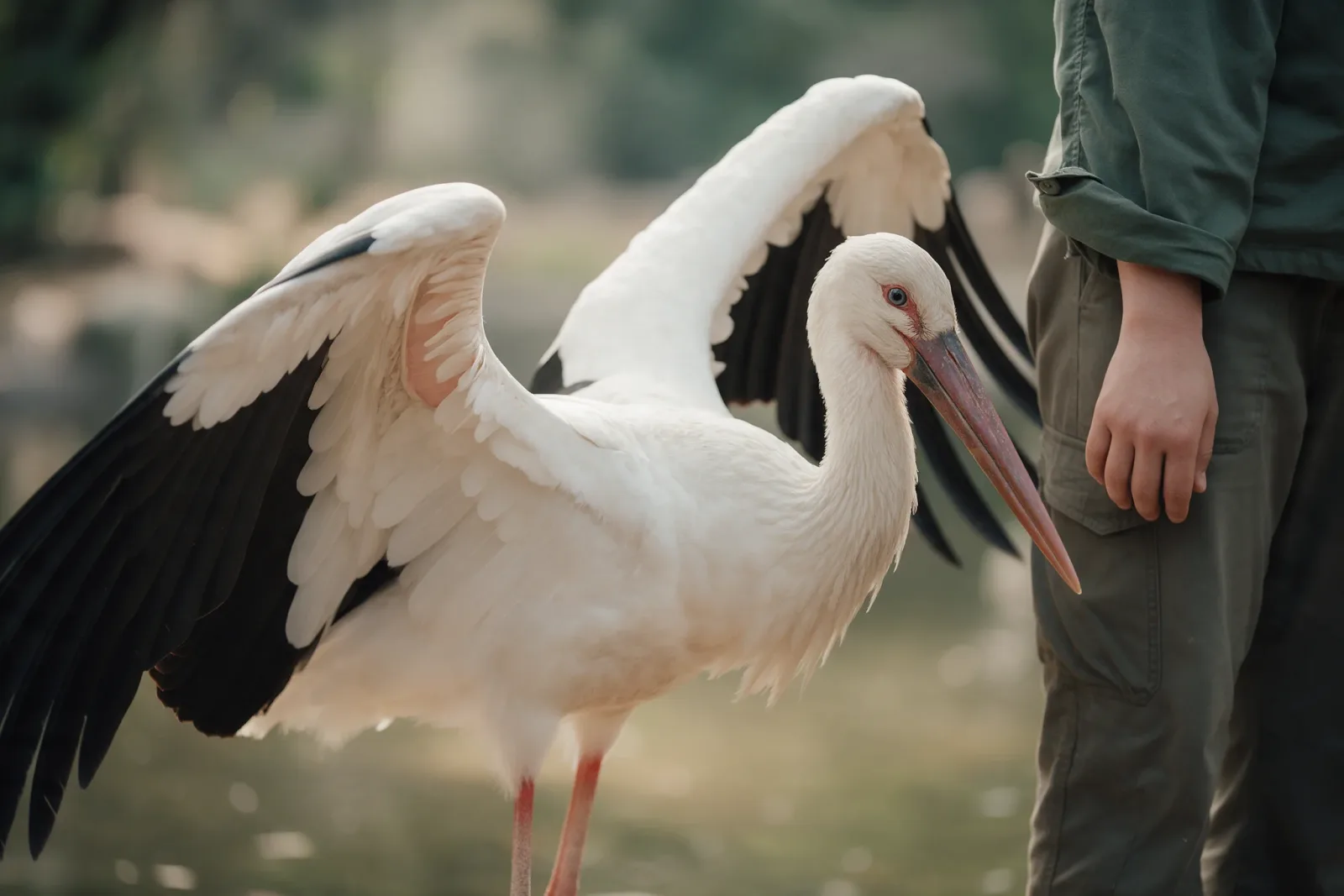
A white stork stands about a metre tall, spans close to two metres and weighs a few kilograms, with a straight red bill and long bare legs.