Little beginnings. Wild journeys. Notes on a world worth growing up in.
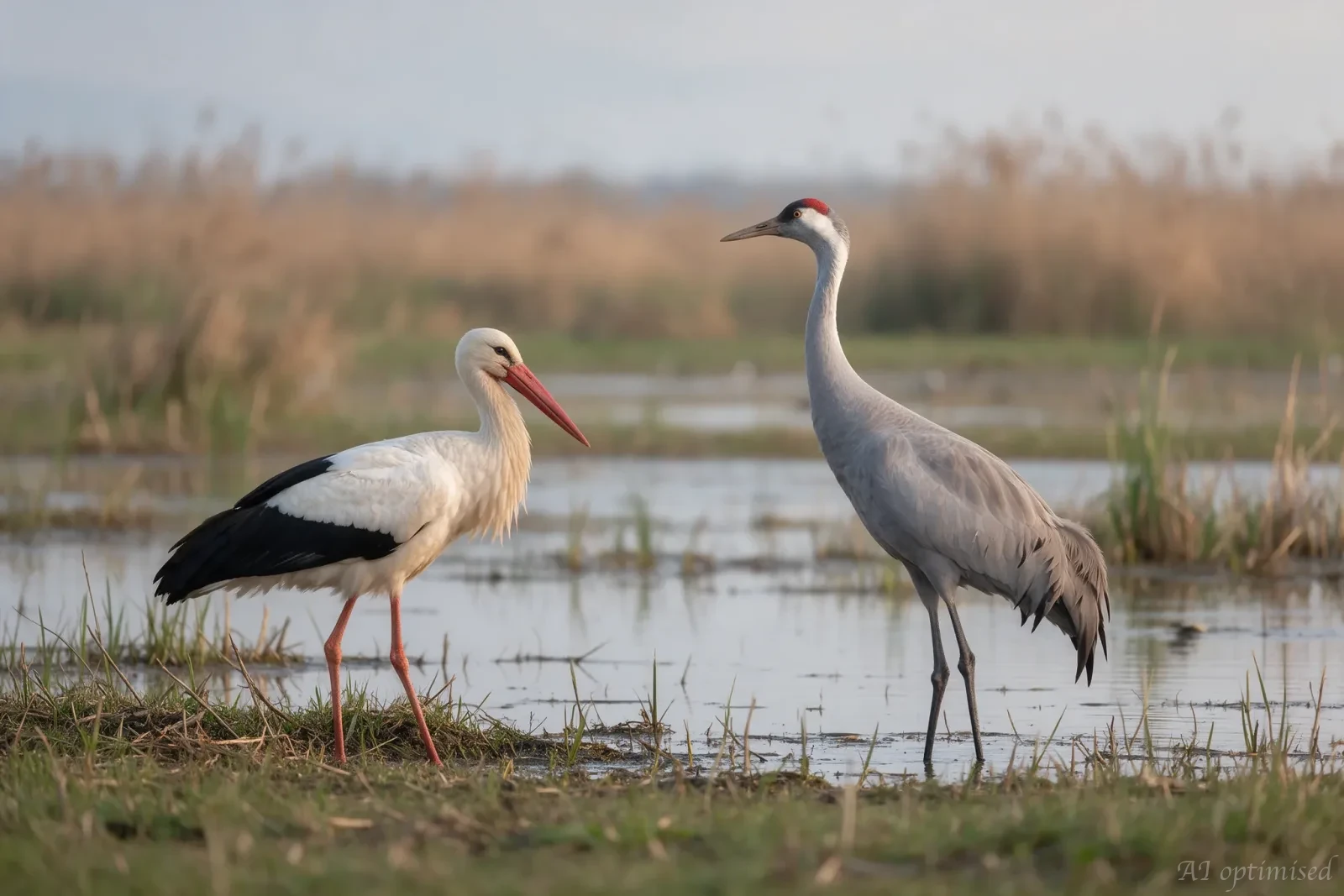
Both fly with the neck out, so check the bill, the colours, the voice, and where the bird stands: storks are red, cranes are grey.
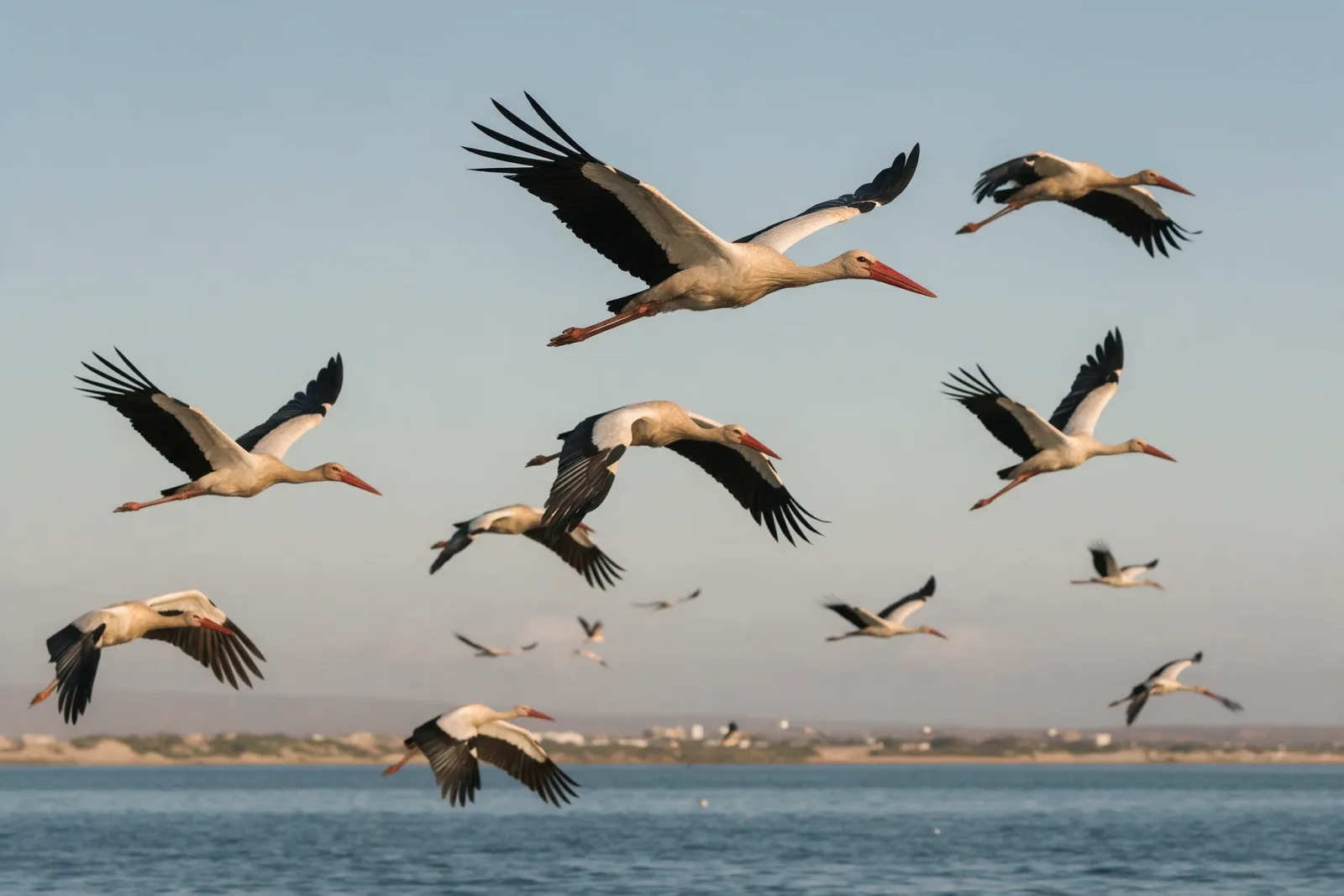
At two narrow straits storks wait days for the right wind, then face a desert crossed in stages from one green place to the next.
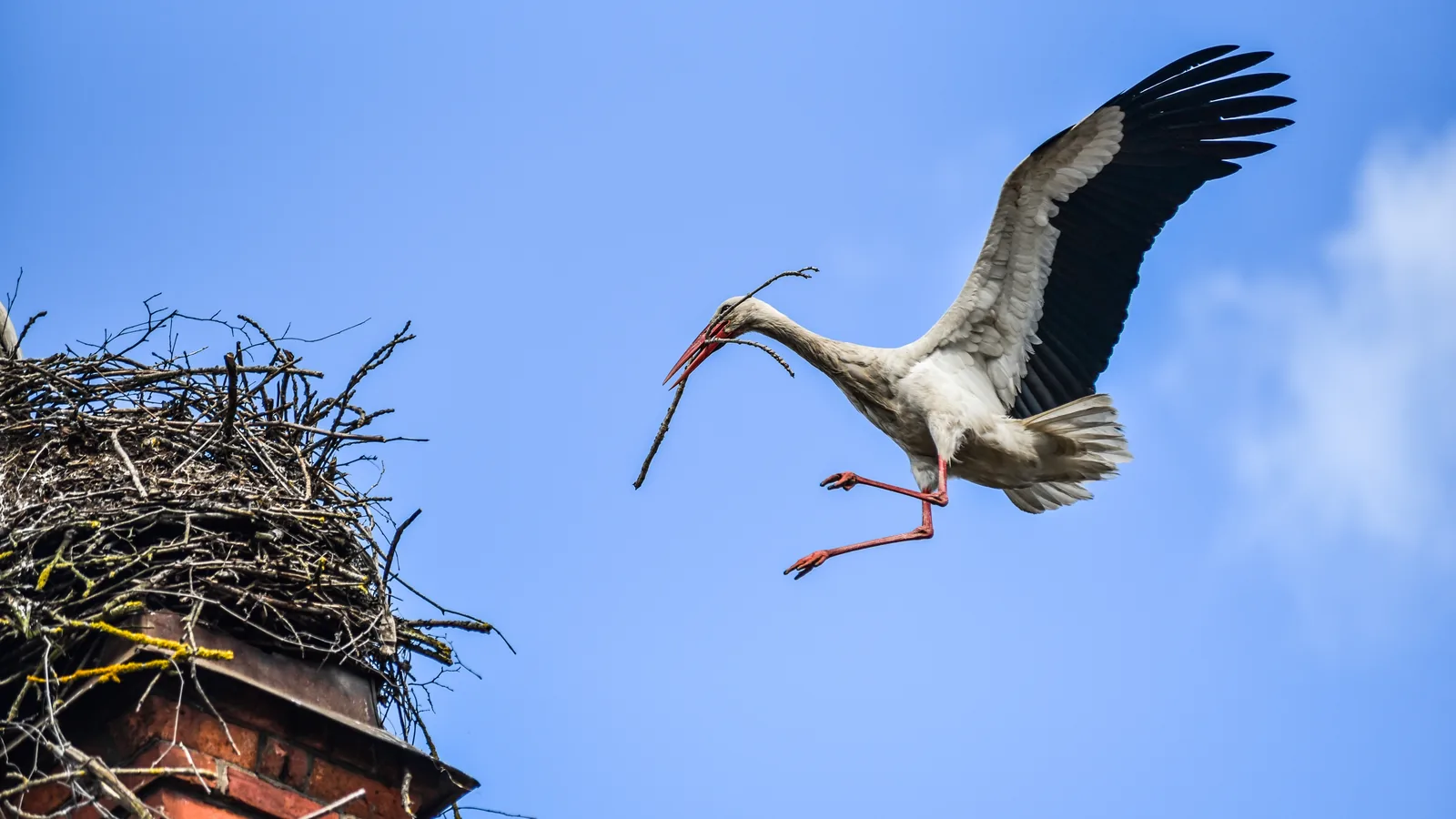
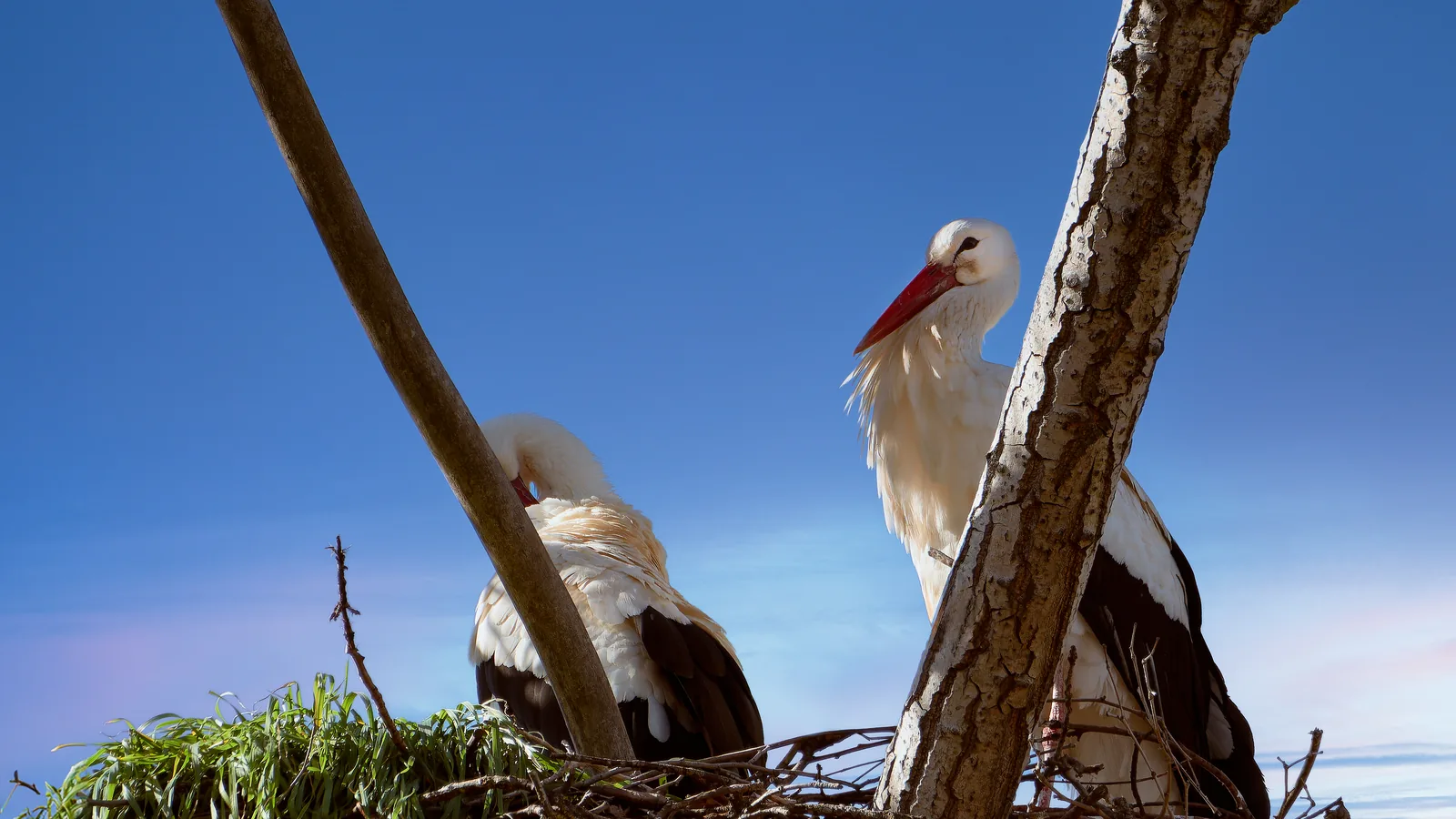
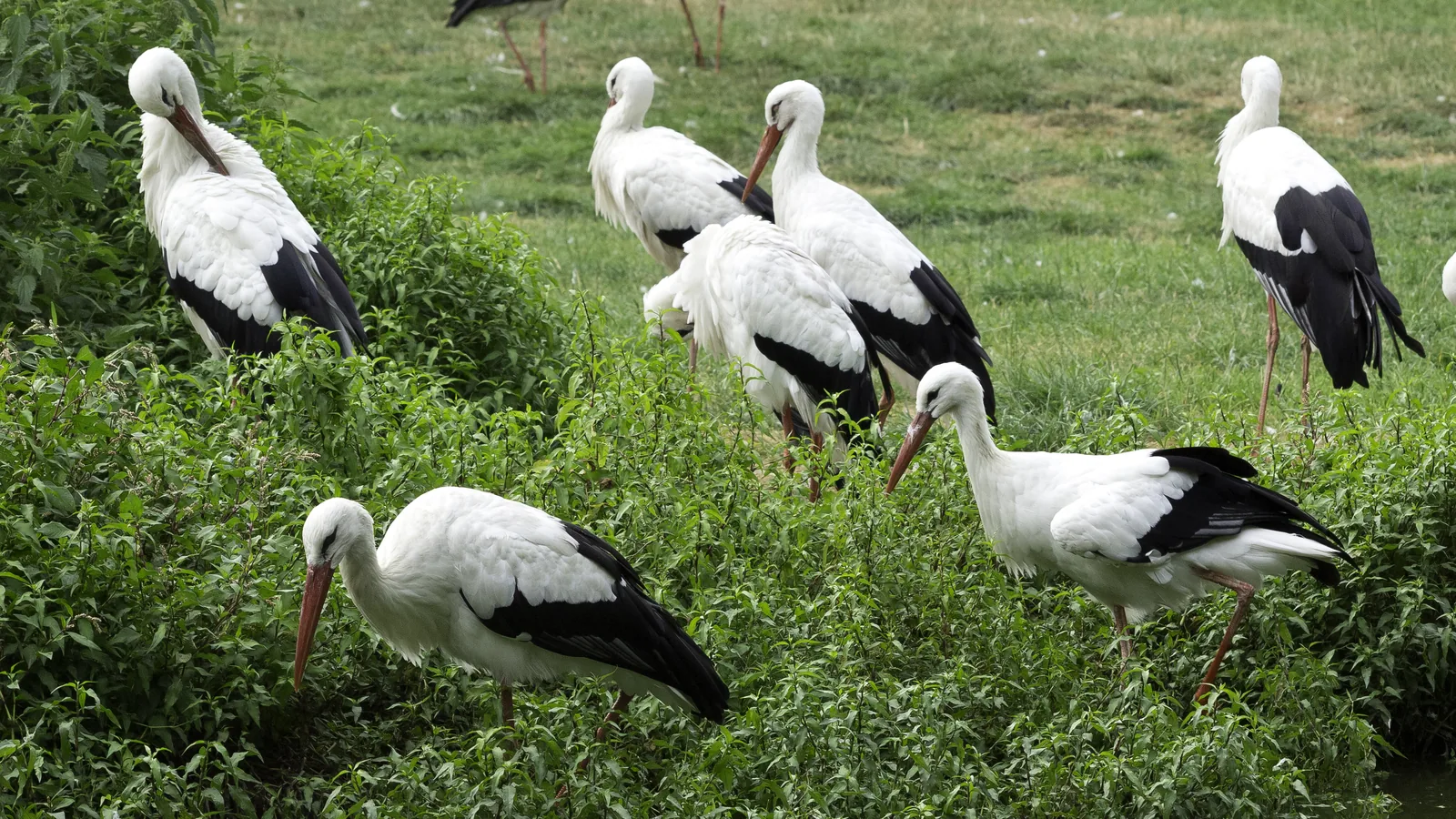
A stork has a red dagger and white wings; a crane is grey, bugles, and dances. Here is how to tell them apart at a distance.
BirdLife links more than 120 national groups from Cambridge, and 46 of them are coordinated from an office in Brussels.
EuroNatur, Wetlands International, Rewilding Europe, the VCF, the EBCC and the ICF work across borders on storks, cranes and wetlands.
The RSPB manages more than 200 reserves, the BTO runs surveys with 60,000 volunteers, and smaller charities cover owls and songbirds.
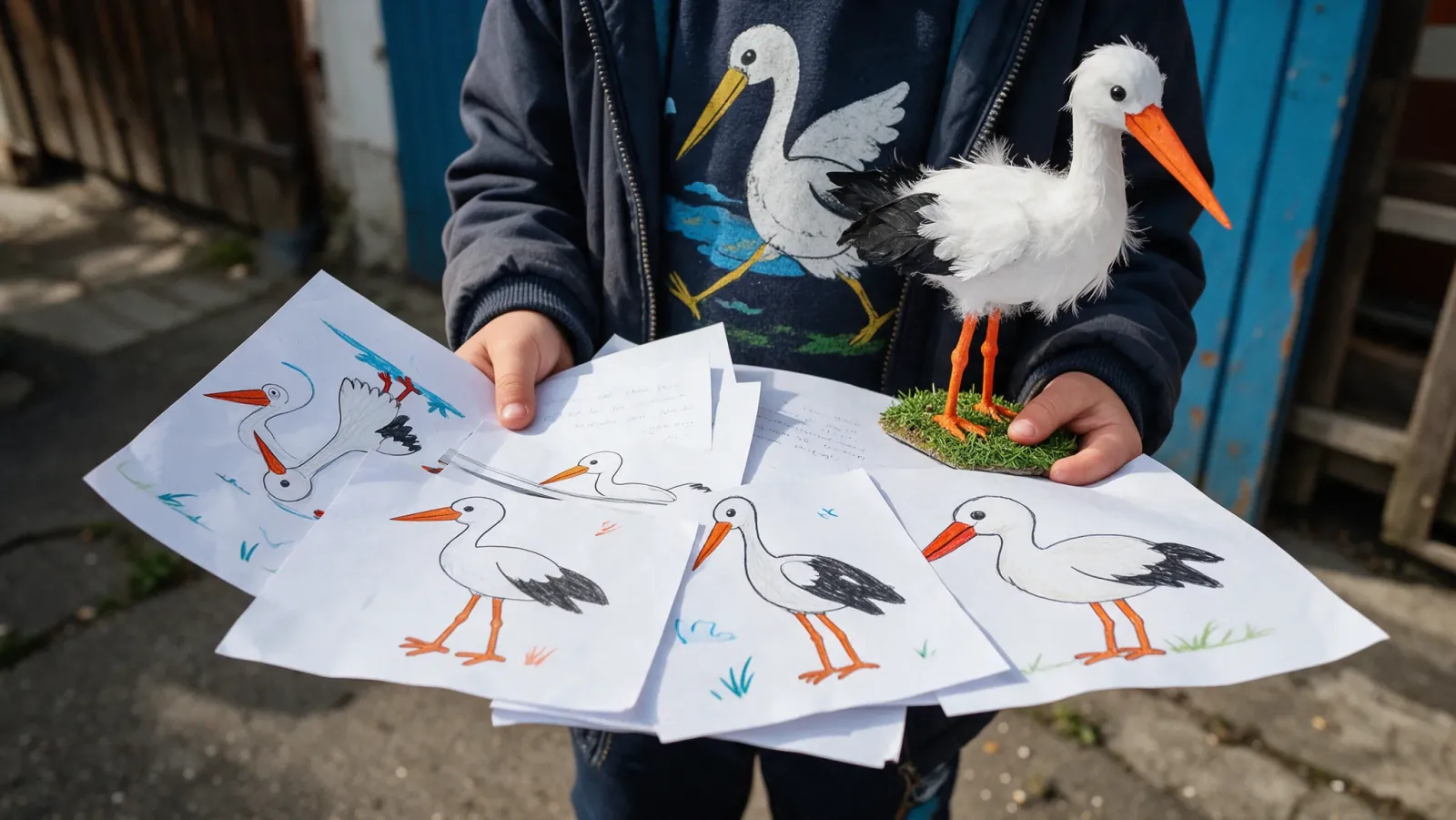
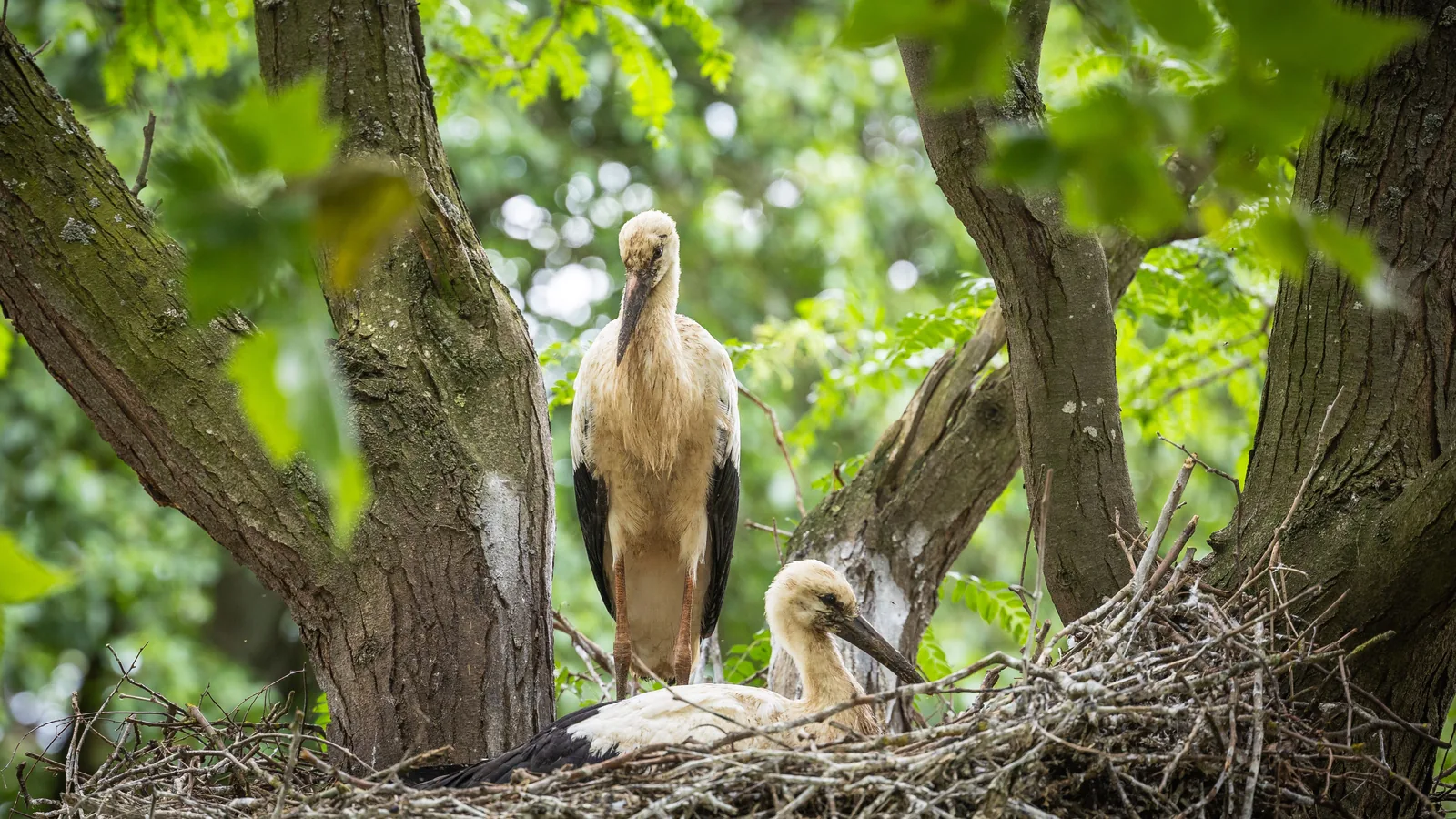
The White Stork Project began at Knepp in 2016, releasing young storks so they can breed and learn to migrate again.
From the Scottish Ornithologists' Club to county recorders and a volunteer-run observatory at Felixstowe, where UK birding happens.