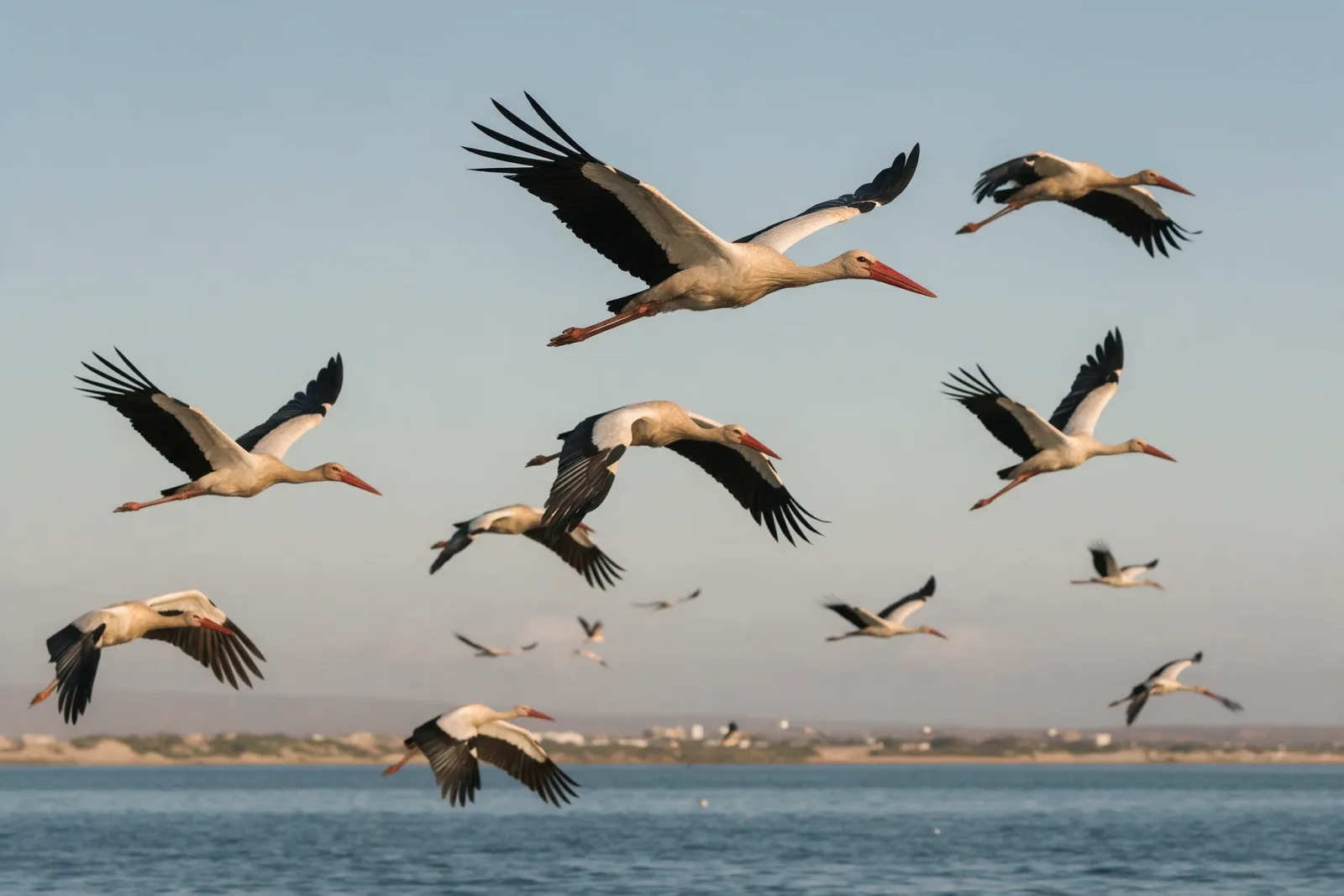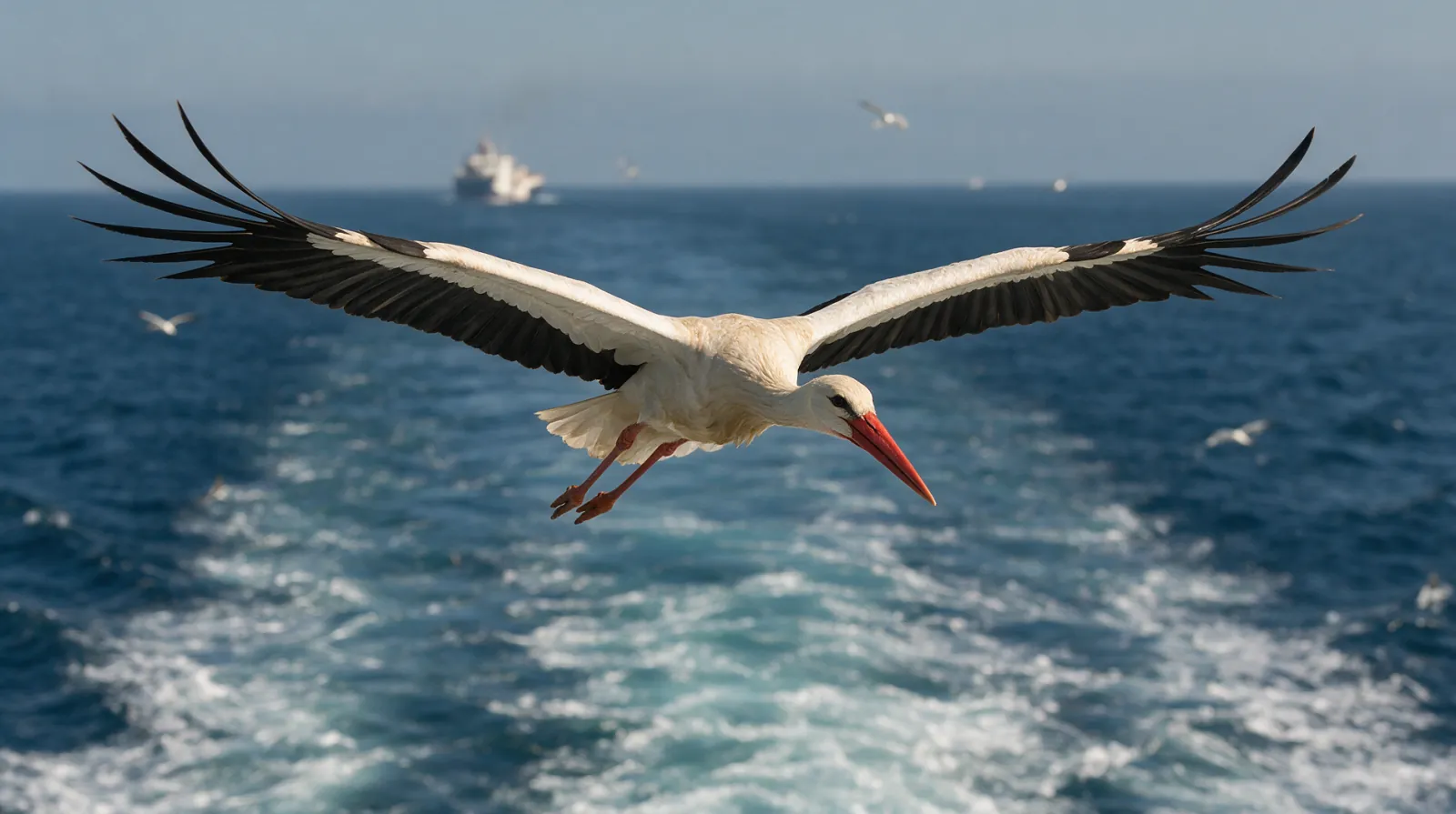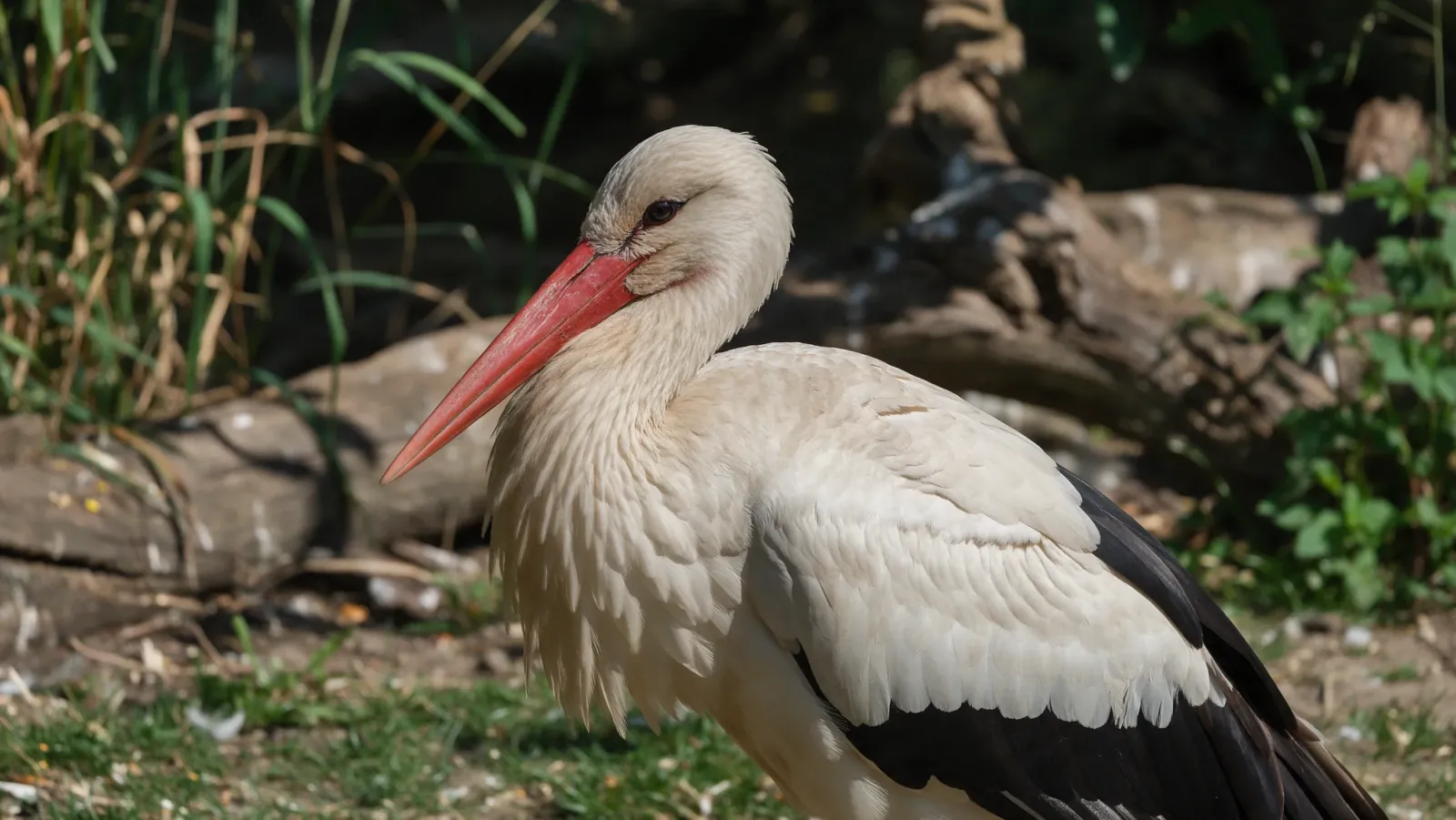
A white stork crosses continents on fuel stored before it left. Its body spends that fuel slowly, and it replaces water at pools along the way. A measured burn and a quick drink make a long journey possible.
A measured burn
Flapping is expensive. A bird that beat its wings across a continent would eat through its reserves in days. The wing muscles that drive each beat demand a constant supply of fuel. A stork glides instead, and its metabolism runs at a pace that lets a store of fat last.
A bird that burns slowly can go a long time between meals, and a migrating stork often must. The body turns food into energy at a measured rate, whether the bird is standing in a meadow or circling in the sky.
A stork that had to power its way south would spend its whole journey hungry. The slow burn buys the bird time, and time is what a crossing demands.
A slow metabolism also shows in the bird's calm. One that panicked and flapped would burn its reserve faster. The reserve is built before the journey starts, and the journey spends it.
Fat for the crossing
A stork lays down fat beneath the skin and feathers in the weeks before departure, when food is plentiful. It feeds heavily through those weeks, and the extra energy is stored.
By the time it leaves, the bird carries a reserve for days of travel with something left for arrival. The fat is the travelling store, and the slow burn is what makes it last.
The reserve is laid down over weeks, and the bird leaves with enough to cross a sea and still have strength on the far shore.
A bird that burned fast would need to eat constantly and could not carry enough for the empty stretches. A stork coming into autumn carries the reserve it needs, and the journey spends it.
The glider's economy
Gliding is the other half. When a stork finds a thermal, warm air lifts it without a wingbeat. It can climb hundreds of metres on that free lift, and hours of travel can pass while the body spends almost nothing.
The two savings multiply. The bird glides because flapping is costly, and it survives the long glide because its body spends energy slowly even in the air.
Stillness on the ground belongs to the same economy. A stork stands for long stretches, sleeps on one leg, and moves only when there is reason. A fast, hungry metabolism could not afford the wait. The long, unmoving afternoons on a roof belong with the high, gliding circles.
Bad days and the reserve
Weather raises the cost of staying alive. A cold, wet day makes the body work harder to keep warm. The stork fluffs its feathers, stands out of the wind, and waits.
A run of bad days shrinks the reserve and lengthens the journey. Its slow metabolism helps, because the body is not burning fuel at a high rate while the weather passes. Patience is a way of spending less until conditions improve.
A stork can go without food for a stretch of the journey because the fat carries it. The calm bird that waits out a headwind reaches the far shore with strength left. One that flaps into the wind spends more than a day.
The bird does not need to find a meal every hour, and that freedom is part of what makes the crossing possible.
Drinking by scoop and tilt
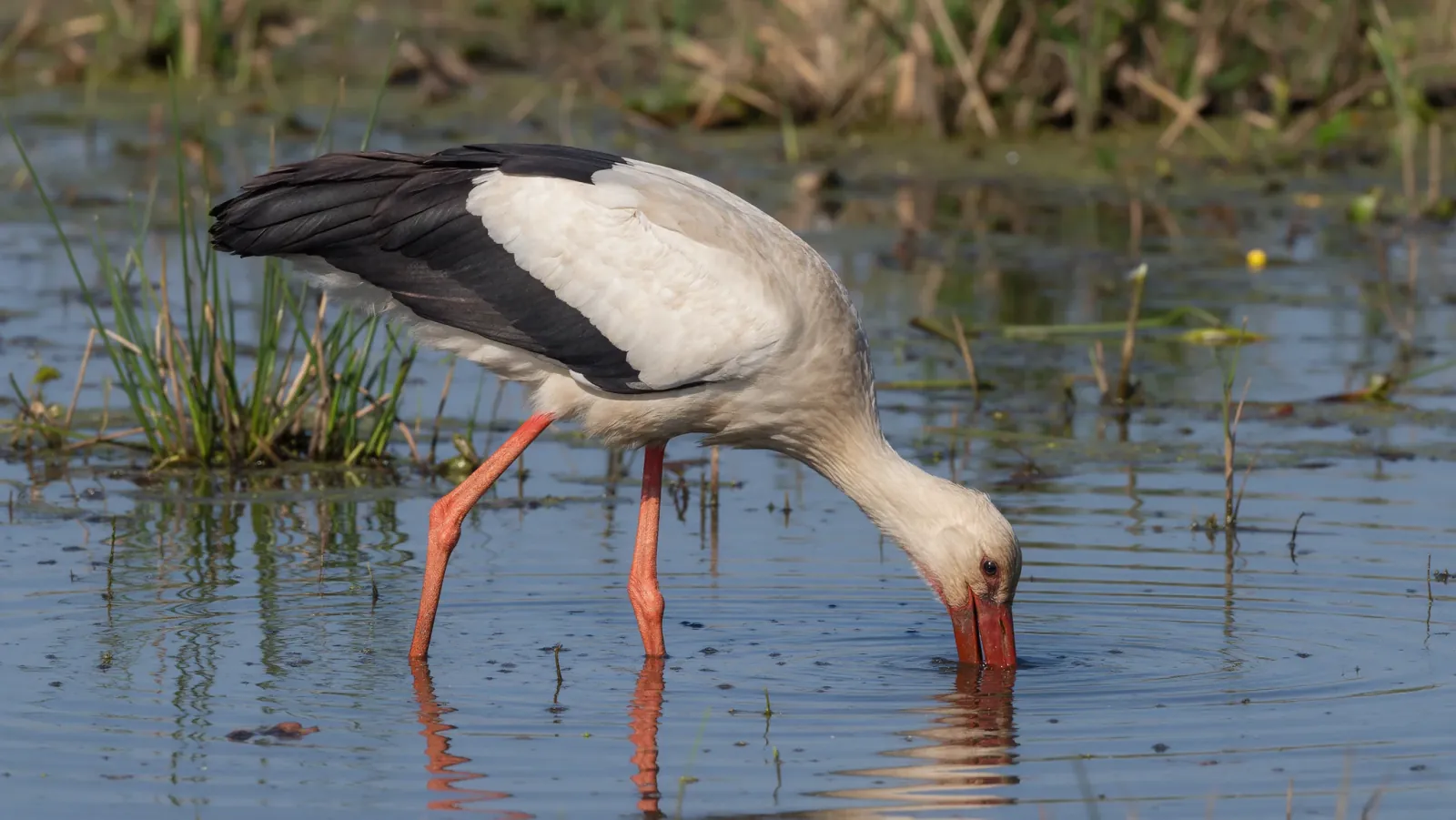
A stork cannot suck. It has no way to draw water in with its head level, the way a horse or a dog does. It lowers its bill, gathers a mouthful, and lifts its head high.
At the water's edge it opens the bill slightly and dips the tip below the surface. Water fills the space between the two halves. The bird closes the bill loosely, trapping the water inside. The bill works as a cup.
Then it raises its head until the bill points nearly straight up, and the water runs down its throat under its own weight. The long neck carries it the whole way. Gravity does the swallowing, since the tongue is not shaped to pump water down.
A stork drinks little and often. It chooses open, shallow water where it can see around, keeps watch while its head is down, and leaves after a few seconds. Water is a necessity, and it is taken quickly. It returns later in the day. A stork at a pool is alert. Its head goes down, then up, and its eyes keep moving.
Water for the brood
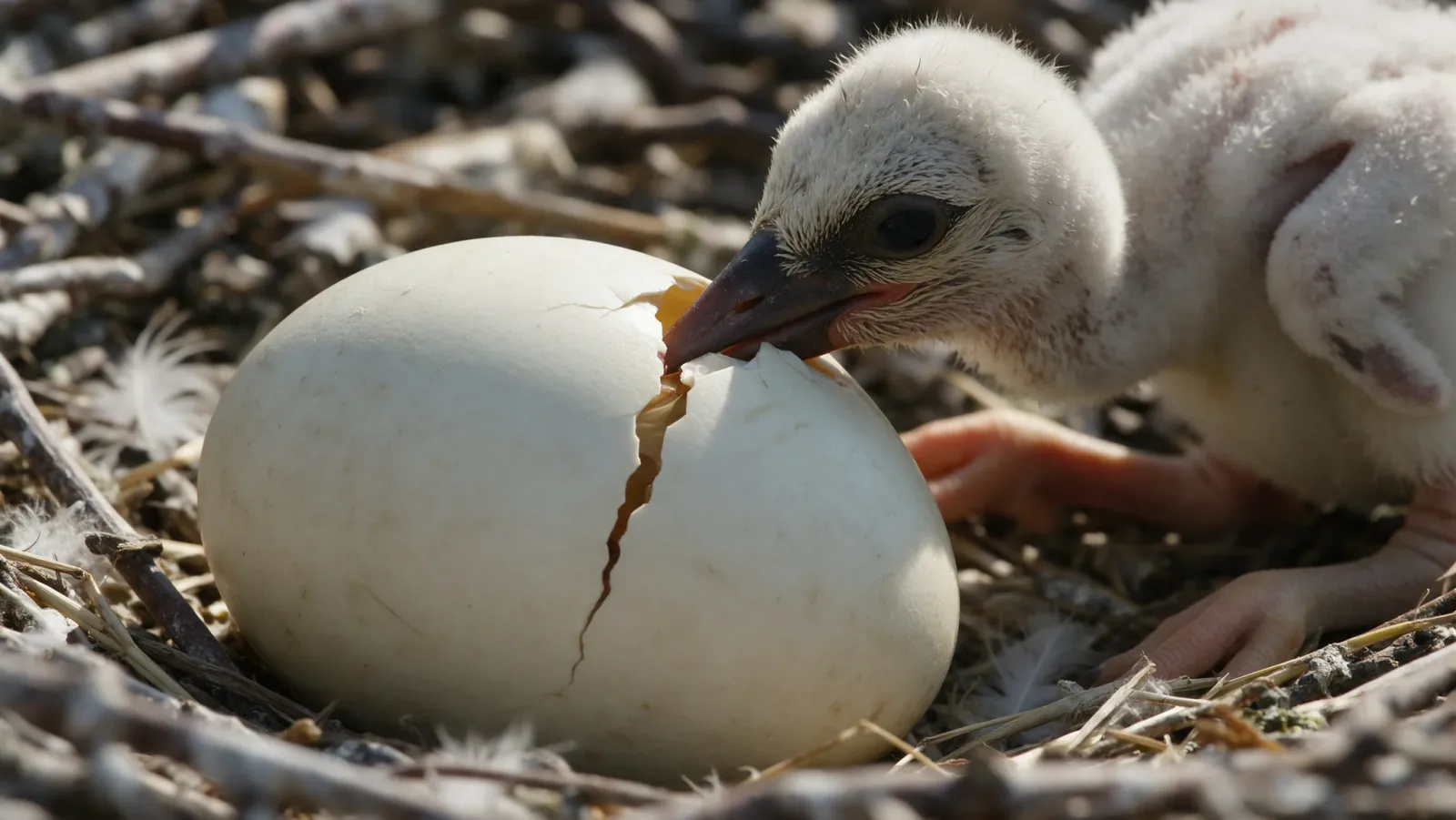
At the nest the same motion serves the chicks. A parent carries water back in its throat and tips it out, and the young drink. On hot days an adult may wet the chicks' feathers to help them cool.
The young birds drink from the food the parents bring, taking in water with each meal. They practise the head-back tilt at the nest, tipping their bills at the sky before they can drink on their own. A nest can be a hot place in summer, and water is part of the care.
A stork gets some water from its food. Frogs and fish carry a good deal, and a wet meadow offers moisture with every meal. Even so, the bird visits pools and ditches, especially in hot weather and on the long flight south. It returns often, because a stork needs water every day it is alive. The pool stays where it is, and the stork will be back.
Salt in salty country
A bird that drinks from brackish pools takes in more salt than its body can use. The kidneys cannot make urine salty enough to remove the excess.
Many birds carry a salt gland near the eyes or the base of the bill. It pulls salt from the bloodstream, concentrates it into a fluid saltier than seawater, and passes it out through the nostrils. The liquid runs down the bill and drips away.
A thin salty trickle at the bill is housekeeping, not injury. No noise, no pause, no sign that anything is happening. The gland is not always active. A stork on fresh water has little salt to remove, and the gland rests. When the bird reaches brackish ground, the gland responds.
A stork is a bird of wet meadows and fresh water, but migration carries it over salt flats and along coasts. The gland, the kidneys and the bird's choice of where to drink work together. Most of that work happens out of sight while the bird stands at a pool.
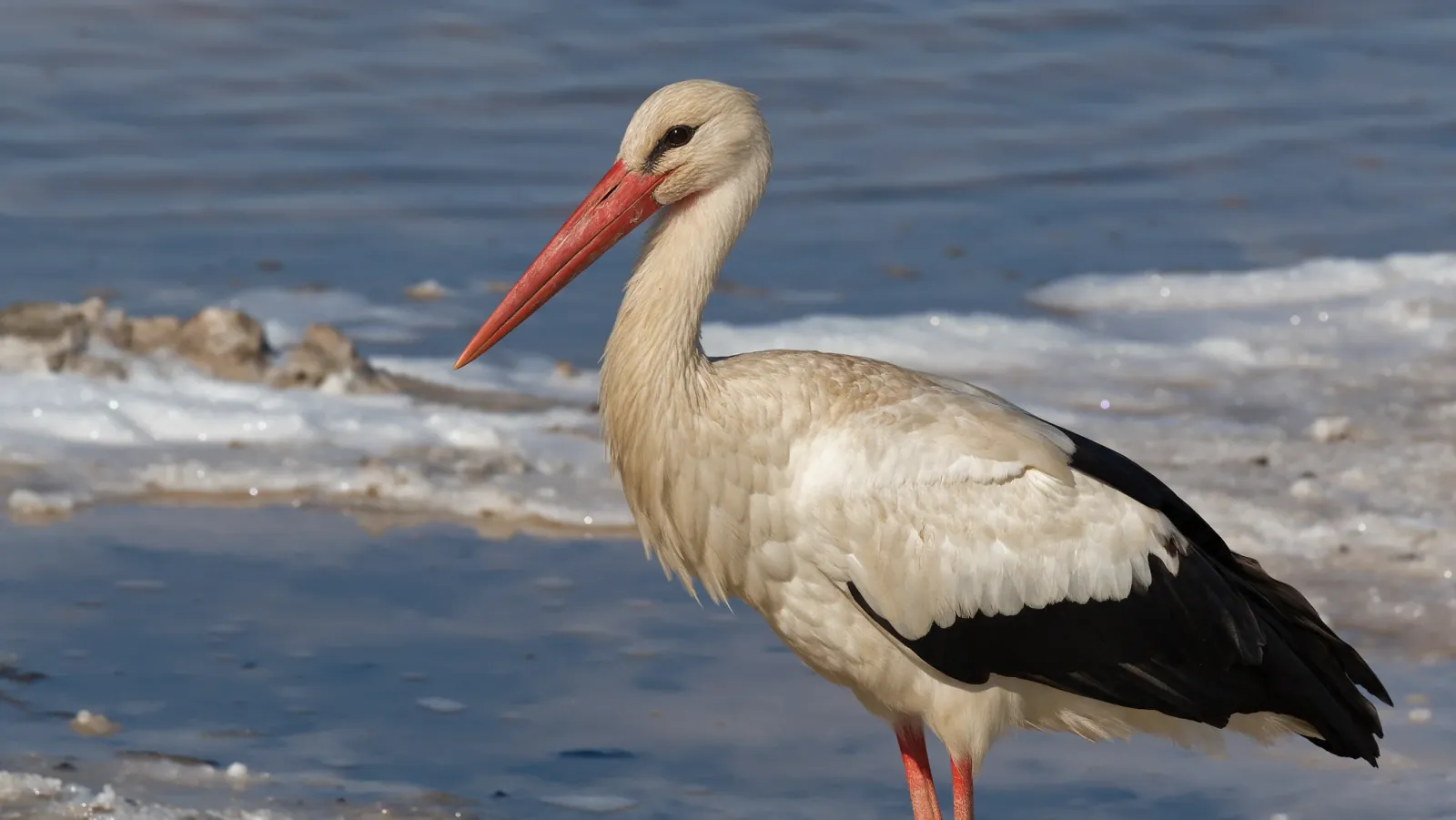
Salt also arrives with food. A bird that eats fish or insects from brackish water takes in salt with its meal, and the gland deals with what the body cannot use. The bird eats what it catches, and the gland adjusts. The balance is maintained after the meal, quietly and without fuss. A bird on fresh water has an easier time. The kidneys do the ordinary work when the water is fresh.
Explore the gift