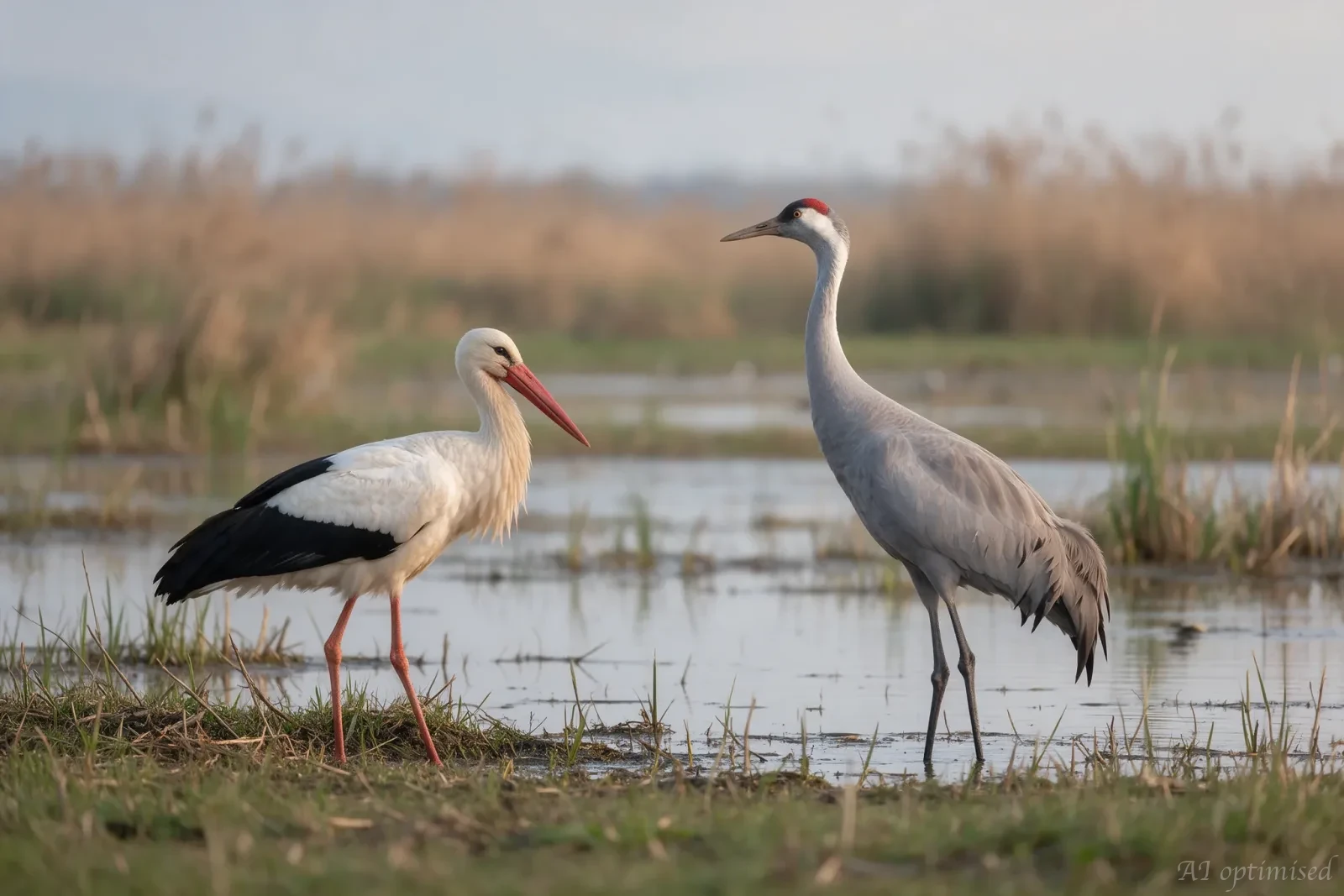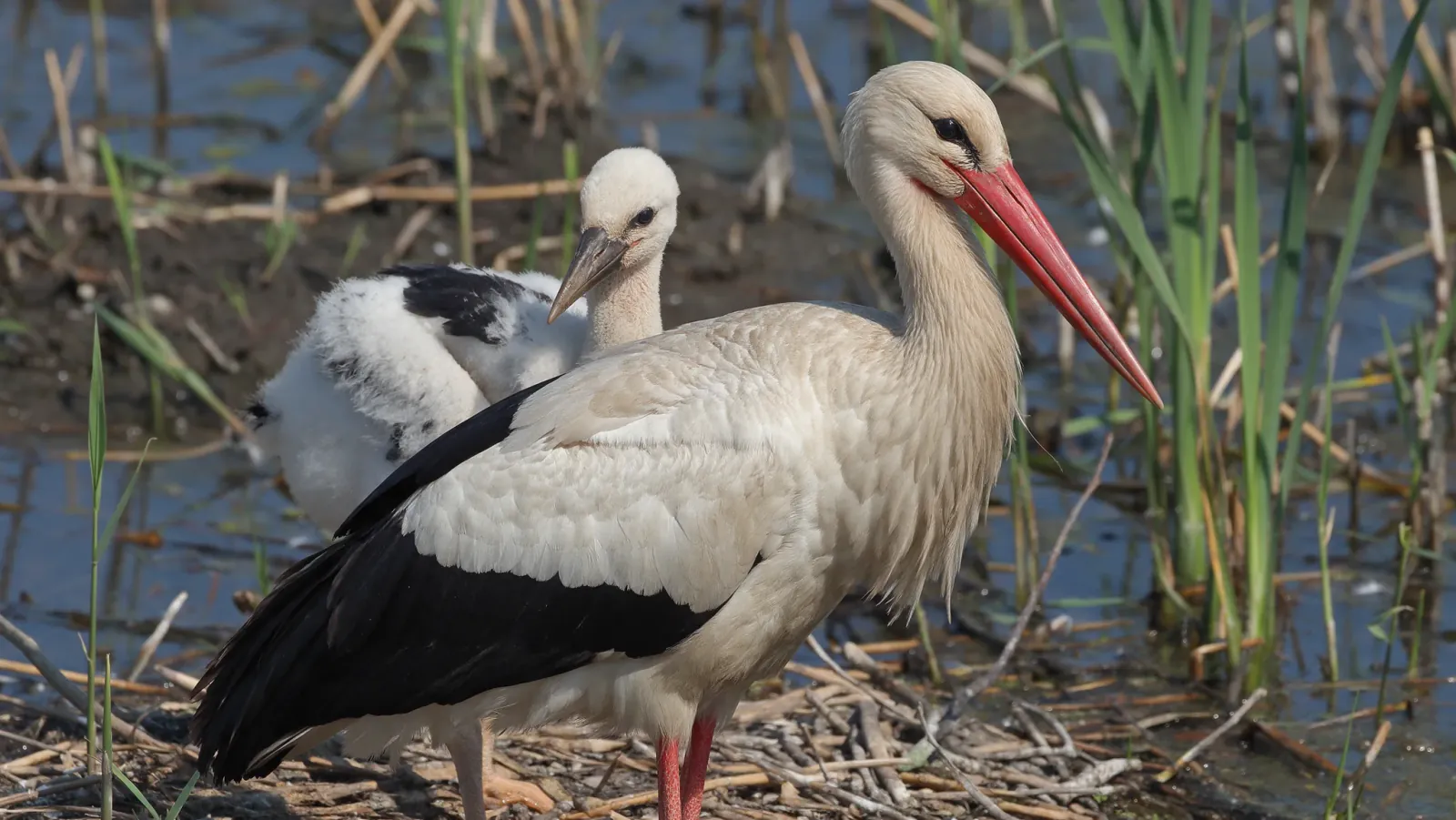
Two white storks on the same roof can look alike from a distance and very different when they stand side by side. One is longer in the leg and broader in the wing. The difference comes from inheritance, food, sex and the slow passage of time.
The plan in the cells
Genes hold the instructions for building a living thing. They pass from parent to chick at conception, half from each, and together they set the pattern of the bird: the long red bill, the white body, the black flight feathers, the urge to fly south in autumn.
A stork does not learn these things by watching. It is born with them written into its cells, and the body reads them out over a lifetime. The instructions arrive before the experience does.
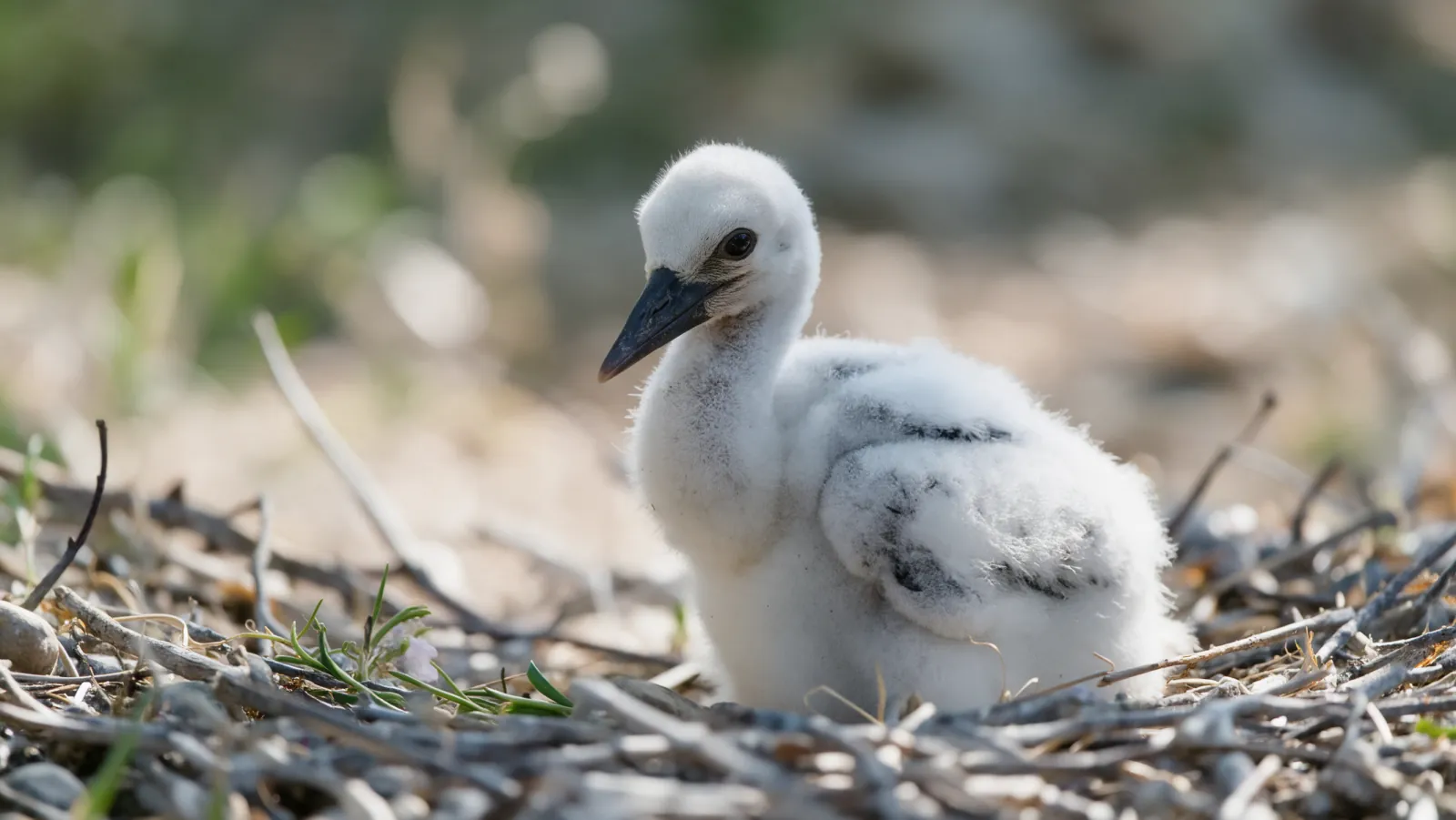
Watch a stork with its chicks and the resemblance is plain. The young come into the world with the same shape, the same proportions and the same instinctive posture. Each generation is a fresh combination, and the plan stays recognisable.
Some of the differences are invisible. A bird may carry a tendency toward earlier arrival, or toward a slightly different route, and the tendency shows in its behaviour. The whole bird, inside and out, is described by that record.
Size runs in families
The first reason for a difference in size is inheritance. A large pair tends to raise large chicks, and a small pair small ones. Size is written into the genes each bird carries. Part of the answer is simply who the bird was born to.
Inheritance sets a ceiling, and food decides how close a bird gets to it. A chick raised in a wet, rich year, fed constantly through its weeks in the nest, grows into a fuller, heavier adult. A chick raised in a dry, thin season grows up lighter, because its body made do with less.
The size a stork reaches as a fledgling is largely the size it keeps. A hungry first summer is something the bird carries into every season after it.
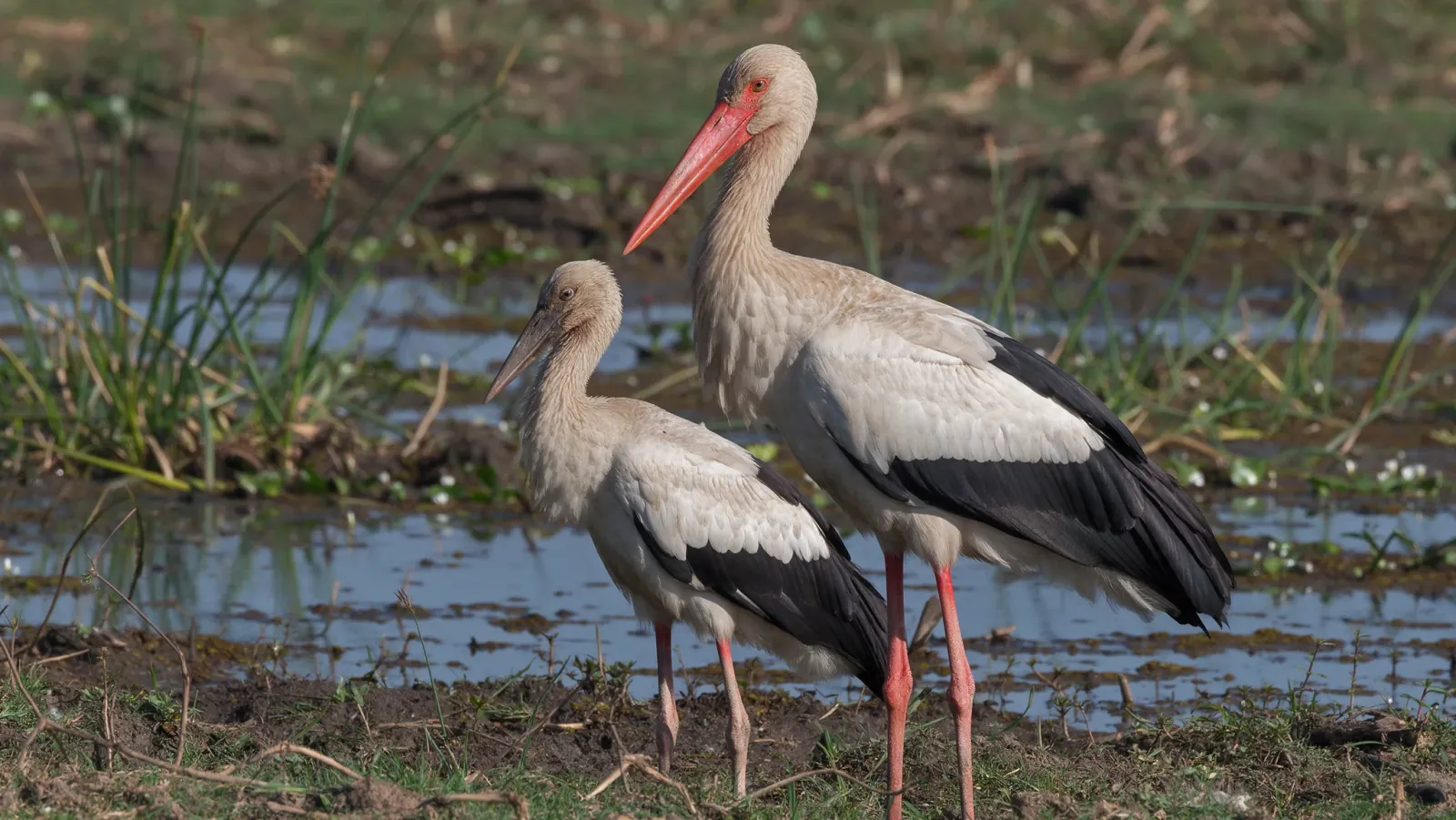
Size is easiest to see in the legs. A larger stork stands taller at the nest, and its stride is longer in the meadow. The difference is small, and it is enough to change how the bird feeds.
Sex, age and the weather
The male is usually a little larger than the female, a difference that is plainest when a pair stands together on the nest. An older, well-fed stork can be heavier than a young one, because it has had more seasons to fill out.
The range in a flock is wide, from slim first-year birds to broad old males that claim the best feeding spots. A single rooftop can hold the whole range.
Size shapes how a stork handles cold. A larger bird holds its warmth better on a cold night, because a big body loses heat more slowly than a small one. That is one reason the biggest storks often turn up in cooler, wetter places, while smaller, slimmer birds do well in the heat.
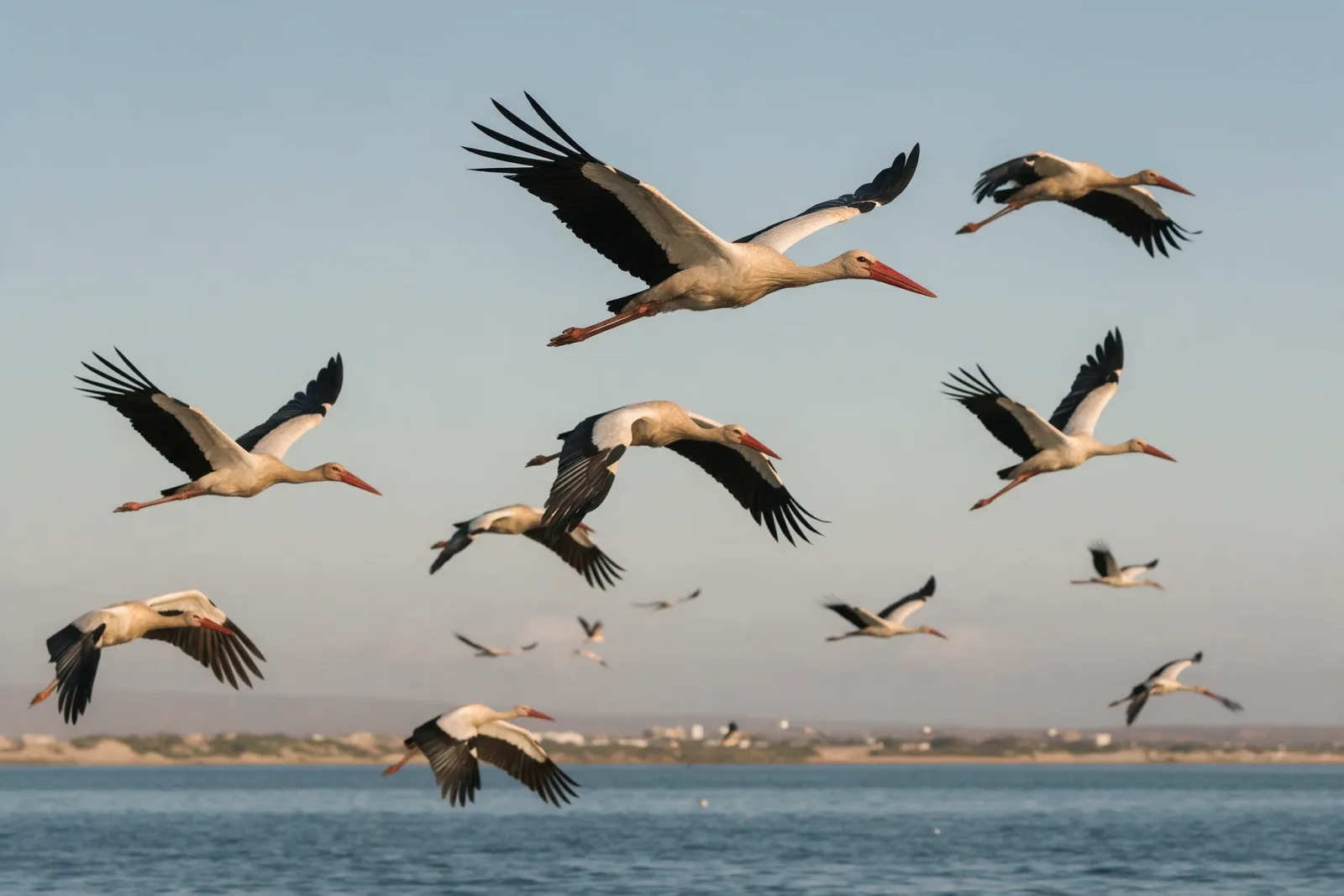
A wide span can catch more rising air. On a good thermal the big bird climbs faster and glides further. Large size has costs as well. A very big bird needs more food and more lift on a hot, still day. A small bird in a rich place can outgrow a large bird in a poor one. Size is a result of conditions, and the flock keeps its range because no single size wins everywhere. Some storks are larger because size pays. Some are smaller because slenderness pays.
White feathers, black edges
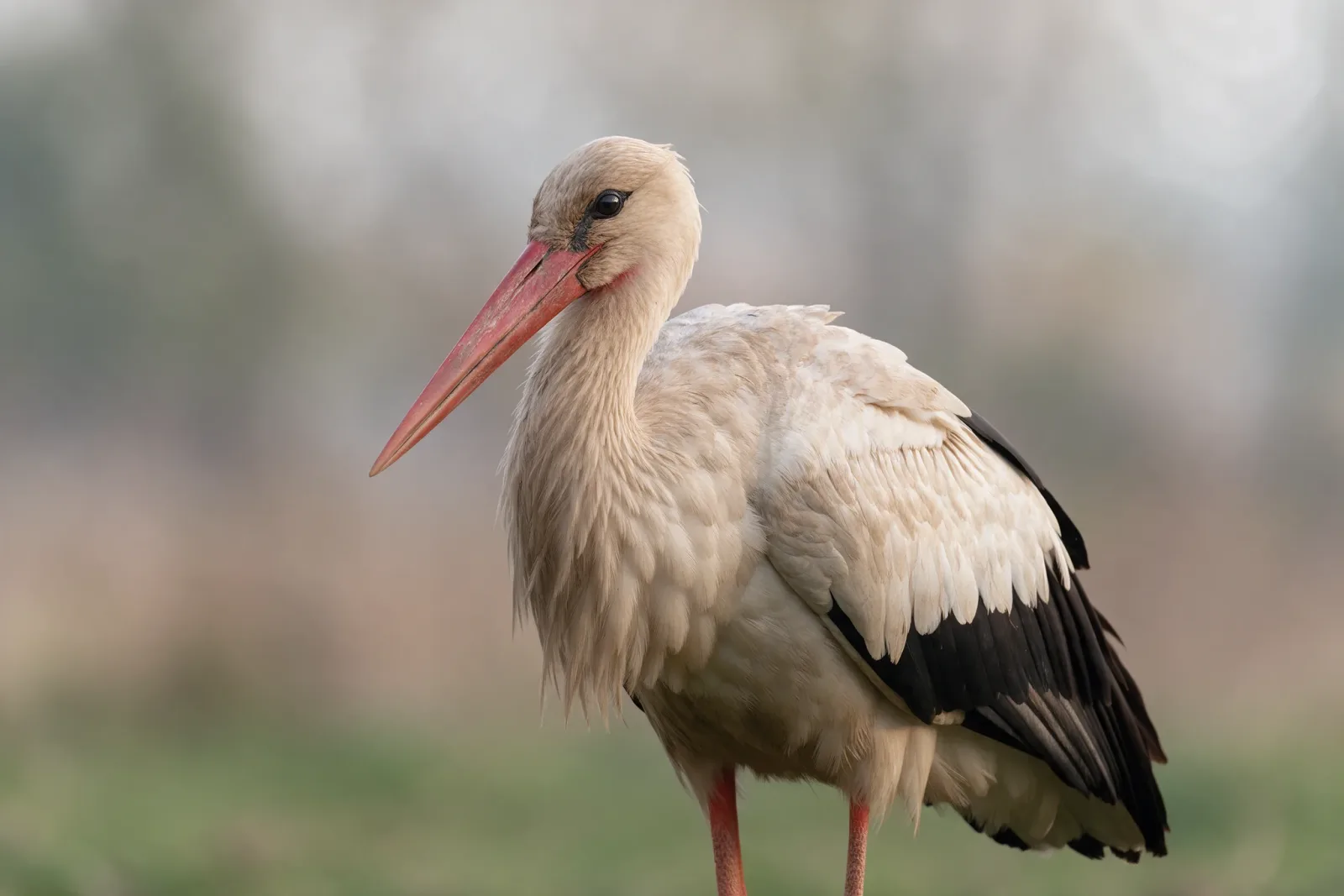
The white plumage looks like decoration and works as biology. A feather with no pigment scatters light from its fine structure, and the result looks white. A white feather reflects most of the light that strikes it.
Most of the bird is pale, and the dark sits along the trailing edge of each wing. The white helps the stork disappear against pale sky and bright water. The black flight feathers are stiffer and harder wearing, built for the heavy work of flying.
White for the body, black for the long flight feathers that take the strain. On the nest the same white shape is easy to see from far off, which helps a mate find its way home. The colour that hides a hunting stork announces a nesting one.
Heat is part of the reason too. Pale feathers reflect sunlight rather than absorbing it, so a white bird stays cooler than a dark one in the same field. The plumage is a working surface, kept clean by long sessions of preening.
White shows dirt. A stork that has been feeding in mud carries marks on its breast and legs, and it spends time preening. The plumage is at its brightest in spring, when the feathers are fresh after the moult.
A coat renewed
A stork moults in a regular cycle, and every year a fresh coat covers the old. That is why an ageing stork does not go grey or ragged the way a mammal does. The white and black stay crisp, and a distant observer cannot tell an old bird from a young one by colour alone.
What the moult hides is the wear on the body beneath. Up close, an older stork gives itself away. The flight feathers may be slightly frayed at the tips, the legs move more stiffly, and the bird spends more of its day standing still.
The feathers renew and the bird that wears them does not. Age shows in habits before it shows in colour. A very old stork may raise fewer chicks, return a little later and take its time on the wing.
The moult may slow in old age. New feathers take a little longer, and the coat can look uneven for part of the season.
What the bird must learn
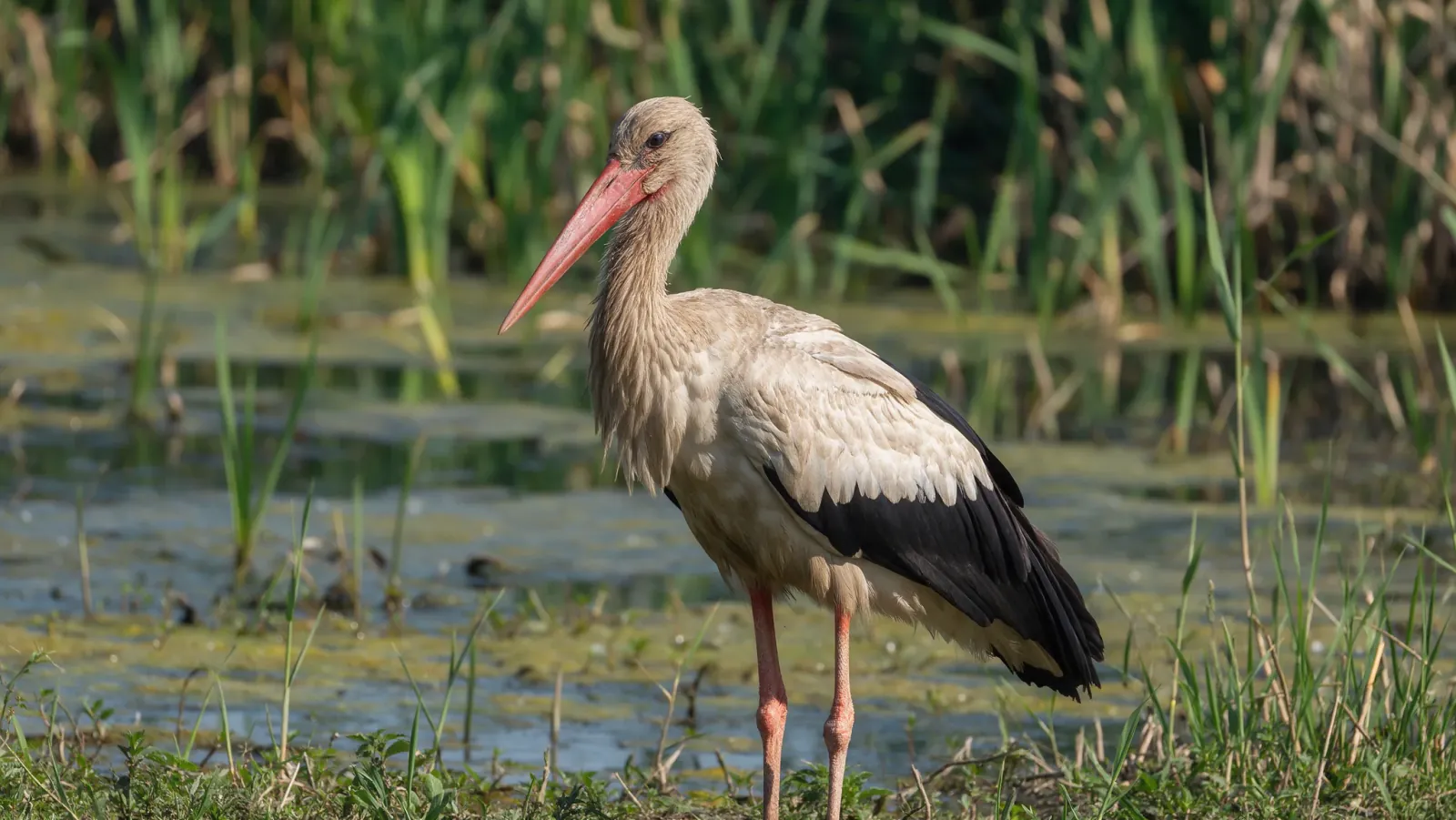
Some things cannot be inherited. A young stork must learn the landmarks of its route and the places where food is found. The genes give it the urge to go and the direction to start, and experience fills in the rest.
The two work together. An inherited compass and a learned map make a migrant, and neither alone would be enough.
The inheritance is not a script for every moment. It sets the range of what the bird can become, and the world decides where in that range it lands. Food, weather and chance do the rest. A chick with a strong urge to travel will still wait if the weather is wrong. A stork does not need to understand the plan it carries. It reads it faithfully, every season of its life.
Old age in a stork is mostly an advantage. An old bird has crossed the desert and the sea many times, and it knows which fields flood early and which roofs are safe. The bird's world is small and well known. The route is long, and the places along it are familiar. That knowledge is why older storks often arrive at the nest first in spring. Then one spring a bird does not arrive, the nest waits a season, and another claims it.
Explore the gift