A present keeps giving when something keeps happening after the paper is off. In a stork adoption that something is a wild white stork about a metre tall, and its year runs from nest repair in spring to a crossing of the Sahara in autumn. The family that named it hears about each stage. Most presents have a peak at the unwrapping. This one has no peak, so a child's interest has somewhere to go in February, when the bird is two thousand miles south and the sky at home is grey. The gift costs €9.99, paid once, with no subscription behind it.
Why most presents stop
A rattle, a blanket, a silver spoon. Each one is complete the moment it is handed over. That is how objects work, and there is nothing wrong with it. The pleasure belongs to the giving, and afterwards the thing joins the pile on the shelf.
A living bird carries on without an audience. While the gift sits in a nursery, the stork is in a wet meadow eating frogs, or riding a thermal above a Spanish plain, or asleep on a chimney in Morocco. None of that happens for the child. All of it belongs to the child anyway, because the bird has a name the child knows.
The bird's year is not arranged for the family, and the family gets the reports anyway. That is the difference between a present with a story attached and a present that is the story.
A year with a shape
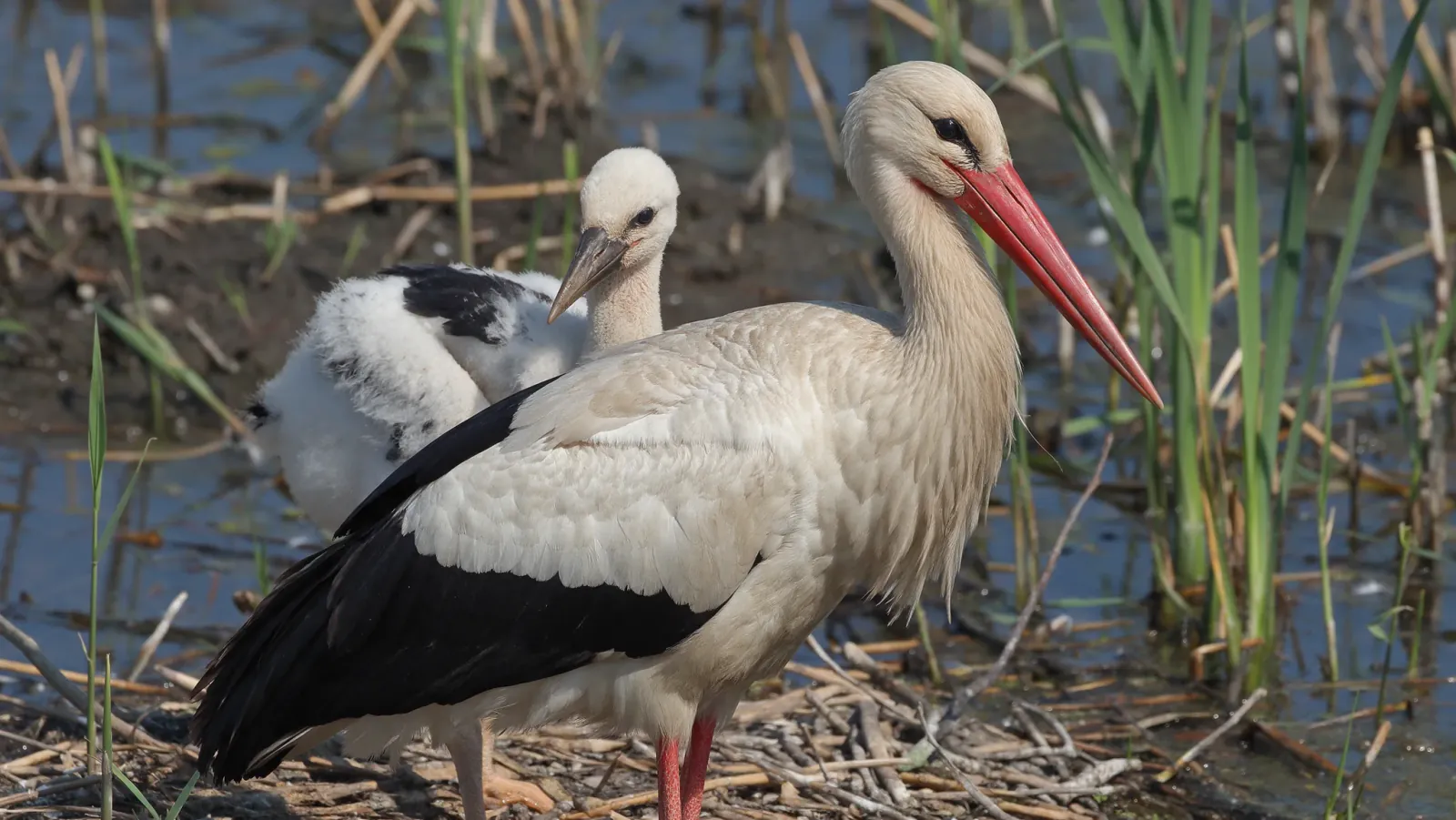
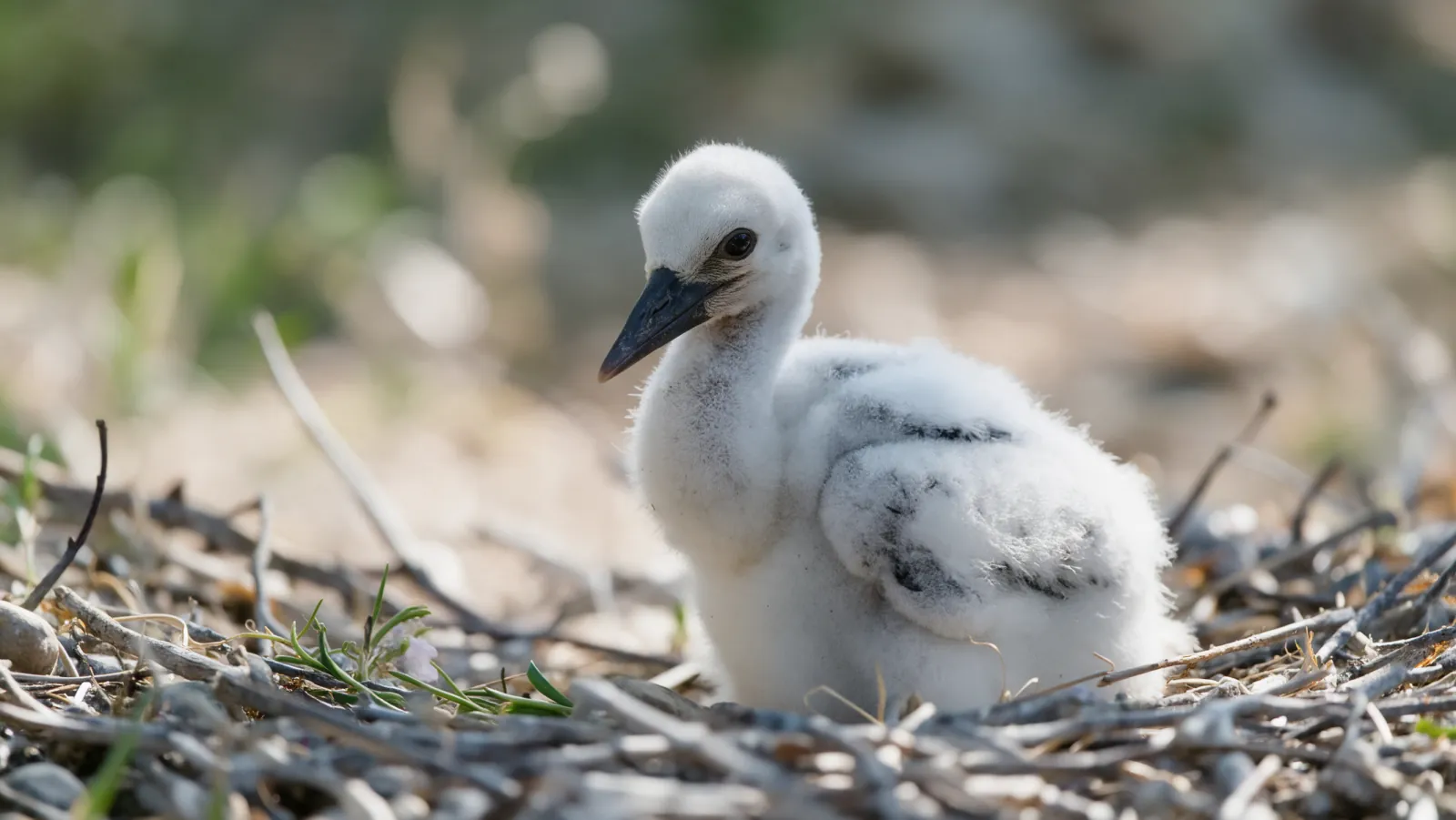
The first message usually says the bird is back. Then eggs, then chicks with grey fluff and black bills, then the weeks of standing and flapping that come before a first flight. By August the young stand as tall as their parents and the nest looks crowded. A white stork's year has four or five stages a family can name.
The summer updates are the ones a child asks for: chicks in a row, a parent arriving with something in its beak, a nest that looks too small for the birds standing in it. Some families print two or three and put them beside the card, which turns a shelf into a small record of the year.
Autumn empties it. Storks gather on ploughed fields, feed hard for a week or two, and go. The news turns distant, arriving from a country the family has never seen. Winter is spent on African grassland and shallow water, often near other storks that nested in the same summer.
A child who follows one bird can tell you what season it is by what the bird is doing. That is a more useful clock than a calendar with pictures on it, and it arrives without a lesson.
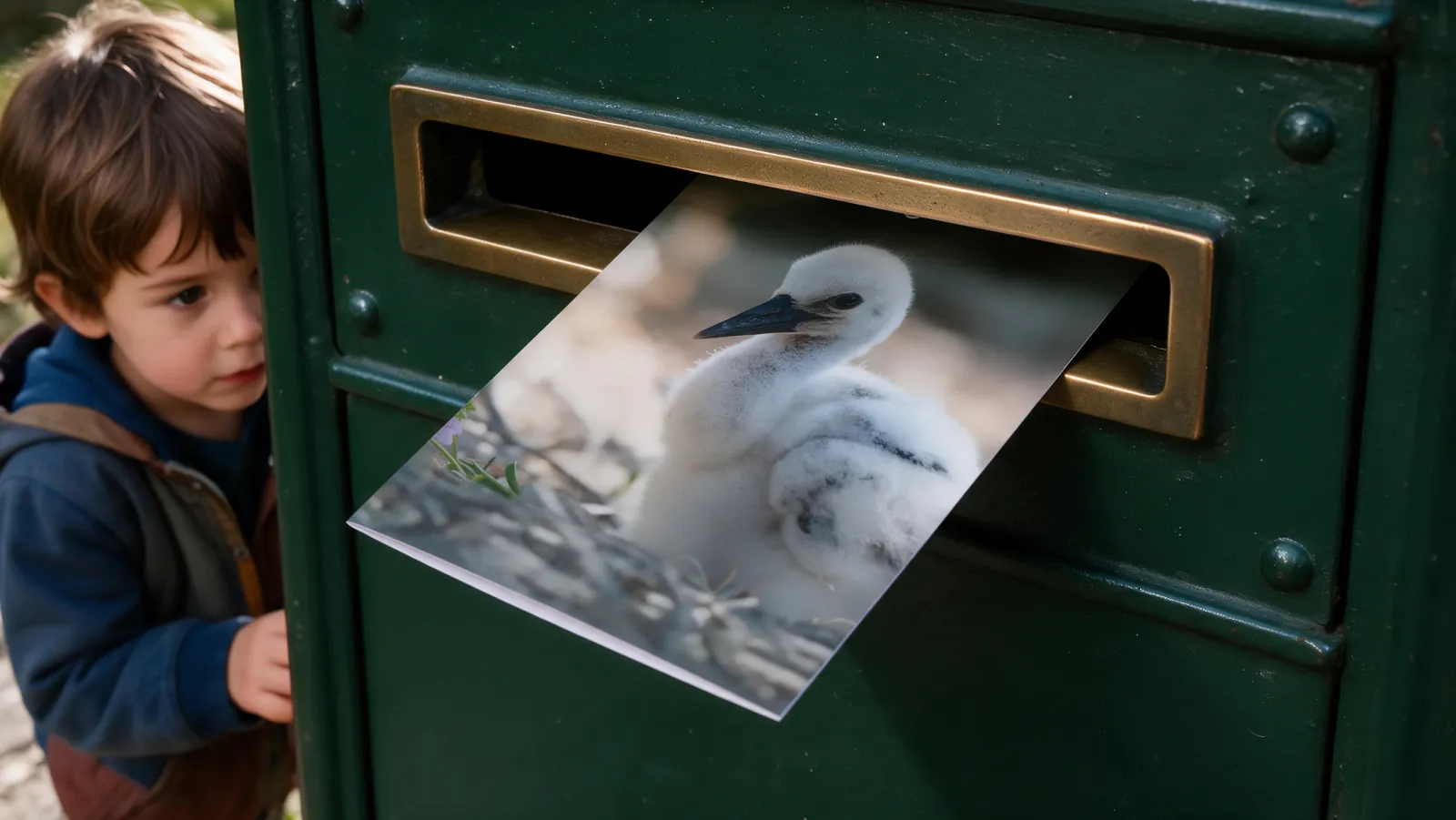
The case for a wild animal
Nobody has to feed it, walk it, insure it or find someone to look after it at Christmas. A wild animal cannot be owned, and that removes the usual problems with giving an animal as a present. It lives its own life in its own places.
A wild stork stands about a metre tall with a wingspan near two metres, which makes it a large animal for a small person to think about. Large and gentle is a good combination for a first animal.
A symbolic adoption is a purchase of connection, and the paperwork should be plain about that. You are not buying the bird, reserving a nest or arranging a visit. What you get is a named white stork to follow through the year, a keepsake card with the name and photograph, and a record of the bird's movements as they are reported. The word adoption is a figure of speech, and it is worth saying so out loud.
A baby cannot take care of anything. A gift that requires care would land on the parents, who already have a job. A bird requires nothing and still gives the family something to look at together. There is also the scale of it: a metre tall, two metres across the wings, large and gentle beside a small person.
What the money covers
€9.99 buys the card, the name and a year of following. A tenth of profits is donated every quarter to stork conservation, which in practice means the wet meadows and the nesting platforms the birds need.
The adoption is symbolic. No bird leaves the wild, no nest is visited, and nothing living goes in the post. The bird keeps its own life, at its own pace, in its own weather.
There is no app to maintain and no renewal date to remember. Following the bird takes very little: one look at the page every few weeks is enough, and the page keeps the year in order. Nothing has to be downloaded or charged, and no reminder is needed beyond the habit of wondering how the bird is getting on.
The donation is a modest arrangement, and it is honest: the gift is a present with a small donation attached. It means the present has a second life in the wet meadows and nesting platforms the birds need.
What a child keeps
Ask an adult about a childhood animal and they will describe its habits: where it slept, what it did in the rain, how it asked for food. Children keep animals as individuals, not as species.
A name is what makes one animal an individual. The card stays on the shelf, the name stays in the mouth, and years later the child may forget the words on the card and still remember that there was a stork, and that it came back.
Curiosity arrives in small doses, which suits children better than one big event. A question in April is answered in April, and then nothing happens for a while, and the waiting becomes part of the thing.
Giving it is easy to explain, which matters at a party. The sentence is: 'it is a real stork, it has a name, and you can follow it for a year.' Nobody has ever needed a second sentence.
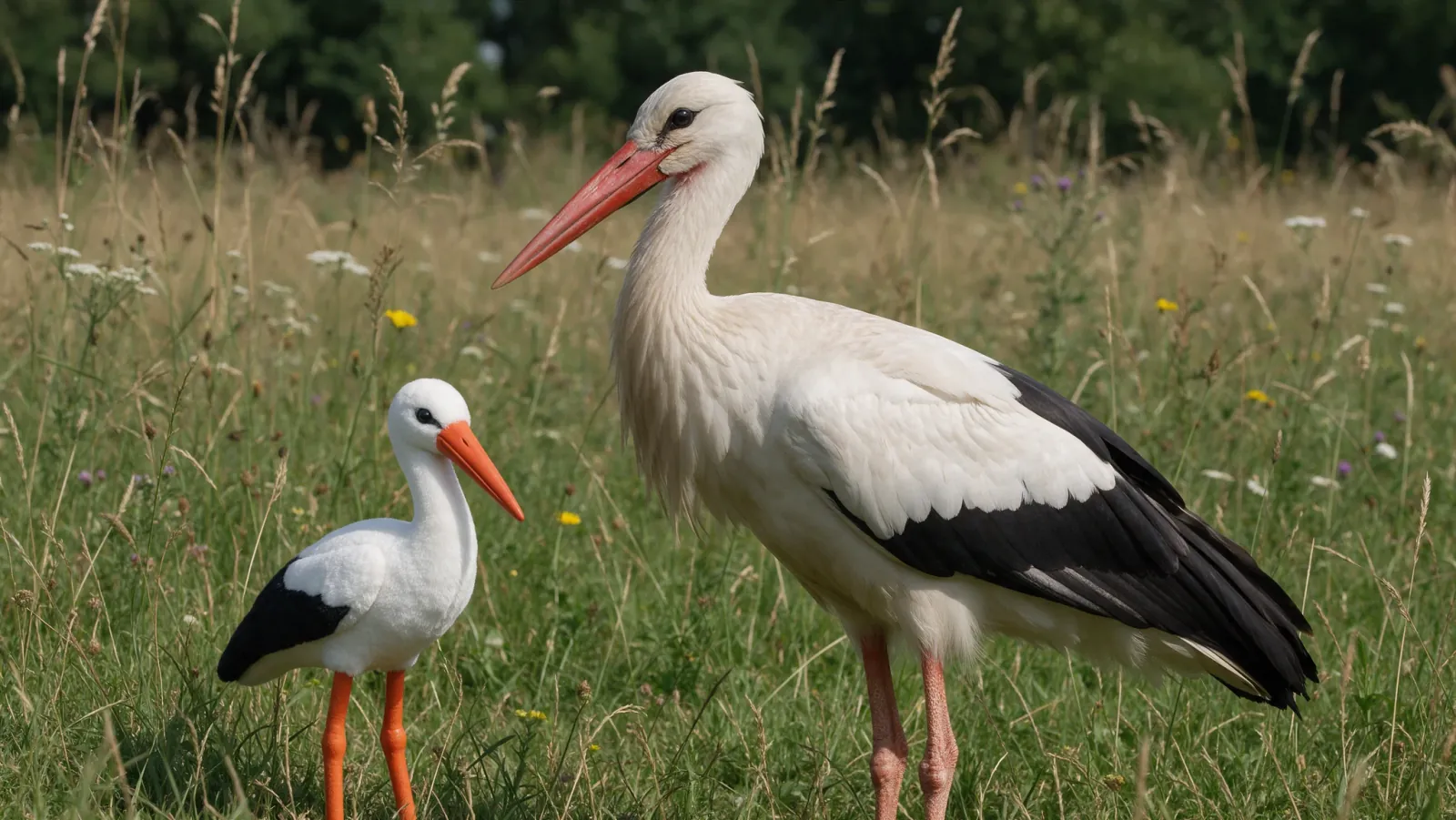
The spring return
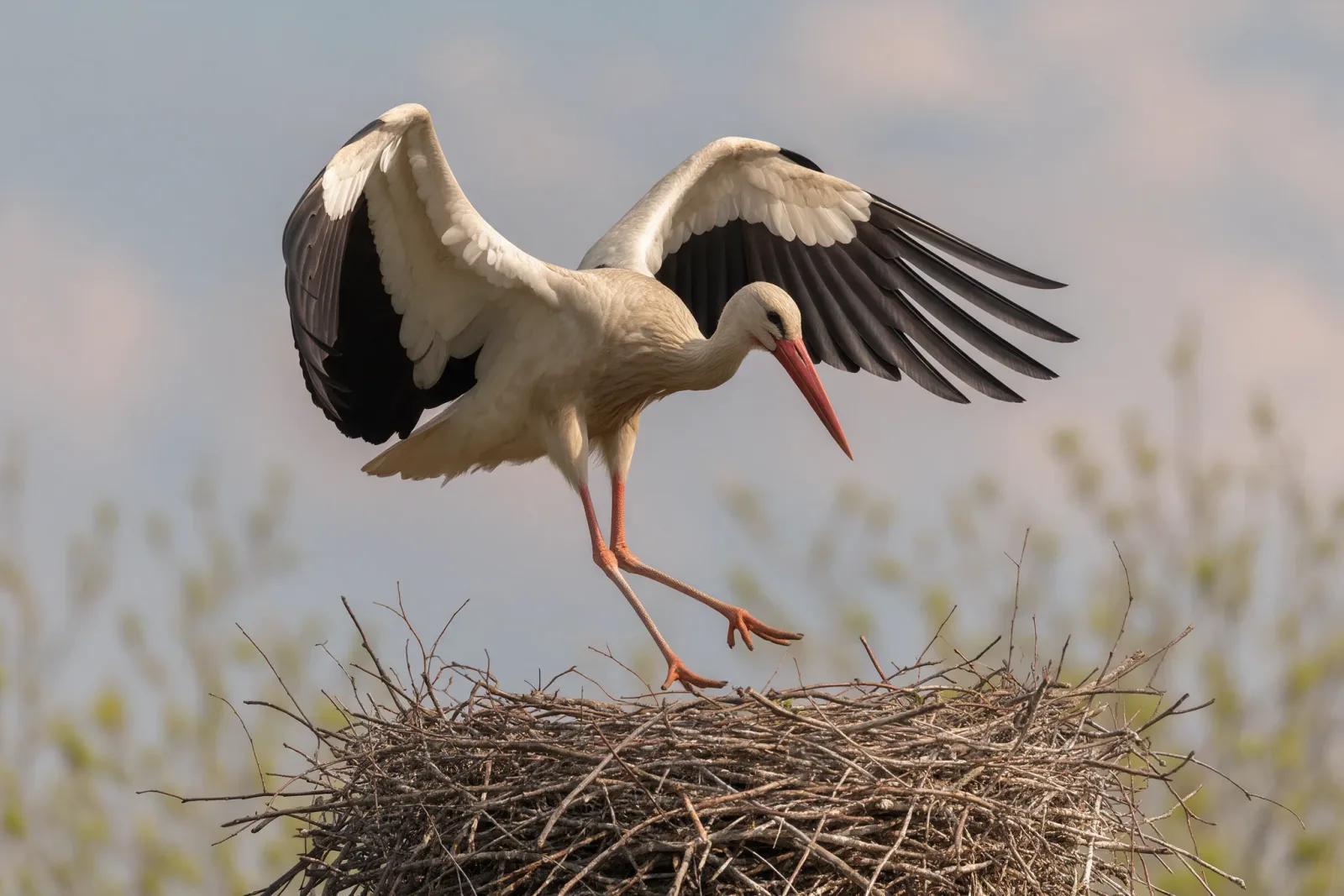
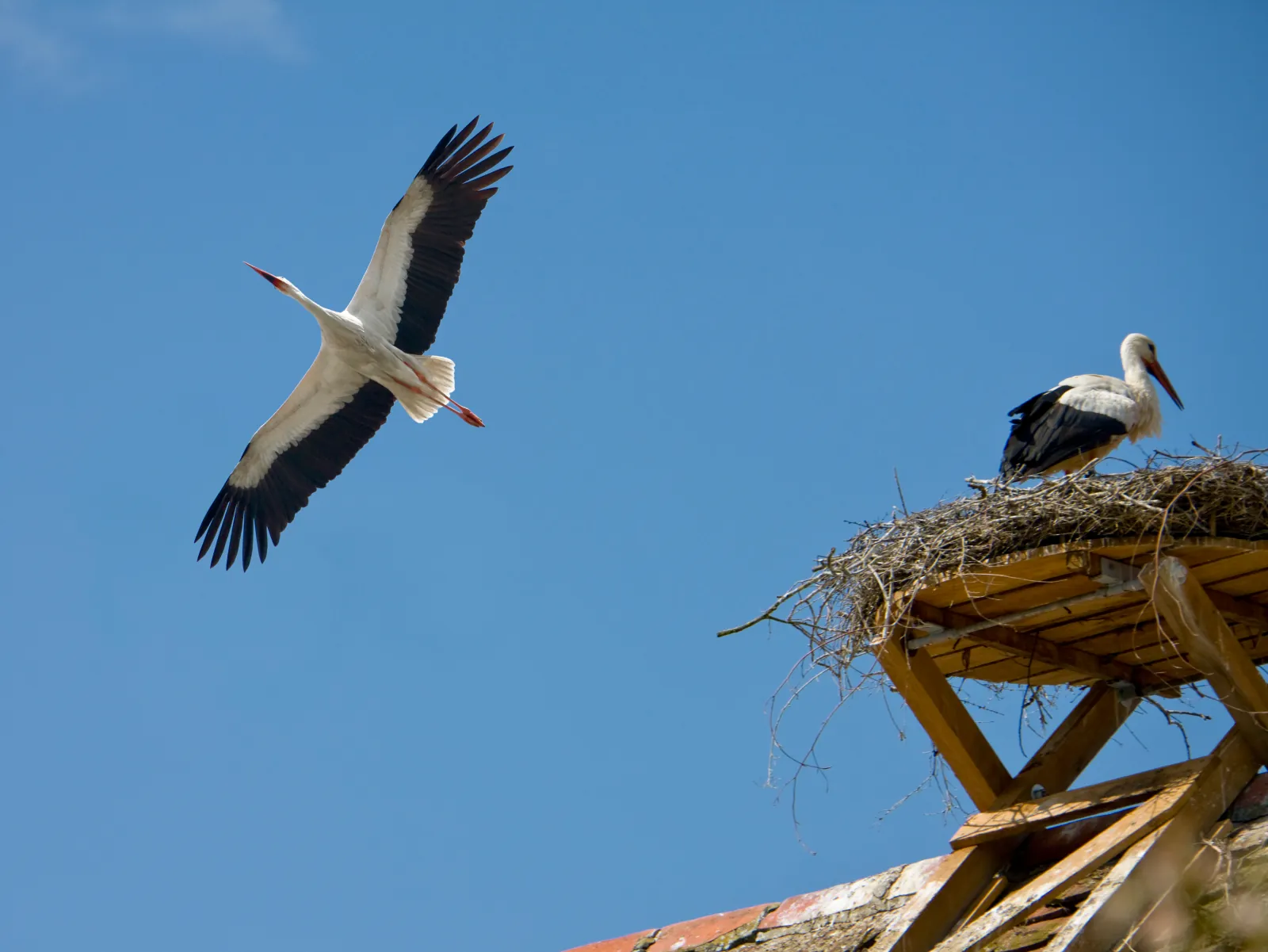
Pairs rebuild the same nest, sometimes the same platform on the same chimney, for years. After a winter of no news from a bird in Africa, the message says it is home. The best fact about white storks is that they come back.
Following the bird leaves a family with a habit of looking up. A child who has followed one stork starts noticing all of them: a bird on a chimney beside the road, a flock circling over a service station, a single stork in a field of cut grass.
A toy cannot do that. It cannot be absent, so it cannot return. The empty nest is what makes the return an event. The absence is the space the good news arrives in: the empty platform through December, the first report in March, the bill-clattering that starts the season.
The return is not quiet. A pair reclaiming a nest clatters for days, and the sound carries through the boards of a roof and down a chimney.
Explore the gift