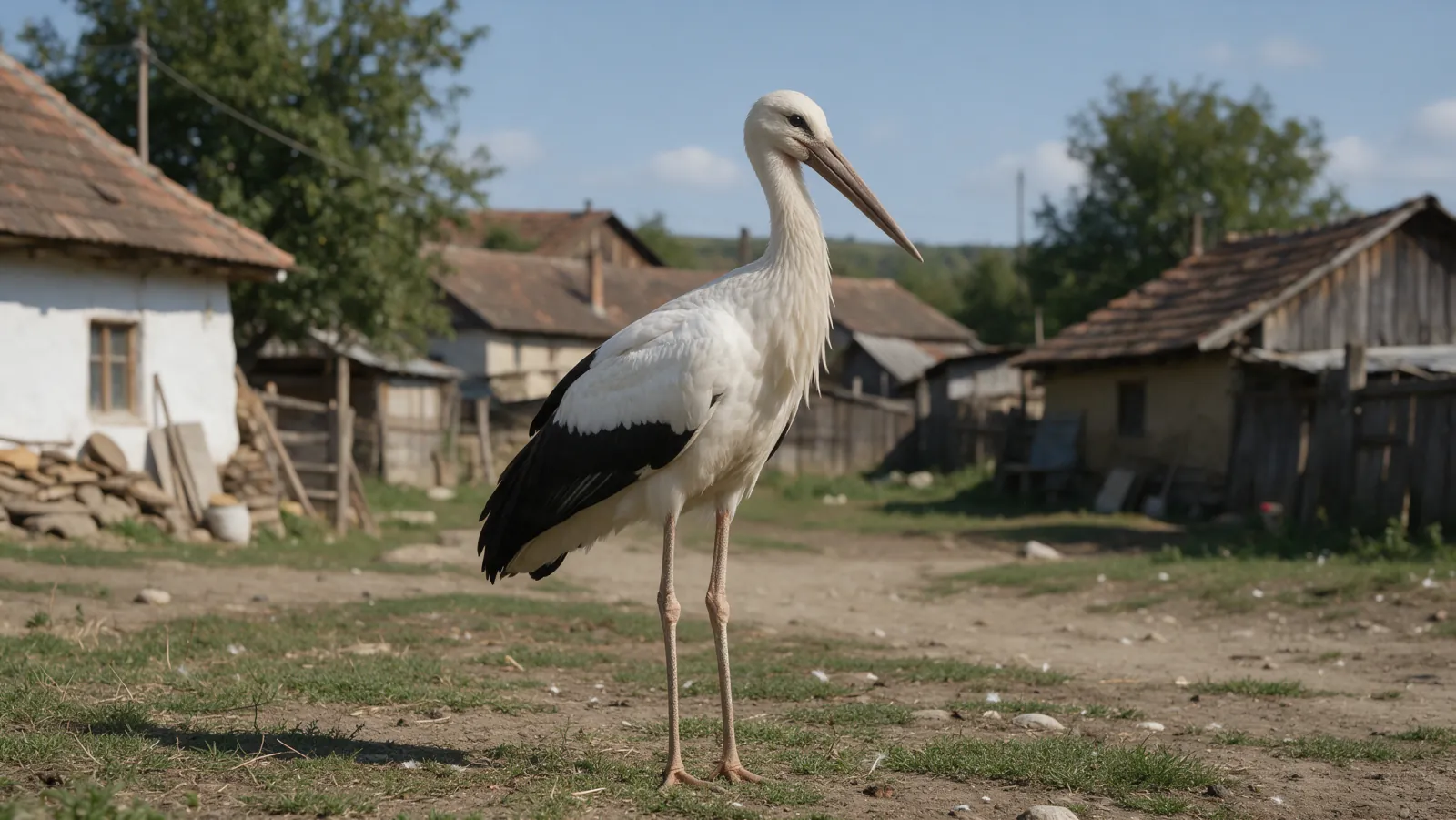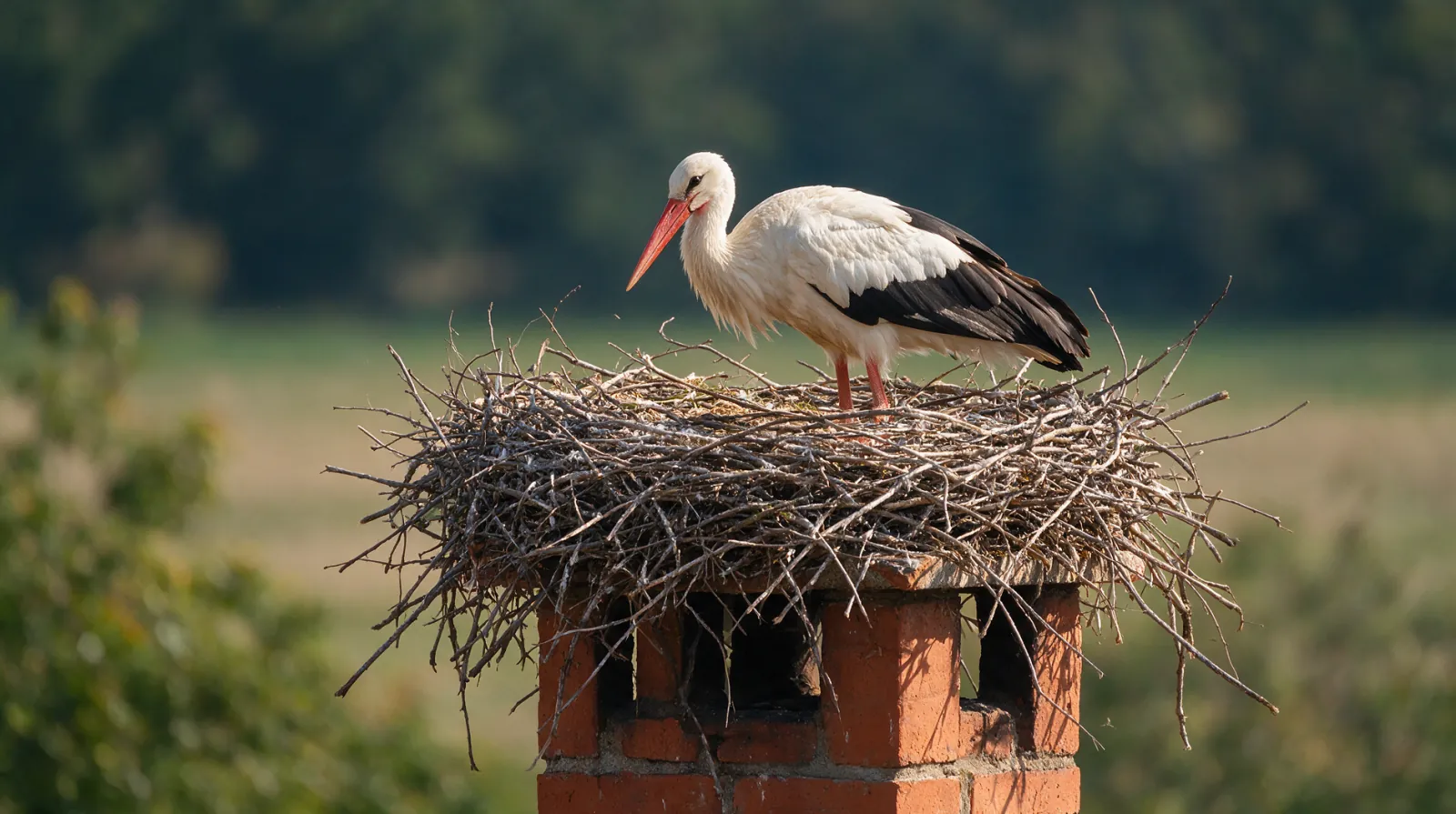
A white stork on your chimney means a pair has chosen the highest point of your house for the season, and the work of a householder is mostly to leave it alone. The nest is a large platform of sticks, grass, and earth, built up over days and often reused. The birds arrive in spring, raise chicks through early summer, and leave by late summer. Your part is smaller than it feels: watch, keep clear, and ask before you touch.
Keep a little distance
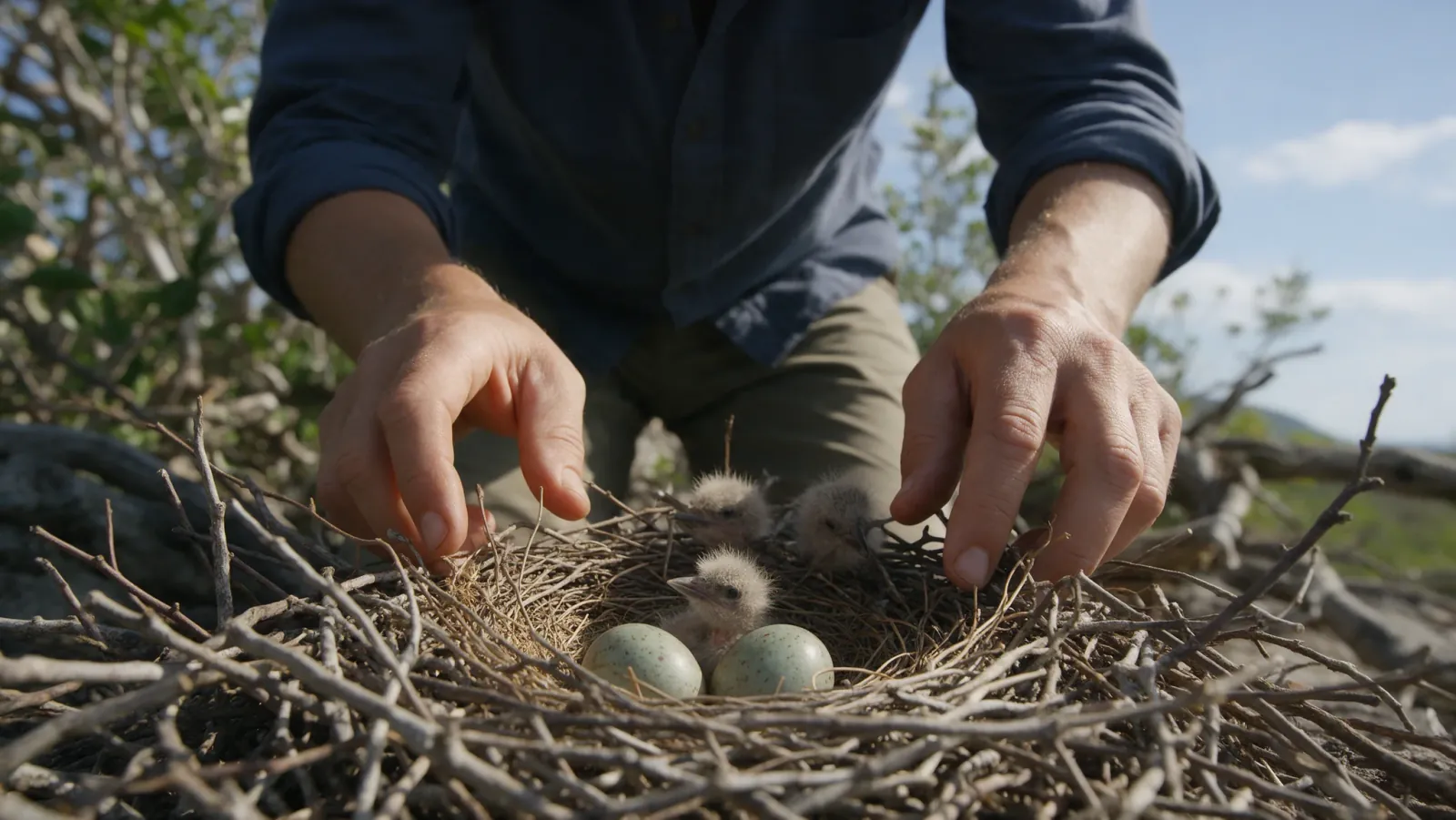
Storks tolerate people at a working distance, but they need the nest itself left alone. Watch from a window or the far side of the garden rather than from the roof. Binoculars are enough for most of the season. Avoid climbing to the nest, leaning a ladder against the stack, or sending a drone up for a closer look. A bird that flushes off the nest can knock eggs or small chicks.
The same care applies to noise and movement near the roof. Builders, gutter cleaners, and solar installers should be told the nest is there. Most work can wait until the chicks have flown. If something urgent cannot wait, speak to a wildlife group first.
Expect a mess, and manage it gently
Some droppings land on the roof and the ground below, and sticks and grass drop during building. A pair that nests on a chimney also brings food to the nest, so there can be scraps. Put a board or a mat under the nest if you can do it without going near the birds, and wash paths and patios with water. Gloves help, and so does a bucket of soapy water.
Do not light a fire under an active nest. Smoke and heat rise straight into it, and a chimney that has been unused may not draw well in any case. If the chimney is used by a stove or boiler, have it checked by a sweep who knows the nest is there. A blocked flue is a household risk, and a nest can be part of that picture. The sweep can tell you what is safe while the birds are in residence.
Feeding is not help
Storks feed themselves. They hunt frogs, insects, worms, and small mammals in wet meadows and fields, often a kilometre or more from the nest. Bread, scraps, and pet food do not match that diet and can draw rats and other birds. Leave the hunting to the bird. A shallow dish of water in a hot dry spell is the most you should offer, and even that is optional.
Keep dogs and cats away from the ground beneath the nest. A chick that lands there is vulnerable, and a pet that investigates can make a small problem worse. If you find a chick on the ground, read what to do when a young stork falls.
Check the rules where you live
White storks are protected by law in many European countries, and the nest is often protected as well, at least while it is in use. The details differ from country to country, and sometimes from region to region. Do not remove, move, or block a nest on your own assessment of the law. Ask your local wildlife authority, a stork protection group, or the municipality what applies at your address. In some places a permit is needed even for repairs near an active nest.
Rules also cover timing. Many protections are strongest during the breeding season, roughly from the arrival of the birds to the departure of the young. Work that would be allowed in winter may be restricted in May. A local group can tell you the dates that matter where you are.
The season after
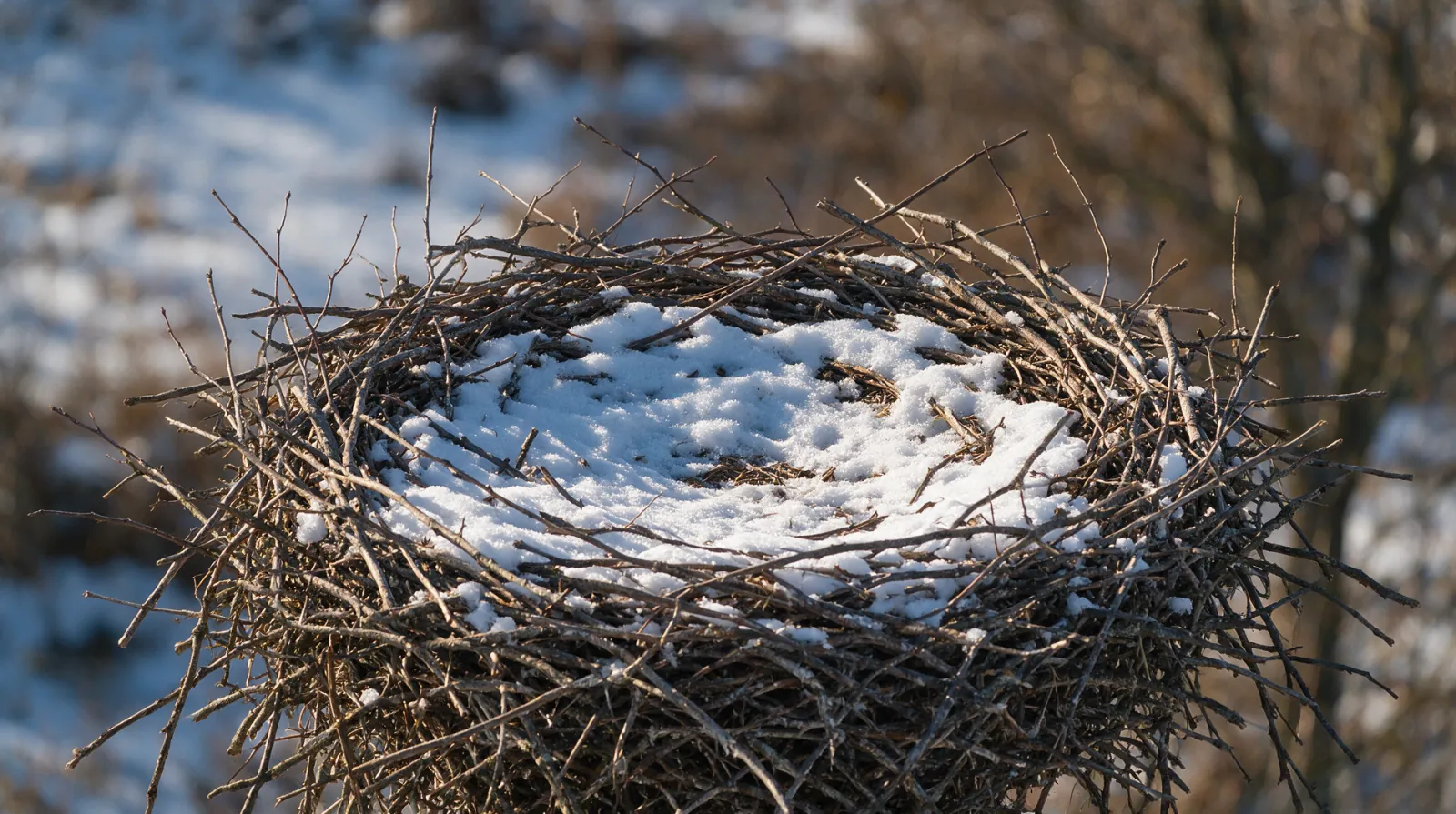
The nest usually stays. Storks return to a successful site, and a pair may add to the same structure year after year. That is how some nests grow to the size of a small cart. If the nest is on a chimney and you are worried about it, ask a wildlife body about a nest platform nearby. A platform takes the weight off the stack and gives the birds a place to build.
For now, the useful things are simple: keep the ladder down, note the first and last dates you see the birds, and keep a number for a local wildlife group. A nest on the chimney is a summer neighbour, and the neighbourliness runs both ways.
Explore the gift