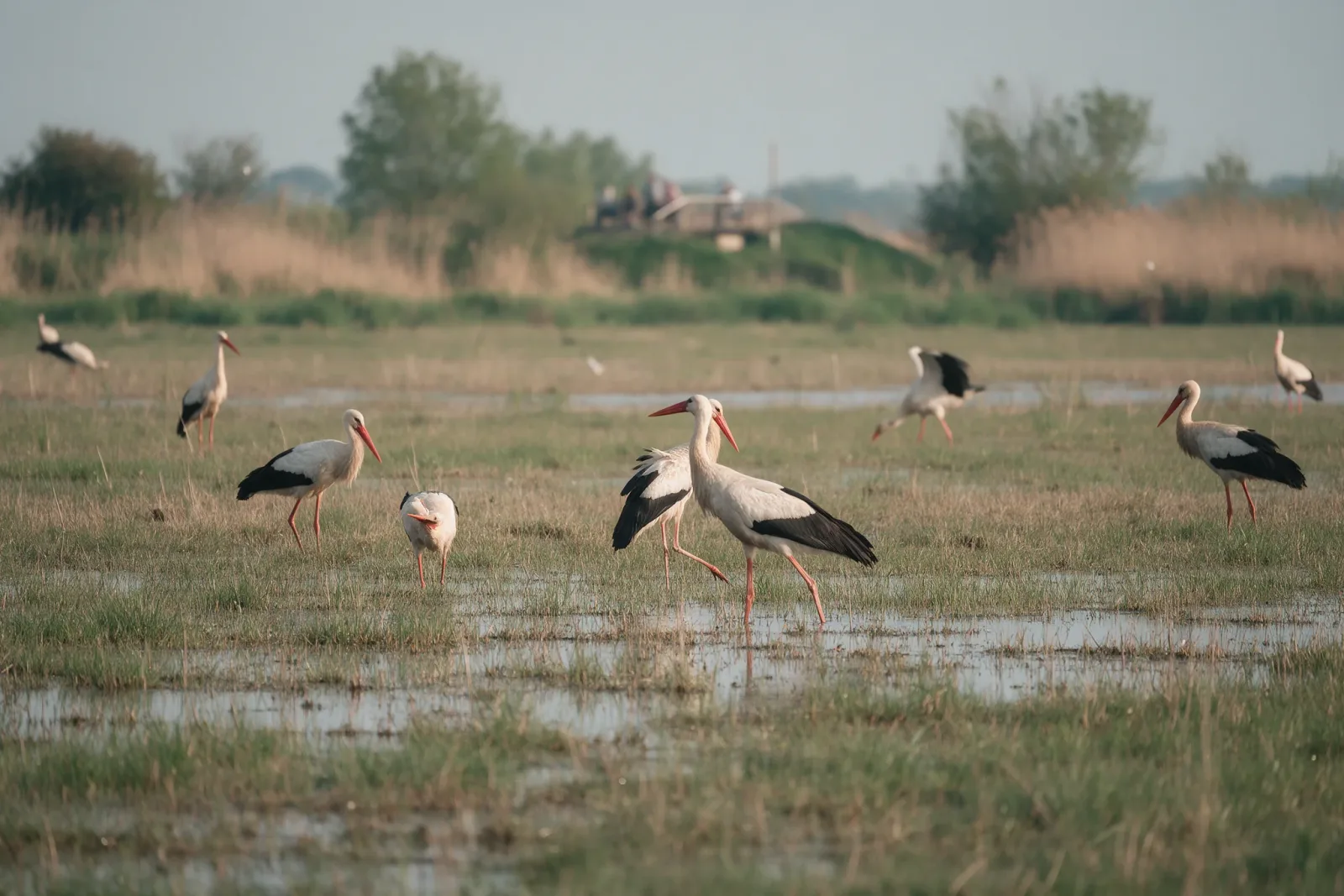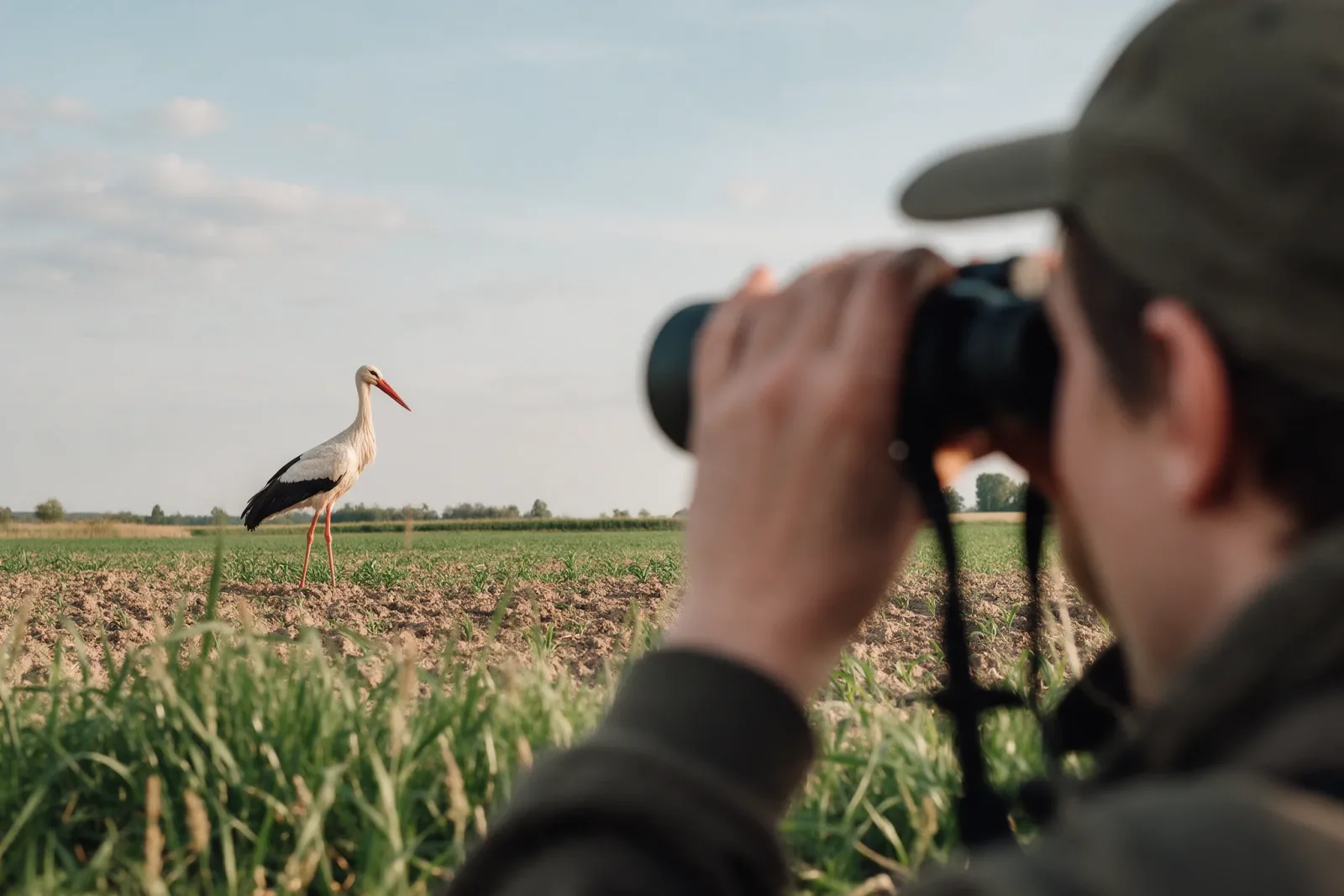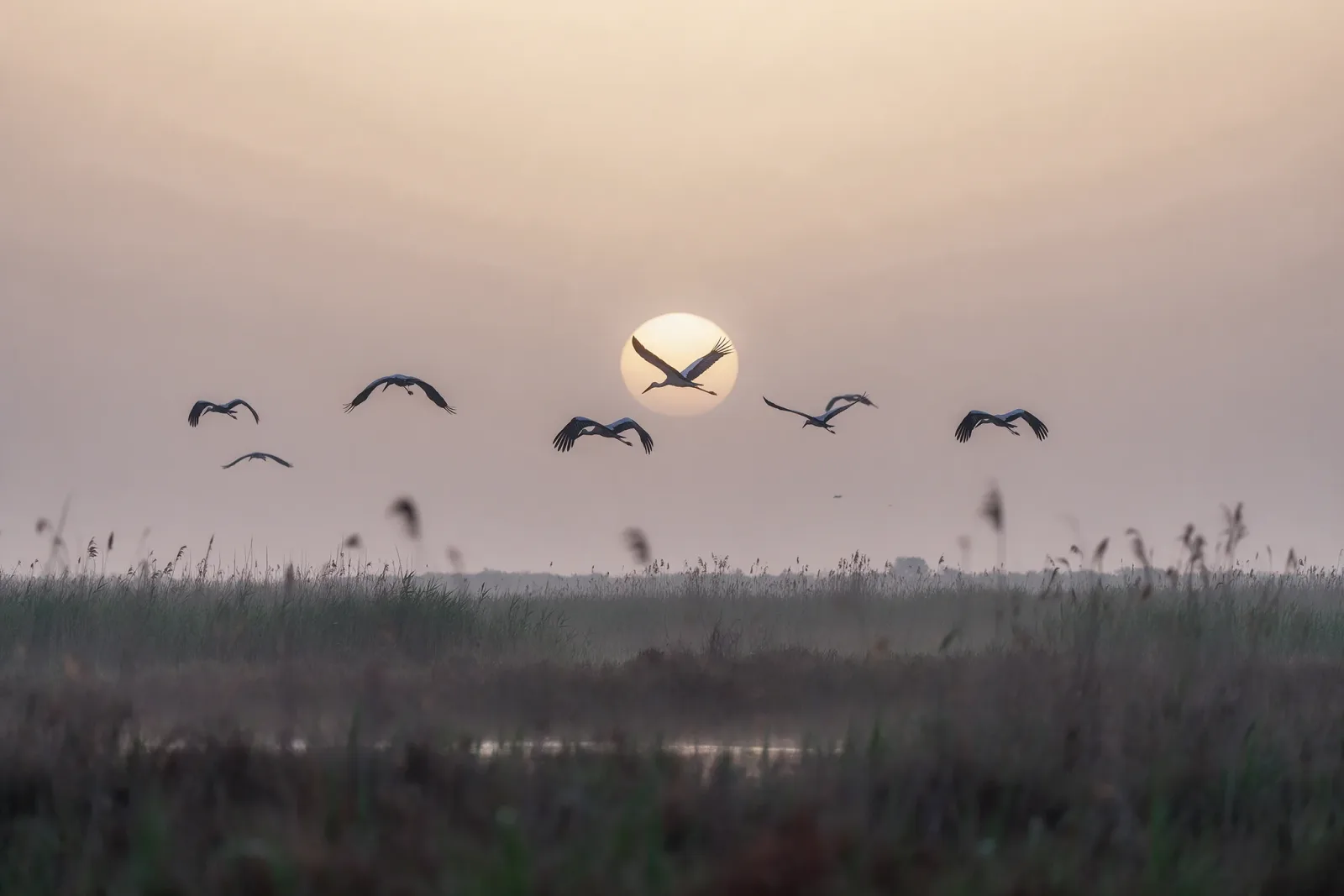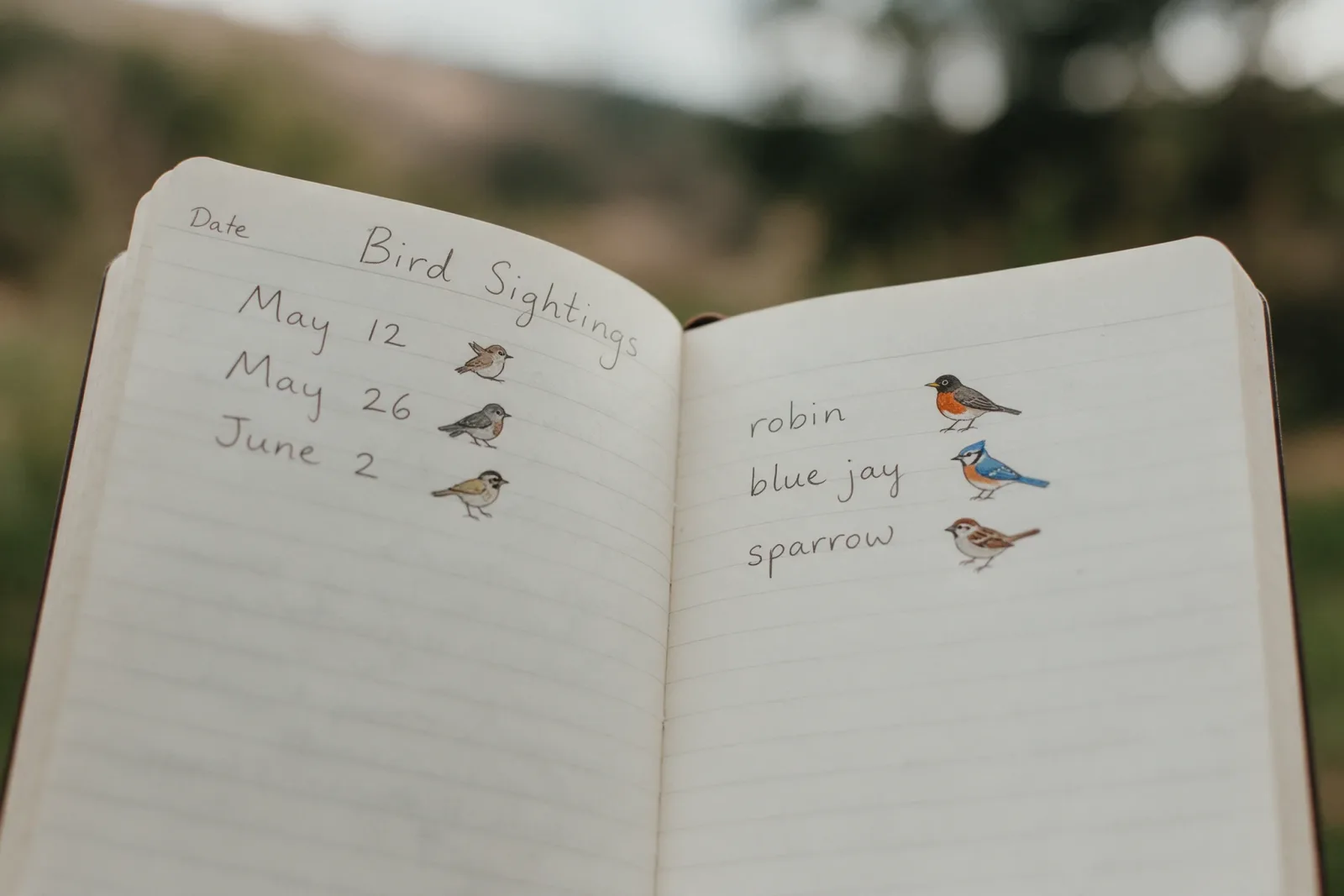
Keeping a bird journal is a way of remembering that the stork records its own journey every year, and that you can do the same with yours. A notebook of sightings, dates, weather, and small drawings becomes, over time, a map of your own attention, a record of where you were and what you saw and how the light fell. It does not need to be neat. It only needs to be kept.
Write the date and the weather first
The habit begins with the simplest facts. The date, the place, the weather, the time of day. These lines seem ordinary when you write them, but they are the scaffolding on which every other memory hangs. Months later, the note that says "overcast, light south wind, seven thirty" will bring back a morning more fully than any photograph.
Record the bird, not just the name
A good journal entry does not stop at "white stork." It says what the bird was doing: walking the wet edge, standing on one leg, clattering at the nest, riding a thermal. It says how many, and where, and what the light was doing. The detail is what makes the entry live. A name tells you what you saw. A description tells you that you were actually there.
Small drawings, however rough
A quick sketch, even a bad one, is worth ten lines of words. It forces you to look at the bird the way a casual glance never will, at the length of the bill, the set of the wing, the exact bend of the neck. Draw the bird as you saw it, not as you think it should look, and the drawing will be truer than you expect.
Let the journal become a pattern
The real gift of a bird journal arrives slowly, as the entries begin to repeat. You will notice that the storks come back to the same field in the same week each spring, that the first juvenile appears when the hay is cut, that the evenings are best after rain. These patterns are not things you were told. They are things you found, and they belong to you and your own small corner of the flyway.
A journal is a second migration
Storks carry no notebooks, but they keep their own record, in their bodies and their habits, and they return each year to the places that served them. Your journal does the same work. It carries you back to the mornings you would otherwise have lost, and it makes a watcher of you the way the long flight south makes a traveller of the stork.
Explore the gift