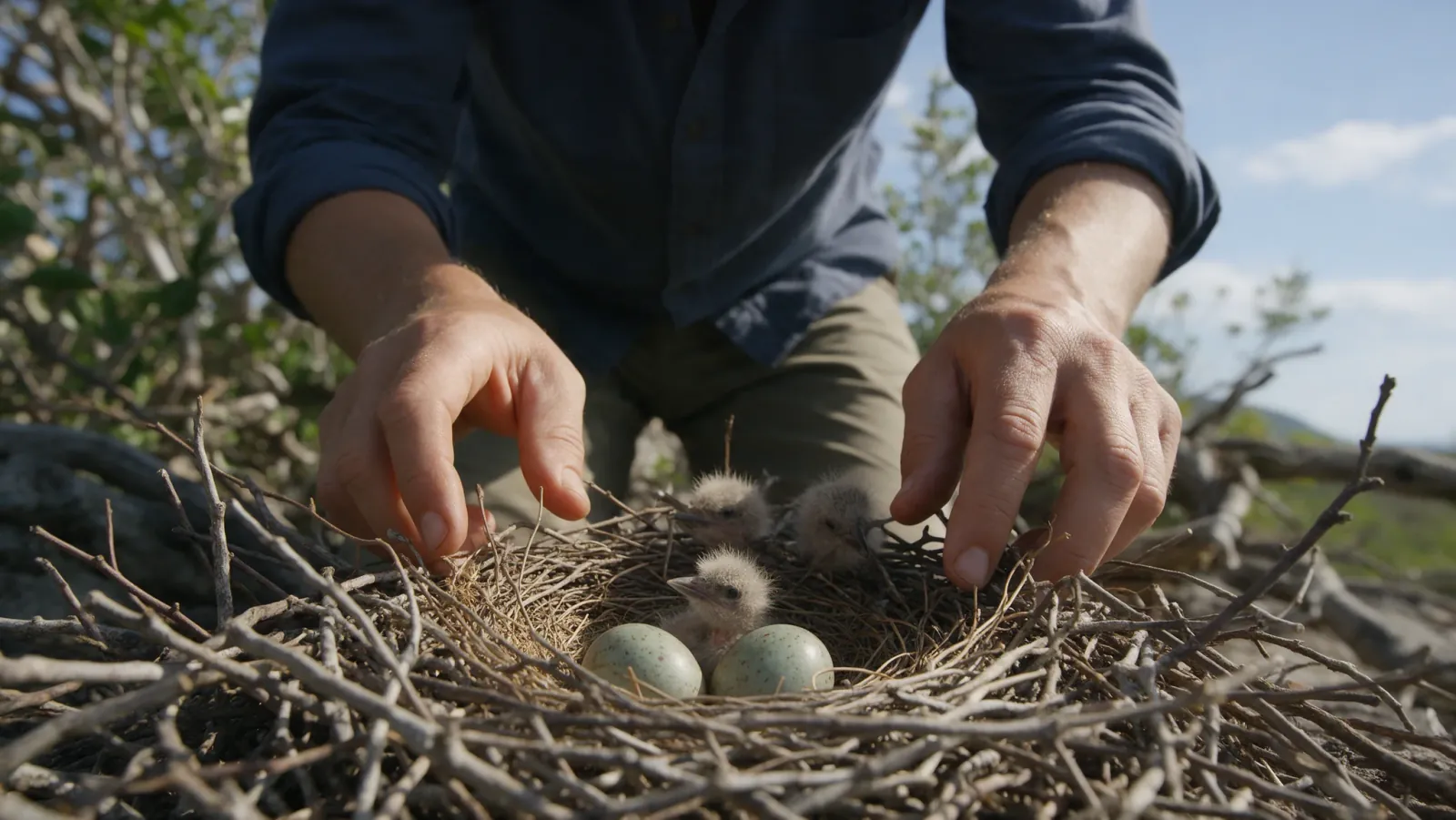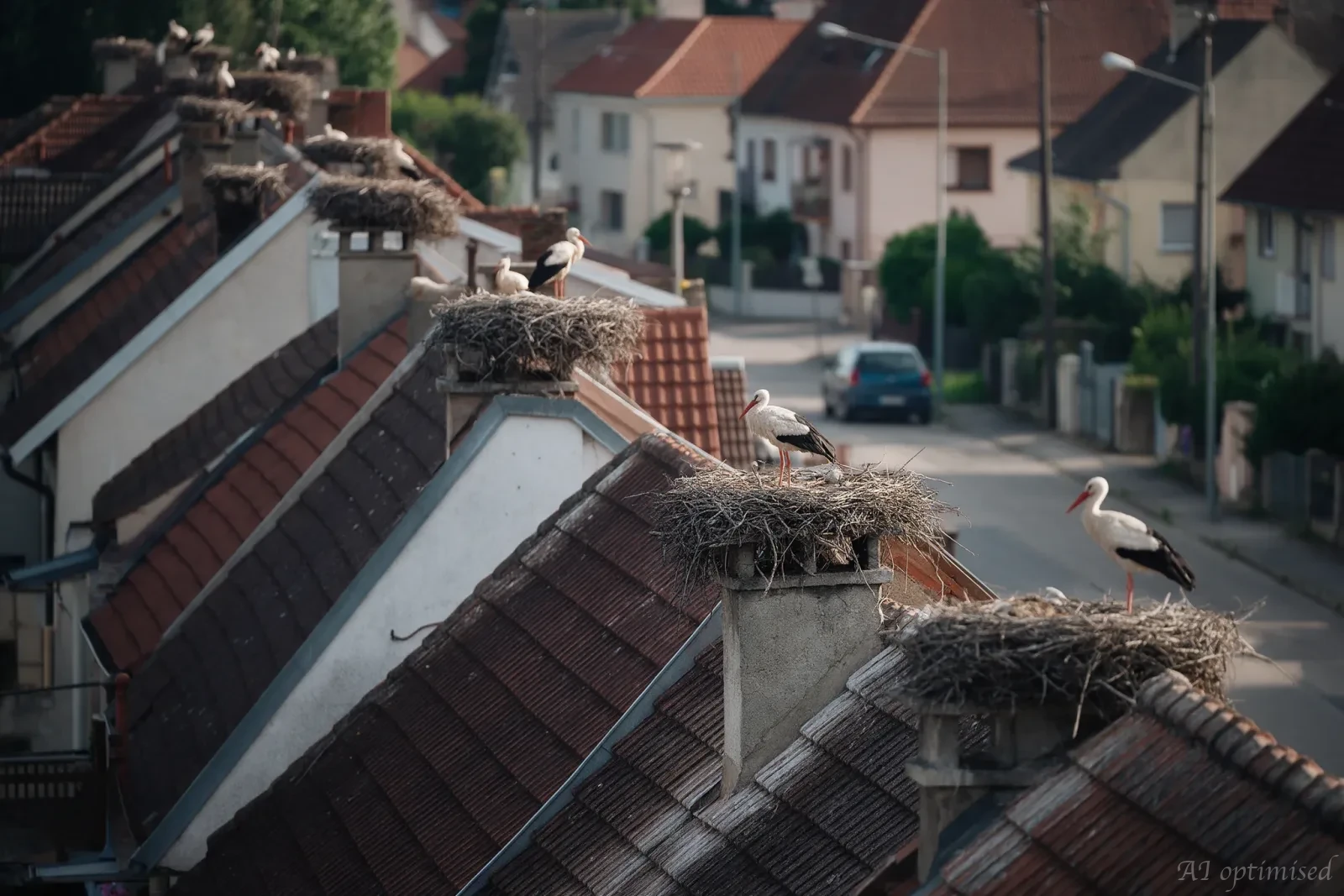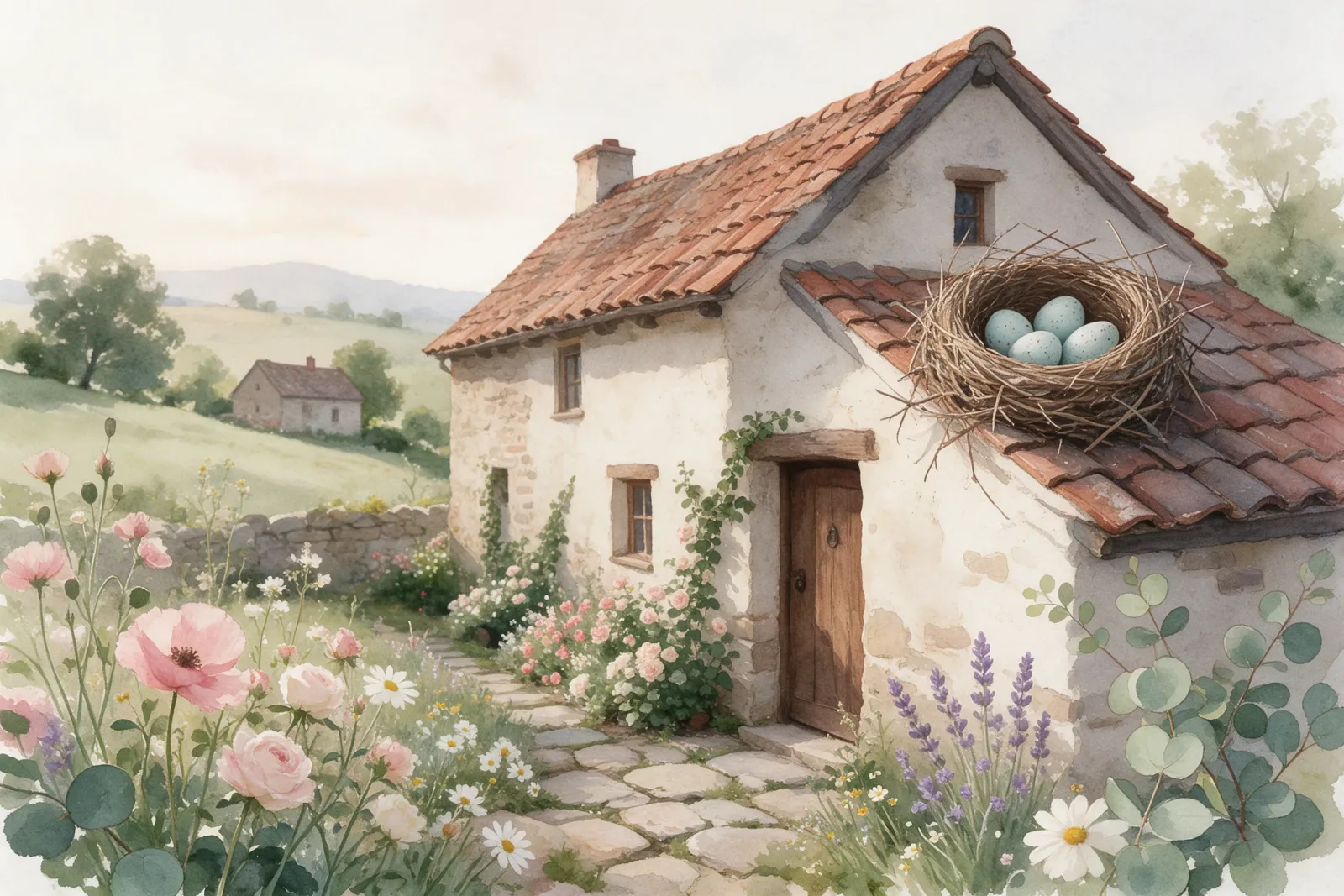
The answer depends on the country, and often on the month. In much of Europe the white stork is a protected species, and the nest it builds is protected too, at least while the birds are using it. Removal is usually a matter for a wildlife authority rather than a household decision. Assume the nest is protected until someone with local knowledge tells you otherwise.
Why the bird has protection
White storks cross Europe and Africa twice a year and need safe places to breed. Numbers fell heavily in the twentieth century as wetlands were drained and nesting sites disappeared. Protection laws, nest platforms, and reintroduction work helped some populations recover. Many countries now list the white stork as protected, and several international agreements cover migratory birds. The nest matters as much as the bird: a pair that loses a good site may not breed that year.
What the law usually covers
In many places protection extends to the birds, their eggs, their chicks, and the nest while it is in use. Some countries protect stork nests all year. Others protect them only during the breeding season. Disturbance can count as an offence even when nothing is damaged: scaring a bird off eggs, blocking the nest, or cutting the branch or chimney it sits on. The exact wording differs, so the only reliable answer is the one you get for your own address.
EU member states work under the Birds Directive, which protects wild birds and their nests, but each country writes its own rules and penalties. Outside the EU, national and regional laws apply. The question turns on a local statute, a species list, and a date.
The season changes the answer
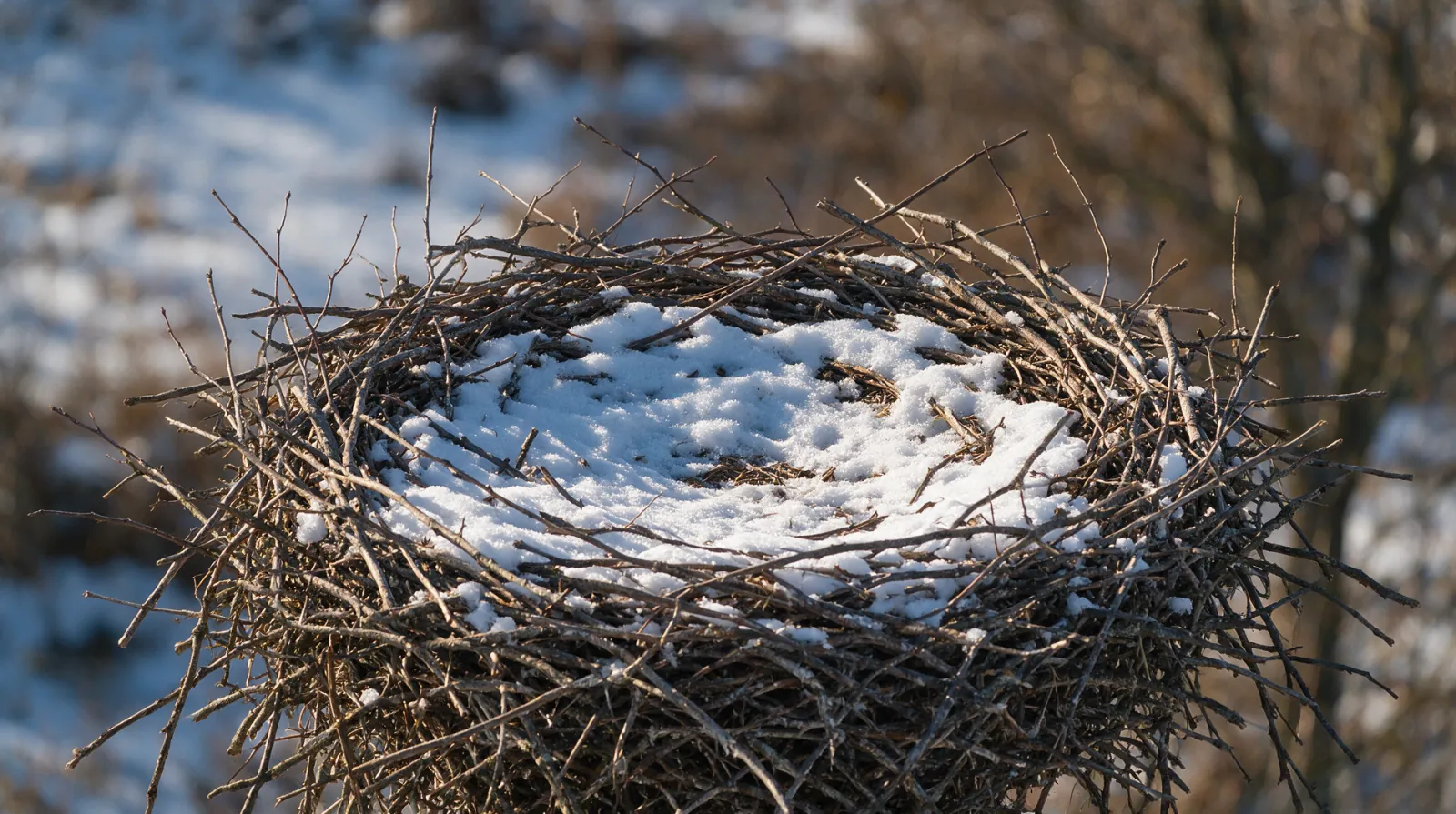
Breeding runs roughly from the birds' arrival in spring to the departure of the young in late summer. During that window the nest is active and the protection is at its strongest. Outside it, some countries allow more flexibility, and some do not. Winter is when repairs and chimney work are usually planned, which is also when a stork pair may already be inspecting the site.
If work is urgent because the nest is unsafe, say so when you ask. Authorities can grant permits or advise on a solution. They deal with these cases every year. Ask them for the exact dates in your area, and whether an empty nest that is still standing counts as protected.
What people do instead of removing
Most problems have a workaround. A nest platform placed nearby can draw a pair away from a weak chimney. Repairs can be scheduled for the window when the nest is empty. A sweep can clear a flue without touching the nest. Netting or spikes on a ledge can discourage building before the birds arrive, though they are rarely welcome on a nest site and may need approval too. The nest platform programme shows how one country moved birds off dangerous roofs.
Who to ask
Start with the national wildlife agency or the local nature conservation office. A stork protection group, a bird rescue, or the municipality can usually point you to the right person. Ask what applies to your address, what season rules apply, and whether a permit is needed. Put the question in writing and keep photographs and dates. If a contractor offers to remove the nest quietly, ask for the permit in writing before any work starts.
A roofer who knows storks will often suggest the cheapest legal route. A licensed ecologist can assess a nest on a listed building or in a sensitive spot. None of these people can change the law, but they can tell you what it allows.
A nest that has stood for years is probably part of a pair's routine. The birds will return to it, and the question of removal will come back with them.
Explore the gift