A white stork can be one of a hundred birds on a tracking page until somebody gives it a name. The name goes on a keepsake card beside a photograph, and after that the bird has an identity in the house. The gift costs €9.99 once, with no subscription, and the name, the card and a year of following come with it.
How a name changes the watching
Hundreds of storks pass over the same valley in a season. Without a name they blur into one impressive sight: white bodies, black flight feathers, red legs trailing behind. With a name, the eye has somewhere to land.
A name turns a species into a subject. The family stops watching storks and starts watching this one. They ask whether it has reached the nest, whether the eggs have hatched, whether it has begun the long turn south. A fact becomes a subject, and the subject has a photograph on the shelf.
This happens before the bird has done anything unusual. The name does the work, and the bird supplies the news.
Choosing from the flock
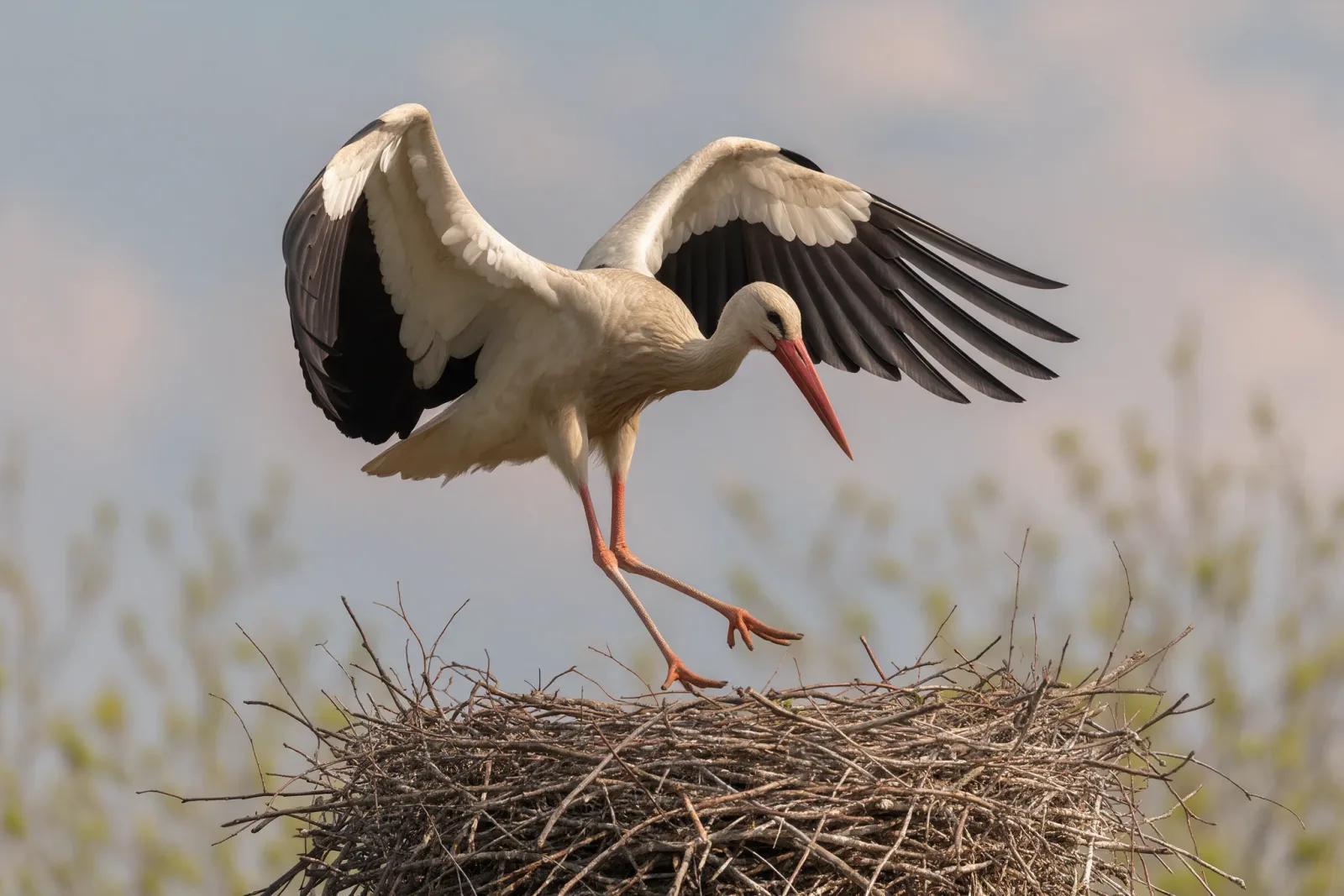
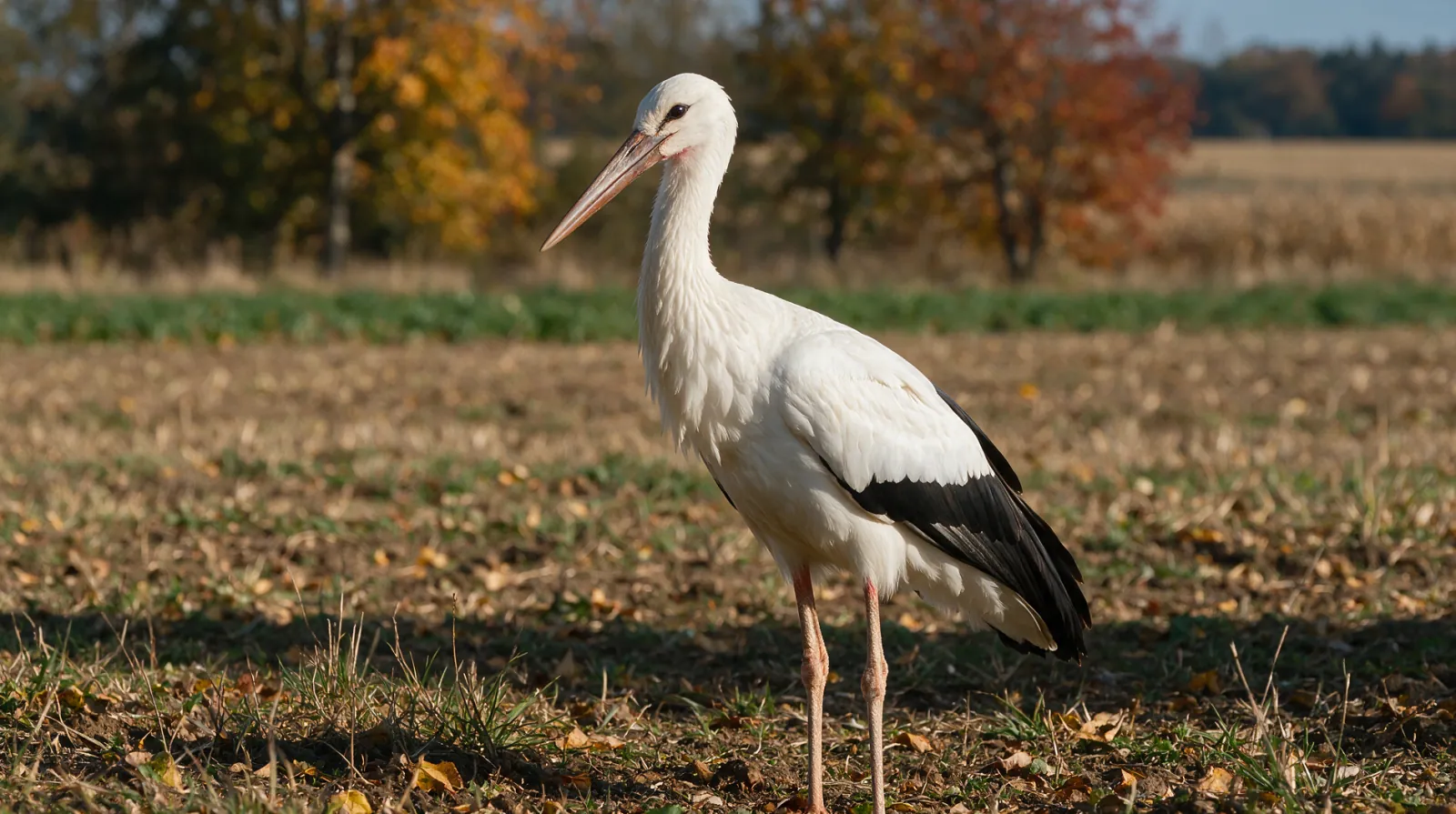
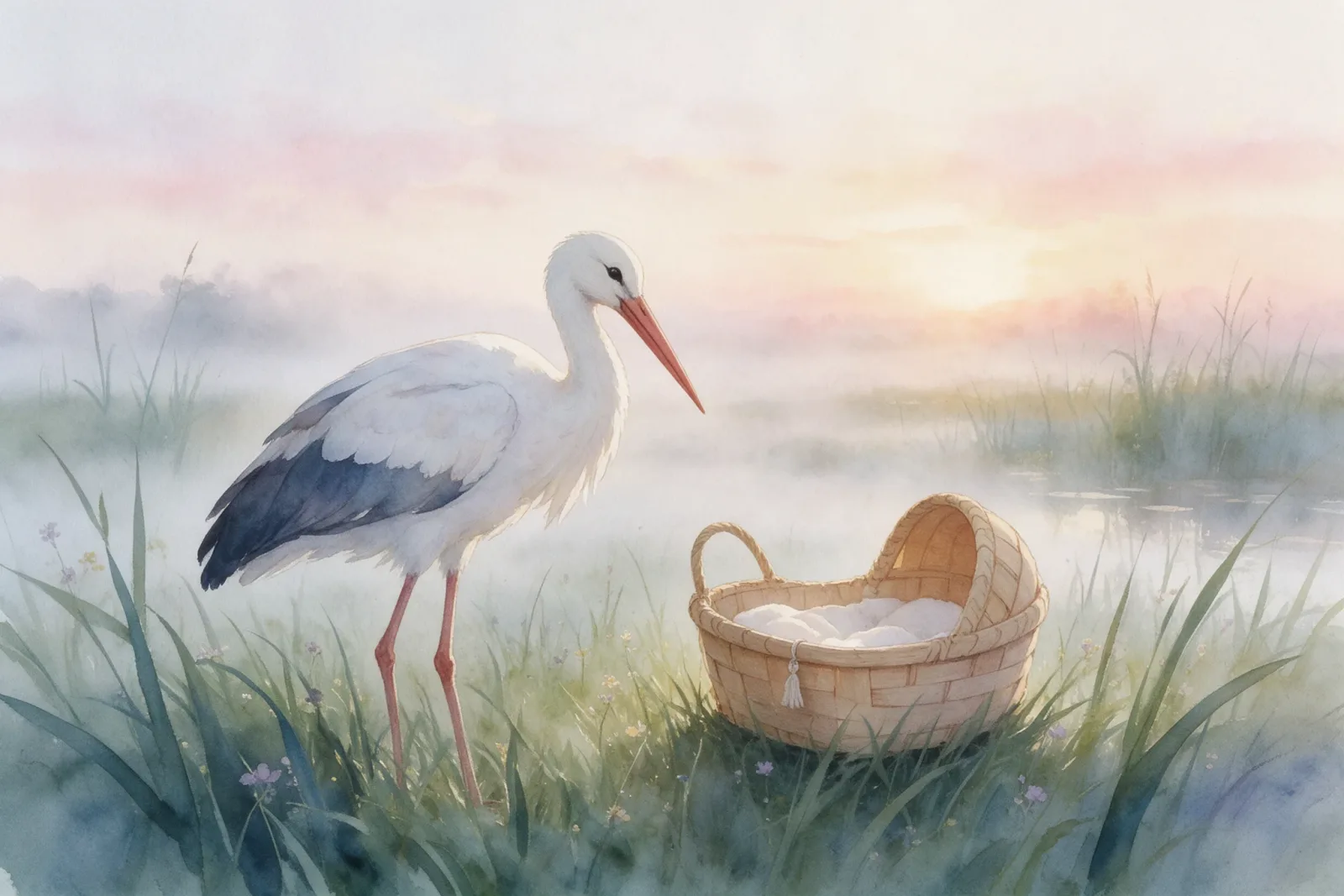
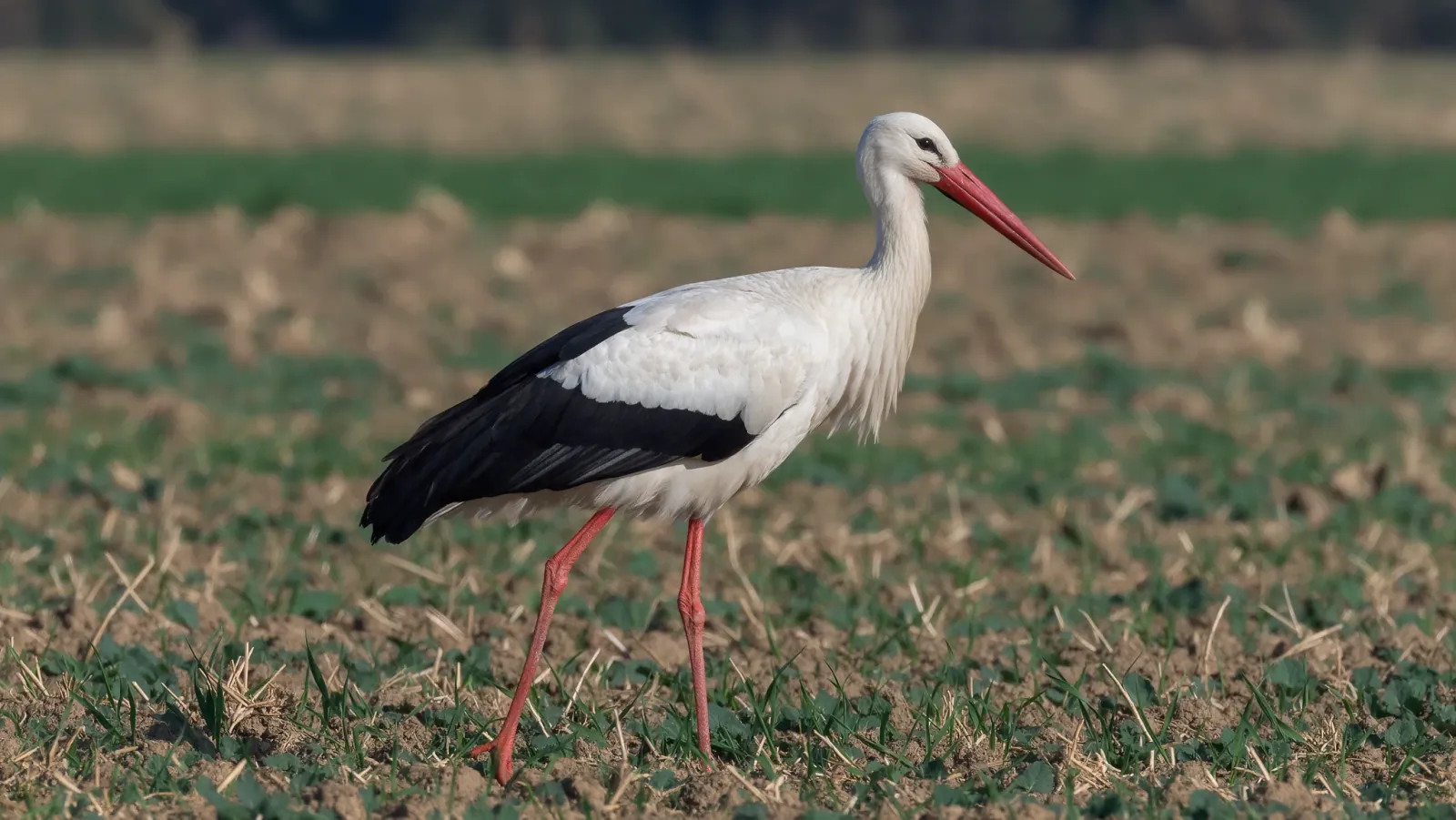
There are around a hundred white storks in the flock, each with a name and a portrait. The photograph is the first thing a family sees and the thing that gets remembered. A stork standing in wet grass, a stork on a nest with a roof behind it, a stork in flight with the wing tips spread: those are different moods, and one of them will suit the nursery better than the others.
Look at the picture on a phone and again on a large screen. It will end up on a card, on a shelf, possibly in a frame. Pick the bird whose portrait you would still be glad to see in five years. That is most of the decision.
When two portraits look alike, the difference will not matter by June. Take the one you noticed first, or the one whose name is easier to say, or the one whose picture has better light. If several people are choosing, give each of them one vote and a deadline of an evening. A stork chosen in twenty minutes is followed for a year with the same attention as one chosen over a fortnight.
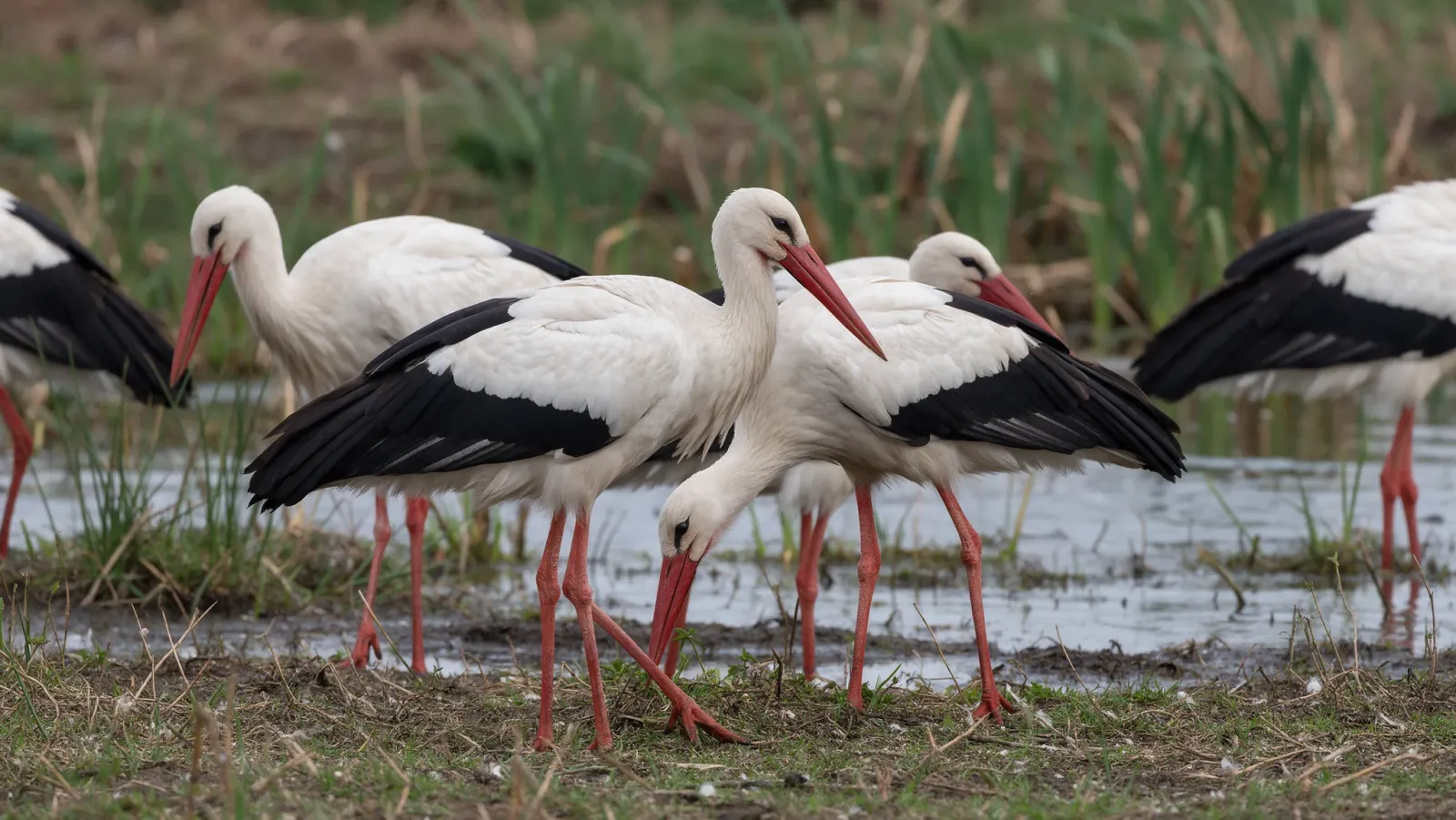
White storks from western Europe tend to cross at Gibraltar and winter in the Sahel. Birds from the east often take the longer route over the Bosphorus and down the Nile. Some now stay in southern Europe all year, feeding on landfill and freshly cut fields. The route is the part of the story that keeps going through the cold months.
A name that survives being shouted
Playgrounds are hard on names. A stork's name will be called across a garden, a playground and a supermarket, written on a card and read by strangers. Short names survive this, and so do names with a hard consonant in them. A name of three syllables with a soft middle tends to get shortened by whoever has to call it, and the shortened version is the one that sticks.
Names tend to come from the room rather than from a book. The weather the week the baby arrived. A street. A bird that visits the garden. The word a toddler uses for water. None of them are dignified, and dignity is not the point.
A name of two syllables survives a playground. Most of the names that last are short, and few of them come from a book. They come from the weather the week the baby arrived, from a street, from a bird that visits the garden, from the word a toddler uses for water.
There is no rule against a silly name. A stork called Spoon will be a stork called Spoon for as long as the family keeps the card. One caution is worth passing on: do not name the stork after the child. It seems neat for a day, and then every sentence in the house becomes ambiguous.
When the household cannot agree
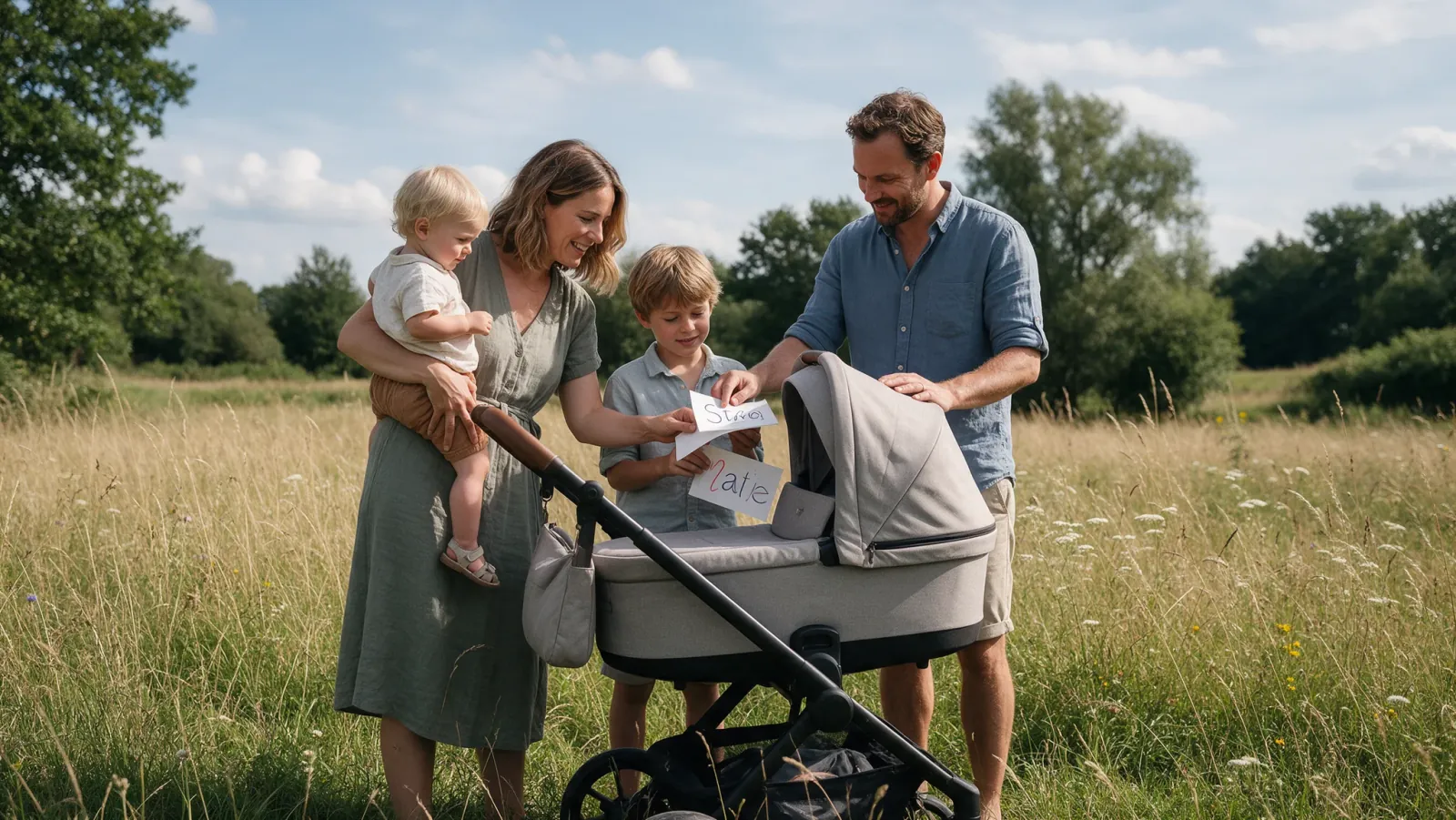
Some families decide before the card is printed. Others wait until the card is in hand, the family is in one room, and the argument can take an evening. Both work. Three rules keep the evening from turning into a committee meeting. Everyone writes a name down before anyone speaks. The list gets read aloud once, in full, without comment. Then anyone can strike one name, and the strikes happen in silence.
Writing before speaking keeps the loudest person from setting the terms. If the list still does not produce a winner, the fallbacks are old and reliable: the place the baby was born, the name of a grandparent, the name the older sibling insists on. Failing all of those, take the first name anyone said out loud. It has a claim on the room that later suggestions do not.
The baby does not vote. The baby will use the name for years, and will have opinions about it later, and there is no way to consult them now.
Test the shortlist in the sentence you will actually use: 'come and see what the stork did today.' If the name catches in your throat, it will catch every time. If it makes someone in the room smile, it will keep doing that.
The first spring return
A pair arrives at the old platform in March, and the nest gets repaired with sticks and grass. The work is visible: a nest that looked abandoned in February becomes a construction site in March. The bird stands on it with its head thrown back, clattering, and the sound carries across a village. White storks return to the same nest year after year, and pairs often meet there again.
That return is the moment the name earns its keep. Through the winter the bird has been somewhere else entirely, and then one day the message says it is standing on the platform again. A name invented by a family starts to sound like the bird's own by the second spring.
The adoption is symbolic. Nobody owns the bird, nobody can visit the nest, and the name does not enter an official record beyond the card and the family's memory. A tenth of profits is donated every quarter to stork conservation, which supports the wet meadows and nesting platforms the birds need.
By the second spring the routine is familiar. The card comes off the shelf, the child looks for the bird's name, and the family checks whether the same platform has a bird on it. The name was invented by a family, and by then it sounds like the bird's own.
What a name cannot do
The bird will never come when called. It does not know it has been adopted, and it goes where storks go, on routes worked out over thousands of years. That indifference is worth saying out loud to a child who asks, because it is the truth and because it is what makes the name interesting.
The name is a human handle on something that is not ours. It makes one animal visible among a hundred, and it gives the family a shorthand for the whole gift. Say the name in a room and everyone knows which bird is meant, which field, which spring.
A name is also a small piece of language the family owns. Nobody else in the world calls this bird by this word, which makes it a private joke with a very long life.
A newborn cannot say the name. A toddler can, and will, often at volume. Somewhere in the second year the stork's name joins the small vocabulary of things that exist in the child's world: the dog, the moon, the bird on the roof. If you want to start that year with a bird of your own, you can adopt a stork and choose the name before the card is printed.
Explore the gift