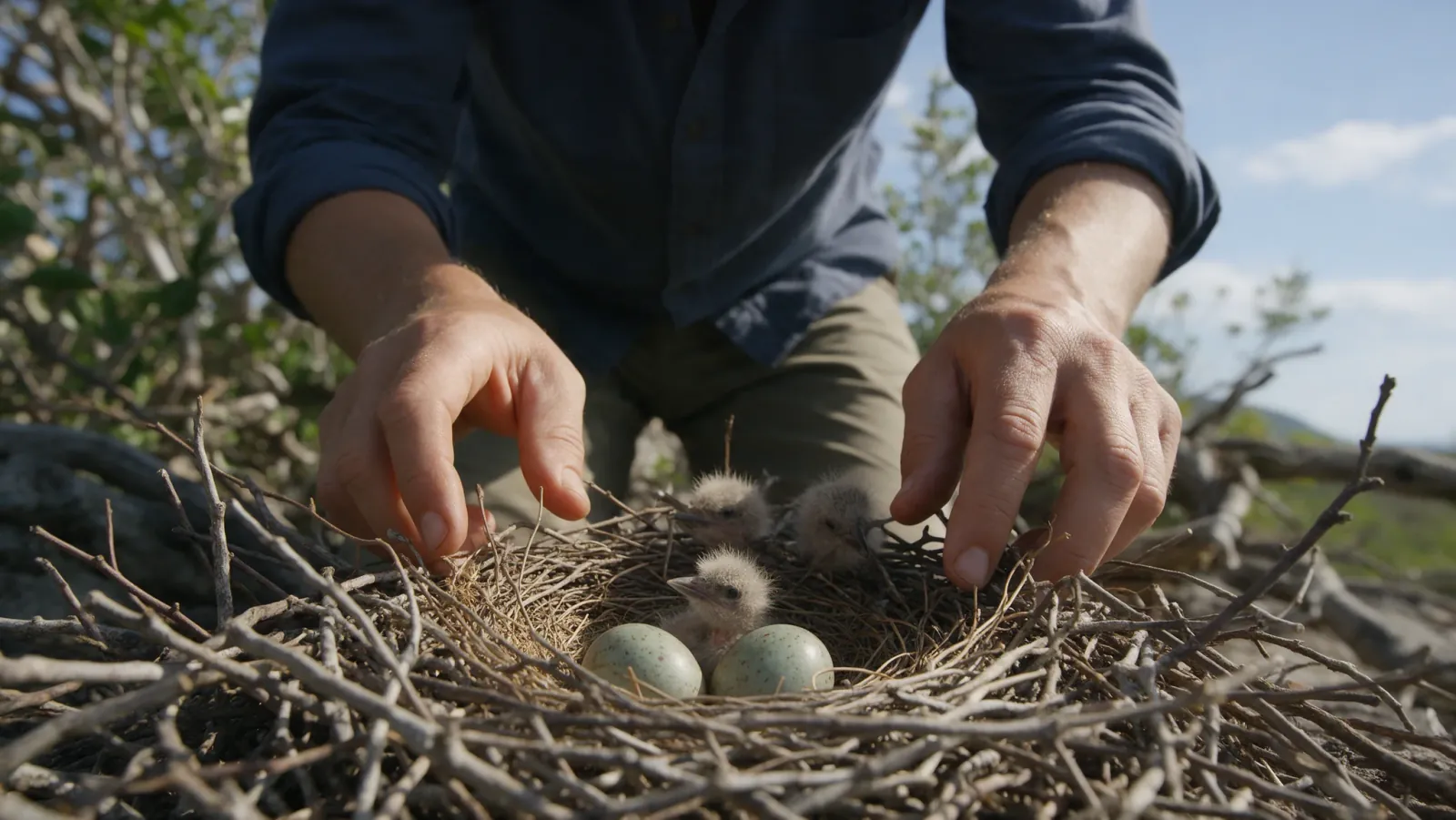
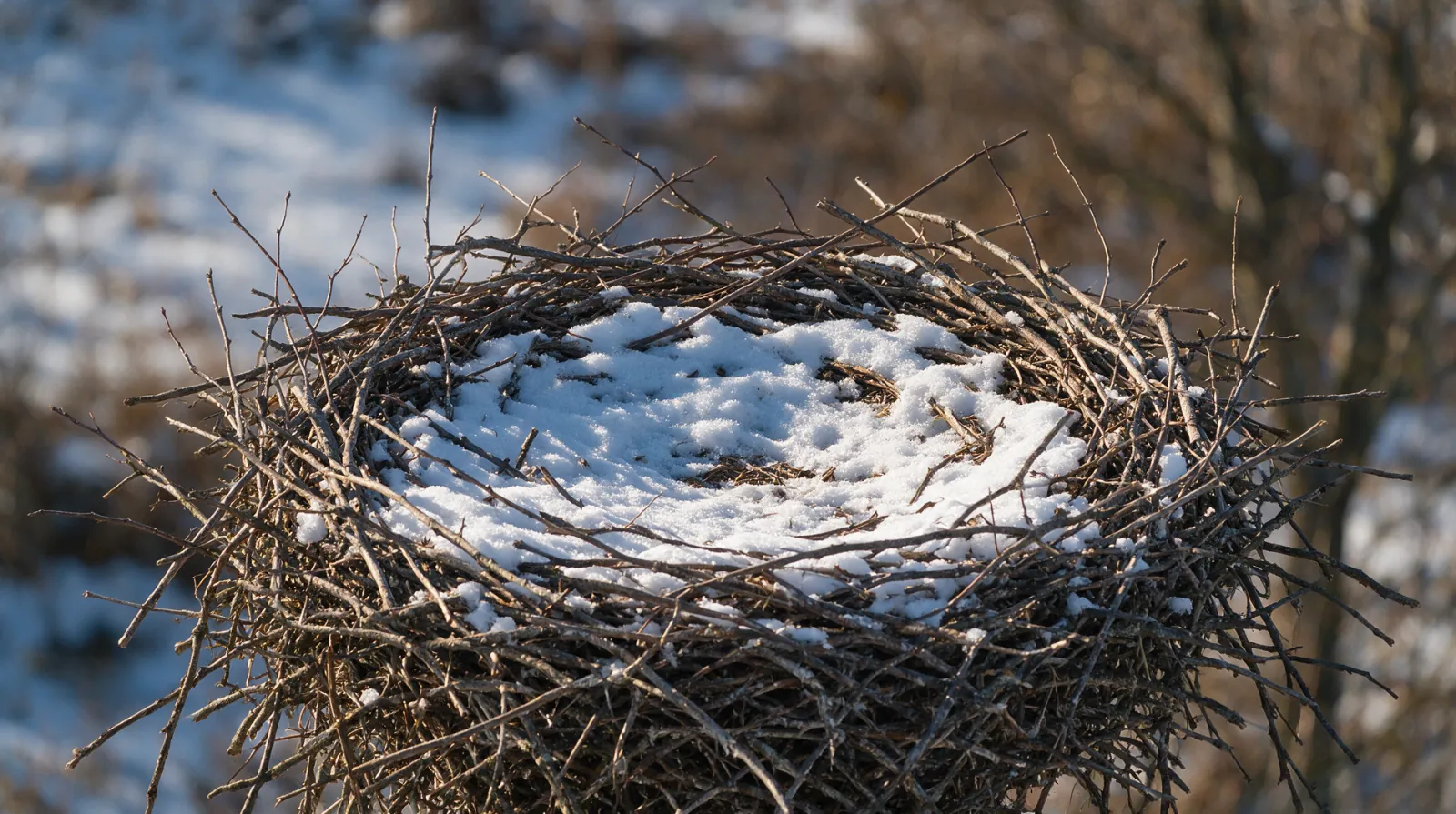
The child who waits for the stork learns the shape of a season before learning to read a calendar. The roof is bare, the nest is a heap of sticks, and then one morning there is a white shape standing on it again. The space between those two facts is where patience grows.
The story arrives before the bird
Most children meet the stork in a story first. A parent explains that the bird flies away in autumn and returns in spring, and the child holds the idea loosely. The story gives the waiting a shape.
The parent may not have seen the bird either. The story is enough. It gives the child a way to think about a roof that will be empty for months, and a reason to look at it anyway.
Then the child wants proof. The story turns into a daily check of the rooftop, a question asked before breakfast, a face tilted toward the chimney. A story about a returning bird turns a bare roof into something worth watching. Nobody has to tell the child to keep watch.
The white stork makes the story easy to believe. It nests on roofs and poles, close to people, and it comes back to the same nest. A bird with an address is a bird a child can check on. A nest that has been used for years is easier to find, and the child learns the silhouette of the roof without being taught.
What an empty nest teaches
An empty nest is part of the lesson. A child learns to look at bare sticks without reading them as loss. The nest is a promise that something will return to it, and the child can love it while it waits.
Name the facts plainly. The stork is away, and it will come back when the warm weather holds. The bird spends the cold months in sub-Saharan Africa, and the nest sits empty through the winter. A child can hold the empty now and the full later in the same small hand.
That is a large lesson tucked inside a morning glance at a roof. It settles without a speech. The child learns that absence has an end, and that the end can be counted toward.
The winter has its own evidence. Frost on the nest, wind moving the sticks, a roofline that looks wrong without the bird. A child who notices these things is already keeping a record.
The waiting also gives the child a way to talk about missing someone. A grandparent who lives far away, a parent who works late: the stork's absence is a safe place to practise the feeling.
A name for the bird you wait for
Waiting is easier with a name. A child asks what the stork is called, nobody can answer, and the child supplies a name. From then on the bird is particular. Say a name once and the bird becomes an individual; say it all winter and the bird becomes family.
The name changes the family's talk. The nest becomes the bird's address, and the address belongs to a creature everyone in the house can picture. The return in spring is no longer a general event. It is the arrival of someone.
The name gets used in ordinary sentences. Has the stork come back. Did you see the stork today. The bird becomes a subject the family shares, and the sharing keeps it present.
The name can also live on a toy. A soft stork with black-tipped wings sits in the crook of an arm, and the child gives it the same name. The toy carries the rooftop bird through the months when the roof is empty. A soft bird gives the child's attention somewhere to sit until the real one returns. The child chooses the name, and the reasons do not need to make sense to anyone else.
The toy can be mended, washed, taken on a walk. It can be dropped in the lane and found again. A stand-in that survives a winter is doing real work.
Small rituals of a waiting child
A waiting child is busy. There is the morning glance at the roof and the walk to the field. Each ritual keeps the return close without bringing it forward.
The waiting also teaches a child to read the sky. Clouds and the first warm wind become part of the countdown. A child who watches for a stork learns the weather as a set of signs. Patience is attention held open across a long stretch of days.
The rituals can be small and physical. A mark on a calendar. A feather on a windowsill. None of it hurries the bird. All of it makes the waiting a thing the child can do instead of a thing that happens to them.
The rituals change as the child grows. A drawing becomes a chart, and the chart gets a column for the date. The waiting grows a method without losing its hope.
The morning the nest fills
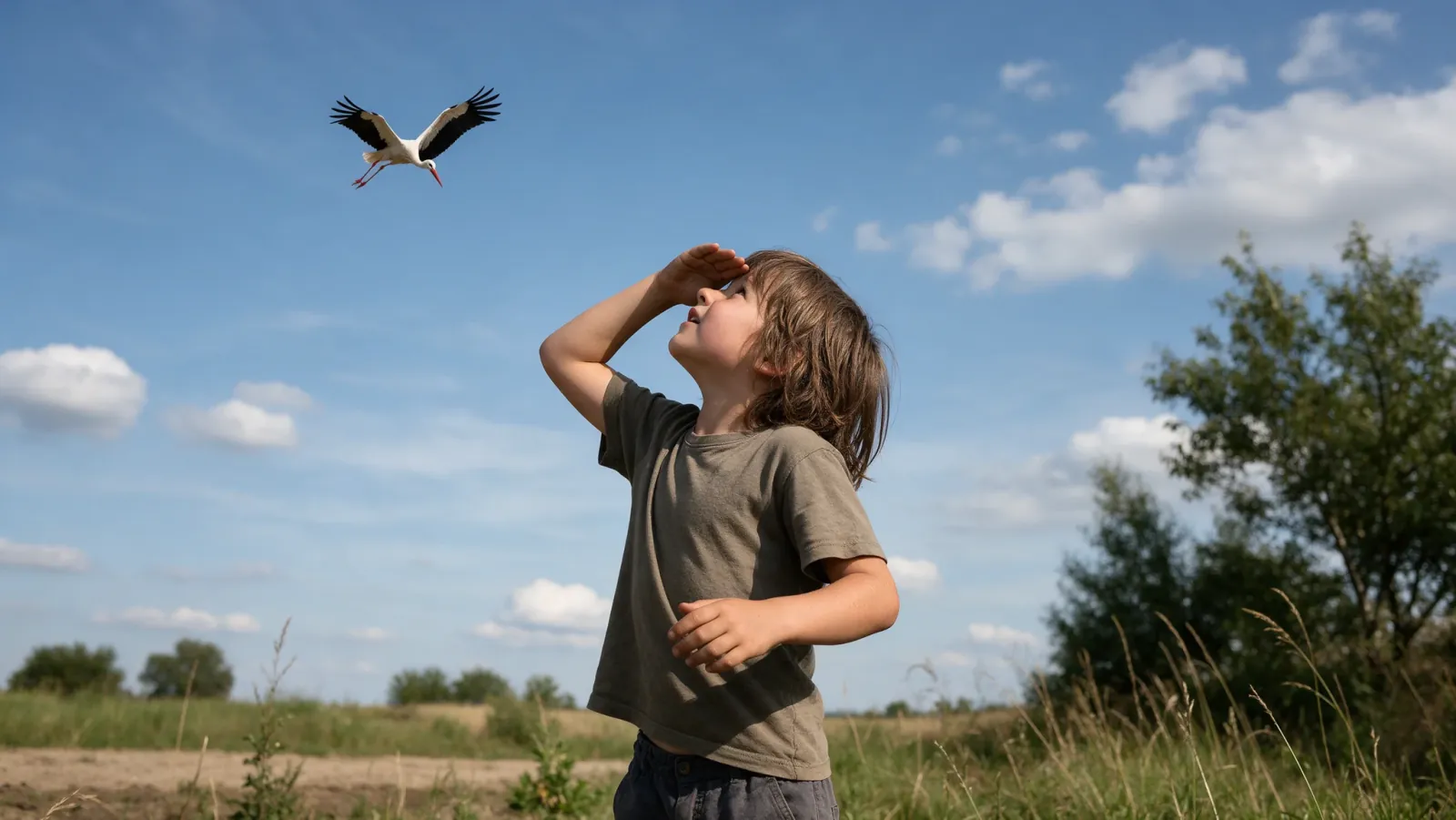
When the stork comes, the joy has weight because every morning at the window sits behind it. The child shouts, points, runs to tell whoever will listen. The arrival is small in the world's terms and enormous in the child's, and the size comes from the waiting.
The bird lands on the nest and stands there. It clatters its bill. It arranges a stick that was already arranged. The child watches all of it as if the bird had been hired to perform.
The first sighting is often small. A white dot on the chimney, a shape that might be a plastic bag until it moves. The child decides before the adult does, and the certainty is part of the joy.
The return is earned by the waiting, and the waiting is what the child remembers. Then the next lesson begins, because the bird will leave again. The child who has waited once knows the pattern now: absence, watching, return. The year has a hinge, and the child has found it.
The years measured beside a bird
A named stork becomes a yardstick. The bird was there when the child learned to walk, there when school began, there when the first tooth came loose. The seasons of the bird and the seasons of the child keep pace.
One spring the child notices that the stork looks smaller, when really the child has grown. A named bird keeps time in a way a calendar cannot. The calendar says the date. The bird says what the year was for.
The bird's own years are not the child's, and the child learns that too. A stork can live for many years, and the one on the roof may outlast a childhood. That thought arrives later, and it changes how the returns are counted.
A stork gift can start the whole arrangement, arriving with a name still waiting to be given. The child supplies it, and the roof gets a new member of the family, one with wings and a long red bill and a habit of returning. The bird does not answer to the name. The family says it anyway, and the waiting begins on the first evening.
Explore the gift