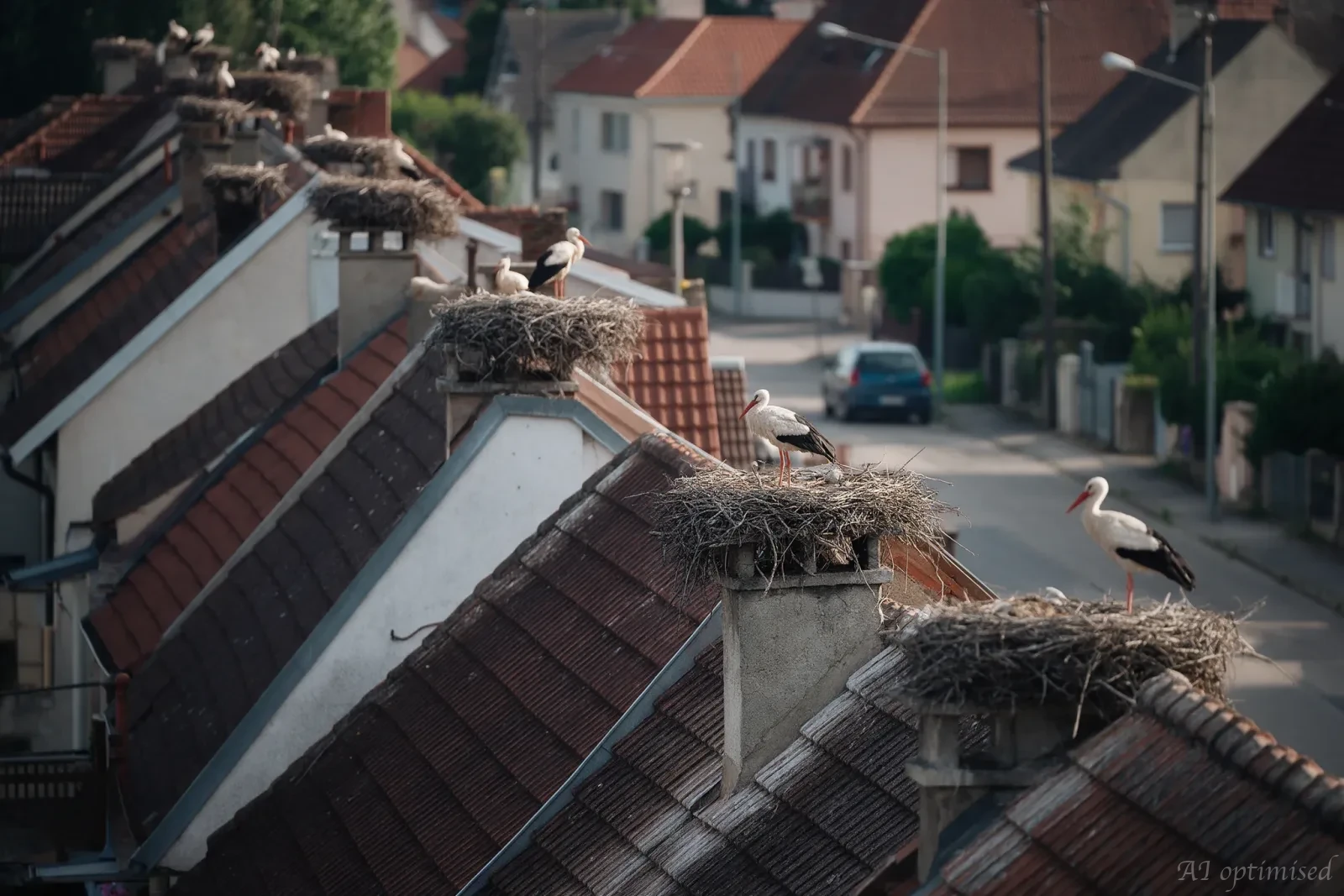
Stork nest cams put a breeding season on a screen, and the good ones show the ordinary work of the nest rather than a reel of highlights. A camera fixed above a platform on a church roof or a pole will follow the same pair for months: arrival, repair, eggs, chicks, and the day the nest empties.
What a camera actually shows
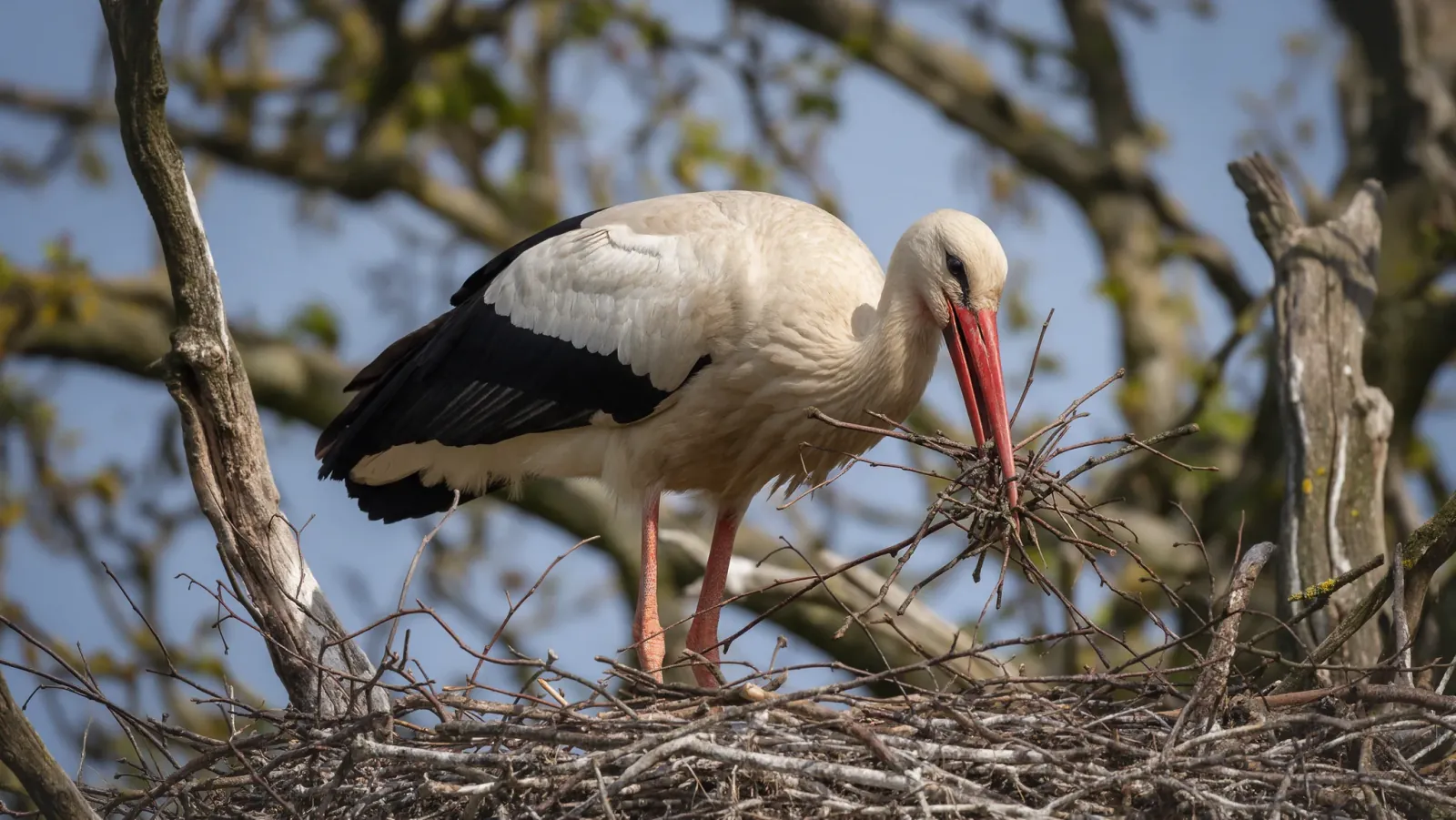
Most cams are wide-angle and fixed. The nest fills the frame, and the bird moves in and out of view at the edges. On a good day you can see the change of shift, when one adult stands and the other settles onto the eggs. The shift change is the most reliable event on a stork cam, and it happens every few hours. Nest repair is the other constant: sticks arrive, get pushed, and get pulled out again.
When to watch
The season has a schedule. Birds return in March, eggs appear in April, chicks hatch in May, and the young grow through June. First flights come in July, and by August the platform is often empty. The most rewarding stretch is from the first week of April through the end of June. Check the local time before you settle in. Many cams run on solar power and go quiet after dark, and some switch to infrared.
Reading the nest
A pair greets each other with the head thrown back and the bill clattering, and the sound carries across a yard. Eggs get turned with the beak. Small chicks are shaded with half-open wings. Older chicks stand at the rim and flap, testing a wind they cannot yet use. The clattering greeting happens whenever a mate lands, and it is the loudest thing on the camera. Watch for it after a bird has been away for an hour.
The limits of the view
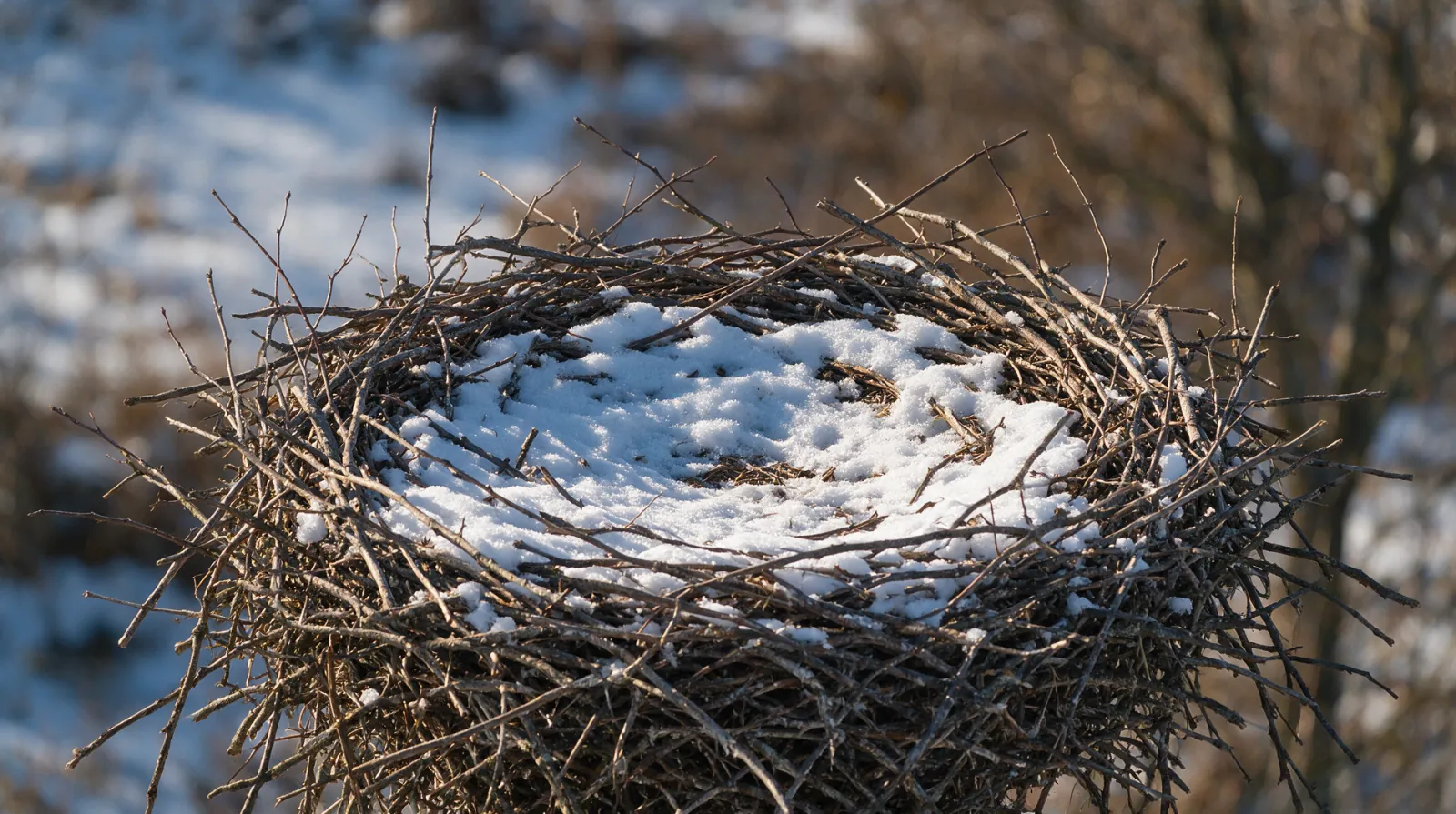
A camera shows one nest and one season. Storms take nests down, eggs fail, chicks die, and predators visit. The view does not explain any of it. Nest failures happen on camera too, and the camera does not explain them. A single nest also says little about the species. For that you need many nests, many years, and people who write down what they see.
Watching without disturbing
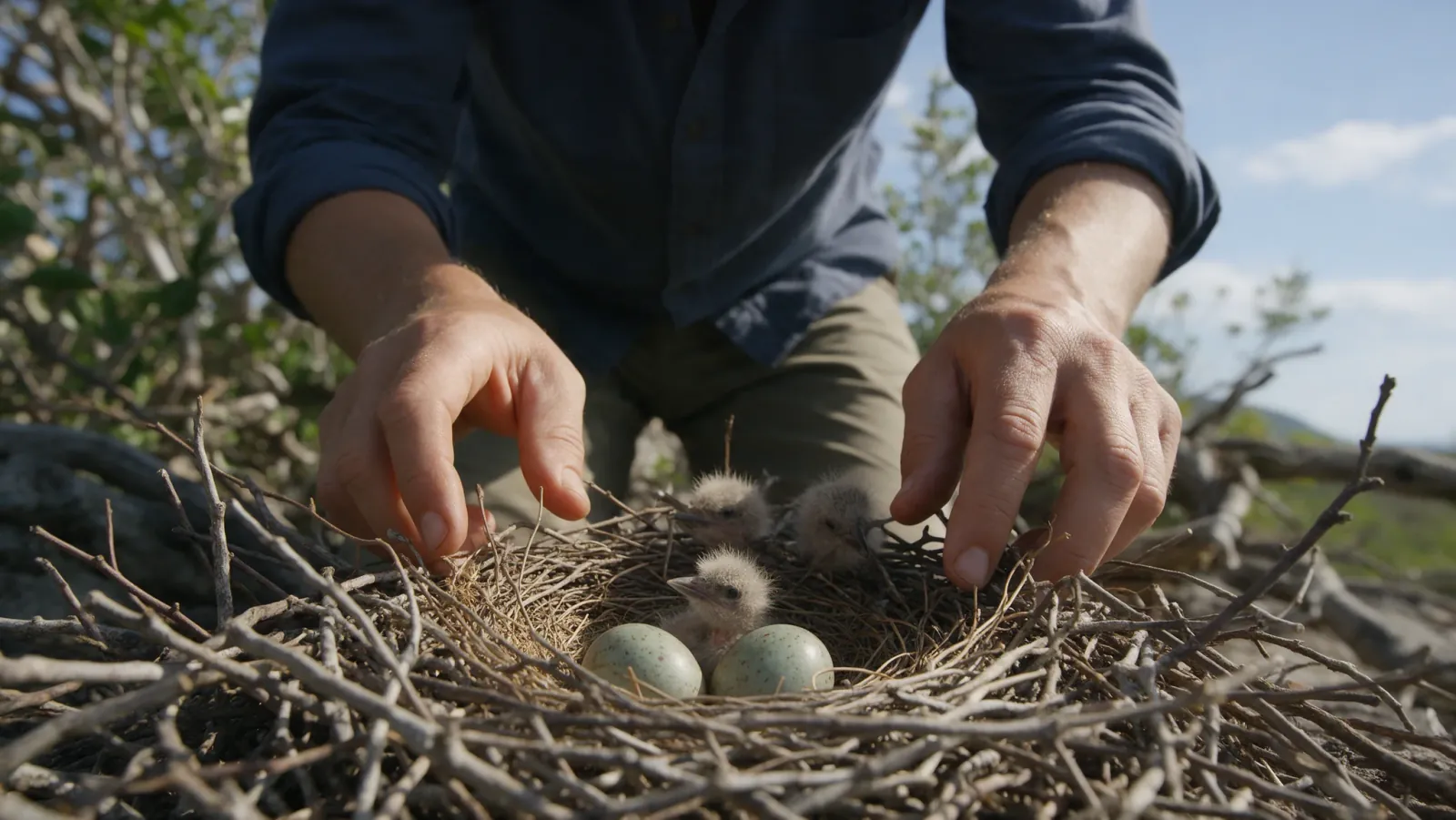
The point of a camera is to keep people away from the nest. Visiting a nesting site, flying a drone over it, or offering food all change the behaviour you came to see. Cams are usually installed with permission on private buildings, and the wiring takes some care. The camera exists so the nest can be watched without anyone walking up to it. Treat the feed the way you would treat a window into a neighbour's kitchen: look, and leave it alone.
How to find one
Search for a live white stork nest cam along with a country or a town, and you will find feeds run by bird societies, conservation groups, and sometimes a single enthusiast with a good roof. Read the notes under the video. A cam with a written history is easier to follow than one with only a picture, because the history tells you when the pair arrived and how the last season went. A cam with a written history is easier to follow than one with only a picture. Then leave it on in the background while you work. In April the nest is rarely still.
Some cams return to the same nest for years, and viewers learn the pair's habits. That is the quiet pleasure of the format: one platform, one spring, and enough time to notice the small changes.
Explore the gift