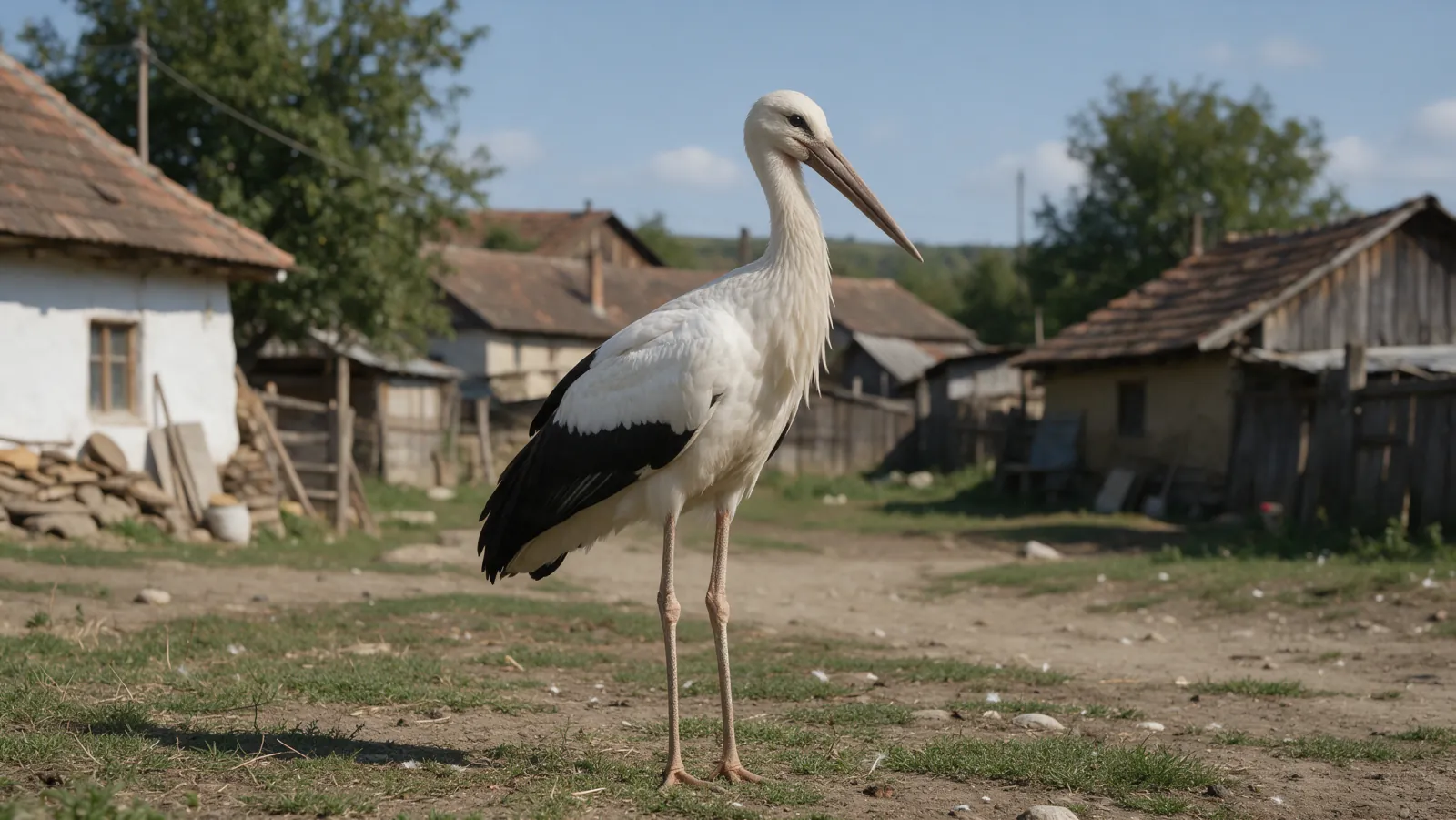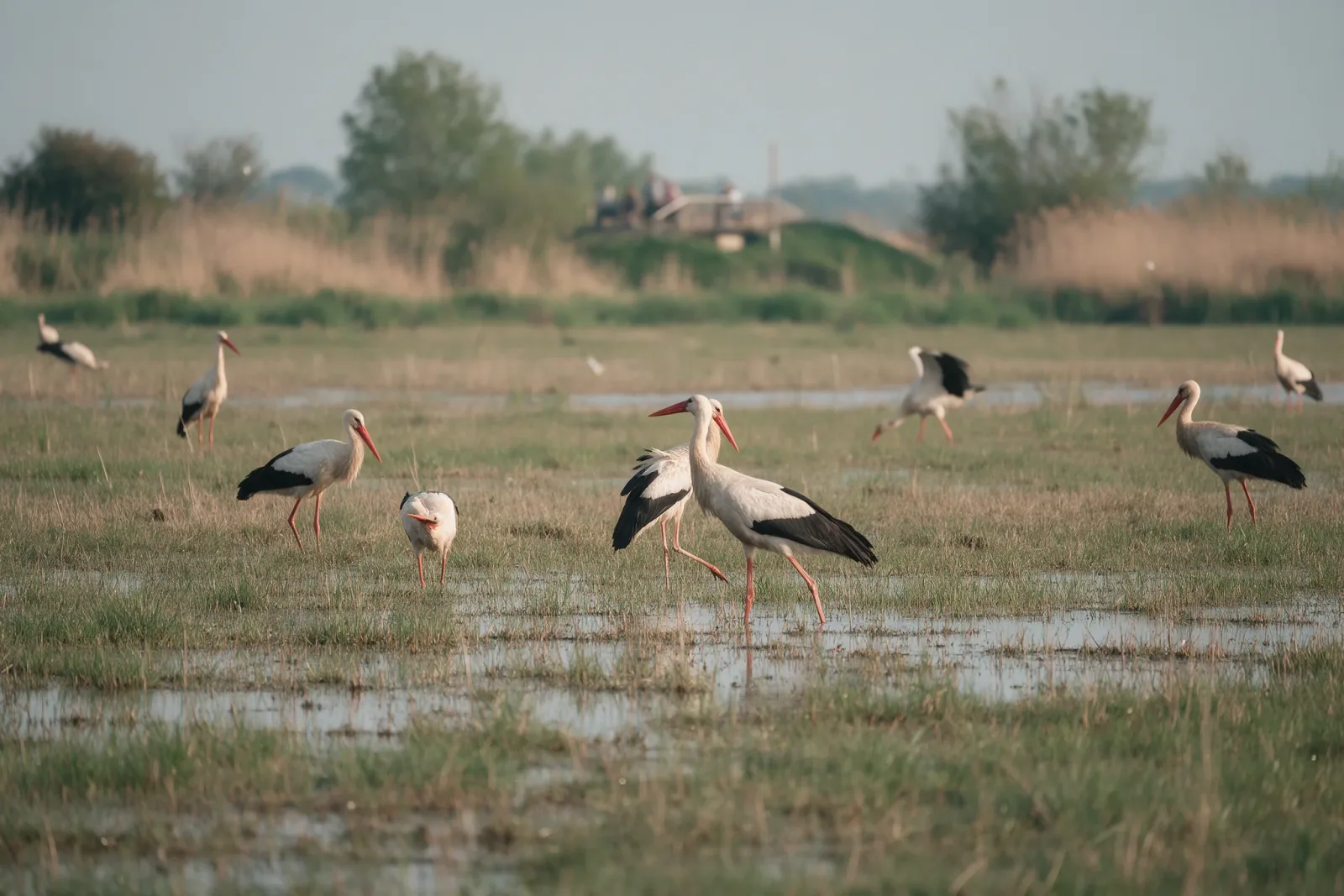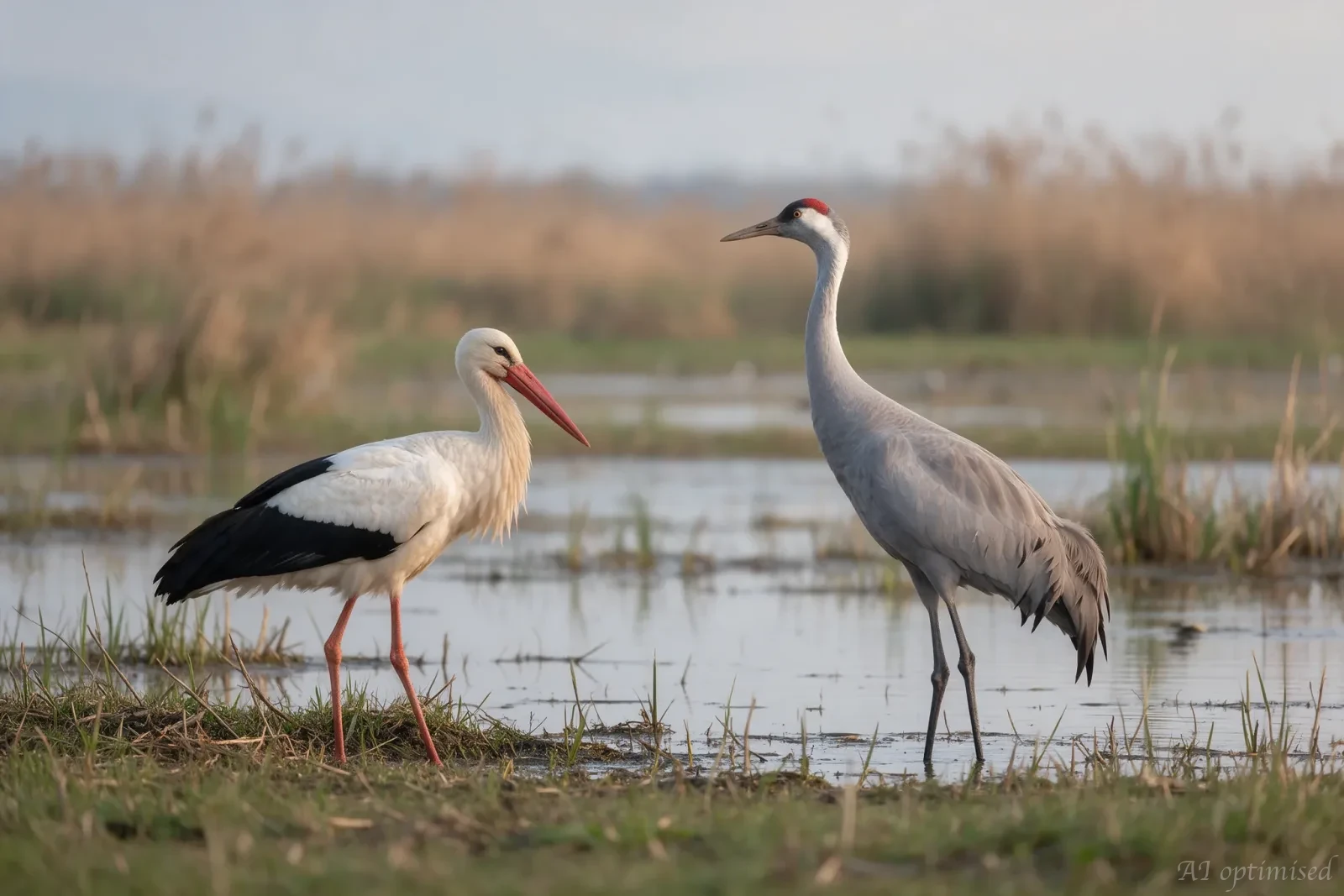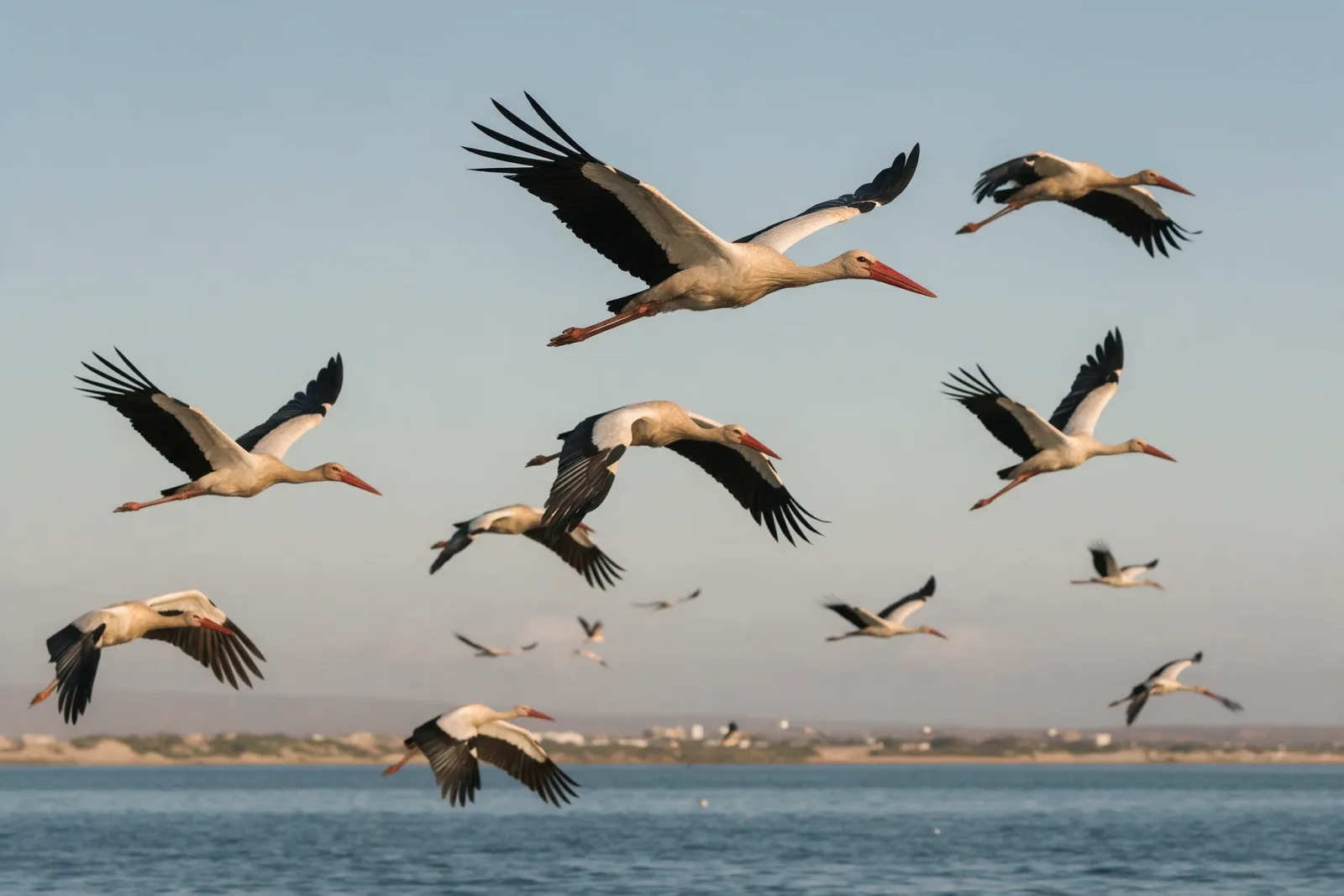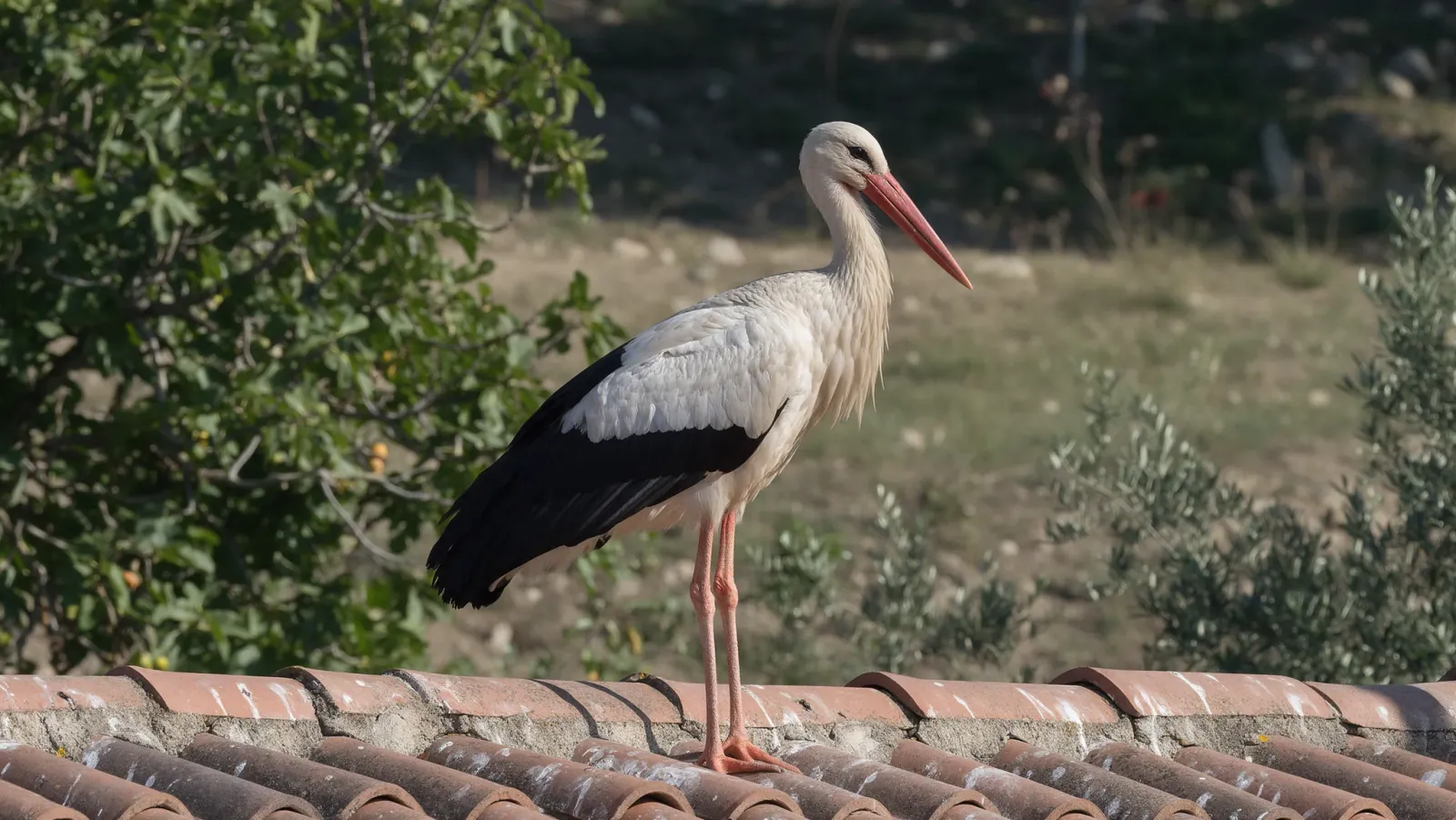
A stork nest can damage a roof, and it often does less damage than people fear. Damage depends on the nest, the roof, and how long the birds have been there. A nest is a load, a source of moisture, and a pile of debris, and each of those can matter. None of it is a reason to act alone, since removal may be restricted.
Weight on the stack
Storks add sticks, grass, earth, and lining to the same nest each season. A structure built up over many years can be heavy, especially after rain. A chimney is a narrow support, and an old stack may already have soft mortar or a failing flaunching at the top. Weight alone rarely brings a stack down, but it can widen cracks that were there before. A structural surveyor or an experienced roofer can look at the stack and tell you whether it is carrying the nest comfortably.
Water and debris
Sticks and grass spill over the edge during building and in wind. They land in gutters, on tiles, and in valleys, where they hold water and leaf litter. A blocked gutter sends rain down a wall, and damp follows. Droppings collect below the nest and on the roof slope. They stain, and on some materials they encourage moss. None of this is dramatic, and most of it can be managed with a ladder and a bucket once the birds have gone.
The chimney itself
A nest on a chimney can block the flue. Smoke that cannot escape comes back into the room, and a blocked flue can produce carbon monoxide. If a stove or boiler shares that chimney, stop using it until a sweep has looked at it. A good sweep will work around the nest where possible and tell you what is safe. Never light a fire to move the birds on.
What an inspection can show
Ask a roofer or surveyor to check the stack, the flashing, the mortar, the gutters, and the roof covering under and around the nest. Do this from the ground or from a tower where possible. Climbing to the nest during the breeding season is the wrong move, and in many countries it is illegal. If repairs are needed, plan them for the window when the nest is empty, and check with the wildlife authority before anyone goes up.
Where the nest is a genuine hazard and the law allows it, a licensed contractor can reinforce the stack or move the nest under permit. That is a job for people who have done it before.
When to bring in a professional
A roof that is old, bowed, or already leaking deserves a proper look. So does a stack with loose mortar, a cracked crown, or a chimney that has not been swept in years. Photographs from the ground help a surveyor decide whether a visit is needed. Keep a record of what is found and when. If the nest sits on a listed building or in a conservation area, the rules can be stricter again, and repairs may need consent.
A chimney cowl fitted to keep birds out will not solve a nest that is already there, and fitting one during the season can disturb the pair. Plan that work for the empty months, with advice.
Living with the nest
Storks bring their own benefits. They eat insects, worms, and small rodents, and a nest on the roof is a sign of wet fields nearby. The pair will return to a site that worked, which is why the same chimney carries a nest for decades. If the roof is weak, a platform on a pole nearby can give the birds a better place to build. The nest platform programme describes how that works in practice.
The useful step is a calm inspection and a conversation with a wildlife body. A nest that has lasted years has probably already shown what it does to the roof.
Explore the gift