A bedtime story has one job, and the stork does it well. The room darkens, the lamp glows, and a white bird crosses a field on the first page. A child listens, the day loosens, and the wide world becomes a place with a return in it. The same bird turns up in two other childhood stories, one about a new baby and one about a tooth.
A story that slows the room
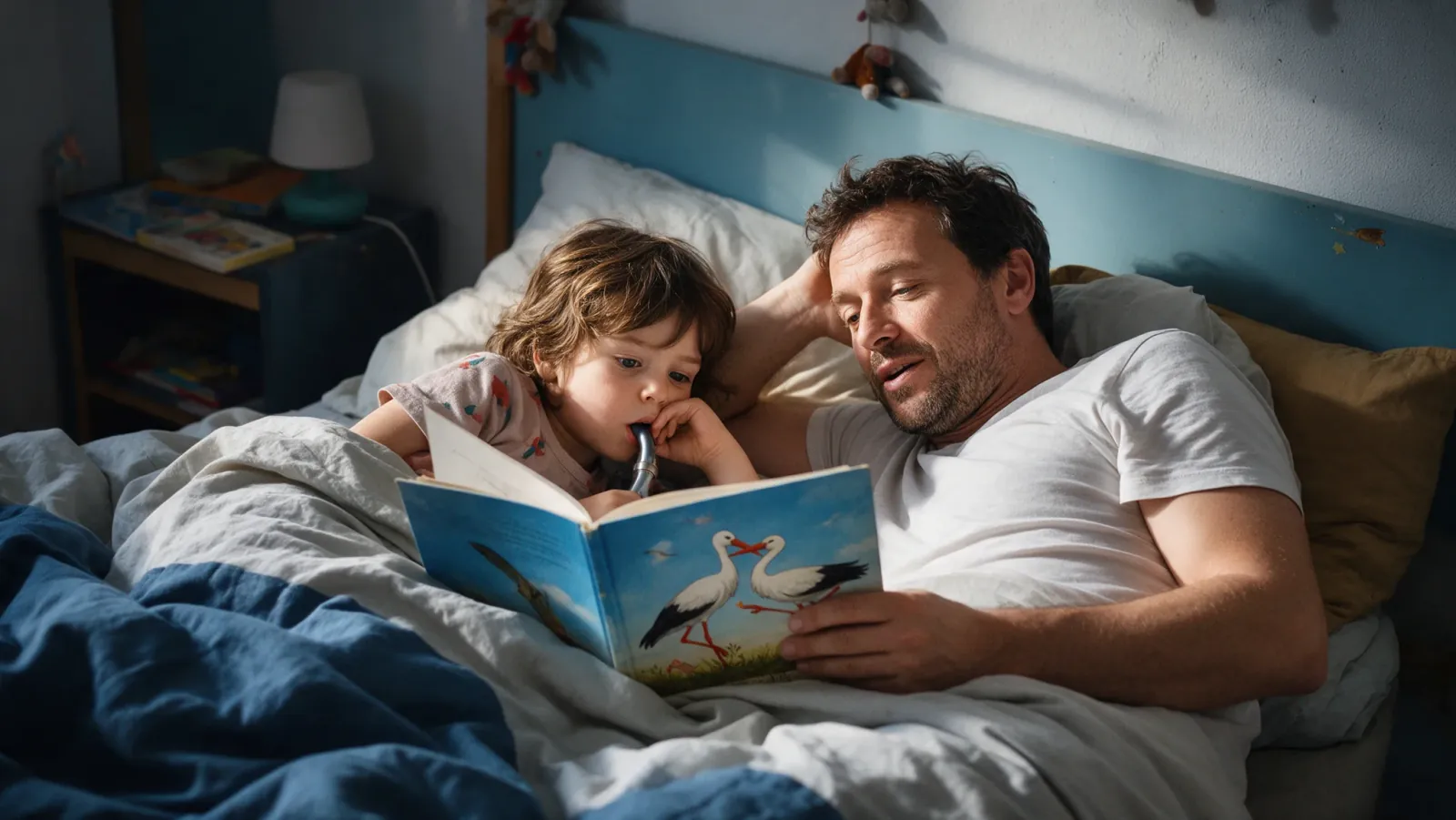
A good bedtime story lowers the room. The slow wingbeats, the long glide, the patient landing on the nest: the rhythm does most of the work. A child's breathing follows the telling.
Keep the voice low. Let the sentences get shorter as the bird gets closer to the roof. The story settles the child and teaches the shape of a journey home at the same time. The parent reading slowly is doing more than filling the last ten minutes of the day.
Children ask for the same story because the sameness is the comfort. The stork leaves, crosses the water, rests in a warm field, returns to the nest, feeds the chicks. Told the same way each night, the shape gives the child something solid to let go of the day against.
The parent's body does some of the work. A slow breath, a low voice, a hand on the blanket. The story gives the body something to follow, and the child follows the body into sleep.
A story read too fast becomes another thing to get through. A story read slowly becomes part of the room.
Why the bird got the baby
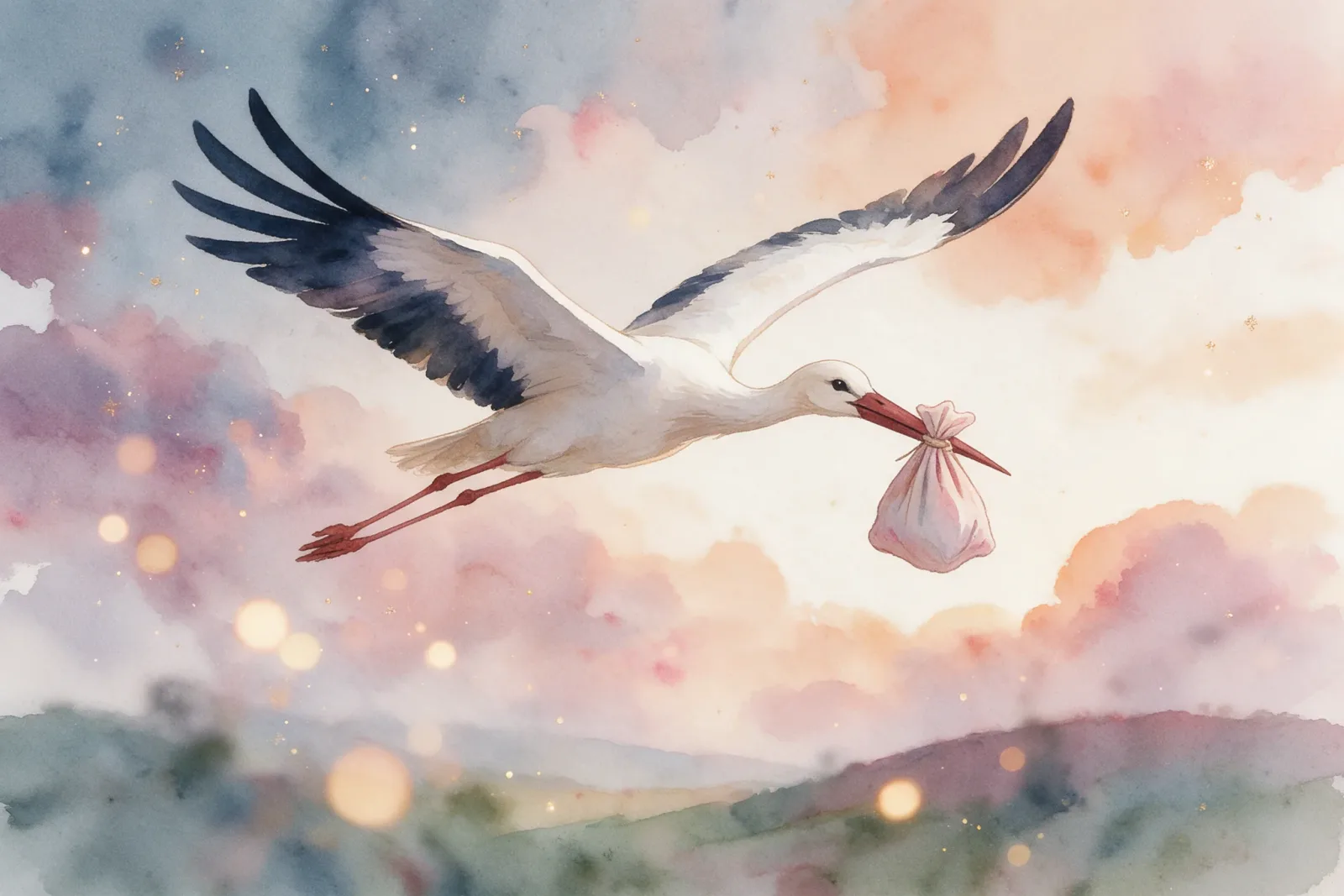
The white stork returns in spring, when new life appears everywhere, and it nests high on roofs close to people. A house with a stork on the chimney was a house where a baby might soon arrive, and the two ideas grew together over generations. The bird leaves in autumn and comes back in spring, so a child who hears the tale also hears the year turn.
The story works because it is soft enough to hold and specific enough to picture. A rooftop and a bundle, a long red bill. A child can see all of it.
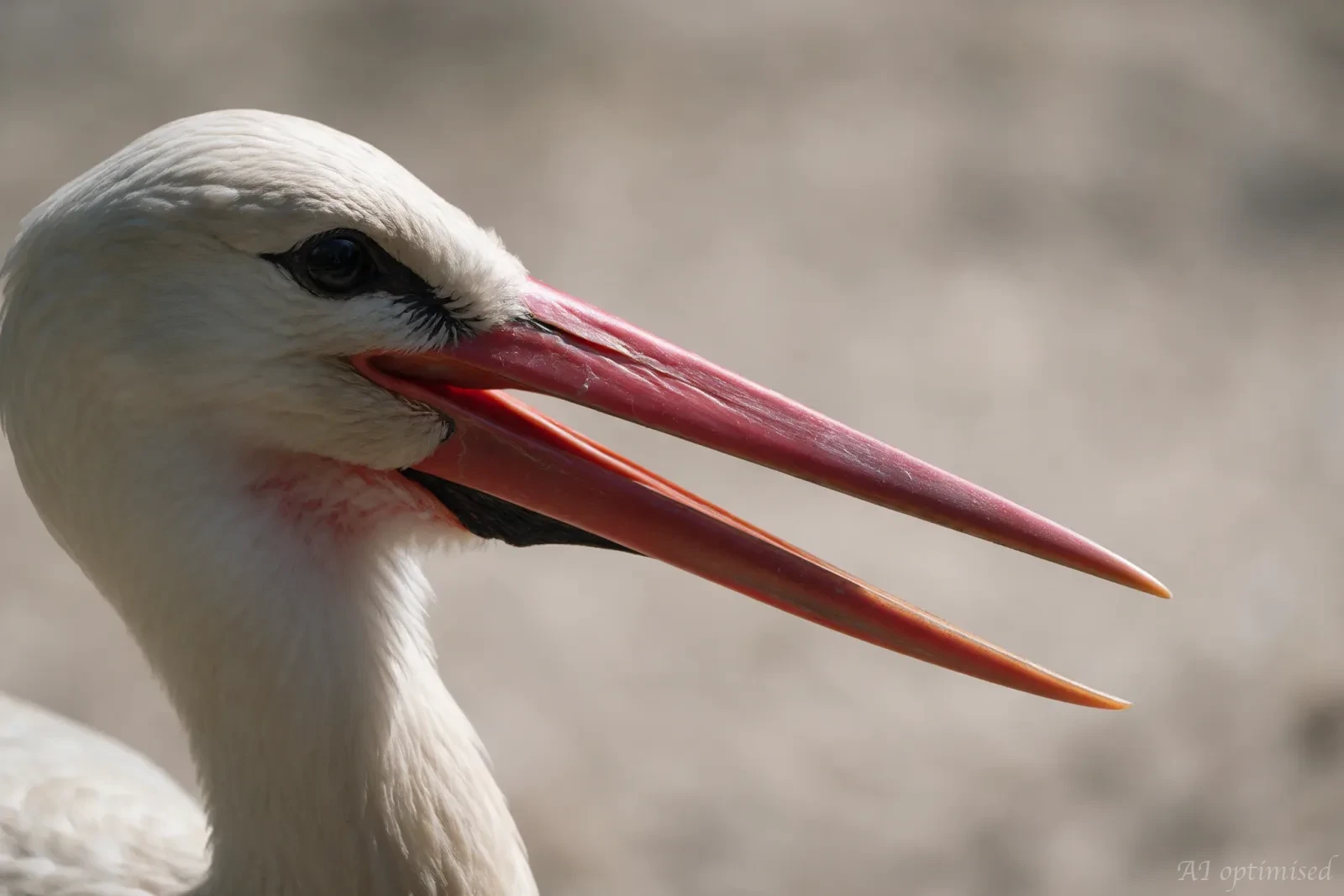
The bird behind the story is real. It is tall and white with black wing tips and a long red bill, and it returns each spring to the same roof. A child told that the stork brought the baby can later be told the rest, and the bird will still be standing in the wet field, living its own journey.
The tale travels well because it needs no props. A rooftop, a bird, a bundle: the whole scene can be told in the dark, in any house, in any language.
The tooth under the pillow
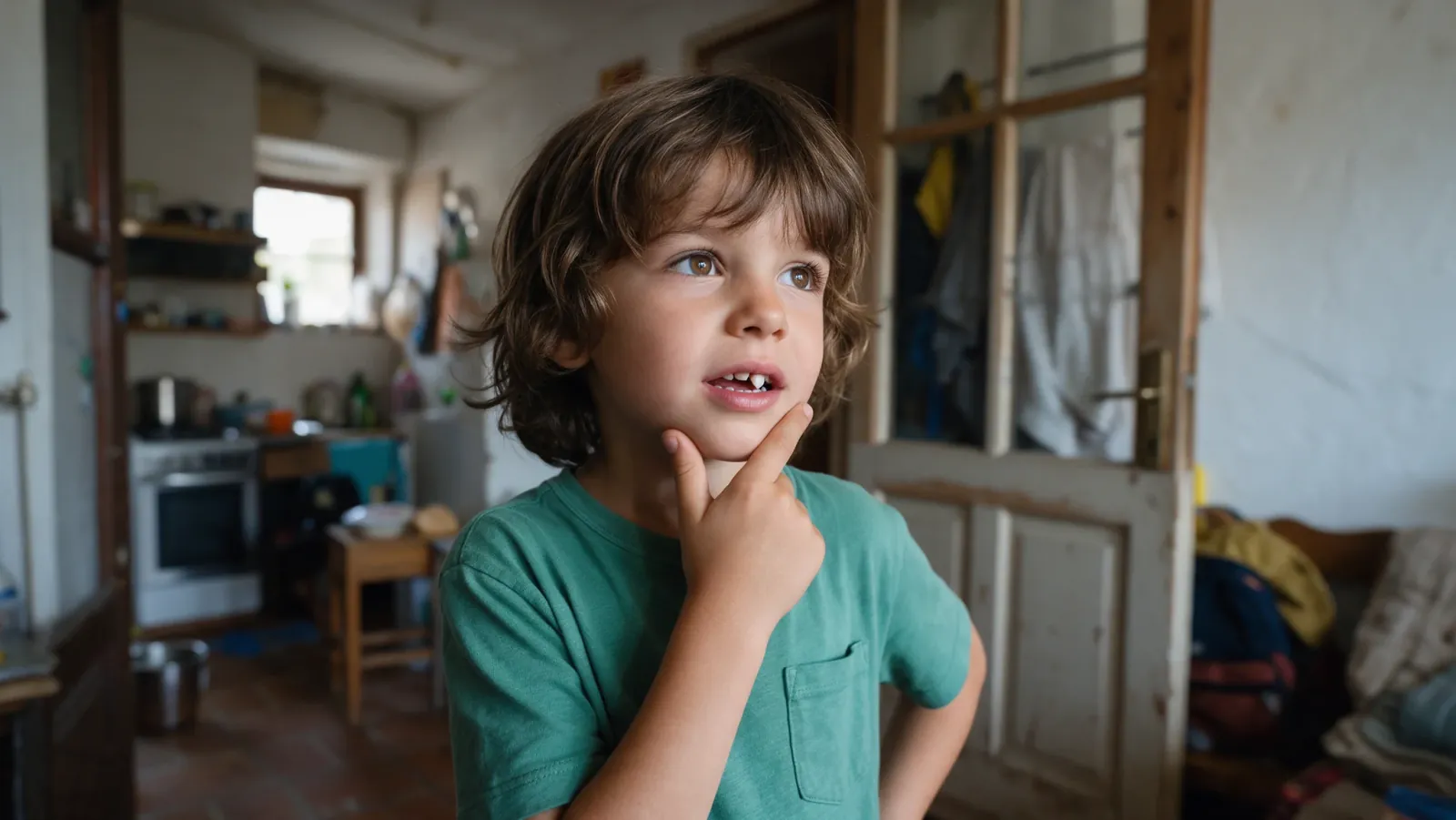
Every family gives a child somewhere to put a lost tooth and something to expect in the morning. A coin under the pillow. A stork flying the tooth away and leaving a small thing in its place. The details differ and the shape holds: something is lost, and something comes back.
A child who has just felt a tooth wobble free is learning, in the softest way, that losing a thing can be followed by a gift. The story turns a strange, slightly frightening moment into one a child can look forward to.
In the old telling, the stork carries the tooth away the way it once carried babies, held gently in its long beak. The child wakes to a coin or a note and the sense that the world was busy while they slept. The bird is a courier who never explains, and the child does not need it to.
The tooth story and the baby story share a shape. Something small leaves, and something small arrives. A child who has felt a tooth come loose knows the shape in the body before the story explains it.
The same story, told again
Repetition is the point. The child asks for the stork story on the night before the first day of school, on the night after a fall, on the night a grandparent leaves. The plot holds still, and the child holds still with it.
Small changes are fine. A new detail about the river, a different star above the nest. A familiar story with one new stone in it gives the child something to find and nothing to fear.
A parent can also let the child supply the changes. What did the stork see over the water. Which field did it rest in. The child adds a heron and a fox, and the story becomes theirs without losing its shape. The telling is a conversation that ends in sleep.
The child's changes are worth listening for. A new animal in the story, a different ending, a stork that lands somewhere else. The changes say what the child is thinking about, and the parent can answer without asking directly.
When the child asks for more
The question about where babies come from arrives one afternoon without warning, usually while the child is halfway through something else. A parent who has told the stork story has a gentle place to start.
There is no single right answer. What matters is that the answer leaves the door open for the next question. A small child needs a small truth wrapped in something holdable, and the stork is that wrapper. It lets a parent say something warm while the child is still too young for the whole of it.
The conversation matters more than the explanation. If the child asks a little more, the parent has gone far enough. If the eyes drift, the parent has said plenty. A child met with patience comes back with the next question, and the trust built on that first afternoon is worth more than a perfect answer.
The stork story can sit beside the truer answer. A parent can say that the bird is a story, and that the baby grew in the mother's body. The child can hold both, and the bird stays in the field.
The last page
The story ends with the stork home, the chicks asleep, the nest quiet under the stars. The child's eyes are closing by then, carried along by the telling. Nothing is left to worry about until morning.
A story that ends with the bird at home gives the child a place to put the day. The lamp goes off, and the bird stays on the roof in the dark, and the child sleeps with the shape of the return in mind.
Some families keep a white bird on the shelf beside the bed, so the story has a body after the lamp goes out. A stork gift can hold that place. The child reaches for it in the dark, and the bird in the tale stays within reach until the real one returns to the roof.
The child will ask for the story again tomorrow, and the parent will tell it the same way. The stork will cross the water, rest in a warm field, and land on the nest. The last page will find the bird at home, and the room will be quiet.
Explore the gift