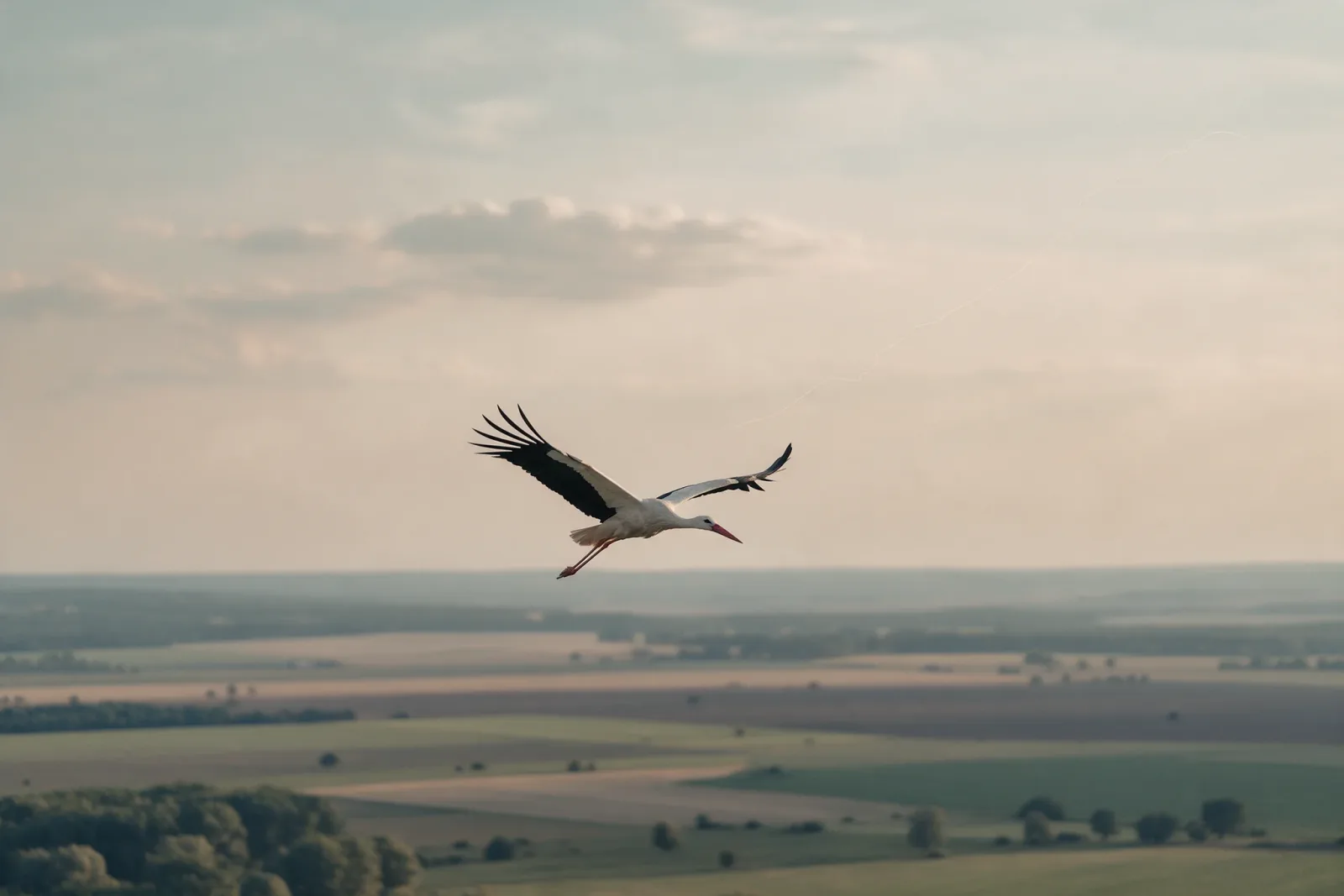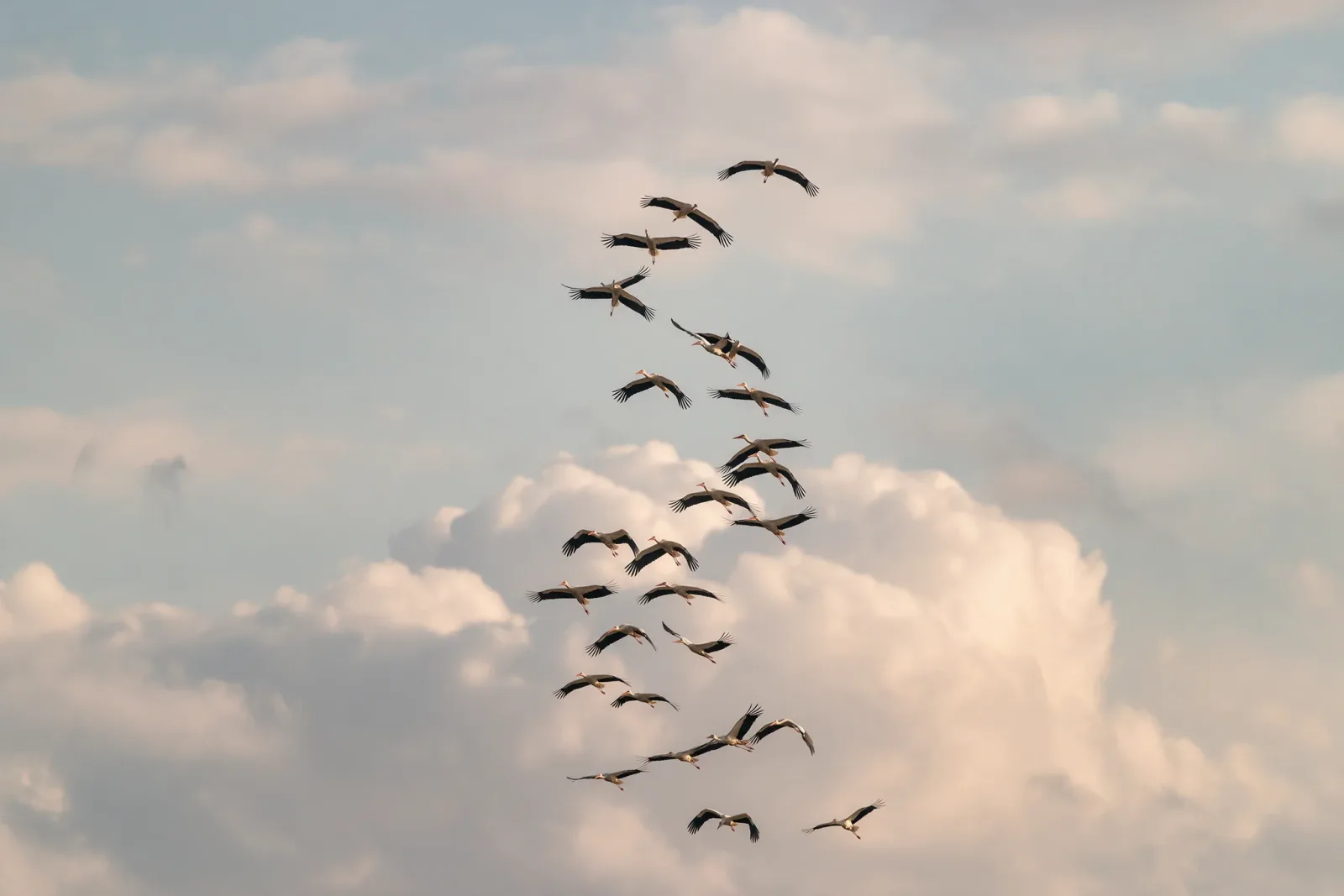
A single signal home is a small thing and a large one. It is one dot on a map, one timestamp, one flicker of light on a screen. And yet for a family that has given a wild stork a name, that single point can carry a whole evening of feeling. Somewhere far away, over a desert or a sea or a green field, the bird they named has moved, and the signal has come home to tell them so.
The moment the map lights up
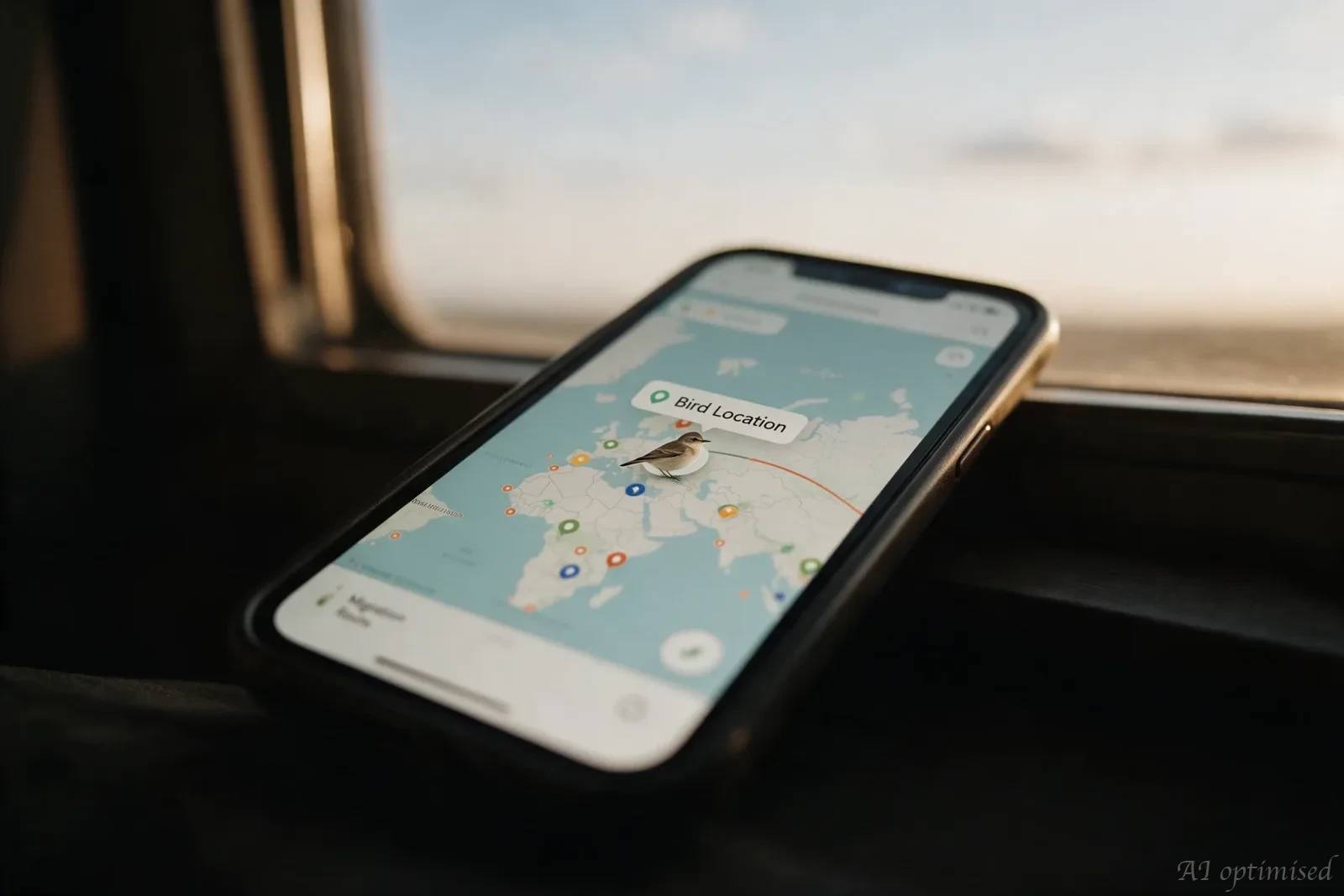
The screen shows a map, and on the map a dot that was not there the last time you looked. The bird has travelled. You lean in. The dot sits beside a place name you may never have heard before, in a country you know mostly from an atlas. And suddenly the bird you named is not an idea. It is somewhere. It has a position, a temperature, a patch of ground beneath its feet. A single signal home turns an abstract journey into a place you can point to.
The child who looks at the dot
For a child, the single signal is a small miracle repeated. They do not need to understand coordinates. They understand that the dot is the bird, and the bird is far away, and the bird is all right. They ask what the bird is doing right now. They wonder if it is asleep. The dot becomes a bedtime character, a quiet companion, a wild creature whose whereabouts they know and care about. One signal, and the distance between a child and a bird collapses.
What the point cannot say
A single signal home is honest about its limits. It tells you where the bird was, not how the bird felt. It cannot say whether the crossing was hard or easy, whether the bird found food that day, whether it was alone or in company. It is one moment among many, a single breath in a long flight. But a single signal is still a proof. It is proof that the bird is alive, that the journey continues, that the story the family is following has not yet ended.
The distance a signal crosses
Consider what a single signal has to do to reach you. The device on the stork's back takes its reading, and that reading must travel from a bird in some remote place, up to a satellite or across a mobile network, and down again to a screen in a home far away. The whole chain happens in silence and in an instant, and the person waiting at the other end feels none of it. They see only the result, a dot that has moved.
That distance, from bird to home, is part of the gift. The signal is a bridge across half the world, a thin thread connecting a wild life to a family's evening. A child looks at the dot and understands, in a wordless way, that the bird is real and far away, and that both things are true at once. The signal makes the far place feel near without ever pretending the bird is tame.
Some signals arrive from the desert, some from the savanna, some from a rooftop in a village you will never visit. Each one carries a little of the place it came from, a time of day, a patch of weather, a position on the globe. Taken together they are a kind of letter, written by the bird and the sky, and delivered one small line at a time.
It is a strange intimacy, to know where a wild creature is right now. You will never touch the bird, never hear it, never be close enough to see the tag on its back. And still, when the signal comes, there is the quiet feeling of a message arriving from a friend who is too far away to visit.
The habit of checking
What begins as curiosity becomes a quiet habit. You check in the morning, in the evening, after dinner. You learn the rhythm of the bird's movement, the long quiet stays and the sudden bursts of travel. A single signal home is never just one signal, because there will be another, and another, a slow chain of points across the months. Each one is a small arrival. Each one says the same gentle thing: your bird is still out there, still flying, and it has sent word.
Explore the gift