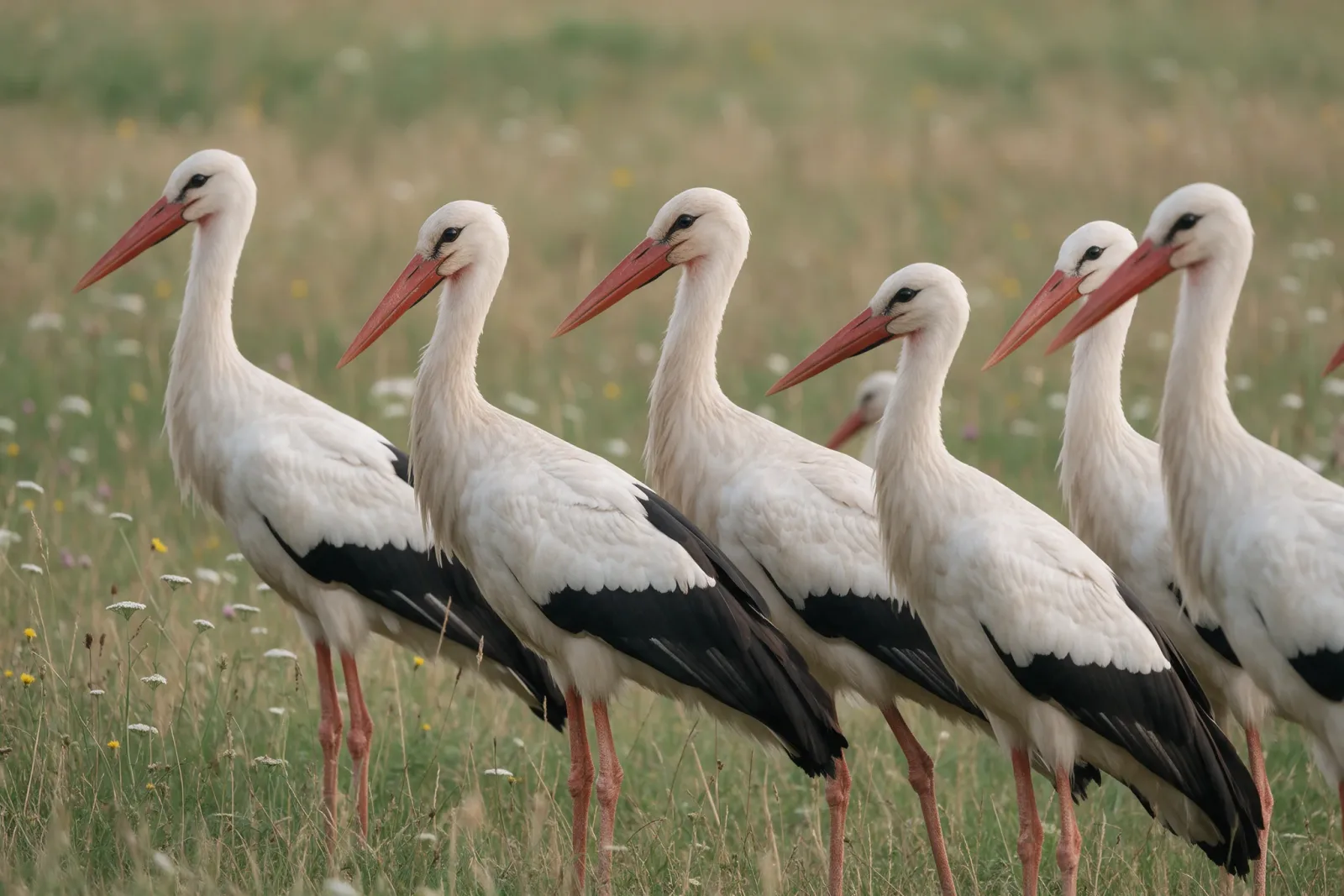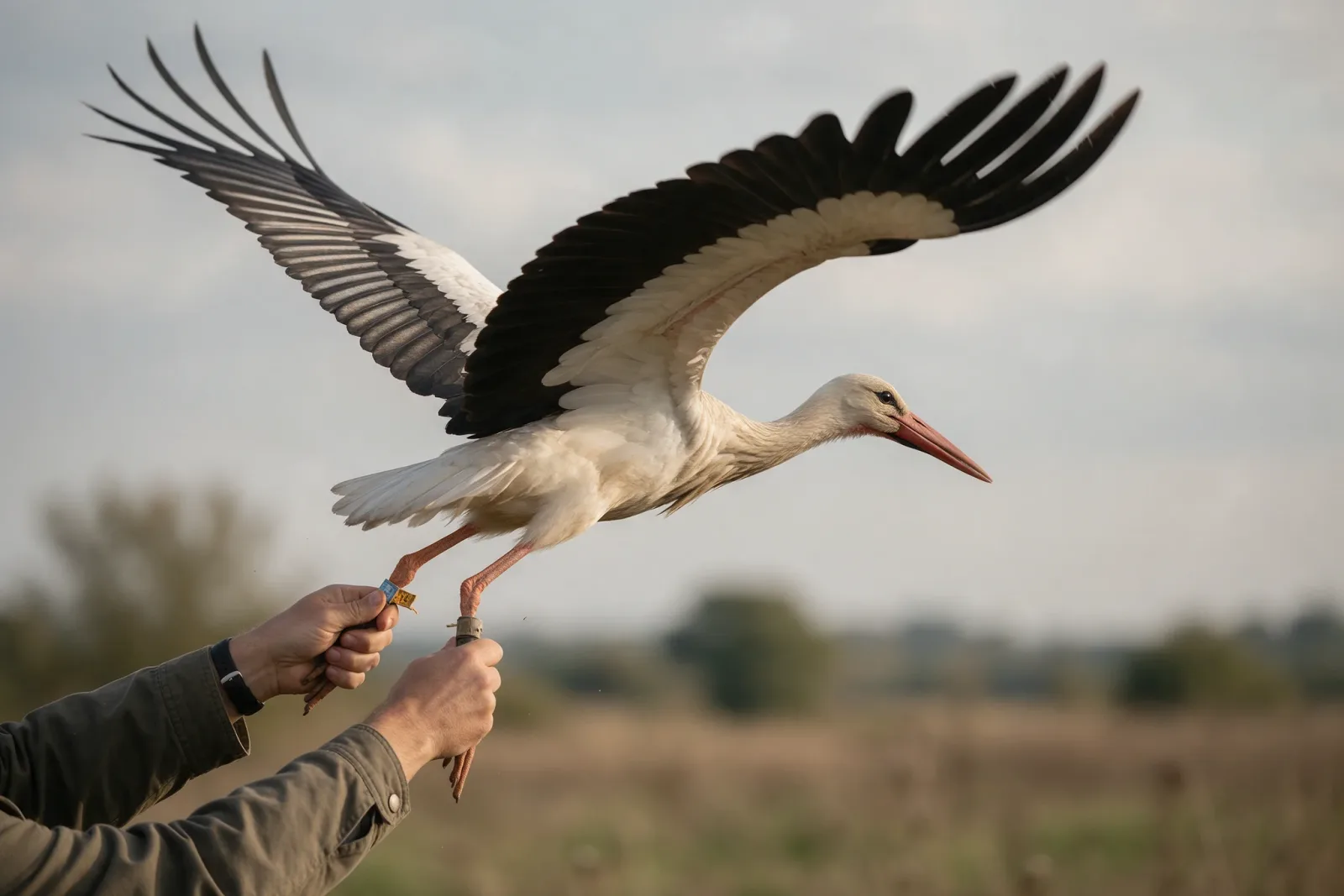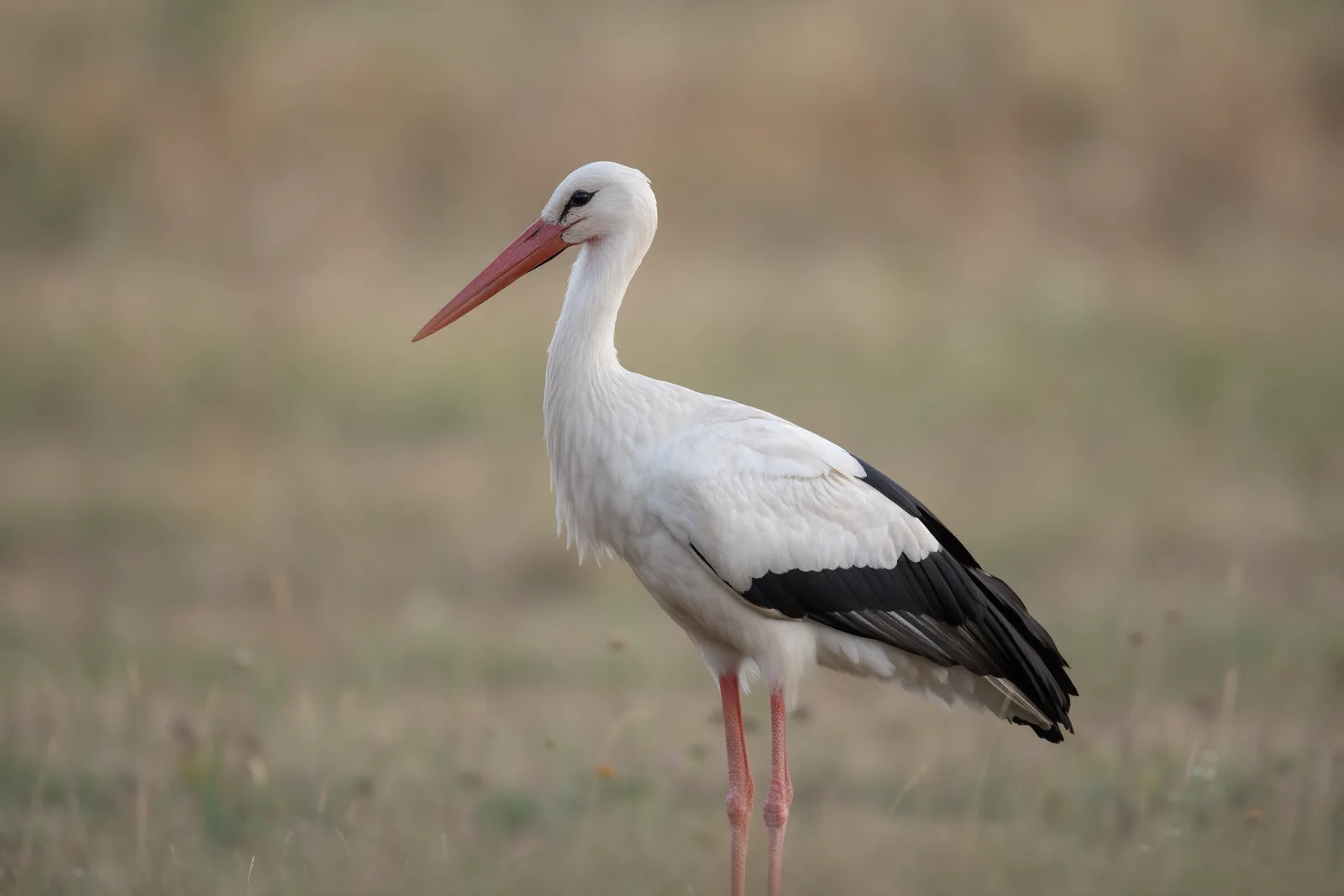
The stork named Amadeus first appeared on the tracking map as a single dark dot on a field of green, a bird going about a life that had nothing to do with us and everything to do with instinct. He was ringed as a nestling in southwest Germany, and a small solar transmitter now sits low on his back, lighter than the coin in your pocket. Each time the sun finds that tag, Amadeus sends a quiet word home, and a stranger somewhere leans toward a screen to see where he has been.
Amadeus belongs to the LifeTrack White Stork SW Germany study, a long-running effort to follow white storks through a full turn of the seasons. Every bird in the study carries a name as well as a tag, and Amadeus is one of the birds whose signals have come to feel like a letter from an old friend. His first autumn carried him the way most of the study's storks go, south and west toward France and Spain, then across a narrow arm of sea into Africa. He did not hurry. Storks rarely do when the air is warm and the sun will lift them for free.
The rhythm of a stork's day
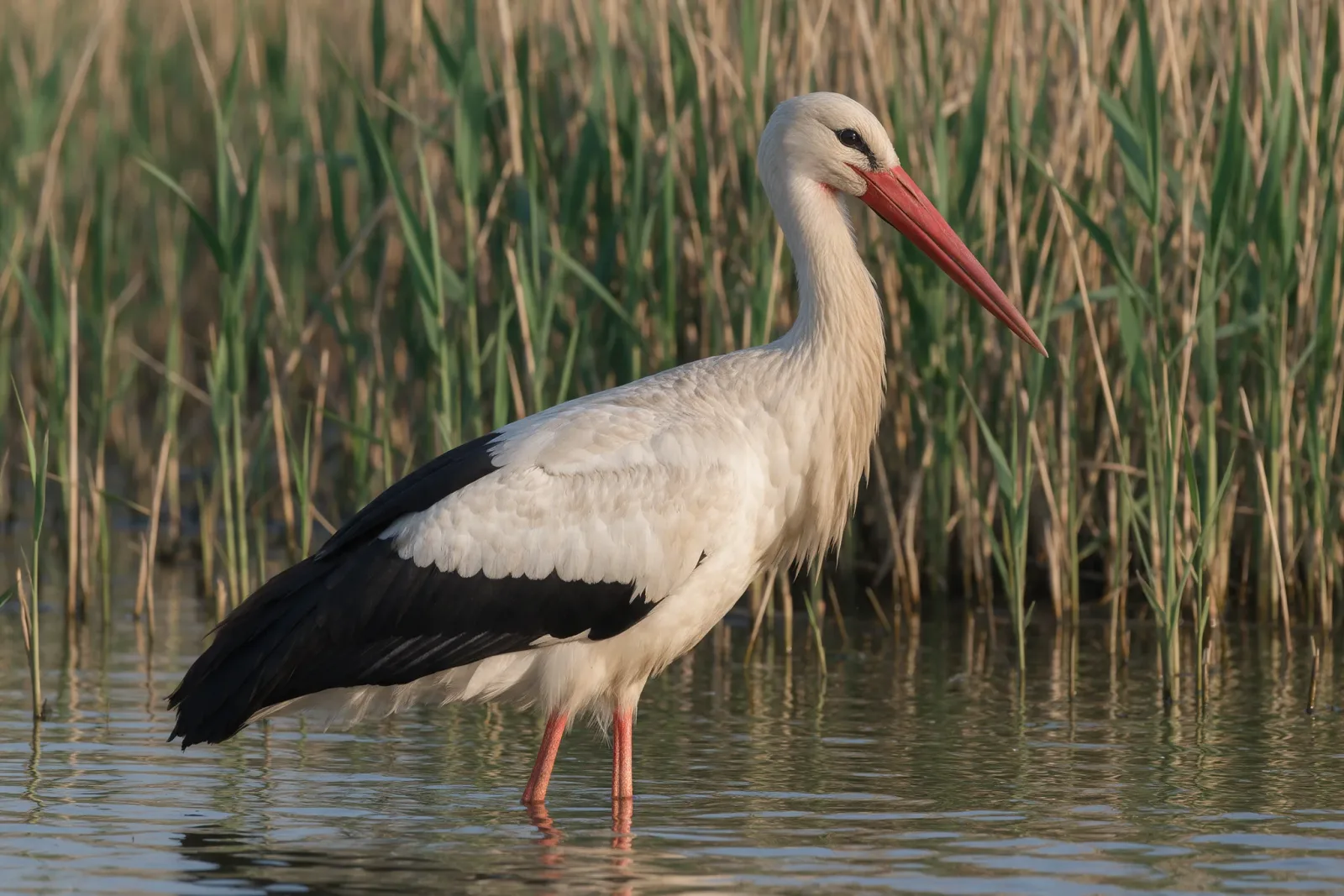
Follow Amadeus through a single day and you learn how a stork lives. His points cluster in the cool of the morning, when he stands in a wet pasture probing the grass for insects and small creatures. Around midday the signals thin out, because a stork on the wing is a stork riding a thermal, and his transmitter only speaks once the sun has had time to fill it. By late afternoon he is back on the ground, settled into reeds at the edge of some shallow water, resting for the next long stretch.
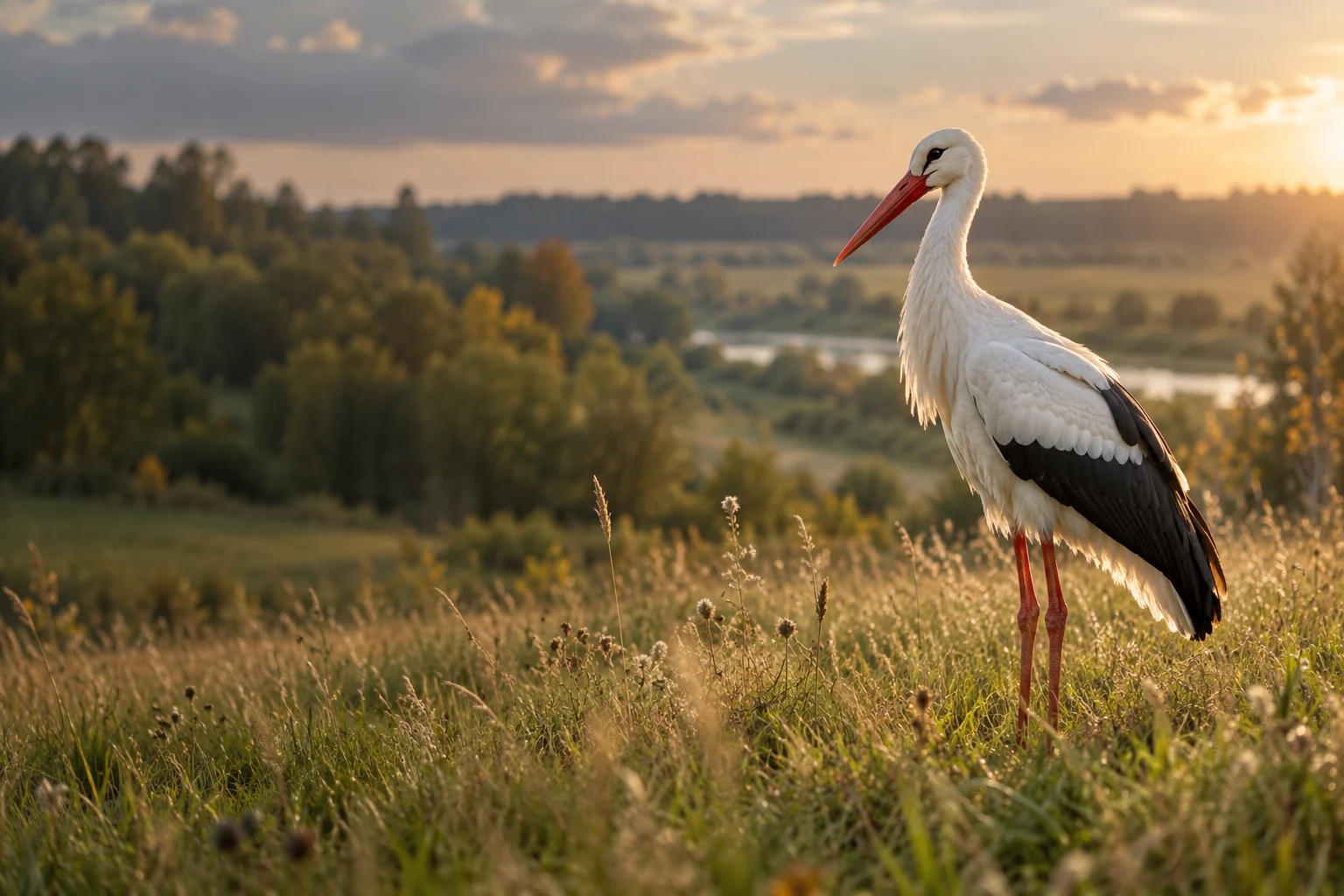
Each point is a small truth. It says where he was, at what hour, on what day. It does not say what he was feeling, and it does not pretend to. The pleasure of following Amadeus is the pleasure of a story told at intervals, a line of dots that you join with your own imagination, the way a child joins scattered stars into a picture.
Where he goes when autumn comes
As the days shorten, Amadeus drifts toward the coast. A white stork cannot flap across an open sea for long, so the birds gather where the water is narrow and wait for a good day of rising air. His signals show him pausing near the crossing, sometimes for a week, patient in a way that feels almost human. Then one morning the dots leap southward in a single bound, and he is on the far shore, and the map changes shape.
A name that stays at home
Long after Amadeus has reached the warm grass of Africa, his name remains here, written small on a card and spoken aloud by a child learning to say it. That is the quiet gift of a tracked stork. The bird is wild and far away, and still he belongs to someone, because a name was chosen and a story was kept. When spring turns and the first northern signal appears, the person waiting at home will feel the particular joy of a traveller come safely back.
The last point Amadeus sent is only the newest line in a long letter. He will send more.
Explore the gift