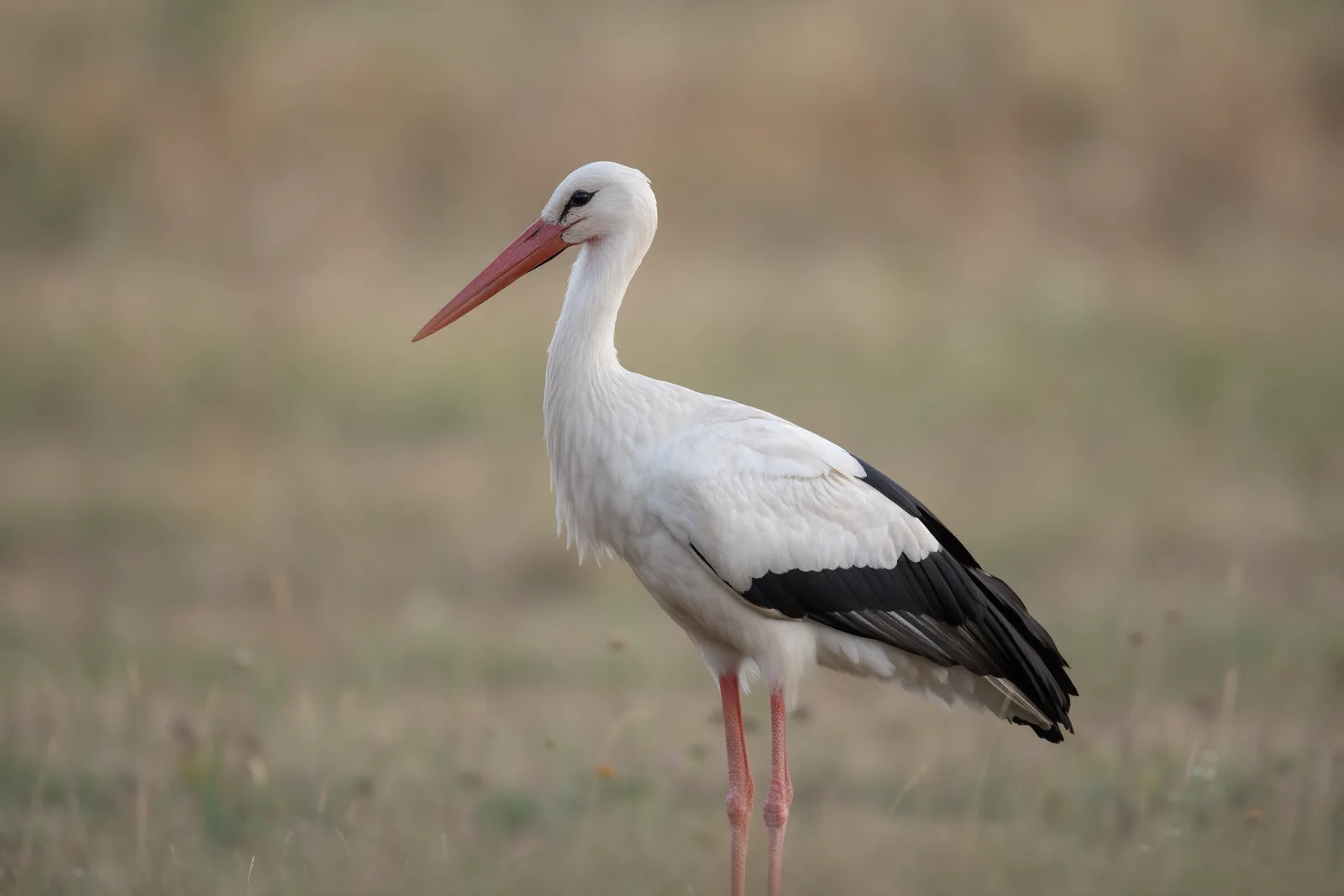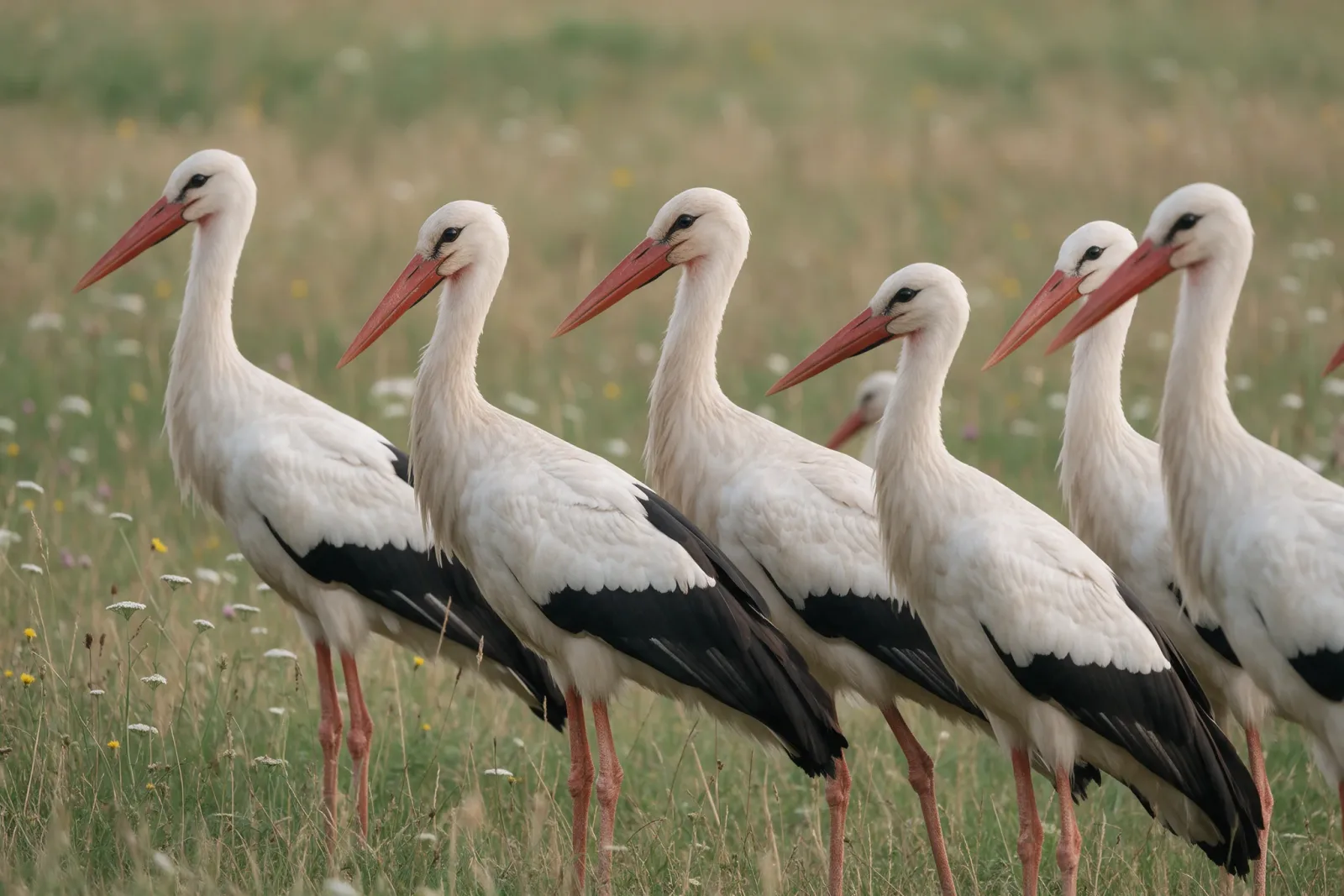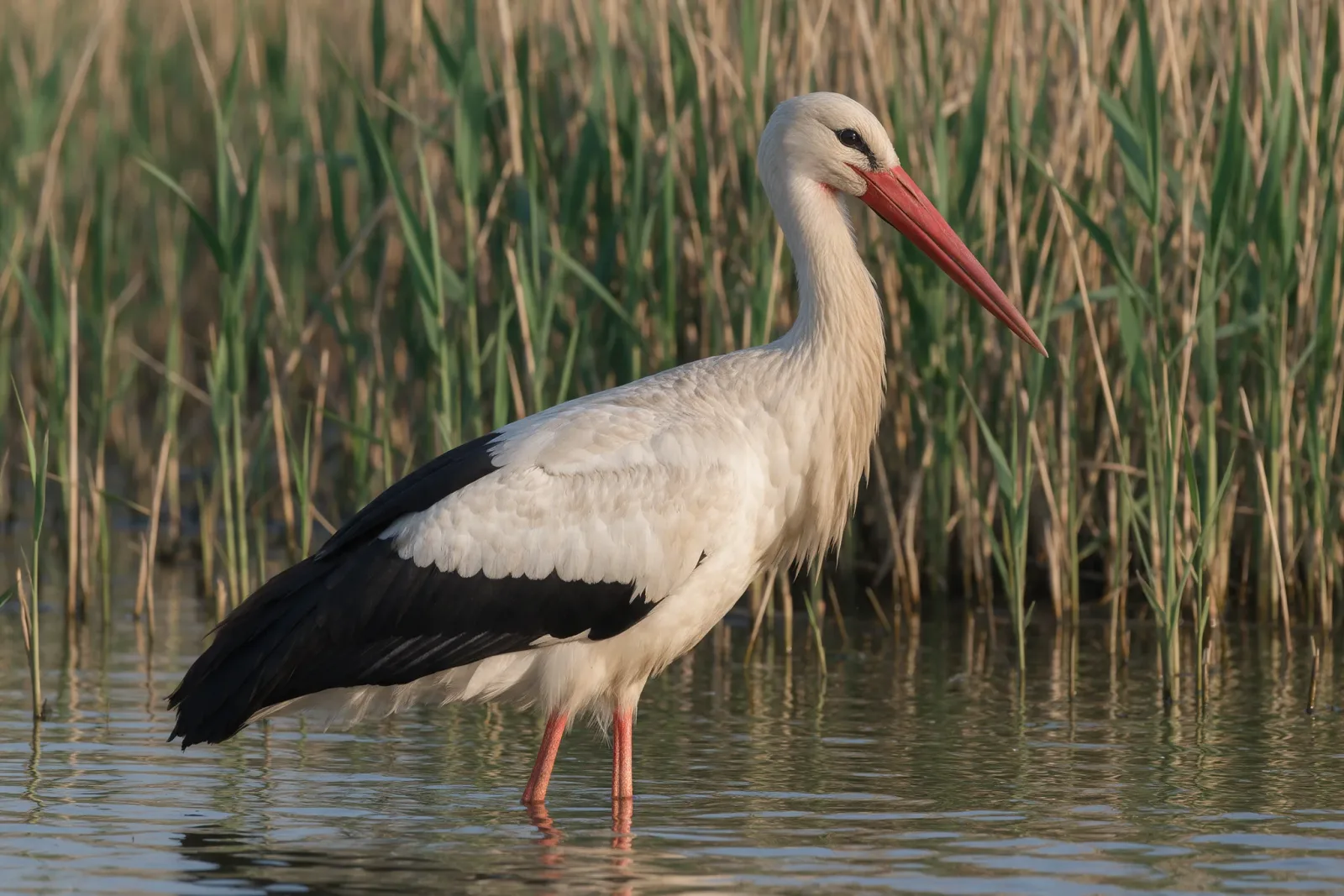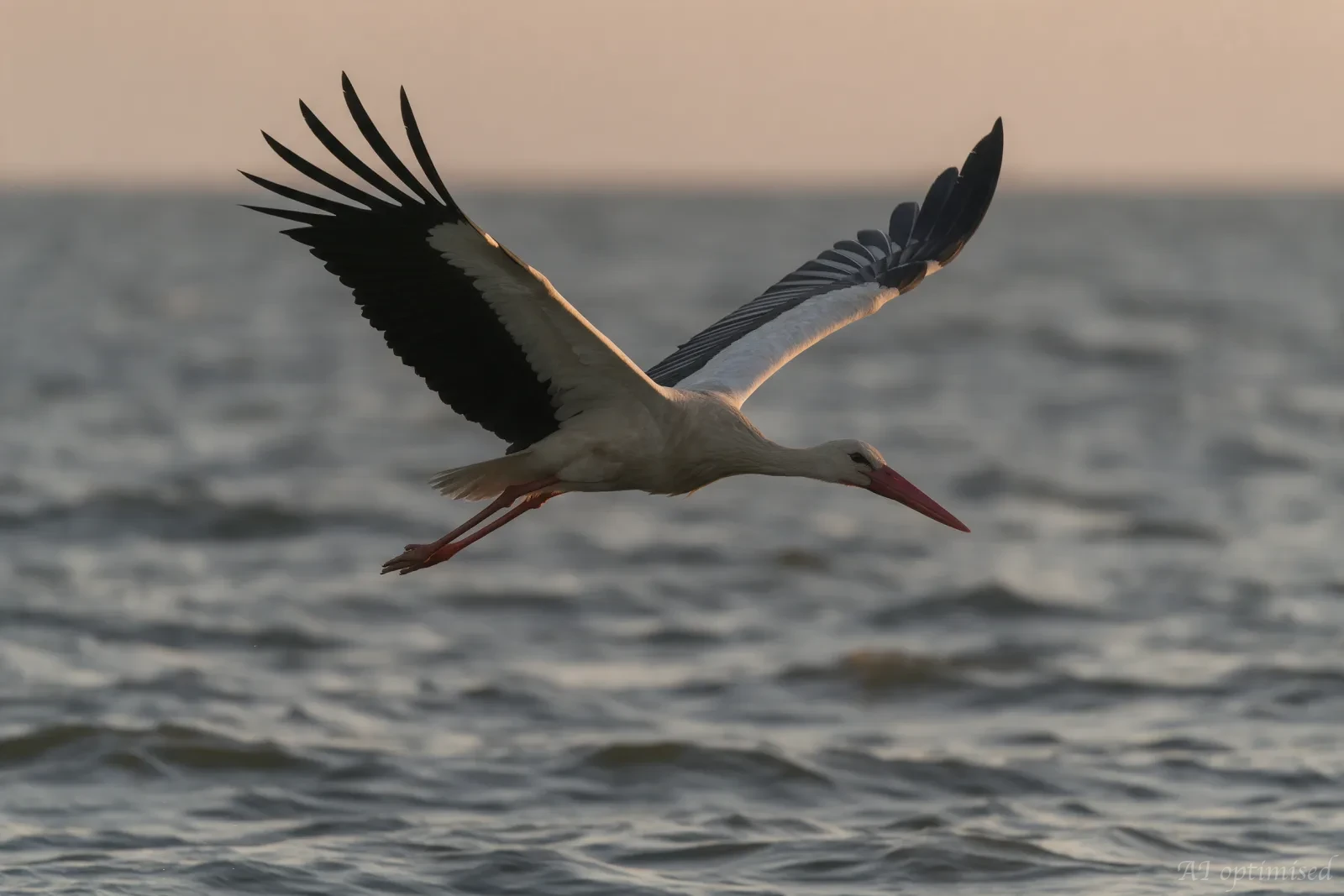
The longest tracked journey among the study's storks is not a record anyone set out to break. It is simply what one bird's line looked like once the season was over and the points were joined. The LifeTrack White Stork SW Germany study follows white storks through their whole year, and when the data is drawn out, one route always stretches further than the rest, a thin thread running from a village rooftop to the far side of a continent.
What the distance means
A white stork can travel astonishingly far in a single year, and it does so without a single beat of effort for long stretches, rising instead on columns of warm air. The numbers are hard to hold in the mind, which is why the map helps. The longest routes are not straight lines. They bend around mountains and seas and follow the weather, which is the whole reason they are long in the first place.
The shape of a long line
On the map, a long journey looks gentle. The points drift south, cluster through a winter, then climb north again in the spring. It is only when you trace the whole thing with a finger that you feel the distance, the sheer patience of it, the days strung end to end. A stork on its longest route has passed over fields and rivers and deserts, over the places where roads give out and only the bird's own instinct keeps it going.
Why length matters
Distance is not a trophy, and a stork has no idea how far it has gone. The length of a route matters to the people who study it, because it shows what a bird must cross to survive, and where the hardest stretches lie. A long line is a line with more danger in it, more dry ground to cross, more open water to time correctly, more mornings when the wind is wrong.
The ordinary wonder
The most distant route in the study belongs to a bird who is, in every other way, ordinary. That is the wonder of it. No special skill was needed, only the ancient instinct that tells a stork where south is, and the steady work of rising, gliding, and coming down to feed. The longest journey is long only because every journey a stork makes is long.
When the last point of the year lands back on the nest, the line is complete, and you can see, all at once, what one bird did in a single turning of the seasons.
Explore the gift