The gift that asks a question is the one a child will return to forever, and it works by refusing to be fully understood. Most presents answer themselves. A ball rolls, a puzzle fits, a toy lights up, and once the child has worked it out, the present is done. But a gift that raises a question the child cannot yet answer keeps its hold for years. It is not finished on the day it is given. It is only just asking.
Why answers end and questions last
An answered gift is a spent gift. The moment a child knows everything a toy can do, the toy begins its slow slide into the cupboard. A question works the other way. The child who asks where the bird is going will ask it again in a month, and the answer will have changed. The question never quite closes, and so the gift never quite closes either.
That is the difference, in one sentence: an answer is a full stop, and a question is an open door.
The question a stork asks
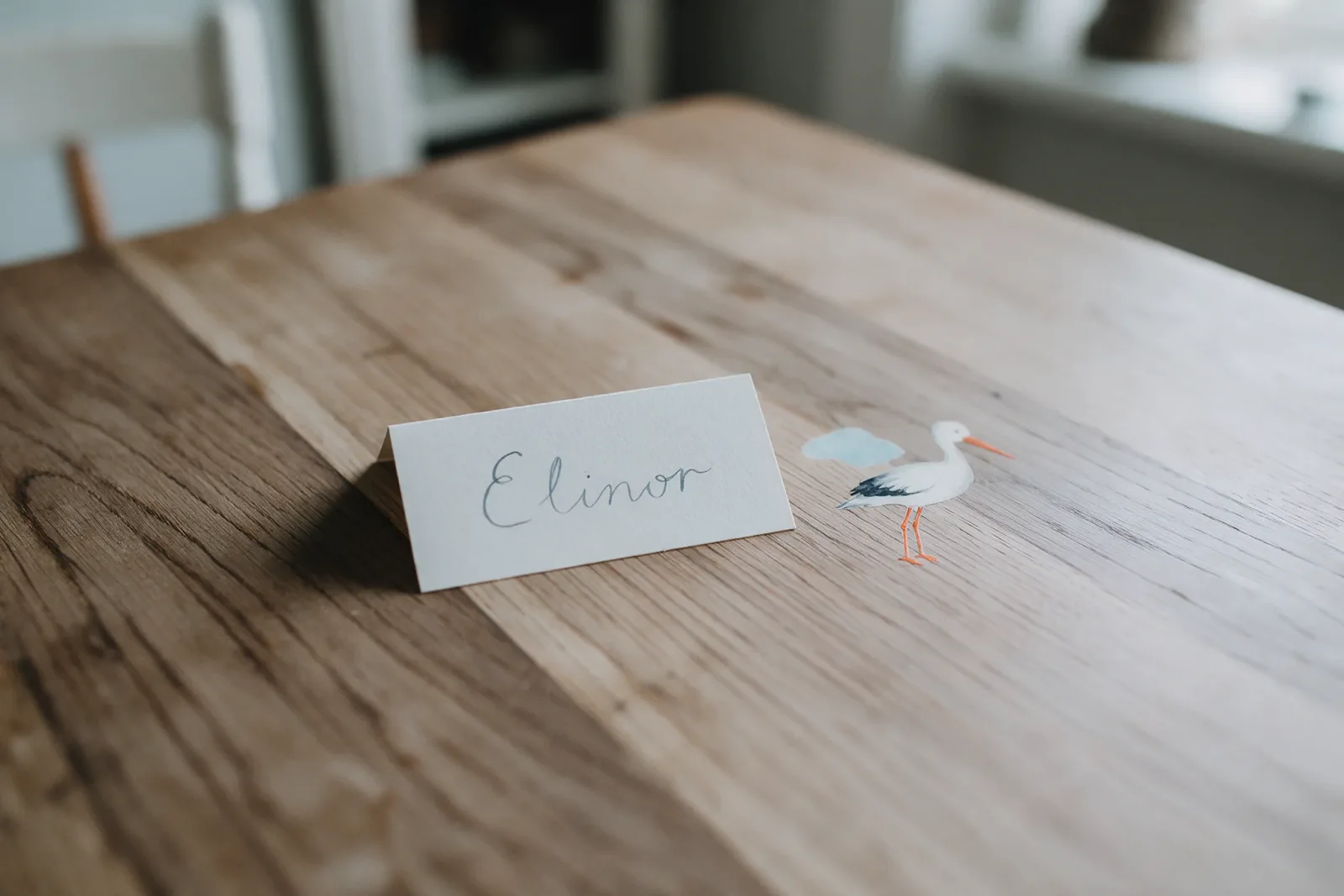
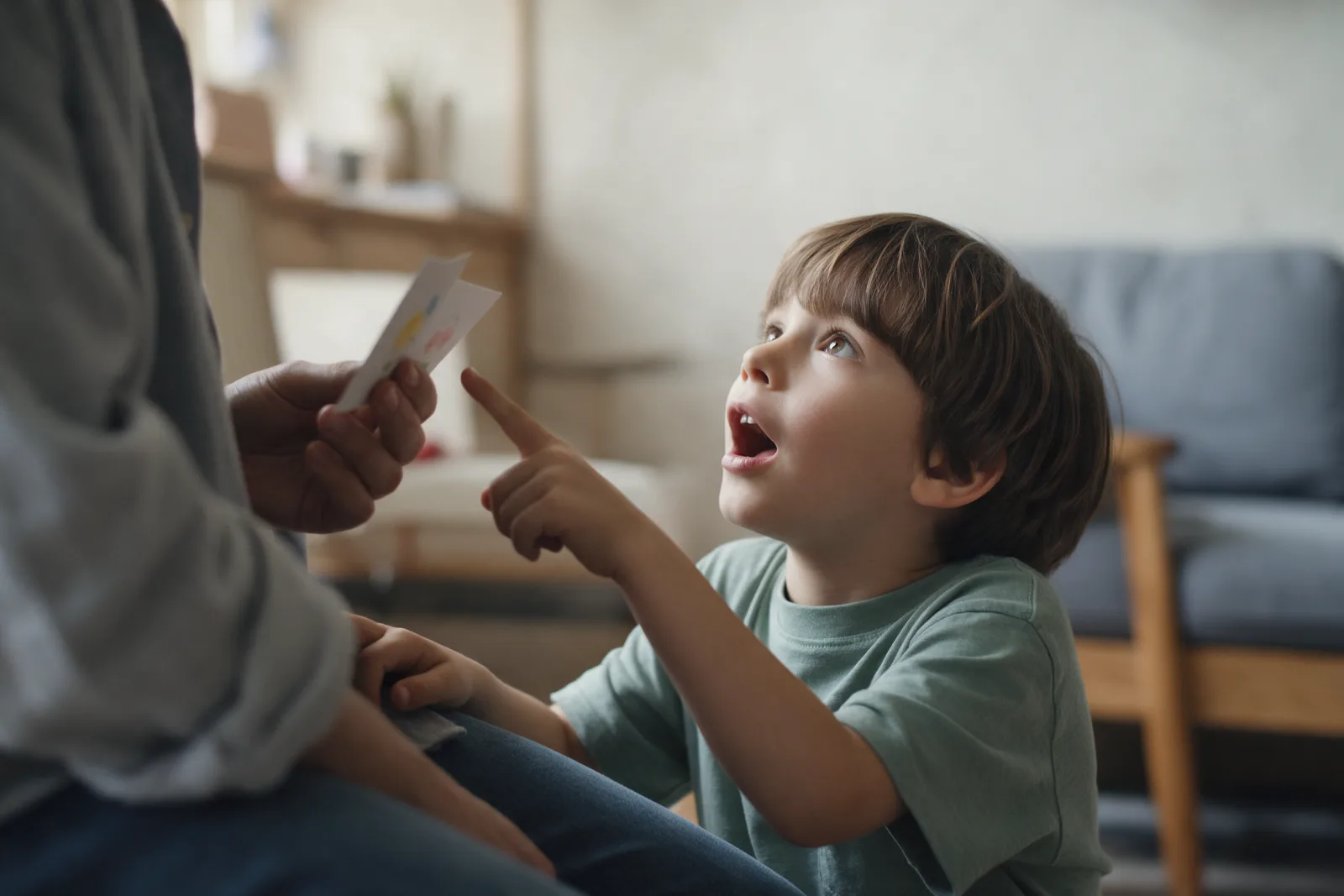
A gift that ties a child to a white stork raises one question above all others: where is it now? That question is small, and it opens onto everything. Where is it now, and why did it go south, and how does it find its way, and will it come back, and how can a bird cross a whole sea? Each answer leads to the next question, and the child, looking up at an adult with a mouth open mid-question, becomes the engine of the whole exchange.
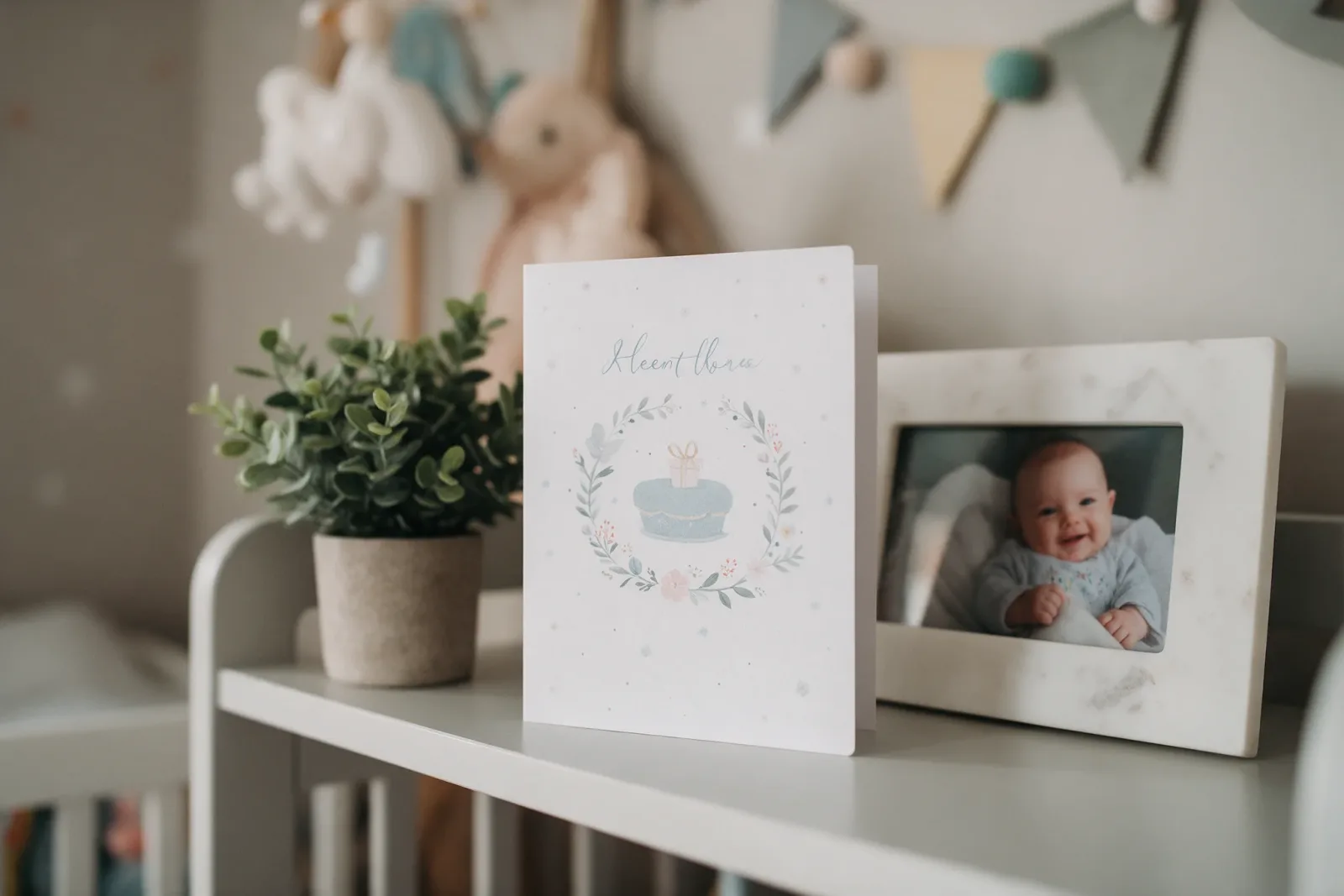
The card in the child's hand points the way. It is not the answer. It is the thing that asks.
A gift that teaches the child to ask
There is a skill in asking, and it is one of the most important a child ever learns. A gift that invites questions teaches it without meaning to. The child discovers that asking is rewarded, that the adult will stop and answer, that the world is full of things worth asking about. A child who learns to ask about a bird will go on to ask about everything.
That is a far larger gift than any toy, and it is delivered in the smallest possible package.
Why the best presents are unfinished
We should learn to choose unfinished gifts on purpose. Not broken things, not half-measures, but gifts whose work is not done the day they are opened. A card that carries a bird's name is exactly that. It will still be asking its question in ten years, in twenty, and the child, no longer a child, will still be able to look it up and find a new answer.
That is the gift that asks a question. It does not give the child something to know. It gives them something to wonder about, again and again, for the rest of their lives.
The question that never closes
The question where is it now is a question that can never be finally answered, and that is precisely why it works. Every time a family checks, the answer has moved. The bird is somewhere new, and the child, looking up with a question already forming, gets to hear a new piece of the story. The gift is not a thing that was given and done. It is a thing that keeps asking to be returned to.
A child who grows up with such a gift learns that the world does not give out answers all at once. It gives them out slowly, one migration at a time, and only to those who keep asking. That is the deepest gift of all, deeper even than the bird. It is the gift of a question that stays open, and the habit, learned young, of never being quite finished wondering.
The best questions are the ones we cannot finish answering, and the best gifts are the ones that keep those questions alive. A card that carries a stork's name is exactly that. It does not hand a child a fact to forget. It hands them a question to grow into, and it keeps asking, gently, season after season, long after the child has learned to ask it back.
Explore the gift